
A roof is more than the visible shingles, tiles, or protective covering seen from outside a home. Beneath the surface is a critical structural layer...
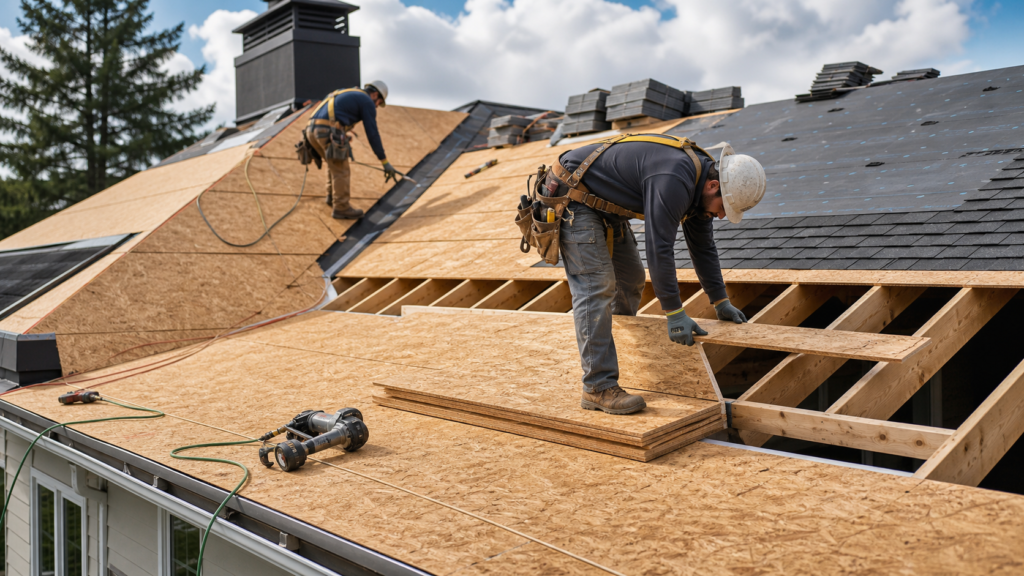
A roof is more than the visible shingles, tiles, or protective covering seen from outside a home. Beneath the surface is a critical structural layer that supports the entire roofing system and helps protect the building from weather damage. A roof deck is one of the most important components because it provides the foundation where roofing materials are installed and helps maintain the strength and stability of the structure.
Whether a homeowner is planning a new roof installation, replacement project, or repair, understanding the purpose of a roof deck can help make better decisions. The roof deck supports roofing materials, provides a stable surface for installation, and plays an important role in protecting the interior of a building from moisture and structural problems.
A damaged or poorly maintained roof deck can affect the performance of the entire roofing system. Therefore, regular inspections, proper installation, and timely repairs are essential for long-term roof durability.
What Is a Roof Deck?
A roof deck is the structural layer installed over the rafters or roof trusses that creates a solid surface for roofing materials. It is located underneath components such as underlayment, shingles, metal panels, or other roof coverings.
The roof deck acts as the connection point between the building structure and the external roofing system. It helps distribute weight, supports roofing materials, and provides a base for protective layers.
Most residential roof decks are made from materials such as plywood or oriented strand board (OSB). The choice of material depends on factors such as building design, local conditions, roofing requirements, and construction standards.
Why Is a Roof Deck Important?
The roof deck plays several essential roles in maintaining a safe and durable roof structure.
Provides Structural Support
A roof deck helps distribute the weight of roofing materials across the roof structure. It supports shingles, underlayment, insulation systems, and other components.
Without a strong roof deck, roofing materials may not have the stable foundation needed to perform properly.
Creates a Secure Installation Surface
Roof coverings need a reliable surface for proper attachment. Shingles, panels, and other materials are installed over the roof deck to create a complete roofing system.
If the decking is damaged, fasteners may not hold securely, which can reduce the roof’s ability to withstand weather conditions.
Helps Protect Against Weather Damage
The roof deck supports protective layers designed to reduce water intrusion and weather-related problems. A strong and properly installed deck helps maintain the overall integrity of the roof.
Common Roof Deck Materials
Different materials are used for roof decking depending on construction needs, budget, and performance requirements.
Plywood Roof Decking
Plywood is one of the most common roof deck materials used in residential construction. It is made by layering thin sheets of wood together to create strong structural panels.
Plywood roof decks are valued for their strength and durability when properly installed and protected from moisture.
OSB Roof Decking
Oriented strand board (OSB) is another widely used roof decking material. It is manufactured using compressed wood strands combined with adhesives.
OSB is often chosen because it provides structural strength and can be a cost-effective option for many roofing projects.
Tongue-and-Groove Roof Decking
Some older or specialty roofing systems use tongue-and-groove boards. These boards connect together to create a continuous surface.
This type of decking may be found in certain architectural designs or custom construction projects.
Signs Your Roof Deck May Need Attention
Because the roof deck is hidden beneath roofing materials, problems are not always visible from the outside. However, several warning signs may indicate potential issues.
Water Damage or Leaks
Moisture is one of the biggest threats to roof decking. Persistent leaks can cause wood materials to weaken, warp, or deteriorate over time.
If water reaches the roof deck, repairs may be necessary to prevent further structural damage.
Sagging Roof Areas
A roof that appears uneven or has visible sagging may indicate problems with the underlying structure, including possible decking damage.
Professional inspection is important because structural issues should be addressed before they become more serious.
Soft or Weak Areas
During roof replacement projects, contractors may discover areas where the decking feels weak or damaged. These areas often require repair or replacement before new roofing materials are installed.
Increased Roof Leaks
Repeated leaks can indicate that problems exist beneath the visible roofing layer. While leaks may come from several sources, damaged decking can contribute to ongoing issues.
Roof Deck Replacement During Roof Replacement Projects
During a roof replacement, contractors typically inspect the existing roof deck after removing old roofing materials. This allows them to identify hidden problems such as rot, moisture damage, or weakened sections.
If damaged areas are found, sections of the roof deck may need to be replaced before installing the new roofing system. A strong foundation helps ensure that new roofing materials perform properly.
The roof replacement process often includes removing old materials, inspecting underlying structures, repairing damaged areas, installing protective layers, and applying new roofing materials.
Roof Deck Installation Process
Proper installation is important because the roof deck supports every layer above it.
Inspecting the Roof Structure
Before installation begins, professionals evaluate the roof framing and structure to ensure it can support the decking materials.
Installing Decking Panels
Roof deck panels are placed over the rafters or trusses and secured using appropriate fastening methods.
Proper spacing and alignment help create a stable surface for roofing materials.
Checking for Proper Protection
After installation, additional roofing components such as underlayment and weather-resistant layers are added to improve protection against moisture.
Installing the Final Roofing System
Once the roof deck is prepared, roofing materials such as shingles, metal roofing, or tiles can be installed.
A properly prepared roof deck helps create a complete and durable roofing system.
Benefits of a Strong Roof Deck
A quality roof deck provides several long-term advantages for homeowners.
Improved Roof Durability
A strong foundation helps roofing materials perform better and last longer.
Better Protection Against Weather
A properly installed roof deck supports the overall roofing system during rain, wind, and other environmental conditions.
Reduced Risk of Future Problems
Addressing roof deck issues early can help prevent more expensive repairs caused by leaks, structural damage, or roofing failures.
Factors That Affect Roof Deck Lifespan
Several factors influence how long a roof deck remains effective.
Moisture Exposure
Water damage is one of the most common causes of roof deck deterioration. Proper ventilation and waterproofing help reduce moisture-related problems.
Installation Quality
Professional installation plays an important role in ensuring the decking performs correctly.
Climate Conditions
Weather conditions such as heavy rainfall, humidity, extreme temperatures, and storms can affect roof deck performance.
Regular Maintenance
Routine roof inspections can help identify problems before they become major structural concerns.
Roof Deck Maintenance Tips
Although the roof deck is not directly visible, homeowners can take steps to protect it.
Schedule Regular Roof Inspections
Professional inspections can identify hidden issues before significant damage occurs.
Address Leaks Quickly
Small leaks can become larger problems if water reaches the decking. Prompt repairs help protect the underlying structure.
Maintain Proper Roof Ventilation
Good ventilation helps control moisture and temperature levels, reducing the risk of damage.
Keep Gutters Clean
Blocked gutters can cause water buildup around roofing areas, increasing the risk of moisture problems.
Choosing Professional Roofing Services
Roof deck installation and repairs require experience because mistakes can affect the entire roofing system.
Professional roofing contractors can inspect existing conditions, identify damaged areas, recommend suitable materials, and complete installation according to industry practices.
Choosing experienced professionals can help ensure that the roof deck provides reliable support for many years.
Frequently Asked Questions
What is the purpose of a roof deck?
A roof deck provides structural support, creates a surface for installing roofing materials, and helps maintain the strength of the overall roofing system.
What materials are commonly used for roof decks?
Common roof deck materials include plywood and oriented strand board (OSB). The best option depends on the building design and project requirements.
How do I know if my roof deck is damaged?
Signs may include leaks, sagging areas, soft spots, water stains, or damage discovered during a roof inspection.
Does a roof replacement always require replacing the roof deck?
No. If the existing roof deck is strong and undamaged, it may not need replacement. However, damaged sections should be repaired before installing new roofing materials.
How long does a roof deck last?
The lifespan depends on material quality, installation, ventilation, moisture exposure, and maintenance practices.
Conclusion
A roof deck is a vital part of every roofing system because it provides the structural foundation needed to support roofing materials and protect a building. Although it remains hidden beneath the visible roof surface, its condition directly affects roof performance, durability, and safety.
Understanding the importance of roof decking helps homeowners make informed decisions during roof repairs, replacements, and maintenance. By choosing quality materials, ensuring proper installation, and addressing damage early, property owners can maintain a stronger and more reliable roofing system for the future.