
Flexible food packaging has become a staple of modern grocery retail, and for good reason. It is lightweight, versatile, and highly effective at keeping food...
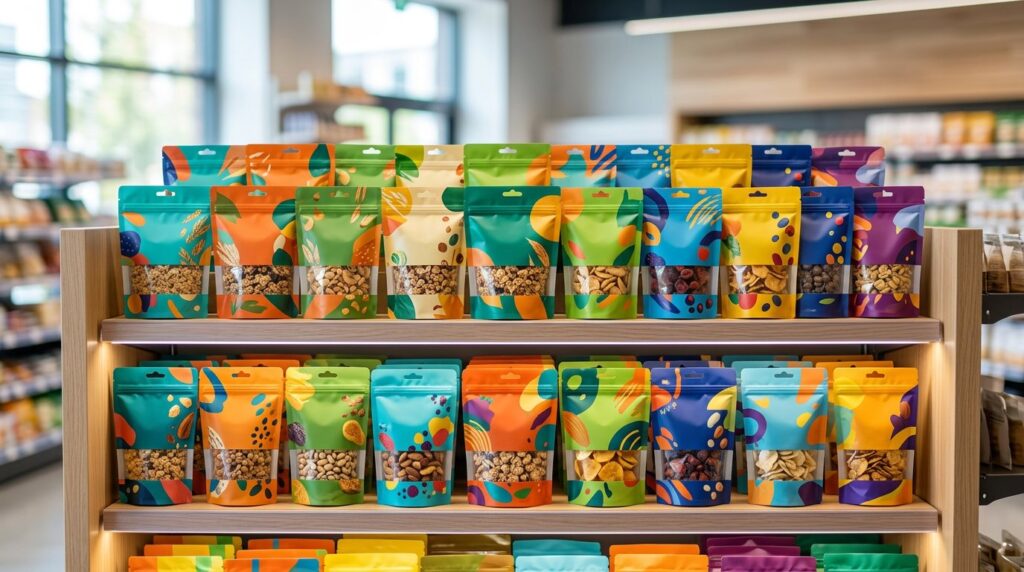
Flexible food packaging has become a staple of modern grocery retail, and for good reason. It is lightweight, versatile, and highly effective at keeping food fresh, while offering food brands a level of design freedom that rigid containers simply cannot match. If you run a food company, whether you sell snacks, granola, jerky, frozen meals, or coffee, flexible packaging is likely the best fit for your product. This guide explains what flexible food packaging is, the main types available, the key benefits, and how to choose the right option for your brand.
What Is Flexible Food Packaging?
Flexible food packaging refers to bags, pouches, and films made from materials that bend and conform to the product inside. This category includes stand-up pouches, lay-flat pouches, and rollstock film used on form-fill-seal machines. Unlike rigid containers such as cans, jars, or boxes, flexible packaging is constructed from thin layers of film that provide protection while remaining lightweight and compact.
The material is usually a combination of layers, often including barrier films that block oxygen and moisture. These layers work together to protect the food from the conditions that cause spoilage. Because the packaging is printed and formed around the product, it also uses space efficiently and reduces shipping weight compared to harder containers.
Most Common Types of Flexible Food Packaging
Food brands have several formats to choose from, and each one suits a different product. The most common options include:
- Stand-up pouches. A self-standing, versatile pouch that holds its shape on a shelf. These are ideal for nuts, trail mix, granola, baking mixes, and other products that benefit from a strong presence at retail. They offer a large printable area and a stable base, which makes them a favorite for consumer brands.
- Lay-flat pouches. A sleek, space-efficient format that lies flat, making it well suited to single servings or compact storage. This style works especially well for chips, crackers, and other snack-sized items.
- Rollstock film. A continuous roll of printed film used on high-speed form-fill-seal lines. It creates pillow packs or stick packs with great precision, which makes it the go-to choice for large-volume production. It is a favorite for coffee, frozen foods, and portion-controlled items.
Choosing the right format depends on the product’s volume, shape, and shelf-life needs, along with how you plan to fill and seal the package.
Key Benefits of Flexible Packaging
Flexible packaging offers several advantages that explain its popularity across the food industry. For food brands, the benefits go well beyond looks.
- Extended freshness. High-barrier films protect food from oxygen and moisture, which helps keep snacks crisp, coffee aromatic, and frozen meals fresh for longer.
- Strong shelf appeal. The full printable surface lets a brand command attention in a crowded aisle. Vivid graphics and clear branding build trust and recognition with shoppers.
- Product protection and convenience. Features like resealable zippers, tear notches, and rounded corners make packages easy to open, close, and store, supporting portion control and freshness after opening.
- Reduced shipping weight. Because flexible films are much lighter than rigid containers, they lower shipping and storage costs and take up less warehouse space.
- Cost efficiency. Flexible packaging often requires less material than rigid alternatives, which can reduce overall packaging costs while still delivering strong performance.
Taken together, these benefits make flexible packaging a practical, cost-effective choice for both emerging and established food brands.
What to Look for When Choosing Food Packaging
Not all flexible packaging is created equal, so it pays to evaluate a few key factors before you commit. First, consider the barrier requirements of your food. Products high in fat, such as nuts or jerky, need strong protection from oxygen and light, while dry snacks rely more on moisture barriers. The material you choose should match what your product actually needs.
Next, think about the use experience. Will customers reseal the bag? Do you want a tear notch for easy opening? What print finish best reflects your brand? These small details shape how shoppers perceive and use your product, so they matter far more than they may appear.
Sustainability is another growing priority. Recyclable films and post-consumer recycled materials allow brands to reduce environmental impact without sacrificing protection. Many suppliers now offer options that combine high performance with lower environmental footprint, so you no longer have to choose between the two.
Finally, consider production flexibility. Digital printing allows a supplier to print multiple designs in a single run, which is especially useful for flavor variants, seasonal releases, or small-batch launches. This reduces the need for large minimum order quantities and keeps turnaround times short, so you can respond quickly to demand.
How the Printing Process Affects Your Packaging
The way your design gets printed onto the package has a real impact on quality and turnaround. Traditional flexographic printing requires plates and long setup, which works best for large, consistent orders. Digital printing, by contrast, places the design directly onto the material, allowing for multiple SKUs in a single run, lower minimum volumes, and faster production.
Direct-to-package printing also removes the need for separate labels, which saves time and labor while giving a polished retail look. This is especially helpful for small and mid-sized brands that want professional quality without the long lead times of traditional methods.
Choosing a Flexible Packaging Partner
The right supplier plays a big role in your packaging success. Look for a partner that offers food-safe, approved materials, a range of formats to match your product, and the ability to print custom designs with reasonable minimums. Fast turnaround and short lead times are valuable when demand fluctuates or you launch new products.
A good supplier will also help you understand barrier requirements, choose sustainable options, and get your packaging right the first time. Whenever possible, ask about material certifications and how the films perform for your specific food type, so you have confidence in the protection and safety of the finished package.
Frequently Asked Questions
What is flexible food packaging?
Flexible food packaging is a category of bags, pouches, and films made from thin, bendable materials that conform to the product. It includes stand-up pouches, lay-flat pouches, and rollstock, and provides lightweight protection and strong shelf appeal for a wide range of food products.
Which flexible packaging is best for snacks?
Lay-flat pouches are a popular choice for chips, crackers, and snack-sized items because they are lightweight and space-efficient. Stand-up pouches work well for trail mix, granola, and nut blends that need a stable base and strong shelf presence. Your choice depends on portion size and the product’s volume.
What is the difference between stand-up and lay-flat pouches?
A stand-up pouch has a gusseted base that allows it to stand upright on a shelf, making it ideal for retail display and larger volumes. A lay-flat pouch lies flat and is more compact, which suits single-serve items and efficient storage, while offering a slightly different retail presentation.
What materials keep food fresh in flexible packaging?
High-barrier films that block oxygen and moisture are key to extending product freshness. Many flexible packaging designs combine multiple layers to protect food from air, light, and humidity, keeping items like coffee, jerky, and frozen meals at their best.
Are flexible food pouches safe for food?
Yes, when made from approved food-grade materials. Reputable suppliers use substrates that meet food-safety standards and are designed specifically for food applications. Choosing a supplier that uses certified food-safe films is important for compliance and consumer trust.
Is flexible food packaging recyclable?
Many flexible packaging options are now recyclable, including recyclable polyethylene films and those made from post-consumer recycled content. Recyclability depends on the exact material structure and the facilities available in your area, so check with your supplier about the best option for your product and region.
Conclusion
Flexible food packaging is a smart, versatile choice for food brands that want to protect their product, stand out on the shelf, and manage costs. From stand-up pouches and lay-flat bags to rollstock for high-volume lines, the format you choose should match your product, its shelf-life needs, and how it is filled and sealed. Barrier performance, convenience features, sustainability, and production flexibility all deserve careful attention. When you choose a reliable packaging partner that offers quality materials, fast turnaround, and the freedom of digital printing, you can build packaging that does more than hold your food. It protects your product, strengthens your brand, and supports the story you want customers to remember.