
Technology used to live inside a dedicated computer room at the office or sit on a desk waiting for someone to switch it on. Today,...
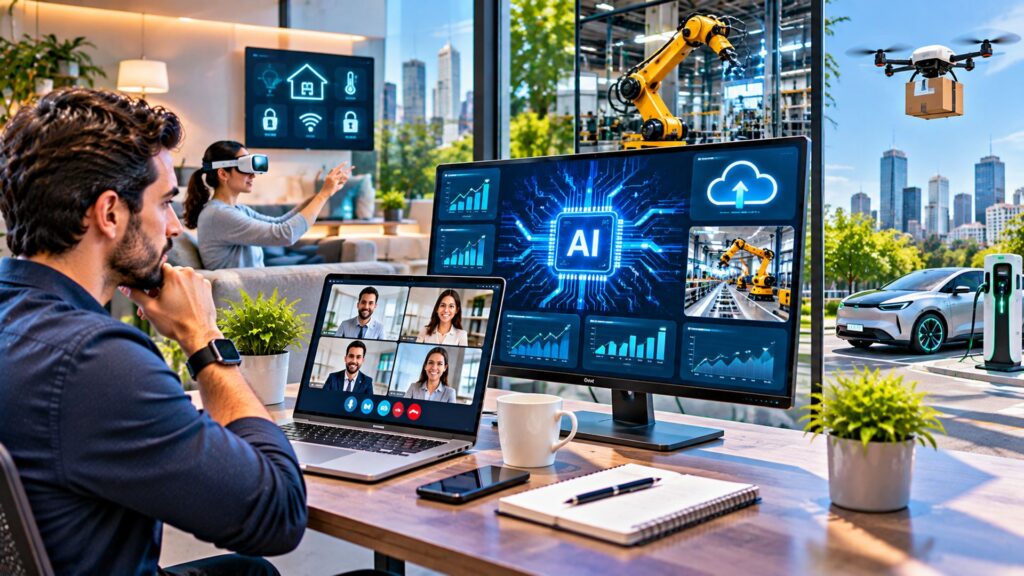
Technology used to live inside a dedicated computer room at the office or sit on a desk waiting for someone to switch it on. Today, connected tools quietly shape nearly every part of daily life, from how families manage household schedules and healthcare appointments to how companies serve clients across different time zones.
As automation, cloud computing, and intelligent software become part of everyday routines, the boundary between personal convenience and professional productivity continues to blur. Preparing for what comes next means understanding how these tools work together and building habits that keep both home life and business operations running smoothly.
Smarter Homes and Everyday Convenience
Modern household technology focuses on giving people back their time. Smart thermostats learn family routines to cut energy waste, connected security cameras send instant mobile alerts while parents are on the school run, and cloud-based calendars sync shopping lists, after-school clubs, and travel plans across every phone in the house.
Even everyday errands look different. Telehealth platforms allow patients to consult doctors from their living rooms, while digital banking and automated bill management eliminate trips to local branches. Behind all of these conveniences sits reliable cloud infrastructure that keeps personal files, family photos, and essential services accessible whenever they are needed.
The Rise of Flexible, Location-Independent Work
Nowhere is technological change more visible than in how and where people earn a living. Rigid nine-to-five office attendance has given way to hybrid schedules, remote teams, and independent consulting. Employees can collaborate on shared documents, join video meetings, and review live project dashboards from a home study, a local cafe, or a regional coworking space.
For growing enterprises in fast-moving commercial hubs, supporting this flexibility requires more than handing out laptops. Organizations increasingly partner with specialists offering managed cloud services in Miami to keep remote connections fast, safeguard sensitive customer data with end-to-end encryption, and ensure critical business applications stay online around the clock. When local hardware maintenance and disaster recovery are handled proactively, teams can focus on creative problem-solving instead of troubleshooting slow servers.
How Daily Routines Have Evolved
| Area of Life | Traditional Approach | Technology-Enabled Approach |
| Workplace Location | Fixed desks tied to local office servers and paper files | Hybrid and remote access powered by secure cloud workspaces |
| Team Collaboration | Sequential email chains and in-person status meetings | Real-time co-editing, instant messaging, and asynchronous video updates |
| Healthcare and Errands | In-person appointments and physical paperwork | Virtual consultations, digital records, and mobile self-service |
| Learning and Upskilling | One-time degrees or occasional classroom workshops | On-demand online courses, micro-learning, and interactive simulations |
Why Human Skills Still Anchor a Digital World
While software handles routine scheduling, data sorting, and repetitive administrative tasks, human judgment remains the true differentiator in modern workplaces. Technology amplifies what people can accomplish, yet organizations still rely on empathy, clear communication, and adaptable thinking to turn raw data into meaningful decisions.
According to research from the International Labour Organization on emerging digital technologies, regions that combine digital tools with strong cognitive, communication, and project management skills see the greatest employment gains from technological change. Rather than replacing human workers, new platforms reward professionals who pair digital fluency with problem-solving and teamwork.
Three Habits to Stay Ready for What Comes Next
- Keep Digital Life Organized: Store important personal and work documents in encrypted, backed-up cloud folders rather than scattering files across single devices that can break or get lost.
- Prioritize Privacy and Account Security: Use unique passwords, multi-factor authentication, and regular software updates across every phone, tablet, and laptop in your household.
- Treat Learning as a Weekly Habit: Set aside even thirty minutes a week to explore a new productivity tool, workflow automation, or digital skill so emerging technology feels empowering rather than overwhelming.
Technology will keep evolving faster each year, but adapting to it does not require chasing every passing gadget. By embracing reliable cloud tools, protecting personal and business data, and investing in lifelong curiosity, individuals and organizations alike can step into the future with confidence.