
Antique earrings offer something modern jewellery cannot manufacture on demand: a tangible connection with the people, craftsmanship and visual culture of another period. A pair can...
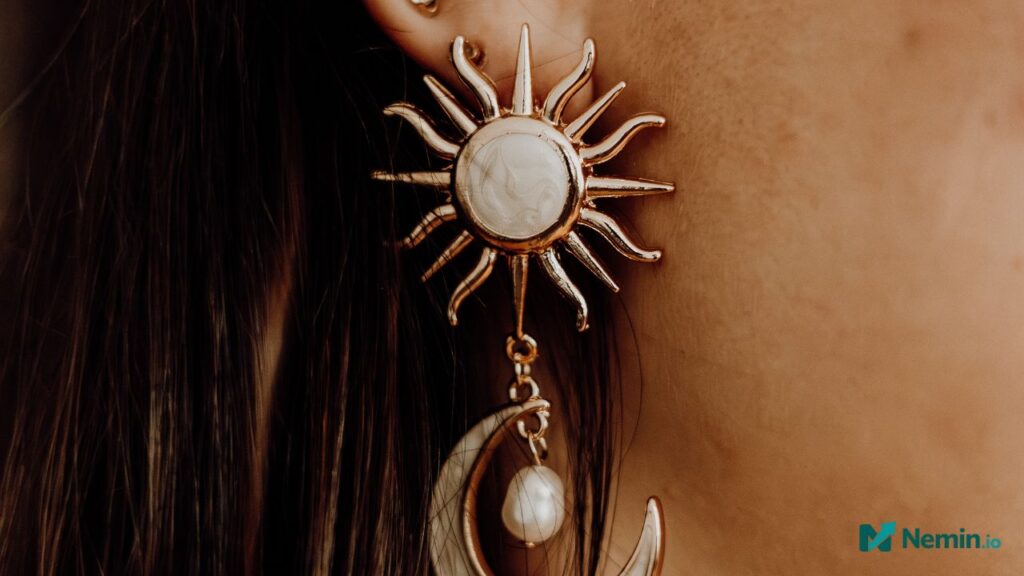
Antique earrings offer something modern jewellery cannot manufacture on demand: a tangible connection with the people, craftsmanship and visual culture of another period. A pair can preserve hand-cut gemstones, old metalworking methods, historic motifs and subtle traces of wear accumulated long before it reached its current owner. That combination of beauty and history is why older jewellery can feel more personal than an object chosen solely because it follows today’s trends.
Shopping for Antique earrings also requires more knowledge than simply finding a design that looks old. Age descriptions are sometimes used loosely, repairs can complicate originality, reproduction jewellery can convincingly borrow historical styles, and gemstones may have been replaced during decades of ownership. Understanding periods, construction, hallmarks, condition and provenance can make collecting more rewarding while reducing the risk of paying an antique premium for a much newer piece.
What Are Antique Earrings
In jewellery and collectibles markets, antique commonly refers to an object that is at least 100 years old. That convention means the exact calendar years qualifying as antique naturally move forward over time.
Vintage is generally used more broadly for older jewellery that has not necessarily reached the century mark. The word can describe pieces from many twentieth-century decades, though sellers do not always apply it consistently.
Antique earrings should therefore have genuine age rather than merely an old-fashioned design.
A newly manufactured pair inspired by Victorian jewellery can be attractive and well made, but it is Victorian-style, revival or reproduction jewellery rather than an original nineteenth-century antique.
Antique Earrings Versus Vintage Earrings
The distinction matters commercially because authentic age can influence collectability and value.
For example, earrings produced in the Art Deco period of the 1920s may now fall around the threshold at which some pieces qualify as antiques, depending on the exact production year. Jewellery from the 1950s remains vintage rather than antique under a 100-year convention.
When buying Antique earrings, ask the seller for an estimated date rather than relying only on the category name.
An informed dealer should be able to explain what features support that dating, even when an exact year is impossible to establish.
Why Antique Earrings Remain So Appealing
Jewellery is unusually capable of surviving generations because precious metals and many gemstones can last far longer than clothing, furniture or everyday domestic objects.
Earrings also reflect changes in fashion closely. Their length, fastening mechanism, motifs and materials can reveal something about hairstyles, clothing and technology from the era in which they were made.
This makes Antique earrings miniature historical documents as well as personal accessories.
They can be worn, collected, researched and eventually passed to another owner, creating a continuing story rather than a fixed museum object.
7 Reasons Antique Earrings Continue to Captivate Collectors
The attraction is partly visual, but appearance alone does not explain why collectors search for specific periods or construction details.
1. Antique Earrings Preserve Historic Craftsmanship
Many older jewellery techniques required substantial work by hand.
Goldsmiths and silversmiths formed settings, applied decorative elements and finished surfaces with tools very different from today’s highly automated manufacturing systems. Gemstones may also display cutting styles associated with earlier periods.
This does not mean every old earring was handmade completely or that historical manufacturing was inherently superior.
Mechanisation played important roles in jewellery production during several periods.
The appeal of Antique earrings comes from seeing how craftspeople worked with the techniques available at the time.
2. Every Pair Can Carry a Unique History
A modern mass-produced pair can be replaced with an identical item. Older jewellery often feels less replaceable.
Even where the original design was produced in quantity, wear, repair, patina and provenance can make surviving examples distinct.
Antique earrings may have passed through several generations, changed countries or been adapted as fashions changed.
Unless documentation survives, specific ownership stories should not be invented. An attractive pair of Victorian earrings does not automatically have a dramatic aristocratic provenance.
Historical romance is enjoyable, but evidence still matters.
3. Antique Earrings Reflect Distinctive Design Eras
Historic jewellery was influenced by politics, archaeology, naturalism, technology and changing social tastes.
Victorian designs can range from sentimental motifs to bold archaeological revival forms. Art Nouveau jewellery often embraced flowing natural shapes, while Art Deco moved toward geometry and stronger visual structure.
These differences give buyers meaningful stylistic choices.
Someone attracted to delicate botanical shapes may prefer one period, while another collector may be drawn toward the symmetry and contrast of later designs.
4. Older Jewellery Can Offer Details Rarely Seen in Mass Production
Unusual gemstone cuts, enamel techniques, hand engraving and delicate metalwork can give older pieces distinctive character.
Modern makers can reproduce many of these techniques, but doing so can be labour intensive.
Antique earrings allow collectors to encounter original examples within their historical context.
Small irregularities can sometimes be part of their character, though poor workmanship should not automatically be romanticised as handmade authenticity.
Quality varies in every era.
5. Antique Earrings Can Be More Individual Than Trend Jewellery
Current fashion often produces concentrated trends. Once a particular shape becomes popular, similar earrings can appear throughout the market.
Historical jewellery draws from many periods simultaneously.
A person can wear Georgian-style drops one day and geometric early twentieth-century earrings another without depending on the current retail season.
This can make Antique earrings especially appealing to people building a personal style rather than following one dominant trend.
6. Antique Earrings Can Support Circular Consumption
Purchasing an existing piece keeps jewellery already in circulation rather than commissioning an entirely new object.
That can be a meaningful form of reuse.
It would be too simplistic, however, to describe all Antique earrings as automatically sustainable. Historical mining impacts already occurred, and restoration, transportation and packaging still have environmental footprints.
Their strongest environmental advantage is longevity. Jewellery that remains wearable for a century demonstrates an unusually long product life.
7. Antique Earrings Can Become Heirloom Pieces
Jewellery naturally lends itself to intergenerational ownership.
A well-maintained antique pair can potentially continue being worn for many years, depending on condition and material stability.
This gives ownership an emotional dimension beyond resale value.
Antique earrings acquired today may eventually become part of another family’s story, extending an object’s history rather than ending it with one collector.
Understanding Major Antique Jewellery Periods
Dating jewellery is rarely as simple as matching it with an online photograph.
Styles overlap, revival movements reproduce earlier motifs and jewellery can be altered later.
Nevertheless, broad design periods provide useful context.
| Period or movement | Approximate context | Common visual tendencies | Important note |
|---|---|---|---|
| Georgian | 1714 to 1830 in Britain | Handmade settings, foiled stones, ornate metalwork | Genuine examples are relatively scarce |
| Victorian | 1837 to 1901 | Sentimental, naturalistic, revival and mourning designs | Styles changed greatly during the reign |
| Art Nouveau | Roughly 1890 to 1910 | Flowing lines, plants, insects and feminine forms | Enamel and organic imagery can be prominent |
| Edwardian | Roughly 1901 to 1910 in Britain | Delicate platinum work and light designs | Period labels can overlap internationally |
| Art Deco | Mainly 1920s and 1930s | Geometry, contrast and symmetry | Not every Deco-style piece is yet an antique |
Dates are useful frameworks rather than perfect global boundaries.
Georgian Antique Earrings
Georgian jewellery is highly sought after because comparatively fewer pieces survive in original condition.
Techniques and designs varied substantially across more than a century, so Georgian should never be treated as one uniform aesthetic.
Collectors may encounter closed-back gemstone settings, foil-backed stones and intricate metalwork.
Genuine Georgian Antique earrings require careful handling. Alteration during later periods was common because owners often remodelled older jewellery to suit contemporary fashion.
A specialist assessment can be particularly valuable before purchasing expensive Georgian pieces.
Victorian Antique Earrings
The Victorian period offers enormous variety.
Queen Victoria’s long reign coincided with changing technologies, expanding global trade and evolving fashions. Jewellery could be romantic and floral, heavily symbolic, archaeological in inspiration or associated with mourning.
Gold, silver, gemstones, enamel and organic materials all appeared in different contexts.
Victorian Antique earrings can therefore range from understated everyday designs to elaborate dangling forms.
Buyers should avoid simplistic rules claiming that every black Victorian jewel was mourning jewellery. Historical usage was more varied.
Art Nouveau Antique Earrings
Art Nouveau rejected some rigid historicism in favour of sinuous lines and natural forms.
Flowers, insects, women’s profiles and flowing shapes became important visual themes.
Jewellers also experimented with materials selected for colour and artistic effect rather than preciousness alone.
Enamel became particularly significant in some Art Nouveau work.
Antique earrings from this movement can resemble tiny wearable artworks.
Because Art Nouveau is frequently reproduced, style alone is not enough to prove age.
Edwardian Antique Earrings
Edwardian jewellery is frequently associated with delicacy and lightness.
Advances in platinum working allowed fine settings that could hold diamonds and other stones while creating a lace-like appearance.
This aesthetic contrasts strongly with many heavier Victorian designs.
Edwardian Antique earrings can be elegant choices for formal wear because their fine proportions often integrate naturally with modern evening clothing.
As always, construction and provenance should support the proposed date.
Art Deco Earrings and the Antique Threshold
Art Deco developed strongly after the First World War and became associated with geometric design, symmetry and modernity.
Diamonds, coloured gemstones, platinum and contrasting materials were frequently used in fine jewellery.
Because the 1920s are now more than a century ago, early Art Deco earrings can qualify as antiques under the common 100-year definition. Later Art Deco pieces remain below that threshold for now.
This moving boundary is why sellers should provide actual estimated dates rather than relying entirely on the label Antique earrings.
Materials Commonly Found in Antique Earrings
Historical earrings can incorporate an enormous range of materials.
Precious metals such as gold and silver are familiar, while platinum became increasingly important around the turn of the twentieth century.
Gemstones can include diamonds, sapphires, rubies, emeralds, garnets, turquoise and many others.
Pearls, coral, jet, enamel, glass and other materials also appear.
Some historical organic materials are subject to modern trade restrictions or ethical concerns, making legal provenance important when buying or transporting certain Antique earrings internationally.
Gold Antique Earrings
Gold has been valued in jewellery partly because it resists corrosion and can be worked into detailed forms.
Historical gold purity varies according to region, period and manufacturing practice.
Colour can also differ. Rose, yellow and other gold tones arise from alloy composition rather than age itself.
Do not judge gold purity visually.
Hallmarks, testing and specialist assessment provide stronger evidence.
Antique earrings can also contain later replacement components made from different gold alloys.
Silver Antique Earrings
Silver develops tarnish through chemical reactions with environmental substances.
Some collectors appreciate controlled patina because it emphasises detail, while excessive tarnish can obscure design.
Aggressive polishing can remove metal and soften engraving over time.
Cleaning Antique earrings made from silver should therefore be conservative, particularly when stones, enamel or delicate settings are present.
A professional jeweller familiar with antiques can advise when home cleaning might create risk.
Platinum in Older Earrings
Platinum’s strength allowed jewellers to create fine settings capable of holding stones with relatively delicate metal structures.
It became especially associated with late nineteenth and early twentieth-century fine jewellery.
Platinum can appear visually similar to certain white metals, so colour alone does not establish composition.
If Antique earrings are valuable, professional metal identification can be worthwhile before purchase or repair.
Gemstone Cuts as Dating Clues
Gemstone cutting styles changed with technology and taste.
Old mine cuts, old European cuts and other historical forms can help specialists evaluate age.
However, an old-cut diamond does not automatically prove that the surrounding earring is equally old.
Older stones can be reset into later jewellery, and modern cutters can intentionally produce antique-style cuts.
Gemstones are one piece of dating evidence rather than a complete answer.
Pearls in Antique Earrings
Pearls have been used for centuries, but determining whether historical pearls are natural, cultured or imitation can require specialist analysis.
Cultured pearl production transformed the jewellery market during the twentieth century.
A seller describing valuable Antique earrings as containing natural pearls should ideally provide credible gemmological support when that classification materially affects price.
Visual inspection alone is not always sufficient.
Hallmarks on Antique Earrings
Hallmarks can provide valuable information about metal fineness, assay location, maker and date depending on the country and marking system.
Not every antique piece is hallmarked.
Small earrings may have limited space for marks, and some jurisdictions historically used different standards.
Marks can also wear over time.
A missing hallmark therefore does not automatically prove an item is fake, just as the presence of a stamp does not by itself guarantee authenticity.
Counterfeit or misleading marks exist.
How Experts Date Antique Earrings
Professionals usually combine several clues.
They examine materials, construction, fastenings, gemstone cuts, hallmarks, wear patterns and design vocabulary. Provenance can add further context.
No single clue should dominate when the evidence conflicts.
For example, a Victorian-looking earring with clearly later fittings may have been converted, repaired or reproduced.
Antique earrings frequently have complex histories, and an accurate description may acknowledge later alterations rather than pretending everything remains completely original.
Earring Fastenings as Historical Clues
Screw backs, hooks and other fastening mechanisms can assist dating, but they are not definitive.
Findings are vulnerable to damage and have often been replaced for safety or comfort.
A modern post on an old earring does not necessarily destroy all historical value.
It does mean the item should not be described as completely original without qualification.
Collectors differ in how much they value original fittings versus wearability.
Reproduction Versus Genuine Antique Earrings
Reproductions can be beautiful.
The problem arises only when a newer item is represented as substantially older than it is.
Modern jewellery makers intentionally recreate Georgian, Victorian and Art Deco aesthetics using both traditional and contemporary methods.
Buyers should look for honest descriptions.
A new Victorian-inspired pair should be priced and understood as revival jewellery rather than authenticated nineteenth-century Antique earrings.
Vintage Versus Antique Versus Antique Style
These terms are frequently blurred in online marketplaces.
A simple distinction helps.
Antique generally indicates at least 100 years of age. Vintage describes older jewellery that may be younger than a century. Antique style or reproduction describes newer jewellery designed to resemble historical work.
None is automatically better.
Problems occur when a seller uses one category to imply age that the object does not actually possess.
Provenance and Why It Matters
Provenance is the documented ownership or history of an object.
Strong provenance can support authenticity and potentially increase collector interest.
Documentation might include old invoices, auction records, photographs or family records.
Stories without evidence are not the same as provenance.
If a seller claims that Antique earrings belonged to a famous person or historically important family, documentation should support that claim.
Extraordinary provenance deserves more than verbal assurance.
Antique Earrings and Authenticity
Authentication is a specialist task, particularly at higher price levels.
Online photographs can help identify obvious inconsistencies but have limitations.
Metal composition, gemstone treatment and subtle construction details can require magnification or laboratory analysis.
For expensive Antique earrings, purchasing from an established dealer, auction specialist or jeweller with a clear return policy can reduce risk.
Independent appraisal can provide additional confidence.
How Condition Affects Antique Earrings
A century-old object will not necessarily look new.
Minor wear can be compatible with genuine age. Significant cracks, damaged settings, missing stones or extensive previous repairs can affect both durability and value.
Condition should be interpreted relative to age and rarity.
A scarce Georgian pair with careful historic repair may remain highly desirable, while severe modification could make another pair less attractive to collectors.
Honest condition reports are therefore important.
Repairs Are Not Automatically Bad
Jewellery is designed to be worn, and repairs often allow older pieces to survive.
Professional restoration can preserve functionality and prevent further damage.
The question is whether repairs are sympathetic and disclosed.
Poor soldering, replacement stones or altered proportions can reduce desirability.
When considering Antique earrings, ask which components are original and what work has been performed.
A trustworthy seller should not treat reasonable questions about restoration as an inconvenience.
How to Inspect Antique Earrings Before Buying
Begin with the overall pair.
Do the earrings match naturally, or are there unexplained differences in metal colour, wear or construction? Genuine age can create small variation, but large inconsistencies deserve explanation.
Then inspect the fastenings and stone settings.
Look for obvious cracks, loose elements or missing decorative work.
For high-value Antique earrings, professional assessment is preferable to relying exclusively on a buyer’s visual inspection.
Antique Earrings and Gemstone Treatments
Gemstones may have been treated to improve colour or clarity.
Some treatment methods have long histories, while others are more modern.
A valuable antique setting does not guarantee an untreated stone.
Similarly, stones may have been replaced during repair.
Where gemstone identity or treatment significantly affects value, request an appropriate gemmological report.
The report should come from a credible laboratory rather than a certificate created solely by the seller.
Styling Antique Earrings With Modern Clothing
Historical jewellery does not require historical clothing.
In fact, contrast often makes older pieces easier to appreciate.
Ornate drops can stand out against a minimalist black dress, while small Victorian earrings can add detail to denim and knitwear.
Antique earrings also work well with tailored modern clothing because clean silhouettes give intricate jewellery room to be noticed.
The objective is not to recreate a costume.
It is to integrate an object from another period into a contemporary wardrobe.
Antique Earrings for Formal Events
Fine antique jewellery can provide individuality at weddings, dinners and formal celebrations.
Diamonds, pearls and delicate metalwork naturally complement evening clothing.
Check fastenings before wearing valuable pieces for long events.
Historic hooks or screw mechanisms can loosen through wear, and a preventive jeweller inspection may be worthwhile.
A beautiful pair of Antique earrings has little value if one is lost because a worn component was overlooked.
Wearing Antique Earrings Every Day
Some pairs are robust enough for regular wear.
Others are too delicate.
Small solid gold earrings may tolerate ordinary use better than elaborate pieces with fragile enamel, foil-backed stones or vulnerable dangling components.
Age alone does not determine durability.
Ask a knowledgeable jeweller whether the construction is suitable for your intended frequency of wear.
Reserve especially delicate Antique earrings for occasions where they face less physical exposure.
Matching Antique Earrings With Necklaces
Matching historical sets can be rare.
There is no need to force an exact match.
Jewellery can coordinate through metal colour, gemstone family, era or visual weight.
If Antique earrings are particularly ornate, a simple necklace may produce a more balanced appearance.
Conversely, subtle studs or drops can comfortably accompany a stronger necklace.
Modern styling gives collectors freedom historical wearers may not have used.
Mixing Antique and Contemporary Jewellery
Mixing periods can create a highly personal collection.
An antique gold earring can work beside a modern gold chain or ring when proportions and colours complement one another.
Exact metal matching is not essential.
Variation can make jewellery feel collected over time.
The key is protecting delicate Antique earrings from harder modern jewellery that could rub or scratch them during storage.
Antique Earrings for Bridal Jewellery
Older earrings can serve as meaningful wedding pieces because they naturally embody the concept of continuity.
Family heirlooms are especially significant.
If a pair has been inherited, have the fastenings and settings inspected well before the wedding rather than immediately beforehand.
Professional cleaning may also improve appearance, but aggressive restoration can remove desirable patina or damage sensitive materials.
Preservation should take priority over making every antique surface look newly manufactured.
How to Clean Antique Earrings Safely
There is no universal cleaning method.
Gold, silver, enamel, pearls, opals and foil-backed stones all respond differently to moisture and chemicals.
Ultrasonic cleaning can be inappropriate for various gemstones, settings and historical constructions.
Soaking an unknown antique pair is therefore risky.
For valuable Antique earrings, professional cleaning by someone familiar with historical jewellery is the safest approach.
At home, use only methods suitable for the confirmed materials.
Why Harsh Jewellery Cleaner Can Be Dangerous
Commercial cleaners are not universally compatible with every gemstone and metal finish.
Some can damage porous stones, enamel or intentionally oxidised surfaces.
They can also affect old adhesives if those are present.
Never select cleaner based solely on the visible colour of Antique earrings.
Identify the materials first.
When uncertain, doing less is usually safer than attempting dramatic restoration.
Storing Antique Earrings
Store pairs so that they do not rub against other jewellery.
Soft individual pouches or compartmented jewellery boxes can protect surfaces.
Very delicate earrings should not sit beneath heavier pieces.
Humidity, excessive heat and chemical exposure can affect certain materials.
Keep Antique earrings away from perfume, hairspray and household cleaning products where practical.
For valuable collections, professional advice about storage and insurance may also be appropriate.
Travelling With Antique Earrings
High-value antique jewellery should be packed securely and remain under personal control where possible.
Avoid placing irreplaceable pieces in checked luggage.
Insurance coverage can have travel conditions or limits, so review the relevant policy before departure.
International travel can also create customs or wildlife-material restrictions for certain historic organic materials.
Confirm legal requirements before transporting Antique earrings containing potentially regulated materials across borders.
Antique Earrings and Sustainability
Buying existing jewellery is a form of reuse.
A piece that has already survived several generations can continue serving its original purpose without requiring a completely new object to be manufactured.
That said, environmental claims should remain measured.
Antique earrings can still require restoration, packaging and transport.
The strongest sustainability argument is longevity combined with continued use.
Caring properly for existing jewellery extends that advantage.
Are Antique Earrings a Good Investment
Some jewellery appreciates in value, but future prices are uncertain.
Value can depend on rarity, maker, materials, condition, provenance, fashion demand and broader market conditions.
Transaction costs also matter when buying through dealers or auctions.
Antique earrings should therefore not be promoted as guaranteed investments.
Buyers primarily interested in financial return should seek specialist advice and understand that collectible markets can rise or fall.
What Determines the Value of Antique Earrings
Age is only one factor.
An ordinary old pair can be less valuable than a younger piece from an important maker.
Value commonly reflects the interaction of materials, craftsmanship, rarity, condition, provenance and demand.
A useful framework is shown below.
| Value factor | Why it matters |
|---|---|
| Age | Establishes historical category |
| Maker | Recognised makers can attract stronger demand |
| Materials | Precious metals and gemstones influence intrinsic value |
| Rarity | Unusual surviving designs can be more collectible |
| Condition | Damage and poor restoration can reduce desirability |
| Originality | Original components can matter to collectors |
| Provenance | Documented history can add significance |
| Design quality | Exceptional craftsmanship can raise interest |
Professional valuation is advisable when meaningful sums are involved.
Antique Earrings at Auctions
Auctions can provide access to unusual jewellery and transparent competitive bidding.
Buyers should understand fees.
The hammer price may not be the final amount because buyer’s premiums, taxes, shipping and other charges can apply.
Read condition reports and request additional images when necessary.
For valuable Antique earrings, ask whether gemstones have reports and how the auction house arrived at the date attribution.
Do not let competitive bidding replace a predetermined budget.
Buying From Antique Jewellery Dealers
Established specialists can provide knowledge, condition information and after-sales support.
Ask how an item was dated and whether alterations have been identified.
A credible dealer should distinguish certainty from informed estimation.
Descriptions such as circa 1880 acknowledge that exact production dates may not be known.
This is normal in Antique earrings and preferable to false precision.
Buying Antique Earrings Online
Online marketplaces provide enormous selection but also substantial variation in seller expertise.
Look for clear photographs from several angles, measurements, metal information and detailed condition descriptions.
Read the return policy before purchasing.
If the listing relies primarily on phrases such as very old or antique-looking without an estimated date or supporting details, additional questions are justified.
Price should correspond with the certainty and evidence offered.
Counterfeit Hallmarks and Misleading Descriptions
Hallmarks can be copied.
Modern reproductions can also develop artificial patina intended to suggest age.
This is why Antique earrings should not be authenticated from one feature.
A specialist combines multiple forms of evidence and asks whether they are consistent.
If the style, metal marks, construction and gemstones all point toward different periods, the explanation may involve alteration, reproduction or incorrect attribution.
Converted Antique Earrings
Jewellery has often been transformed over time.
Dress clips, pendants and buttons can be converted into earrings, while old earrings can receive modern posts.
Converted jewellery can still be historically interesting and beautiful.
The important requirement is accurate description.
A pair created recently using Victorian components should not be represented as entirely original Victorian Antique earrings.
Collectors deserve to know what they are purchasing.
Antique Earrings and Sensitive Historical Materials
Some older jewellery can contain materials that are restricted in modern trade.
Examples can include certain ivory, coral, tortoiseshell or wildlife-derived materials depending on species, age, jurisdiction and documentation.
Rules can be complicated and differ across borders.
Do not assume that being antique automatically creates a legal exemption.
Before purchasing or travelling with such Antique earrings, obtain appropriate specialist and governmental guidance.
Questions to Ask a Seller
Good questions improve the buying process.
Ask for the estimated date, metal, gemstone identification, condition, known repairs and provenance.
Find out whether the earrings began life as earrings or were converted from another jewellery form.
For expensive Antique earrings, ask what documentation accompanies the sale.
A seller’s willingness to explain uncertainty can be a positive sign.
Common Antique Earrings Buying Mistakes
One common mistake is confusing antique style with genuine age.
Another is assuming every imperfection proves authenticity.
Buyers can also overpay because they become emotionally attached before researching comparable examples.
Condition should never be ignored.
A loose gemstone or fragile ear fitting can create immediate additional expense and risk.
Research first, then buy because you love the pair rather than because a listing creates artificial urgency.
Building an Antique Earring Collection
Collections do not need to begin with rare museum-level jewellery.
Start by identifying what genuinely interests you.
One collector might focus on Victorian gold, another on enamel and another on geometric early twentieth-century designs.
A focused interest makes research easier.
Over time, handling well-documented Antique earrings can also improve the ability to notice construction details and ask better questions.
Knowledge becomes part of the enjoyment.
Why Documentation Adds to the Experience
Keep invoices, appraisal reports, laboratory documents and known provenance together.
Photograph jewellery clearly for personal records and insurance purposes.
If the pair has a family history, write down what is genuinely known while relatives can still provide information.
Future owners of Antique earrings will appreciate documented facts much more than an impressive story whose source has been forgotten.
Restoring Antique Earrings
Restoration should be proportional.
Replacing a dangerous worn fitting can make jewellery wearable again. Excessive polishing or unnecessary replacement of original components can remove historical character.
Choose a jeweller experienced with antique pieces.
A technician accustomed only to modern jewellery may use methods inappropriate for old construction.
Before authorising work, ask what will be changed and whether the process is reversible.
Should Antique Earrings Look New
Usually, that should not be the objective.
Wear is part of an object’s history.
The goal is generally to make Antique earrings clean, stable and safe enough for their intended use while preserving as much significant original material as practical.
Collectors differ in their preferences for patina.
What matters is avoiding irreversible restoration performed solely to create a factory-new appearance.
A century-old object is allowed to look old.
The Emotional Appeal of Antique Earrings
Older jewellery can create a particularly intimate connection with history because it was made to be worn close to the body.
A pair may have accompanied previous owners through ordinary days, celebrations and major life events.
We often cannot know those individual stories.
That uncertainty can be part of the allure.
Antique earrings allow the present wearer to become one chapter in a much longer material history.
Why Antique Earrings Work in Modern Fashion
Good design does not necessarily expire when a fashion period ends.
Geometry from the Art Deco era can look striking with modern tailoring. Victorian drops can complement minimalist dresses, and simpler gold forms can disappear naturally into everyday outfits.
This flexibility prevents antique jewellery from becoming costume.
The wearer does not need to reproduce the original era.
A contemporary wardrobe can give Antique earrings a completely new context while respecting their history.
FAQ’s
How old do Antique earrings need to be?
Antique earrings are generally considered at least 100 years old. Because that threshold moves with time, asking for an estimated production date is more useful than relying on the word antique alone.
How can I tell whether Antique earrings are genuine?
Experts assess construction, hallmarks, materials, gemstones, wear and provenance together. For valuable pieces, use a reputable specialist rather than relying on one visual clue.
Can Antique earrings be worn every day?
Some robust pairs can handle regular wear, while delicate enamel, fragile settings or rare historical pieces may be better reserved for occasional use. Condition should guide the decision.
Are Antique earrings more valuable than vintage earrings?
Not automatically. Value depends on maker, rarity, materials, craftsmanship, condition, provenance and market demand as well as age.
How should Antique earrings be cleaned?
Cleaning depends on the confirmed metals, gemstones and construction. Avoid harsh chemicals and ultrasonic cleaning unless a knowledgeable professional confirms that they are safe for the specific pair.
Are Antique earrings a good investment?
Some pieces can appreciate, but prices are not guaranteed. Antique jewellery is better approached as a collectible and wearable object unless specialist investment advice supports another strategy.
Conclusion
Antique earrings captivate because they combine jewellery with history in an unusually personal form. Georgian craftsmanship, Victorian symbolism, flowing Art Nouveau lines and early Art Deco geometry reveal how ideas of beauty changed while precious materials allowed many pieces to survive. Their age can give them individuality that newly manufactured jewellery cannot reproduce simply by copying a historical silhouette.
Buying Antique earrings rewards careful research. Ask how a pair was dated, investigate hallmarks and repairs, verify significant gemstone claims and choose reputable specialists when the value justifies professional assessment. Once acquired, conservative cleaning, appropriate storage and sympathetic repair can preserve the earrings for another generation, allowing a small object from the past to remain part of living fashion rather than becoming only a relic of it.