
A koi pond is more than a decorative water feature. It is a carefully designed environment that needs reliable waterproofing, stable water conditions, and durable...
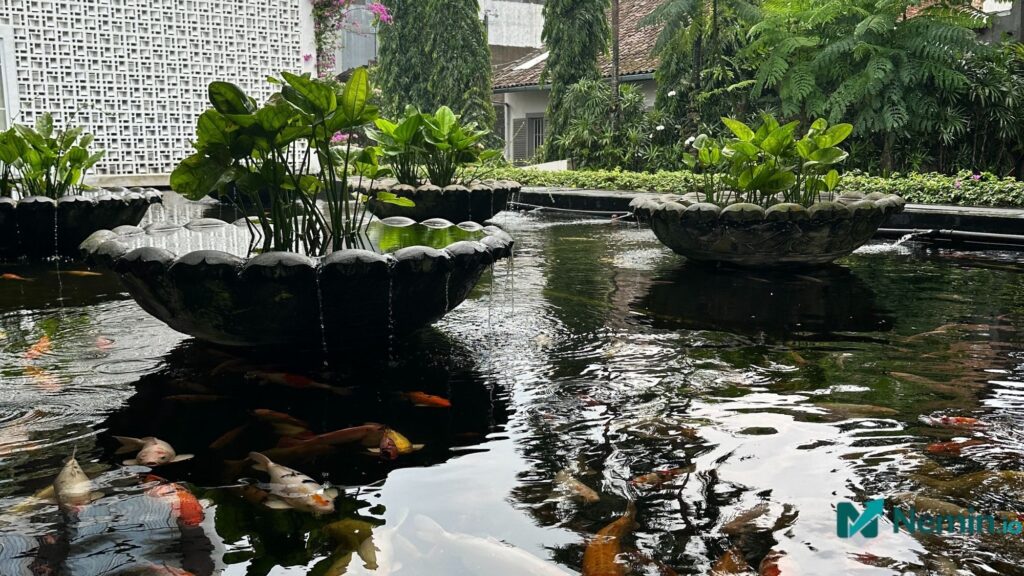
A koi pond is more than a decorative water feature. It is a carefully designed environment that needs reliable waterproofing, stable water conditions, and durable materials to support healthy fish. The right coating system helps prevent leaks, protects the pond structure, and creates a long-lasting surface that can handle constant water exposure. Choosing the right koi pond coating is an important step for homeowners, landscapers, and pond builders who want a strong and dependable aquatic space.
Traditional pond liners can develop issues over time, including tears, movement, and difficult repairs. Modern coating solutions provide a seamless protective layer that bonds with the pond surface and helps reduce common waterproofing problems.
Understanding how pond coatings work, what benefits they provide, and how to choose the right option can help you create a safer and more durable koi habitat.
What Is Koi Pond Coating?
A koi pond coating is a waterproof protective layer applied to the inside surface of a pond. Its main purpose is to prevent water loss, protect the underlying structure, and create a durable barrier between the pond materials and the water.
Unlike traditional flexible liners that sit separately inside a pond, many modern coatings create a bonded membrane that follows the shape of the pond. This allows the coating to cover curves, corners, drains, and unique designs without creating seams.
Common coating materials include:
- Polyurea coatings
- Epoxy coatings
- Rubber-based coatings
- Cement-based waterproof coatings
Among these options, spray-applied polyurea has become popular for custom koi ponds because it creates a continuous waterproof surface.
Why Koi Ponds Need a Protective Coating
Koi ponds experience constant water pressure and exposure. Over time, untreated surfaces may develop cracks, leaks, or structural problems.
A quality coating helps protect against:
- Water leakage
- Concrete deterioration
- Surface cracking
- Weather damage
- Chemical changes
- Long-term wear
Because koi ponds support living fish, the coating must also be suitable for continuous water contact.
Benefits of Using Koi Pond Coating
Creates a Seamless Waterproof Barrier
One of the biggest advantages of a professional pond coating is the ability to create a continuous waterproof layer.
Traditional liners often have:
- Seams
- Folds
- Connection points
- Areas where water can collect underneath
A seamless coating reduces these weak points by covering the entire pond surface evenly.
Improves Pond Durability
A properly applied coating helps strengthen the pond surface and provides protection against everyday environmental stress.
It can help the pond handle:
- Temperature changes
- Water pressure
- Ground movement
- Outdoor exposure
This makes the pond more reliable over many years.
Works With Custom Pond Designs
Many koi ponds include unique shapes, waterfalls, shelves, rocks, and curves. A coating system can follow these designs more easily than traditional materials.
This makes it suitable for:
- Large decorative ponds
- Natural-style koi ponds
- Backyard water gardens
- Custom landscape features
Reduces Maintenance Problems
Leaks and damaged liners can require expensive repairs. A durable coating system helps reduce maintenance needs by protecting the pond structure from common issues.
Regular cleaning and water management are still necessary, but a strong foundation makes ongoing care easier.
Understanding Polyurea Koi Pond Coating
Polyurea is a spray-applied coating material known for flexibility, strength, and fast curing properties. It forms an elastic membrane that can handle movement while maintaining waterproof protection.
For koi ponds, polyurea coatings are often selected because they provide:
- Seamless coverage
- Strong adhesion
- Flexibility around pond movement
- Resistance to constant water exposure
- Fast installation compared with some alternatives
A properly cured aquatic coating creates a stable surface designed for long-term immersion.
How Koi Pond Coating Is Applied
Step 1: Pond Surface Preparation
Preparation is one of the most important parts of the coating process.
The pond surface must be:
- Clean
- Dry
- Free from loose materials
- Properly repaired
Existing cracks, damaged areas, and weak surfaces should be addressed before applying the coating.
Step 2: Surface Repairs
Before coating, professionals inspect the pond structure and repair issues such as:
- Concrete cracks
- Uneven surfaces
- Damaged edges
- Drain connection problems
A coating protects the surface, but it does not replace proper structural repairs.
Step 3: Applying the Coating
The coating material is applied evenly across the pond surface.
Professional application focuses on:
- Consistent thickness
- Complete coverage
- Proper detailing around corners and fittings
Special attention is given to areas around:
- Bottom drains
- Water returns
- Skimmers
- Waterfall connections
Step 4: Testing and Filling the Pond
After curing, the pond should be inspected before adding fish.
Important steps include:
- Checking for possible leaks
- Cleaning the surface
- Testing water quality
- Allowing filtration systems to stabilize
This helps create a healthy environment before introducing koi.
Choosing the Right Koi Pond Coating
Selecting the right coating depends on several factors.
Consider Pond Size and Design
Small decorative ponds may require different solutions compared with large koi habitats.
Think about:
- Pond depth
- Surface area
- Shape complexity
- Water features
Check Water Compatibility
A koi pond coating should be designed for aquatic environments. Products intended only for general waterproofing may not be suitable for fish habitats.
Look for coatings designed for:
- Continuous water contact
- Aquatic applications
- Long-term immersion
Evaluate Durability
A good coating should withstand:
- Outdoor conditions
- Water pressure
- Temperature changes
- Regular pond maintenance
Durability is especially important because repairing a finished koi pond can be difficult.
Koi Pond Coating vs Traditional Pond Liners
Both coatings and liners can waterproof ponds, but they work differently.
Traditional Liners
Advantages:
- Easy installation for simple pond shapes
- Lower initial cost
- Widely available
Challenges:
- Can tear or puncture
- May shift over time
- Can create folds and seams
Coating Systems
Advantages:
- Custom-fit application
- Seamless surface
- Works with complex designs
- Strong connection with the pond structure
Challenges:
- Requires professional preparation
- Installation requires specialized skills
The best choice depends on the pond design, budget, and long-term goals.
Maintenance Tips After Applying Koi Pond Coating
A quality coating helps protect the pond, but regular maintenance remains important.
Maintain Proper Water Quality
Monitor:
- pH levels
- Water clarity
- Filtration performance
- Fish health
Inspect the Pond Regularly
Check for:
- Visible damage
- Surface changes
- Water loss
- Equipment issues
Keep the Pond Clean
Remove:
- Leaves
- Organic debris
- Excess algae
Good maintenance protects both the fish and the coating system.
Common Mistakes to Avoid
Using the Wrong Type of Coating
Not every waterproof coating is suitable for aquatic environments. Always choose a solution designed for ponds and water contact.
Ignoring Surface Preparation
Poor preparation can reduce coating performance. Cleaning and repairing the surface properly is essential.
Adding Fish Too Quickly
A newly coated pond needs proper preparation before introducing koi. Water quality should be stable first.
Neglecting Regular Maintenance
Even the strongest coating requires proper care to perform well over time.
FAQs
What is the best coating for a koi pond?
The best coating depends on the pond design and requirements. Many custom koi ponds use durable waterproof systems such as spray-applied polyurea because of their seamless protection.
Is koi pond coating safe for fish?
A properly selected and fully cured aquatic coating can be suitable for koi ponds. Always choose coatings designed specifically for water environments.
How long does koi pond coating last?
The lifespan depends on the coating material, installation quality, pond conditions, and maintenance practices.
Can koi pond coating repair leaks?
A coating can help prevent leaks by creating a waterproof barrier, but existing structural damage should be repaired before application.
Can coating be applied to an old concrete koi pond?
Yes, many older concrete ponds can be coated after proper cleaning, preparation, and repairs.
How long does koi pond coating take to install?
Installation time depends on pond size, surface condition, coating type, and curing requirements.
Why choose koi pond coating instead of a liner?
A coating provides a custom-fit seamless surface, while liners may have folds, seams, or movement issues depending on installation.
Conclusion
A durable waterproof surface is essential for creating a healthy and long-lasting koi pond. The right koi pond coating helps protect against leaks, improves structural durability, and supports a cleaner aquatic environment. Whether building a new pond or upgrading an existing one, choosing a suitable coating system and maintaining it properly can help create a beautiful water feature that remains reliable for years.