
The textile industry has experienced significant changes with the introduction of advanced digital printing solutions. A direct to fabric printer is one of the most...
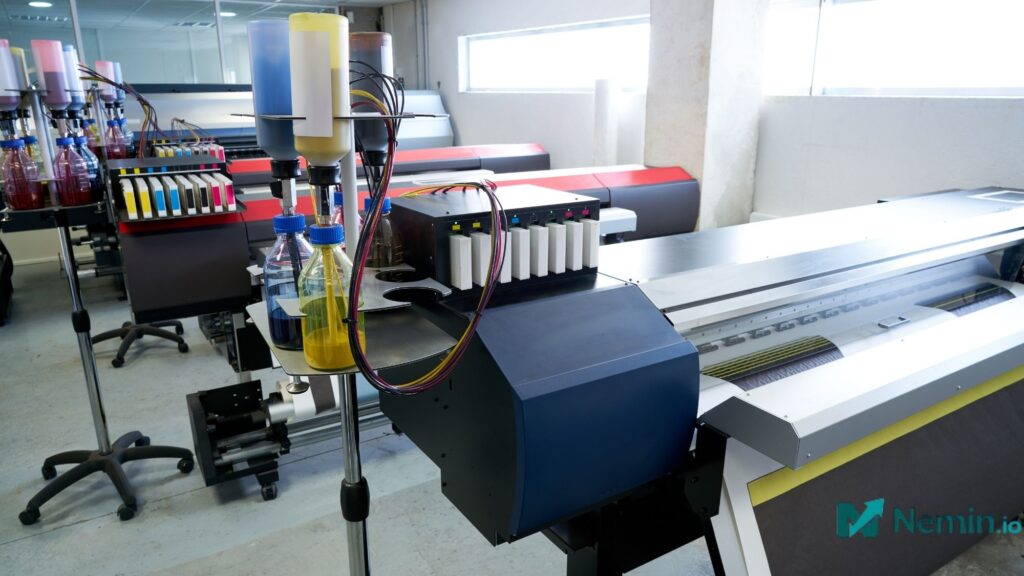
The textile industry has experienced significant changes with the introduction of advanced digital printing solutions. A direct to fabric printer is one of the most innovative technologies transforming how designers, manufacturers, and businesses create high-quality printed fabrics. Unlike traditional textile printing methods that often require multiple preparation steps, direct-to-fabric printing allows designs to be applied directly onto fabric materials with greater accuracy, flexibility, and efficiency.
As demand increases for customized textiles, sustainable production, and faster manufacturing processes, direct fabric printing technology has become an important solution for fashion brands, home décor companies, manufacturers, and creative professionals. Understanding how this technology works and its advantages can help businesses choose the right printing method for their textile needs.
What Is a Direct to Fabric Printer?
A direct to fabric printer is a digital textile printing machine designed to print patterns, images, and designs directly onto fabric. The printer uses specialized textile inks that penetrate and bond with fabric fibers, creating detailed and long-lasting prints.
Unlike older printing techniques that require screens, plates, or transfer papers, direct-to-fabric printers work through digital files. Users can upload artwork or designs directly into the printing system, allowing faster production and greater customization.
This technology is commonly used for materials such as:
- Cotton
- Polyester
- Silk
- Linen
- Rayon
- Blended fabrics
Direct fabric printing is widely used in industries including fashion, interior design, advertising textiles, sportswear, and custom manufacturing.
How Does a Direct to Fabric Printer Work?
A direct to fabric printer follows a digital printing process that converts creative designs into finished textile products.
Design Preparation
The process begins with creating or selecting a digital design file. Designers can use professional graphic design software to prepare patterns, images, or artwork.
The digital file controls:
- Colors
- Printing dimensions
- Pattern placement
- Image resolution
- Fabric coverage
Because the design is digital, changes can be made quickly without creating new printing materials.
Fabric Preparation
Before printing, fabric preparation is an important step. The fabric may require treatment to ensure the ink properly absorbs into the fibers.
Preparation helps improve:
- Color accuracy
- Ink absorption
- Print durability
- Overall quality
Different fabrics may require different preparation methods depending on their fiber structure.
Digital Printing Process
Once prepared, the fabric moves through the printing machine. The printer heads apply microscopic droplets of ink directly onto the textile surface.
Advanced printers use precise technology to control:
- Ink placement
- Color distribution
- Print resolution
- Pattern accuracy
This allows manufacturers to produce detailed designs with smooth gradients and complex color combinations.
Drying and Finishing
After printing, the fabric usually goes through drying and finishing processes. These steps help improve the durability and appearance of the final product.
Finishing may include:
- Heat treatment
- Washing
- Chemical fixing
- Fabric conditioning
The final result is a printed textile ready for manufacturing or commercial use.
Benefits of Using a Direct to Fabric Printer
High-Quality Printing Results
One of the biggest advantages of direct fabric printing is exceptional print quality. Modern printers can produce sharp details, vibrant colors, and realistic images.
This makes them suitable for applications where appearance and precision are important, including luxury fashion and premium interior textiles.
Faster Production Process
Traditional textile printing often requires lengthy setup procedures. Digital direct-to-fabric printing reduces preparation time because designs can be printed directly from digital files.
Businesses can produce samples, limited collections, and customized orders much faster.
Greater Design Flexibility
A direct to fabric printer allows designers to experiment with unlimited creative ideas. There are fewer restrictions compared to traditional printing methods.
Designers can create:
- Detailed artwork
- Custom patterns
- Personalized fabrics
- Small production runs
This flexibility is especially valuable for fashion designers and businesses offering customized products.
Cost-Effective for Small Orders
Traditional textile printing can become expensive for smaller quantities because of setup costs. Direct printing allows businesses to produce smaller batches without significant preparation expenses.
This makes it ideal for:
- Independent designers
- Small brands
- Custom textile companies
- Prototype development
Reduced Material Waste
Digital textile printing produces less waste compared to many conventional printing techniques. Since designs are printed only when needed, businesses can avoid excessive production and unused materials.
This supports more efficient manufacturing practices.
Applications of Direct to Fabric Printing Technology
Fashion and Apparel Industry
The fashion industry uses direct fabric printers to create unique clothing designs, seasonal collections, and customized garments.
Designers can quickly test new patterns and produce limited-edition collections without large manufacturing commitments.
Common applications include:
- Dresses
- Shirts
- Scarves
- Sportswear
- Fashion accessories
Home Décor and Interior Design
Direct fabric printing is widely used for interior textile products. Businesses can create customized designs for different environments and customer preferences.
Applications include:
- Curtains
- Upholstery fabrics
- Cushion covers
- Wall textiles
- Bedding materials
Promotional and Display Textiles
Companies use printed fabrics for marketing and branding purposes. Digital fabric printing allows businesses to create high-quality visual displays.
Examples include:
- Exhibition banners
- Event backdrops
- Decorative displays
- Advertising fabrics
Custom Textile Manufacturing
Many manufacturers use direct fabric printers for personalized products. Customers can request unique designs, colors, and patterns without requiring large production volumes.
Direct to Fabric Printer vs Traditional Textile Printing
Traditional printing methods such as screen printing have been used for decades, but digital fabric printing offers several advantages.
Traditional methods often require:
- Screen preparation
- Longer setup times
- Higher minimum order quantities
- More production steps
A direct to fabric printer provides:
- Faster design changes
- Digital workflow
- Better customization
- Lower setup requirements
- Efficient short-run production
However, traditional methods may still be preferred for very large production runs where consistency and volume are the main priorities.
Factors to Consider Before Choosing a Direct Fabric Printer
Fabric Compatibility
Different printers support different types of textiles. Businesses should choose equipment based on the materials they commonly use.
Consider whether the printer supports:
- Natural fabrics
- Synthetic fabrics
- Mixed textiles
- Specialty materials
Ink Technology
Ink selection plays an important role in print quality and durability.
Common textile inks include:
- Reactive inks
- Pigment inks
- Sublimation inks
- Acid inks
The right ink depends on fabric type and intended use.
Production Requirements
Businesses should evaluate their printing needs before investing in equipment.
Important considerations include:
- Printing volume
- Fabric width requirements
- Required speed
- Image quality expectations
- Maintenance needs
Operating Costs
Although direct fabric printers can improve efficiency, businesses should consider ongoing expenses such as:
- Ink costs
- Maintenance
- Fabric preparation
- Equipment servicing
A complete cost analysis helps determine the best solution.
Future of Direct Fabric Printing Technology
The future of textile manufacturing continues moving toward digital solutions. Improvements in printer speed, ink development, automation, and sustainability are making direct fabric printing more accessible.
Future advancements may include:
- Faster printing systems
- More environmentally friendly inks
- Improved automation
- Greater color accuracy
- Integration with smart manufacturing systems
As consumers continue demanding personalized and sustainable products, digital textile printing will likely become an increasingly important part of the industry.
Conclusion
A direct to fabric printer provides businesses and designers with a powerful way to create high-quality printed textiles with speed, flexibility, and creative freedom. By allowing designs to be printed directly onto fabric, this technology simplifies production, reduces waste, and supports customized textile solutions.
From fashion and home décor to promotional materials and specialized manufacturing, direct fabric printing has opened new possibilities for textile innovation. As digital printing technology continues to improve, businesses that adopt efficient and flexible printing methods can better respond to changing market demands and creative opportunities.
Frequently Asked Questions (FAQs)
What is a direct to fabric printer?
A direct to fabric printer is a digital textile printing machine that prints designs directly onto fabric using specialized textile inks. It creates detailed and durable patterns without requiring traditional printing setups.
How does a direct to fabric printer work?
A direct to fabric printer uses digital files to control ink application. The machine sprays precise ink droplets onto prepared fabric, followed by drying and finishing processes.
What fabrics can be printed using a direct fabric printer?
Direct fabric printers can work with materials such as cotton, polyester, silk, linen, rayon, and blended fabrics depending on the printer and ink technology used.
What are the advantages of direct textile printing?
The main advantages include high-quality prints, faster production, design flexibility, reduced waste, and the ability to create customized or small-batch textile products.
Is a direct to fabric printer suitable for small businesses?
Yes, direct fabric printing is often suitable for small businesses because it allows short production runs, customized designs, and reduced setup costs compared to traditional printing methods.
What industries use direct fabric printers?
Industries using direct fabric printers include fashion, home décor, advertising, sportswear, custom manufacturing, and interior design.
How long do direct fabric prints last?
The durability of printed fabric depends on the type of ink, fabric material, finishing process, and care methods. Properly processed prints can maintain quality for long periods.
What should businesses consider before buying a direct to fabric printer?
Businesses should evaluate fabric compatibility, printing speed, ink technology, production volume, maintenance requirements, and overall operating costs before choosing a printer.