
Historic buildings and neighborhoods represent important connections to the past, reflecting cultural traditions, architectural styles, and community history. Protecting these places requires careful planning, professional...
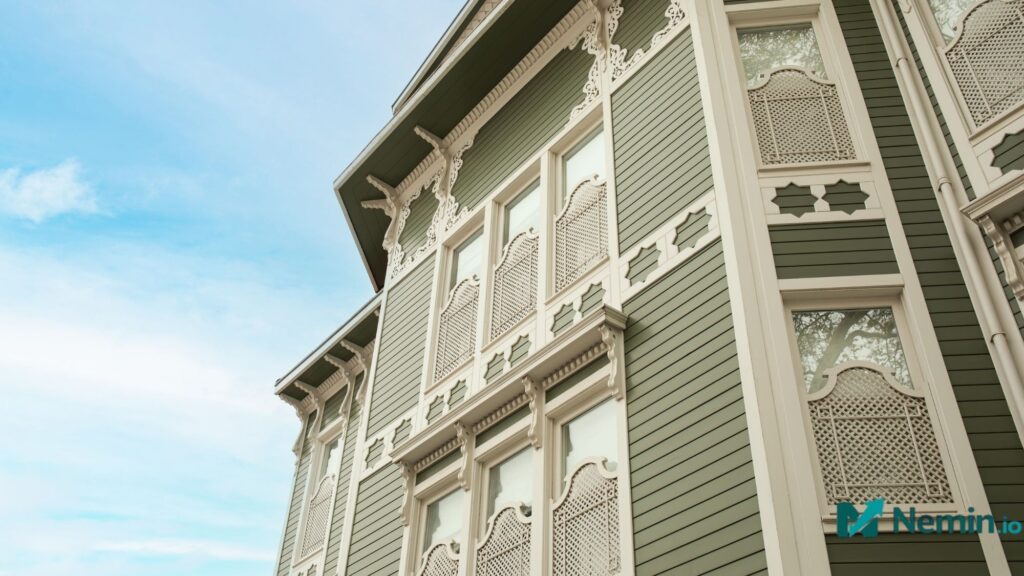
Historic buildings and neighborhoods represent important connections to the past, reflecting cultural traditions, architectural styles, and community history. Protecting these places requires careful planning, professional review, and responsible development decisions. The Historic Preservation Review Board plays an important role in maintaining historic character while allowing communities to adapt and grow.
Historic preservation is not simply about keeping old buildings unchanged. It involves balancing conservation with modern needs, ensuring that important architectural and cultural resources remain meaningful for future generations. Review boards help evaluate proposed changes, guide restoration efforts, and protect the unique identity of historic areas.
In Washington, D.C., the Historic Preservation Review Board (HPRB) serves as the body responsible for designating historic properties, advising on preservation matters, and implementing historic preservation programs.
What Is the Historic Preservation Review Board?
The Historic Preservation Review Board is a public body responsible for reviewing and guiding changes to historic properties and districts. Its purpose is to protect significant buildings, landmarks, and neighborhoods while ensuring that new development respects existing historic character.
The board evaluates projects that may affect historic resources, including:
- Building alterations
- New construction
- Additions to historic properties
- Exterior renovations
- Demolition proposals
- Changes within historic districts
The goal is to preserve important architectural features while allowing property owners to maintain and improve their buildings.
Why Historic Preservation Matters
Historic preservation protects more than just old structures. Buildings and neighborhoods often represent important moments in history, cultural identity, and community development.
Preserving historic places provides several benefits:
Protecting Cultural Heritage
Historic buildings tell stories about communities, industries, architecture, and people who shaped an area over time.
Preservation helps maintain:
- Local identity
- Historical connections
- Architectural traditions
- Community character
Supporting Strong Communities
Historic neighborhoods often create a strong sense of place. Preserved buildings can contribute to attractive streets, walkable areas, and vibrant communities.
Maintaining Architectural Value
Many historic structures feature craftsmanship and design details that are difficult to reproduce today.
Preservation protects elements such as:
- Original materials
- Decorative features
- Traditional construction methods
- Unique architectural styles
The Role of the Historic Preservation Review Board
The Historic Preservation Review Board performs several important responsibilities related to historic planning and development.
Designating Historic Properties
One major responsibility of the board is identifying properties that have historical, architectural, cultural, or community significance.
A property may receive historic designation because of:
- Architectural importance
- Connection to significant events
- Association with important individuals
- Contribution to neighborhood history
Designation helps ensure these properties receive appropriate consideration during future planning decisions.
Reviewing Construction and Renovation Projects
When owners want to modify historic properties, their projects may require review to determine whether proposed changes are compatible with preservation standards.
Projects may include:
- Exterior renovations
- Window replacements
- Building additions
- New structures within historic districts
- Major alterations
The review process focuses on protecting historic character while considering practical needs.
Advising Government Officials
The board also provides recommendations and guidance on historic preservation policies and decisions.
This helps government leaders make informed choices about:
- Land use
- Development
- Historic resources
- Community planning
How the Historic Preservation Review Board Review Process Works
The review process helps evaluate whether proposed changes are appropriate for historic properties.
Step 1: Project Identification
Property owners, architects, or developers first determine whether their project affects a historic property or district.
This may involve checking whether the building:
- Is a designated landmark
- Is located within a historic district
- Has historic preservation requirements
Step 2: Preparing Project Materials
Applicants typically prepare information about the proposed work.
Materials may include:
- Architectural drawings
- Photographs
- Project descriptions
- Construction details
- Material information
Clear documentation helps reviewers understand how the proposed changes will affect the property.
Step 3: Design Review
The board or preservation staff reviews the proposal based on established preservation principles.
The review may consider:
- Compatibility with historic design
- Building materials
- Scale and proportion
- Impact on surrounding properties
- Preservation of important features
The Historic Preservation Office may determine whether a project requires full board review or can move through an administrative review process.
Step 4: Decision and Recommendations
After review, the board may:
- Approve the proposal
- Approve with conditions
- Request modifications
- Recommend changes
The goal is not to prevent all changes but to encourage responsible improvements.
Types of Projects Reviewed by Historic Preservation Boards
Historic preservation review can apply to many different types of projects.
Exterior Renovations
Changes visible from public areas often receive attention because they affect the historic appearance of buildings and neighborhoods.
Examples include:
- Roof changes
- Window replacements
- Exterior materials
- Facade improvements
- Entry modifications
Additions to Historic Buildings
Property owners may want to expand historic buildings while preserving important features.
Review boards evaluate whether additions:
- Respect existing architecture
- Maintain appropriate scale
- Avoid damaging historic elements
New Construction in Historic Districts
New buildings in historic neighborhoods must often balance modern design with surrounding character.
Considerations may include:
- Building height
- Materials
- Architectural style
- Relationship to nearby structures
Restoration Projects
Restoration focuses on repairing and preserving original features.
Projects may involve:
- Brick repair
- Historic windows
- Decorative elements
- Traditional materials
Historic Preservation Guidelines and Standards
Preservation boards use design guidelines to evaluate projects consistently. These guidelines help property owners understand what changes may be appropriate.
Historic district guidelines often address:
- Building materials
- Architectural details
- Additions
- New construction
- Streetscape appearance
The Historic Preservation Review Board has adopted guidelines tailored to different historic districts and building conditions.
Benefits of Working With Historic Preservation Review Boards
Protects Community Character
Review boards help maintain the visual identity and historical importance of neighborhoods.
Encourages Quality Design
Preservation review encourages thoughtful architecture and careful material choices.
Supports Long-Term Property Value
Well-maintained historic properties can remain valuable because of their unique character and location.
Creates Balanced Development
Historic review allows communities to grow while respecting important resources.
Challenges in Historic Preservation
Although preservation provides many benefits, it can also create challenges for property owners and developers.
Balancing Modern Needs
Historic buildings may require updates for:
- Energy efficiency
- Accessibility
- Modern technology
- Changing lifestyles
Finding solutions that respect historic character can require careful planning.
Additional Review Requirements
Projects involving historic properties may require more documentation and review compared to standard construction projects.
Material and Design Considerations
Maintaining historic appearance may require specialized materials or restoration techniques.
Tips for Property Owners in Historic Districts
Research Requirements Early
Before starting a renovation, determine whether your property has historic protections.
Consult Preservation Professionals
Architects and contractors experienced with historic buildings can help create appropriate solutions.
Prepare Detailed Plans
Clear drawings and project information can make the review process smoother.
Understand Preservation Goals
Historic review focuses on protecting important features while allowing responsible improvements.
The Future of Historic Preservation
Historic preservation continues to evolve as communities recognize the importance of protecting cultural resources while addressing modern needs.
Future preservation efforts may focus on:
- Sustainable restoration
- Climate adaptation
- Digital documentation
- Community involvement
- Adaptive reuse
Technology is also improving preservation through tools such as 3D scanning, digital modeling, and advanced building analysis.
Conclusion
The Historic Preservation Review Board plays a critical role in protecting historic buildings, landmarks, and neighborhoods while supporting thoughtful development. Through design review, historic designation, and preservation guidance, these boards help maintain the cultural and architectural character of communities.
Historic preservation is about creating a connection between the past and the future. By carefully balancing restoration, modernization, and responsible growth, preservation boards ensure that important places continue to serve communities for generations to come.
Frequently Asked Questions (FAQs)
What is the Historic Preservation Review Board?
The Historic Preservation Review Board is a government preservation body responsible for reviewing historic properties, designating landmarks, and guiding changes within historic areas.
What does the Historic Preservation Review Board review?
The board reviews projects such as renovations, additions, demolitions, and new construction that may affect historic properties or districts.
Why is historic preservation important?
Historic preservation protects cultural heritage, architectural character, and important connections to community history.
Does every renovation require Historic Preservation Review Board approval?
Not every project requires full board review. Some projects may be handled through preservation staff review depending on the scope of work.
How do property owners prepare for historic review?
Property owners should prepare detailed plans, photographs, project descriptions, and information about proposed materials and changes.
Can historic buildings be modernized?
Yes. Historic buildings can often be updated with modern features while preserving important architectural characteristics.
What are historic preservation guidelines?
Historic preservation guidelines are standards used to evaluate whether proposed changes are compatible with the character of historic properties and districts.
How does the Historic Preservation Review Board protect communities?
The board protects communities by helping preserve significant buildings, maintaining neighborhood character, and encouraging responsible development.