
Choosing the right window coverings can improve privacy, light control, comfort, and the overall appearance of a room. Homeowners searching for blinds Cardiff often want...
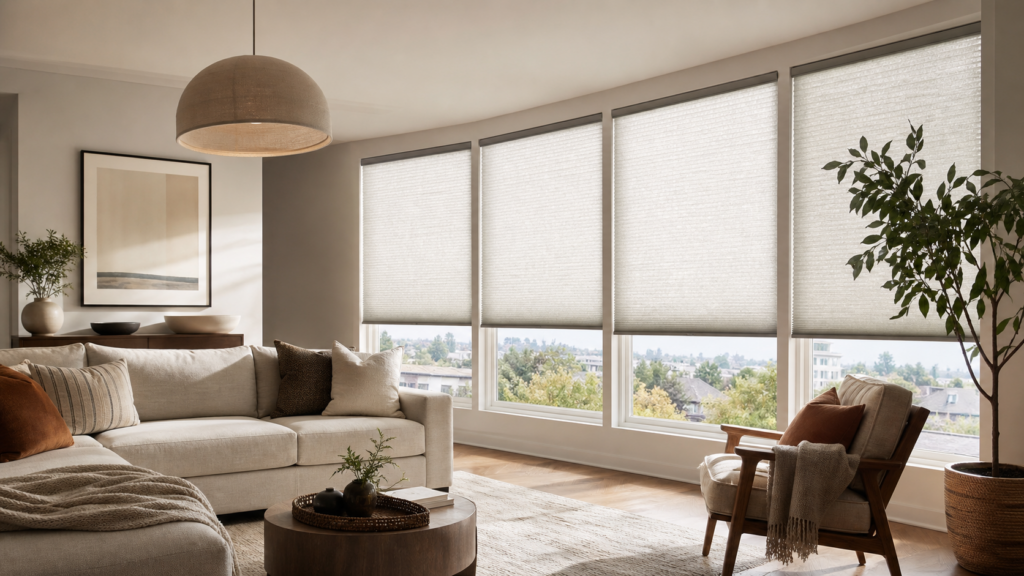
Choosing the right window coverings can improve privacy, light control, comfort, and the overall appearance of a room. Homeowners searching for blinds Cardiff often want a practical solution that looks attractive while fitting their windows properly and working well with their interior style. From roller and Venetian blinds to Roman, vertical, and blackout designs, there are many options available for different rooms, budgets, and functional needs. Understanding the main styles, materials, and fitting considerations can make it easier to choose blinds that provide lasting value.
Window blinds are more than a decorative feature.
They can help manage sunlight, reduce glare, create privacy, and make a room feel more complete.
The best choice depends on the room, window size, preferred level of light control, and the look you want to achieve.
Why Window Blinds Are a Popular Choice
Blinds are widely used because they combine function with flexibility.
Unlike some window coverings that mainly provide decoration, blinds can be adjusted throughout the day.
You can allow more natural light in during the morning and create additional privacy in the evening.
Blinds can also suit a wide range of properties, including:
- Modern apartments
- Traditional houses
- New-build homes
- Offices
- Rental properties
- Conservatories
- Commercial spaces
Their clean appearance makes them suitable for both contemporary and classic interiors.
Understanding Different Types of Blinds
One of the most important decisions is choosing the right style.
Different blinds provide different levels of light control, privacy, insulation, and visual impact.
Roller Blinds
Roller blinds are among the simplest and most versatile options.
They consist of a single piece of fabric that rolls neatly around a tube.
Roller blinds work well in:
- Bedrooms
- Kitchens
- Living rooms
- Offices
- Bathrooms when suitable moisture-resistant fabrics are used
They are available in many colours, patterns, and fabric types.
Some fabrics allow soft daylight through, while blackout versions can significantly reduce incoming light.
Benefits of Roller Blinds
Roller blinds are popular because they are:
- Easy to operate
- Simple in appearance
- Suitable for many window sizes
- Available in many fabrics
- Easy to coordinate with different interiors
Their minimal design also makes them useful in rooms where you want the window covering to look neat and unobtrusive.
Venetian Blinds
Venetian blinds use horizontal slats that can be tilted to control light and privacy.
They may be made from:
- Aluminium
- Wood
- Faux wood
The adjustable slats allow users to fine-tune how much light enters the room.
This makes Venetian blinds particularly useful in offices, living rooms, bedrooms, and other spaces where changing light levels are important.
Wooden Venetian Blinds
Wooden blinds can add warmth and texture to a room.
They often complement traditional furniture, neutral interiors, and natural materials.
However, real wood may not be ideal in areas with high moisture.
Faux Wood Blinds
Faux wood blinds offer a similar appearance to timber while often being more resistant to humidity.
They can be useful in kitchens and bathrooms, depending on the product specifications.
Vertical Blinds
Vertical blinds use individual vertical fabric slats.
They are commonly associated with large windows, patio doors, and sliding doors.
The slats can be rotated to control light or pulled to one side when the window needs to be fully exposed.
Vertical blinds are practical for wide openings because they can cover large areas without creating a bulky appearance.
Where Vertical Blinds Work Best
They are often suitable for:
- Patio doors
- Large living room windows
- Offices
- Conservatories
- Wide glass panels
Their adjustable design makes them useful where flexibility is important.
Roman Blinds
Roman blinds use soft fabric that folds into horizontal pleats when raised.
They provide a softer and more decorative appearance than many other blind styles.
Roman blinds can work well in:
- Bedrooms
- Dining rooms
- Lounges
- Home offices
They are often chosen where interior design is a strong priority.
The fabric can become a visual feature in the room, especially when using textured materials or patterns.
Blackout Blinds
Blackout blinds are designed to reduce the amount of light entering a room.
They are particularly useful in bedrooms, children’s rooms, media rooms, and spaces where strong sunlight can be distracting.
A blackout fabric can help darken the room, although small amounts of light may still enter around the edges depending on the fitting method.
Benefits of Blackout Blinds
They can help with:
- Sleep environments
- Reducing early morning light
- Limiting glare
- Creating darker media rooms
- Improving privacy
For maximum darkness, accurate fitting is especially important.
Day and Night Blinds
Day and night blinds combine alternating transparent and opaque fabric sections.
The fabric layers can be adjusted so that the strips overlap in different ways.
This allows users to switch between more daylight and greater privacy.
These blinds can suit modern living rooms, kitchens, bedrooms, and offices.
They provide a contemporary appearance while giving the user flexible control.
Perfect Fit and Frame-Mounted Blinds
Some blinds are designed to fit directly into window or door frames without extensive drilling.
These systems can be particularly useful for certain modern windows, patio doors, and conservatories.
Because the blind sits close to the glass, the overall appearance can be neat and integrated.
Compatibility depends on the specific window frame.
Accurate measurement is therefore essential.
Blinds for Living Rooms
Living rooms usually need a balance between light, comfort, and privacy.
Many homeowners want daylight during the day while preventing people outside from easily seeing into the room.
Suitable options may include:
- Venetian blinds
- Roller blinds
- Roman blinds
- Day and night blinds
The final choice should match the room’s décor and the direction the window faces.
A room receiving strong afternoon sun may need greater glare control than a shaded room.
Blinds for Bedrooms
Privacy and light reduction are usually the main priorities in bedrooms.
Blackout roller blinds can be especially useful.
Roman blinds with suitable lining may also provide a softer decorative finish.
When choosing blinds for bedrooms, consider:
- Light control
- Privacy
- Colour
- Noise from operation
- Ease of use
- Child safety
A well-fitted blind can make the room feel more comfortable and private.
Blinds for Kitchens
Kitchen blinds should be practical and easy to maintain.
Cooking can create moisture, heat, and occasional splashes.
For this reason, some fabric types may be less suitable near sinks or cooking areas.
Popular options can include:
- Roller blinds
- Aluminium Venetian blinds
- Faux wood blinds
Look for materials that are easy to clean and suitable for the kitchen environment.
Blinds for Bathrooms
Bathrooms require careful material selection because humidity levels are often higher.
Moisture-resistant blinds can provide better durability than materials that may absorb water.
Possible choices include:
- PVC blinds
- Aluminium blinds
- Moisture-resistant roller blinds
- Faux wood blinds
Good ventilation is also important.
Even moisture-resistant products can last longer when the room is properly ventilated.
Blinds for Home Offices
Home offices benefit from good glare control.
Direct sunlight on a computer screen can make working uncomfortable.
Venetian blinds are useful because the slats can be angled to redirect light.
Roller blinds and day and night blinds may also work well.
Consider placing the blind so that natural light can enter without shining directly onto screens.
How Blinds Improve Privacy
Privacy is one of the main reasons people install blinds.
Different styles provide different levels of control.
Venetian blinds allow the slats to be tilted while still letting some light into the room.
Roller blinds provide more complete coverage when fully lowered.
Day and night blinds offer a balance between visibility and daylight.
The best choice depends on how close the window is to neighbouring properties, streets, or public areas.
Light Control and Glare Reduction
Natural light is valuable, but too much direct sunlight can become uncomfortable.
It can cause:
- Screen glare
- Excessive brightness
- Room overheating
- Reduced visual comfort
Adjustable blinds allow users to manage sunlight throughout the day.
This is especially useful for windows facing strong morning or afternoon sun.
Can Blinds Help With Temperature Control?
Window coverings can sometimes help reduce heat gain or heat loss by creating an additional layer between the room and window.
The effect depends on:
- Blind material
- Window type
- Fit
- Fabric thickness
- Room orientation
Some lined or blackout blinds may provide more insulation than thin materials.
However, blinds should be viewed as one part of overall home comfort rather than a replacement for proper insulation or efficient windows.
Choosing the Right Colour
Colour can change how blinds affect the room visually.
Light colours can make a room feel brighter and more open.
Darker colours can create stronger contrast and a more dramatic look.
Neutral shades such as:
- White
- Cream
- Beige
- Grey
- Taupe
are often easy to coordinate with changing décor.
More colourful fabrics can be used as a statement feature.
Consider wall colour, furniture, flooring, and natural light before deciding.
Choosing the Right Material
Material affects appearance, maintenance, and suitability.
Fabric
Fabric creates a softer look and is widely used for roller and Roman blinds.
Aluminium
Aluminium is lightweight, easy to clean, and commonly used for Venetian blinds.
Wood
Wood creates a natural and warm appearance but may require more careful maintenance.
Faux Wood
Faux wood can offer the look of timber with improved resistance to moisture in some environments.
Made-to-Measure vs. Ready-Made Blinds
Homeowners often compare made-to-measure blinds with ready-made options.
Both can be suitable depending on the window and budget.
Ready-Made Blinds
Ready-made blinds come in standard sizes.
They may be suitable for common window dimensions.
They can also be a practical option when the fit does not need to be highly customised.
Made-to-Measure Blinds
Made-to-measure products are manufactured for specific window dimensions.
They can provide a neater fit, especially for unusually shaped, wide, narrow, or non-standard windows.
Accurate measurement is essential for the best result.
Why Correct Measurements Matter
Even a small measuring error can affect how a blind operates.
A blind that is too wide may not fit inside the recess.
A blind that is too narrow may leave larger gaps than expected.
Before ordering, determine whether the blind will fit:
- Inside the window recess
- Outside the recess
- Directly onto a frame
- Across a door opening
Always follow the measurement instructions for the specific product.
How to Measure a Window for Blinds
The exact process varies by blind type, but several general principles apply.
Measure Width
Measure the opening in several places because walls and window recesses are not always perfectly straight.
Measure Drop
Measure the height in several positions.
Use Accurate Tools
A metal tape measure is generally more reliable than a flexible fabric tape.
Record Measurements Carefully
Write the measurements immediately and confirm whether they are in millimetres or centimetres.
Do not make automatic deductions unless the supplier specifically instructs you to do so.
Inside-Recess vs. Outside-Recess Installation
Where the blind is fitted affects appearance and light coverage.
Inside-Recess Fit
The blind sits within the window opening.
This can provide a clean, built-in appearance.
However, handles or other obstructions may affect the available space.
Outside-Recess Fit
The blind covers the opening from outside the recess.
This approach can help cover more of the window and may reduce light entering around the edges.
It can also make the window appear larger.
Professional Measuring and Fitting
Some homeowners are comfortable measuring and fitting blinds themselves.
Others prefer professional installation.
Professional measuring can be useful when:
- Windows are unusually shaped
- Several rooms are being fitted
- Windows are very large
- The property has bay windows
- Doors require specialist systems
- Precise fitting is important
Professional fitting may also help ensure that brackets, controls, and safety devices are installed correctly.
Choosing Blinds for Bay Windows
Bay windows can be more challenging because several blinds need to meet at different angles.
Careful measurement is important to avoid blinds interfering with each other.
Suitable options may include:
- Roller blinds
- Venetian blinds
- Roman blinds
The best style depends on available space and how the window sections open.
Blinds for Conservatories
Conservatories often contain large amounts of glass.
This can create strong sunlight and higher temperatures during warmer periods.
Blinds can help manage glare and provide privacy.
Depending on the conservatory design, blinds may be needed for:
- Side windows
- Doors
- Roof panels
Specialist systems may be more suitable for unusual window shapes.
Child Safety and Blind Cords
Safety should always be considered when blinds have cords or chains.
Loose loops can create hazards for young children.
Modern blind systems may include safety devices designed to secure cords or chains.
Cordless options are also available for some styles.
When installing blinds in homes with children, follow all relevant product safety guidance and ensure safety devices are fitted correctly.
Cleaning and Maintaining Blinds
Regular cleaning can help blinds stay attractive and function properly.
Roller Blinds
Light dusting or gentle cleaning may be suitable depending on the fabric.
Venetian Blinds
Dust slats regularly with a suitable cloth or duster.
Vertical Blinds
Individual slats can often be dusted or cleaned according to the material instructions.
Wooden Blinds
Avoid excessive moisture on natural timber.
Follow the manufacturer’s maintenance guidance.
How Often Should Blinds Be Cleaned?
Light cleaning every few weeks can prevent dust from building up.
Kitchen and bathroom blinds may need more frequent attention because of moisture, cooking residue, or humidity.
Regular light maintenance is usually easier than allowing heavy dirt to accumulate.
Common Mistakes When Buying Blinds
Avoiding a few common mistakes can improve the final result.
Choosing Style Before Function
A blind may look attractive but perform poorly in the intended room.
Think about light, moisture, privacy, and cleaning before appearance.
Measuring Only Once
Always double-check measurements.
Ignoring Window Handles
Handles and locks can affect how closely a blind can sit against the window.
Choosing the Wrong Material
Natural materials may not be suitable in damp environments.
Ignoring Maintenance
Some blinds require more cleaning or care than others.
Choose a style that suits your lifestyle.
How to Compare Blinds Cardiff Options
When comparing blinds Cardiff choices, consider more than colour and price.
Look at:
- Blind style
- Material
- Window size
- Room function
- Privacy requirements
- Light control
- Maintenance needs
- Fitting method
- Safety features
- Overall interior design
A well-chosen blind should solve practical problems while improving the room visually.
How Much Do Blinds Cost?
Blind prices vary significantly.
Cost can depend on:
- Window size
- Blind type
- Material
- Fabric quality
- Control system
- Made-to-measure requirements
- Number of windows
- Installation needs
A basic standard-size blind may cost less than a custom-made design for a large or unusual window.
When comparing options, consider fit and durability as well as initial price.
Should All Blinds in a Home Match?
Blinds do not need to be identical throughout the house.
Different rooms often have different needs.
For example:
- Bedrooms may use blackout blinds
- Kitchens may need easy-clean materials
- Living rooms may focus more on appearance
- Bathrooms may need moisture-resistant products
You can still create consistency by using similar colours, finishes, or design themes.
Combining Blinds With Curtains
Blinds and curtains can work together.
Blinds provide adjustable light and privacy control.
Curtains can add softness, insulation, colour, and texture.
This combination is particularly popular in bedrooms and living rooms.
Choose fabrics and colours that complement each other rather than compete visually.
How Long Should Quality Blinds Last?
There is no fixed lifespan.
Durability depends on:
- Material quality
- Frequency of use
- Installation
- Sun exposure
- Moisture
- Cleaning
- Mechanical components
Well-fitted blinds that are used carefully and maintained properly can remain functional for many years.
When Should Blinds Be Replaced?
Replacement may be worth considering when:
- Mechanisms repeatedly fail
- Slats are badly damaged
- Fabric is heavily faded
- Cords are worn
- Blinds no longer operate smoothly
- The room has been redesigned
- Existing blinds no longer provide suitable privacy or light control
Minor problems may sometimes be repairable.
Creating a Consistent Interior Look
Window coverings can have a strong visual impact because they occupy a large area of the wall.
To create a balanced look, consider matching blinds with:
- Wall colours
- Flooring
- Furniture
- Upholstery
- Lighting
- Decorative accessories
A simple neutral blind can support a busy interior.
A bold fabric can become a feature in a more minimal room.
Why Practical Needs Should Come First
It can be tempting to choose blinds based entirely on appearance.
However, the best long-term choice usually balances style with function.
Think about how the room is actually used.
A beautiful fabric that is difficult to maintain may not be ideal for a busy kitchen.
A light-filtering blind may look attractive in a bedroom but may not provide enough darkness for comfortable sleep.
Start with practical needs and then narrow down the design.
Conclusion
Finding the right blinds Cardiff solution involves balancing appearance, privacy, light control, maintenance, room conditions, and accurate fitting. Roller, Venetian, vertical, Roman, blackout, and day and night blinds each offer different advantages, so there is no single style that works best for every home. Start by considering how each room is used, how much sunlight enters the space, and how much privacy you need. Then compare suitable materials, colours, fitting options, and control systems. Accurate measurements and careful installation are equally important because even a high-quality blind may perform poorly if it does not fit correctly. By focusing on both function and design, homeowners can choose window blinds that improve comfort, create a more finished interior, and provide practical everyday control over light and privacy.
Frequently Asked Questions
What are the most popular blinds Cardiff homeowners choose?
Popular options include roller blinds, Venetian blinds, Roman blinds, vertical blinds, blackout blinds, and day and night blinds. The best style depends on the room, window size, and required level of privacy and light control.
Which blinds are best for bedrooms?
Blackout roller blinds are a popular bedroom choice because they reduce incoming light. Roman blinds with suitable lining can also work well when a softer decorative appearance is preferred.
What blinds are best for kitchens and bathrooms?
Moisture-resistant and easy-clean materials are usually practical. Aluminium, suitable roller fabrics, PVC, and faux wood blinds may work well depending on the room and product specifications.
Are made-to-measure blinds better than ready-made blinds?
Made-to-measure blinds provide a more precise fit, particularly for non-standard windows. Ready-made blinds can still be suitable for standard window sizes and simpler installations.
How should I measure windows for blinds?
Measure both width and height in several places using an accurate metal tape measure. Follow the specific measuring instructions for the blind type and fitting position you intend to use.
Can blinds help improve privacy?
Yes. Roller blinds can provide full window coverage, while Venetian and day and night blinds allow more flexible control between daylight and privacy.
Can blinds reduce sunlight and glare?
Yes. Adjustable or blackout blinds can help control direct sunlight and reduce glare on televisions, computer screens, and other surfaces.
How do I choose the right blinds Cardiff option for my home?
Consider room function, window dimensions, privacy, sunlight, moisture, maintenance requirements, colour, material, fitting style, and budget before making your final choice.