
Choosing the right bedding can completely change the way a bedroom looks and feels. Comforter Sets offer a convenient way to create a coordinated, comfortable...
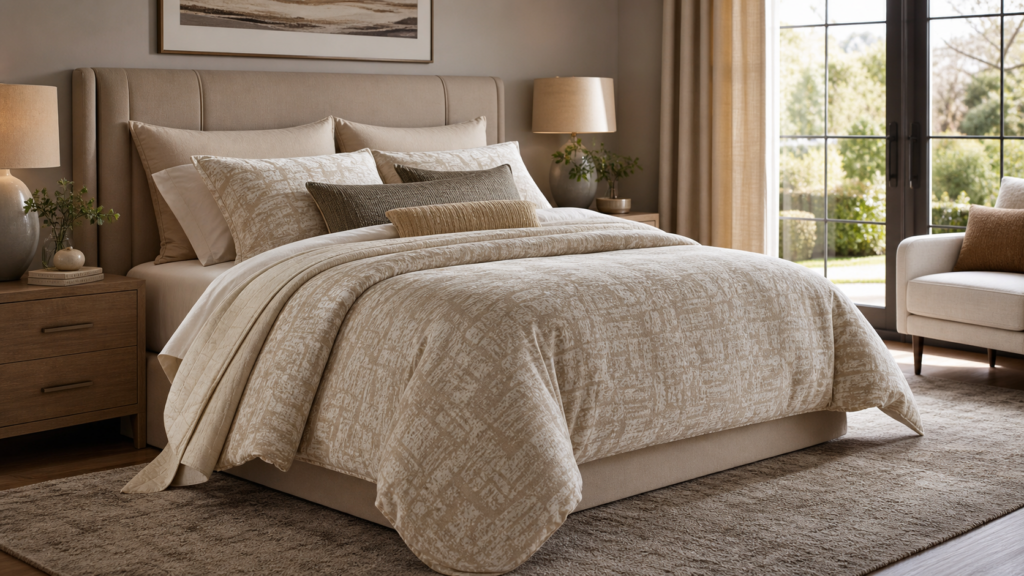
Choosing the right bedding can completely change the way a bedroom looks and feels. Comforter Sets offer a convenient way to create a coordinated, comfortable sleeping space without purchasing every bedding piece separately. From simple everyday designs to luxurious layered arrangements, these sets are available in many materials, colors, sizes, patterns, and styles. Understanding what is included, how different fabrics perform, and which design best matches your needs can help you create a bedroom that is both comfortable and visually appealing.
A bedroom is more than a place to sleep. It is also a personal space where comfort, color, texture, and atmosphere work together. The bedding often becomes the visual center of the room because the bed usually occupies the largest area.
For this reason, choosing a suitable comforter set deserves careful consideration. The right option should fit your mattress properly, feel comfortable during the night, complement your décor, and remain practical enough for regular use.
This guide explains the most important things to know before choosing a comforter set, including sizes, fabrics, filling materials, seasonal comfort, design options, maintenance, and styling ideas.
What Are Comforter Sets?
A comforter set is a coordinated bedding package built around a comforter. Depending on the specific set, it may also contain matching pillow shams, decorative pillows, bed skirts, sheets, or other bedroom accessories.
The purpose of a set is to make bedroom styling easier. Instead of searching for several pieces that work together, buyers can choose a coordinated collection designed with matching colors, patterns, and fabrics.
Basic sets may include only three pieces, while larger bedding collections can include seven, eight, or even more components.
A typical three-piece set for a larger bed often contains one comforter and two matching pillow shams. Sets designed for smaller beds may include one comforter and one pillow sham.
More complete sets may add decorative pillows, bed skirts, or additional accessories for a more layered appearance.
Why Comforter Sets Are Popular
Comforter sets remain popular because they combine convenience, style, and functionality.
For many people, coordinating bedroom textiles individually can be difficult. Colors may not match exactly, fabric textures may conflict, and purchasing everything separately may require more time.
A coordinated set simplifies the process.
Another advantage is visual consistency. Because each piece belongs to the same collection, the final bedroom arrangement usually looks more intentional.
Comforter sets can also make it easier to refresh a bedroom without replacing furniture. Changing bedding can instantly introduce a new color palette, pattern, or seasonal look.
This makes bedding one of the easiest ways to update a room.
What Is Usually Included in a Comforter Set?
The contents vary depending on the product and number of pieces included.
Comforter
The comforter is the main component.
It is usually filled with synthetic fibers, down alternatives, cotton blends, or other insulating materials. Its purpose is to provide warmth while also acting as the main decorative layer on the bed.
Pillow Shams
Pillow shams are decorative pillow covers designed to coordinate with the comforter.
Unlike standard pillowcases, shams usually focus more on appearance and may include borders, quilting, embroidery, or patterned details.
Decorative Pillows
Larger sets may include decorative cushions in different shapes.
These can help create a finished, layered appearance and introduce extra colors or textures.
Bed Skirt
Some traditional bedding collections include a bed skirt.
A bed skirt covers the lower part of the bed frame and can help hide storage space or exposed foundations.
Sheets
Not every comforter set includes sheets.
When sheets are included, the package may contain a fitted sheet, flat sheet, and pillowcases.
Always check the individual product description instead of assuming that sheets are part of the set.
Choosing the Correct Comforter Size
Size is one of the most important factors when selecting bedding.
A comforter that is too small may not provide enough coverage, while an oversized comforter may hang too far over the sides of the bed.
Common mattress sizes include:
- Twin
- Twin XL
- Full
- Queen
- King
- California King
However, mattress dimensions are only part of the decision.
Mattress depth also matters.
Modern mattresses can be significantly thicker than older designs, especially when they include pillow tops or additional foam layers. A thicker mattress requires more comforter width if you want generous coverage along both sides.
Before buying, measure the mattress width, length, and depth.
Then compare those measurements with the listed dimensions of the comforter itself rather than relying only on the size name.
Understanding Different Comforter Materials
The outer fabric influences softness, breathability, appearance, and durability.
Cotton
Cotton is widely used because it is breathable and comfortable.
It can work well for people who prefer natural-feeling fabrics and a soft sleeping environment.
Cotton bedding is available in many finishes, from crisp and lightweight to smooth and soft.
Microfiber
Microfiber is a synthetic fabric known for its smooth texture and practical maintenance.
It often resists wrinkles and dries quickly after washing.
Microfiber can be a useful option for everyday bedrooms, guest rooms, or households that want easy-care bedding.
Polyester
Polyester is commonly used in comforters because it is durable and versatile.
It can also be blended with cotton or other fibers.
Polyester bedding is available in a wide variety of designs and is often easy to maintain.
Linen and Linen Blends
Linen has a relaxed, textured appearance.
It is breathable and works especially well in casual, coastal, rustic, or minimalist interiors.
Pure linen can feel different from smooth cotton, so some bedding uses linen blends to balance texture with softness.
Velvet
Velvet adds visual richness and texture.
It works particularly well in glamorous, traditional, or luxury-inspired bedrooms.
Because velvet can feel warmer and heavier, it may be better suited to cooler months or decorative use.
Understanding Comforter Filling
The filling affects warmth, weight, loft, and overall sleeping comfort.
Down
Traditional down filling is made from the soft insulating layer found beneath the outer feathers of ducks or geese.
It is known for being lightweight while providing effective warmth.
However, down may require more specialized care and may not suit every sleeper.
Down Alternative
Down-alternative filling is usually made from synthetic fibers designed to create loft and insulation.
It can be a practical option for people who prefer synthetic materials or easier maintenance.
Polyester Fiberfill
Polyester fiberfill is widely used because it is lightweight, affordable, and easy to care for.
The warmth level depends on the amount and density of the filling.
Cotton Fill
Some comforters use cotton filling.
Cotton tends to feel breathable and less lofty than many synthetic alternatives, which may appeal to sleepers who dislike bulky bedding.
Warmth and Seasonal Comfort
Not every comforter is suitable for every season.
A thick, heavily filled comforter may feel comfortable in winter but too warm during summer.
Likewise, a lightweight option may not provide enough insulation during colder nights.
Lightweight Comforters
Lightweight comforters are useful in warm climates, summer bedrooms, or homes with strong indoor heating.
They can also work well for people who naturally sleep warm.
Medium-Weight Comforters
Medium-weight bedding is often suitable for year-round use in moderate indoor temperatures.
It provides noticeable warmth without feeling excessively heavy.
Heavy Comforters
Heavy or highly insulated comforters are more suitable for cold weather.
They can make a bedroom feel especially cozy during winter.
When choosing warmth, consider the climate, indoor temperature, and personal sleeping preference rather than simply choosing the thickest option.
Selecting the Right Style for Your Bedroom
Comforter Sets come in many decorative styles, allowing bedding to support almost any interior theme.
Modern
Modern comforter sets often use clean lines, neutral colors, subtle geometric patterns, or simple textures.
Colors such as white, gray, beige, navy, and charcoal are common.
Traditional
Traditional bedding may include floral motifs, elegant borders, damask patterns, or classic color combinations.
These designs often work well with wood furniture and more formal bedroom décor.
Farmhouse
Farmhouse-inspired bedding tends to use soft neutrals, checks, stripes, quilting, and relaxed textures.
Cream, beige, muted blue, and natural tones are common choices.
Bohemian
Bohemian comforter sets often feature layered patterns, warm colors, artistic motifs, or textured accents.
They can add personality to otherwise simple bedrooms.
Minimalist
Minimalist bedding usually relies on solid colors, subtle stitching, and limited decorative details.
The focus is on clean presentation and calm visual balance.
Luxury-Inspired
Luxury-style sets may use velvet, embroidery, jacquard fabrics, metallic details, tufting, or elegant decorative pillows.
The overall goal is to create a more sophisticated bedroom appearance.
How Color Affects the Bedroom Atmosphere
Color has a strong influence on how a bedroom feels.
White and Cream
White and cream create a clean, bright appearance.
They are also easy to combine with different furniture styles and accent colors.
Beige and Taupe
Warm neutrals can make a room feel calm and inviting.
They work well with natural wood, textured rugs, and earthy accessories.
Gray
Gray is versatile and can support modern, industrial, minimalist, or sophisticated interiors.
Lighter gray tends to feel softer, while charcoal creates stronger contrast.
Blue
Blue is commonly associated with calm interiors.
Navy can create depth, while lighter blue produces an airy, relaxed look.
Green
Green works well in natural and nature-inspired bedrooms.
Sage, olive, and muted green tones pair effectively with neutral furniture and organic textures.
Bold Colors
Deep burgundy, teal, mustard, black, or jewel tones can create a dramatic focal point.
When using bold bedding, keeping other large room elements more neutral can prevent the design from feeling visually crowded.
Patterns or Solid Colors: Which Is Better?
Both options can work well depending on the room.
Solid comforters are easier to coordinate with changing décor. They allow decorative cushions, rugs, artwork, and curtains to provide visual interest.
Patterned comforters can become the focal point of the bedroom.
Popular patterns include:
- Floral designs
- Geometric prints
- Stripes
- Plaid
- Medallion patterns
- Abstract designs
- Botanical prints
- Paisley
- Quilted motifs
If the walls, curtains, or rugs already contain strong patterns, simple bedding may create better visual balance.
If the room is mostly neutral, patterned bedding can add personality.
Choosing Comforter Sets for Different Bedrooms
Different rooms often have different practical needs.
Primary Bedroom
A primary bedroom usually benefits from bedding that balances comfort and appearance.
Because the room is used every day, durability and easy maintenance are important.
Guest Bedroom
Guest-room bedding should feel welcoming and versatile.
Neutral tones and medium-weight comforters are often useful because they can suit a wider range of guests and seasons.
Teen Bedroom
Teen bedrooms can support more color and personality.
Bold patterns, modern graphics, textured bedding, or fashionable colors can help create an individual style.
Children’s Bedroom
For children’s rooms, practical care is especially important.
Washable materials, durable fabrics, and age-appropriate designs generally make more sense than highly delicate decorative bedding.
How to Style a Comforter Set
A coordinated set provides the foundation, but small styling changes can make the bed look more complete.
Start With Neatly Arranged Sleeping Pillows
Place standard sleeping pillows near the headboard.
These provide structure for decorative layers.
Add Matching Shams
Position the matching shams in front of or behind sleeping pillows depending on their size.
Use Decorative Pillows Carefully
A few decorative cushions can add texture and color.
However, too many pillows may make the bed impractical for everyday use.
Add a Throw Blanket
A folded or loosely draped throw near the foot of the bed can add another layer of texture.
Choose a complementary rather than identical color for more visual depth.
Balance the Rest of the Room
If the bedding has a strong pattern, repeat one or two of its colors elsewhere in the room.
For example, a blue comforter might coordinate with blue artwork, a small vase, or a bedside accessory.
Comforter Set Care and Maintenance
Proper care helps bedding remain comfortable and attractive.
Always follow the care instructions on the product label because fabric and filling types vary.
Washing
Some comforters are machine washable, while others may require professional cleaning.
Large comforters can become extremely heavy when wet, so the washing machine must have enough capacity.
Drying
Dry the comforter completely before placing it back on the bed.
Trapped moisture can create unpleasant odors and affect the filling.
Some comforters can be tumble-dried on a low setting, while others require air drying.
Regular Shaking
Shaking and fluffing the comforter can help redistribute filling and maintain loft.
This is especially useful after washing.
Spot Cleaning
Small spills can often be treated before they become larger stains.
Use a cleaning method that is appropriate for the fabric.
Storage
When storing seasonal bedding, make sure it is completely clean and dry.
Use breathable storage when possible and avoid compressing the comforter for long periods if you want to preserve loft.
Common Mistakes to Avoid
Choosing bedding becomes easier when you know what problems to watch for.
Buying Based Only on Bed Size
Two queen comforters can have different actual dimensions.
Always check the measurements.
Ignoring Mattress Depth
A thick mattress may require a wider comforter for sufficient side coverage.
Choosing Appearance Over Comfort
A comforter can look beautiful but still feel too heavy, warm, rough, or difficult to maintain.
Consider daily comfort first.
Assuming Every Set Includes Sheets
Many comforter sets do not include sheets.
Review the contents carefully.
Ignoring Care Instructions
A set that requires difficult maintenance may become frustrating in a busy household.
Choose care requirements that fit your routine.
Using Too Many Decorative Pieces
Decorative pillows can enhance the bed, but too many may make everyday bed-making inconvenient.
Comforter Sets vs Duvet Covers
Comforters and duvets are sometimes confused, but they function differently.
A comforter is generally a filled bedding layer designed to be used as it is.
A duvet typically consists of a removable duvet cover placed over a separate duvet insert.
Comforter sets are convenient because the main decorative layer is ready to use without inserting or removing a cover.
Duvet systems provide greater flexibility because the cover can be changed separately.
The better choice depends on personal preference.
People who want a coordinated ready-to-use arrangement may prefer a comforter set, while those who frequently change bedroom styles may appreciate a duvet cover.
Comforter Sets vs Quilts
Quilts are generally thinner and more structured than comforters.
They usually consist of several stitched fabric layers with relatively light filling.
Comforters tend to provide more loft and insulation.
A quilt may be more suitable in warm weather or as a decorative layer, while a comforter often works better when additional warmth is needed.
Some bedrooms use both, with a quilt beneath the comforter or folded at the foot of the bed.
How to Choose a Set for Hot Sleepers
People who sleep warm should focus on breathability and weight.
Look for lighter construction and fabrics that allow better airflow.
Cotton and certain natural-fiber blends may feel more comfortable than heavy synthetic fabrics.
Avoid selecting a comforter purely because it looks plush.
A very thick filling can trap more warmth.
Bedroom temperature, sheets, pajamas, mattress materials, and airflow also affect sleeping comfort, so the comforter should be considered as part of the overall sleep environment.
How to Choose a Set for Cold Sleepers
Cold sleepers usually benefit from additional insulation.
A loftier filling, heavier construction, or warmer outer fabric can help retain heat.
Layering can also be useful.
Instead of relying on one extremely heavy comforter, some people prefer combining a medium-weight comforter with a blanket or throw.
This approach makes it easier to adjust warmth as temperatures change.
How to Make Bedding Look More Expensive
Creating an elegant bedroom does not require complicated styling.
Start with proper fit.
A comforter that drapes evenly on both sides looks more polished.
Fluff the filling so the bed appears full rather than flat.
Coordinate pillow shams carefully, and use one or two decorative cushions with contrasting textures.
A throw placed across the lower portion of the bed can add visual depth.
Keeping the surrounding bedroom uncluttered also improves the overall presentation.
Even simple Comforter Sets can look refined when the bed is arranged neatly and the colors are coordinated with the room.
Consider Texture as Well as Color
Texture is sometimes overlooked when choosing bedding.
A bedroom using only smooth surfaces can feel visually flat.
Adding quilting, tufting, embroidery, woven details, faux fur, velvet, or textured throws can make the room feel more layered.
The key is moderation.
If the comforter already contains heavy texture, simpler accessories may create better balance.
If the comforter is completely smooth, textured cushions or a woven throw can add interest.
Choosing Bedding for Small Bedrooms
In a small bedroom, bedding can influence how spacious the room feels.
Light colors often create a more open visual effect.
Simple patterns can also help prevent the bed from overwhelming the space.
If you prefer darker bedding, balance it with lighter walls, curtains, or furniture.
Avoid filling a small bed with excessive decorative pillows.
A cleaner arrangement often makes the room feel larger and easier to maintain.
Choosing Bedding for Large Bedrooms
Large bedrooms can usually support stronger patterns, deeper colors, and more layered styling.
An oversized headboard, larger decorative pillows, and additional throws can help the bed feel proportionate to the room.
However, the goal should still be visual balance.
Even a large space can look cluttered when too many patterns or decorative pieces compete for attention.
How Often Should You Replace a Comforter?
There is no fixed replacement schedule that works for everyone.
How long a comforter lasts depends on its construction, frequency of use, washing habits, material quality, and general care.
Consider replacing it when the filling becomes permanently uneven, the fabric becomes damaged, insulation decreases significantly, or the comforter no longer feels comfortable.
Using a top sheet, rotating seasonal bedding, and following proper cleaning instructions may help extend its usable life.
How to Shop for Comforter Sets More Effectively
Before choosing a set, create a simple checklist.
First, measure the bed.
Second, decide how warm you want the comforter to feel.
Third, choose a material that suits your comfort and care preferences.
Then consider color and style.
Finally, review exactly what is included in the package.
This method prevents appearance from becoming the only factor in the decision.
A set should work practically in your bedroom as well as visually.
Are More Pieces Always Better?
A larger number of pieces does not automatically mean a better set.
A seven-piece or eight-piece collection may provide more decorative options, but some pieces may rarely be used.
A simple three-piece set can be a better choice for someone who prefers minimal styling.
Think about which components you actually need.
Useful pieces provide more value than extra accessories that remain stored in a closet.
Creating a Cohesive Bedroom Around Your Bedding
Once you choose your bedding, use it as a starting point for the rest of the room.
Select one dominant color and one or two supporting shades.
Repeat these colors subtly in curtains, rugs, lamps, artwork, or decorative accessories.
Avoid matching every object exactly.
A room usually looks more natural when colors are related rather than identical.
For example, a sage green comforter could pair with cream curtains, natural wood furniture, beige rugs, and small dark-green accents.
The result feels coordinated without looking overly designed.
Conclusion
Comforter Sets offer a simple and effective way to improve both the comfort and appearance of a bedroom. The best choice depends on more than color or pattern. Size, mattress depth, fabric, filling, warmth, care requirements, and room style all influence whether a set will work well over time. Measuring the bed carefully, understanding the materials, and choosing a design that fits your daily routine can help you avoid common mistakes. Whether you prefer modern neutrals, traditional patterns, textured luxury styles, or relaxed casual bedding, a thoughtfully selected comforter set can create a more comfortable, coordinated, and inviting sleeping space.
Frequently Asked Questions
What usually comes with Comforter Sets?
Most Comforter Sets include a comforter and one or more matching pillow shams. Larger collections may also contain decorative pillows, bed skirts, sheets, or other coordinated accessories.
How do I choose the correct comforter size?
Measure the width, length, and depth of your mattress and compare these measurements with the actual dimensions of the comforter. Do not rely only on labels such as queen or king.
Are comforter sets suitable for year-round use?
Some medium-weight comforters can be used throughout the year, especially in climate-controlled bedrooms. Lightweight sets are better for warm conditions, while heavier options provide more insulation during colder months.
What material is best for a comforter?
There is no single best material for everyone. Cotton is breathable, microfiber is easy to maintain, polyester is versatile, and velvet provides additional texture and warmth. Choose according to comfort, climate, and maintenance preferences.
Do Comforter Sets include bed sheets?
Not always. Some sets include sheets, but many contain only the comforter, pillow shams, and decorative pieces. Always check the listed contents before choosing a set.
Can a comforter be washed in a home washing machine?
Many comforters are machine washable, but the machine must be large enough to handle the item safely. Always follow the care label because some fabrics or fillings may require special cleaning.
What is the difference between a comforter and a duvet?
A comforter is usually a filled decorative bedding layer used on its own. A duvet normally uses a removable cover over a separate insert. Comforters provide convenience, while duvet covers make it easier to change the visible bedding layer.
How can I make my comforter set look more stylish?
Arrange the comforter evenly, fluff the filling, position matching shams neatly, add a small number of decorative pillows, and use a coordinating throw blanket. Repeating one or two bedding colors elsewhere in the room can also create a more cohesive design.