
Wireless Earbuds under $200 now cover an impressive range of needs, from everyday music and commuting to workouts, calls and active noise cancellation. Buyers no longer...
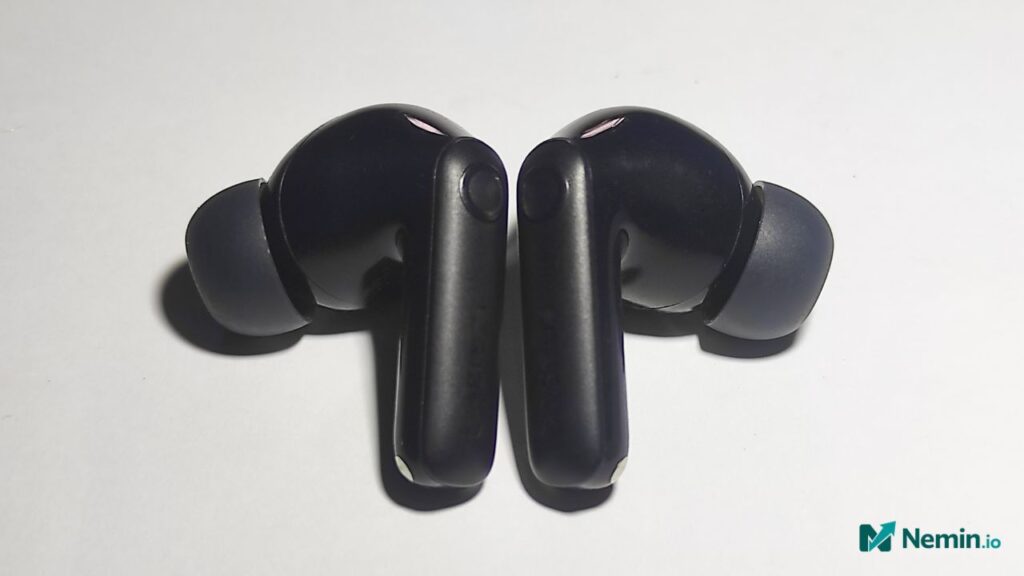
Wireless Earbuds under $200 now cover an impressive range of needs, from everyday music and commuting to workouts, calls and active noise cancellation. Buyers no longer have to automatically enter the highest-priced flagship tier to get comfortable designs, effective companion apps, useful transparency modes and dependable battery performance. The challenge in 2026 is actually narrowing down a crowded market rather than finding capable options.
The best Wireless Earbuds are also different for different people. An iPhone owner may value seamless Apple integration, while an Android user could priorities codec support, multipoint connectivity or deeper sound customisation. Prices and promotions change frequently, so the seven picks below should be treated as a practical shortlist of models commonly positioned below or around the $200 ceiling, with current US pricing and availability verified before purchase.
What Makes Wireless Earbuds Under $200 So Competitive in 2026
True-wireless audio has matured quickly. Features that were once reserved for expensive models have moved into the midrange, including active noise cancellation, adjustable ambient modes, wear detection and extensive equaliser controls.
Manufacturers are also competing on software rather than drivers alone. Companion applications can alter controls, update firmware, personalise sound and manage connected devices, making the overall ecosystem increasingly important.
This creates good news for buyers. Spending close to $200 can provide a polished experience, but several lower-cost models can satisfy most everyday requirements for much less.
The important question is not which pair contains the longest specification sheet. It is which features will make a noticeable difference during your own daily use.
7 Best Wireless Earbuds Under $200 to Consider in 2026
This list covers different priorities instead of pretending one model is objectively best for everyone. Models from Apple, Google, Nothing, Soundcore, Beats, Samsung and Sony illustrate how varied the sub-$200 category has become.
Retail prices move regularly. A model may also be replaced, discontinued or temporarily discounted during 2026, so check the manufacturer’s current specifications and authorised retailer price before ordering.
1. Apple AirPods 4 With Active Noise Cancellation
For people already using an iPhone, AirPods 4 with Active Noise Cancellation remain one of the most natural Wireless Earbuds choices within a $200 ceiling.
Apple introduced the ANC configuration at a US list price below $200. Its open-style fit is particularly notable because it provides active noise cancellation without using conventional silicone ear tips.
That design is both an advantage and a limitation.
People who dislike the plugged sensation of sealed in-ear models may find AirPods 4 more comfortable. Those seeking maximum passive isolation should recognise that an open design cannot physically seal the ear canal like silicone-tipped alternatives.
Apple’s ecosystem integration is the larger attraction. Features work particularly naturally with compatible Apple hardware, making the product compelling for someone already using an iPhone, Mac and other Apple devices.
These Wireless Earbuds make the most sense for:
- iPhone owners
- Users who dislike silicone ear tips
- Everyday calls and media
- Apple ecosystem convenience
- Listeners wanting ANC in an open-style design
Android users can still use AirPods for basic Bluetooth audio, but some Apple-specific functionality is lost. That makes platform choice especially important before purchasing.
2. Google Pixel Buds Pro 2
Google’s Pixel Buds Pro 2 occupy a higher tier than basic budget earbuds while remaining a compelling Android-focused option when available below $200 through current pricing or legitimate promotions.
Their strongest appeal is integration with Google’s broader Pixel ecosystem, alongside active noise cancellation, transparency functionality and a compact in-ear design.
Android users should evaluate the current feature set on their own phone because some capabilities can depend on device compatibility and software versions.
As with all Wireless Earbuds, ecosystem features should supplement the fundamentals rather than replace them. Comfort, sound and microphone behaviour remain important even when integration is excellent.
Pixel Buds Pro 2 are particularly worth considering for:
- Pixel phone users
- Android-focused households
- Commuting
- Compact everyday listening
- Users wanting premium features without automatically choosing Apple
Because retail prices fluctuate, confirm that the actual checkout price remains under your $200 budget.
3. Nothing Ear
Nothing Ear is a strong alternative for people who value sound customisation and distinctive industrial design without paying the highest flagship prices.
The transparent aesthetic gives these Wireless Earbuds a recognisable visual identity, but their appeal is not purely cosmetic. Nothing has also emphasised personalisation, EQ controls and higher-quality Bluetooth audio options on compatible devices.
Codec benefits deserve context.
A sophisticated Bluetooth codec cannot improve source quality beyond its limits, and both the phone and earbuds need to support the relevant codec. Connection conditions and recording quality matter too.
Nothing Ear can be particularly attractive for:
- Android listeners
- Users who enjoy adjusting EQ
- Buyers wanting distinctive design
- Music-focused everyday listening
- People who want multipurpose earbuds below premium flagship prices
iPhone users can still use them, although some higher-resolution codec capabilities available elsewhere in the Android ecosystem may not apply to iOS.
4. Soundcore Liberty 4 Pro
Soundcore has become difficult to ignore in the value-focused Wireless Earbuds market. The Liberty line generally targets consumers who want a large number of premium-style features while keeping the price below many flagship competitors.
Liberty 4 Pro is especially relevant to buyers interested in configurable active noise cancellation, app-based adjustments and strong feature value.
Sound preferences remain personal, making the available equaliser controls particularly useful. Buyers who dislike the factory tuning can experiment rather than immediately concluding that the hardware is unsuitable.
Soundcore Liberty 4 Pro can suit:
- Value-conscious buyers
- Frequent commuters
- Android and iPhone users
- People who enjoy extensive app controls
- Listeners prioritising features per dollar
Soundcore frequently participates in retailer promotions. Compare the official price with major authorised sellers rather than assuming a discount shown on one marketplace is exceptional.
5. Beats Fit Pro
Beats Fit Pro remain an interesting option for active users when current authorised stock is available below $200.
Their defining physical feature is the stabilising wingtip. For some ears, this provides additional security during running and gym sessions compared with ordinary stem-based Wireless Earbuds.
Fit remains highly individual.
A wingtip that feels secure to one person can create pressure for another during long sessions. Where returns permit, testing comfort is valuable before committing to them as all-day earbuds.
The Apple relationship also gives Beats products useful compatibility with Apple devices while Beats maintains broader Android support than many users associate with Apple’s own AirPods ecosystem.
They are particularly suited to:
- Gym users
- Runners
- People needing secure-fitting earbuds
- iPhone owners wanting a sport-oriented design
- Users who prefer a compact charging case
Because Beats Fit Pro are an older model family by 2026, check current availability and manufacturer support before buying solely because you found old stock at a low price.
6. Samsung Galaxy Buds3 Pro When Discounted
Samsung’s Galaxy Buds3 Pro originally occupied a price tier above the strict $200 target, but promotions can bring premium Wireless Earbuds into this budget.
That makes them relevant as a sale-dependent choice rather than a model that should be described as universally under $200.
Their strongest case is for Samsung Galaxy users. Device integration and compatible Samsung ecosystem functions can make them more appealing within that environment than on unrelated phones.
Before buying, check exactly which features require compatible Galaxy hardware.
If the current price is above $200, do not stretch your budget solely for ecosystem extras you may not use. Other models in this guide can offer excellent everyday performance without waiting for a discount.
Galaxy Buds3 Pro are worth monitoring for:
- Samsung Galaxy owners
- Buyers watching major sales
- Users wanting ANC and ambient listening
- People who value ecosystem integration
- Listeners comfortable waiting for a promotion
This is a good example of why Wireless Earbuds comparisons need current pricing rather than permanently assigning a product to one price bracket.
7. Sony LinkBuds Fit
Sony’s LinkBuds Fit target listeners who want a compact, secure design suited to everyday activity.
They sit within the broader LinkBuds family rather than following exactly the same design philosophy as Sony’s highest-end WF series. Their fit-oriented construction can make them particularly interesting for active users who do not necessarily need the bulk or price of a flagship model.
Sony also brings substantial experience in noise cancellation and consumer audio software.
Buyers should still judge the specific model rather than assuming every pair of Sony Wireless Earbuds performs identically.
LinkBuds Fit can make sense for:
- Active daily users
- Commuters
- Listeners seeking compact earbuds
- Android and iPhone users
- People who value established audio-brand support
Check the current US price because Sony products regularly move between full retail pricing and substantial retailer discounts.
Wireless Earbuds Under $200 Comparison
Specifications can change through firmware and regional versions, while pricing can fluctuate daily. This comparison therefore focuses on each model’s clearest purchasing reason rather than publishing fragile promotional prices as permanent facts.
| Model | Best for | ANC | Fit approach | Main advantage |
|---|---|---|---|---|
| AirPods 4 with ANC | iPhone users | Yes | Open-style | Apple integration without silicone tips |
| Pixel Buds Pro 2 | Pixel and Android users | Yes | Sealed in-ear | Google ecosystem integration |
| Nothing Ear | Sound customisation | Yes | Sealed in-ear | EQ and distinctive design |
| Soundcore Liberty 4 Pro | Overall feature value | Yes | Sealed in-ear | Extensive features for the price |
| Beats Fit Pro | Workouts | Yes | Wingtip in-ear | Secure active fit |
| Galaxy Buds3 Pro | Samsung users on sale | Yes | Sealed in-ear | Galaxy ecosystem features |
| Sony LinkBuds Fit | Compact active use | Yes | Fit-focused in-ear | Small, activity-friendly design |
There is no reason the most expensive option in this group must sound best to you. Ear shape and personal tuning preferences can change the experience substantially.
How to Choose Wireless Earbuds Under $200
Start with the device you use most.
Bluetooth creates broad compatibility, but manufacturers often reserve their deepest integration for their own ecosystems. An Apple user, Pixel owner and Samsung owner can therefore receive different experiences from otherwise capable earbuds.
Next, decide which feature is genuinely important.
If you work in a noisy office, ANC might outrank sports stability. If you run daily, secure fit and weather resistance may matter more than spatial audio.
Finally, think about comfort.
A pair of technically excellent Wireless Earbuds becomes a poor purchase when your ears hurt after thirty minutes.
Sound Quality Should Come Before the Specification Race
Audio quality is difficult to reduce to one number.
Drivers, acoustic design, digital signal processing and tuning all influence the result. The shape of the listener’s ear and the quality of the physical seal also affect perceived bass and frequency balance.
This means larger drivers do not automatically create better Wireless Earbuds.
Likewise, a long codec list does not establish excellent tuning.
Reviews from technically rigorous audio sources can provide useful measurements, but listening preference remains important. Some users prefer substantial bass, while others want a more neutral presentation.
Understanding Frequency Response
Frequency response describes how strongly headphones reproduce frequencies across the audible range.
Too little bass can make music feel thin. Excessive bass can obscure lower midrange detail. Treble influences brightness and perceived detail but can become fatiguing when heavily emphasised.
Companion-app EQ can make some Wireless Earbuds more adaptable.
However, EQ has limits. It cannot completely transform poor fit, physical acoustics or fundamentally unsuitable hardware.
Start with comfortable fit before trying to fix the sound through software.
Active Noise Cancellation Explained
Active noise cancellation uses microphones and signal processing to reduce selected external sounds.
It is particularly effective against continuous lower-frequency noise such as aircraft cabin rumble, some transport sounds and ventilation systems.
ANC cannot create total silence.
Irregular speech and sudden sounds can remain audible. Passive sealing from properly fitting ear tips also plays an important role.
When comparing Wireless Earbuds, consider ANC and physical isolation together.
A comfortable seal can improve both bass response and external-noise reduction.
AirPods 4 and Open-Fit ANC
AirPods 4 with ANC demonstrate how manufacturers are attempting noise cancellation without a complete ear-canal seal.
This can provide an attractive compromise for people who strongly dislike silicone tips.
Physics still matters.
Sealed Wireless Earbuds typically begin with greater passive isolation, which can provide ANC systems with an advantage in certain environments.
The best choice depends on whether you prioritise stronger isolation or a more open physical feel.
Transparency and Ambient Modes
Transparency modes use microphones to feed environmental sound through the earbuds.
This can be useful while ordering coffee, listening for transit announcements or having a short conversation.
The most natural implementations make outside sound feel less electronic.
Transparency is still not a substitute for full situational awareness in every safety-critical environment.
Removing Wireless Earbuds can be the better choice when you need to hear surroundings clearly, particularly around traffic or other hazards.
Wireless Earbuds for iPhone
iPhone owners receive the simplest integration from AirPods and compatible Beats products.
Features can include easier pairing and device ecosystem capabilities according to the specific model.
That does not mean third-party earbuds perform poorly with iPhone.
Soundcore, Nothing, Sony and numerous other manufacturers provide iOS companion apps and standard Bluetooth support.
The difference is ecosystem depth.
If you rarely use advanced Apple features, choosing Wireless Earbuds purely for platform branding may provide limited practical value.
Wireless Earbuds for Android
Android offers a broad range of hardware and Bluetooth audio capabilities.
Pixel users may naturally gravitate toward Google’s earbuds, while Samsung owners can obtain additional integration from Galaxy Buds.
Third-party models can sometimes provide more platform-neutral flexibility.
Android buyers interested in advanced codecs should confirm support at both ends of the connection.
Your Wireless Earbuds and smartphone must support the relevant codec for it to be used.
Bluetooth Codecs Matter but Not as Much as Marketing Suggests
A codec defines how digital audio is encoded for Bluetooth transmission.
Common technologies include SBC and AAC, while Android ecosystems can support additional options depending on hardware.
Codec support can influence technical audio performance, latency and connection requirements.
It should not become the sole buying criterion.
Well-tuned Wireless Earbuds using a common codec can sound better to a listener than poorly tuned earbuds using a theoretically more advanced one.
Source material, fit and acoustics remain critical.
Multipoint Bluetooth
Multipoint allows compatible earbuds to maintain connections with more than one device, such as a phone and laptop.
This can be extremely useful for work.
You might listen to audio from a computer and then accept a phone call without manually repairing devices.
Implementation differs among Wireless Earbuds.
Some ecosystem-based automatic switching works differently from conventional Bluetooth multipoint.
Check whether the specific feature supports the devices and workflow you intend to use.
Wireless Earbuds for Calls
Microphone performance becomes particularly important for remote workers.
Almost any modern model can sound acceptable in a quiet room. Wind, traffic and café noise reveal much larger differences.
Microphone quantity alone is not a reliable predictor.
Signal processing and microphone placement matter substantially.
When buying Wireless Earbuds primarily for calls, listen to comparative microphone recordings made in noisy environments rather than judging from a specification sheet.
Wireless Earbuds for Working Out
Secure fit is the first priority.
Earbuds moving during running can break concentration and eventually fall out.
Wingtip models such as Beats Fit Pro can appeal to users who need additional retention, while other designs rely primarily on silicone-tip fit.
Water and sweat resistance also deserve attention.
Check the actual IP rating of the specific Wireless Earbuds and charging case rather than assuming the rating applies to both.
Water resistance is not permanent and does not necessarily mean swimming-safe.
Understanding IP Ratings
Ingress Protection ratings describe tested resistance to solids and water under particular conditions.
The digits have specific meanings.
A higher-looking number should not be interpreted casually without understanding the relevant test.
Manufacturer warranties may also exclude certain liquid damage even when a product carries an IP rating.
Wireless Earbuds used for workouts should therefore be dried and maintained according to manufacturer instructions instead of deliberately exposing them to water simply to test resistance.
Wireless Earbuds for Running
Running adds several requirements simultaneously.
Fit must remain stable, sweat exposure increases and environmental awareness becomes important.
Some runners prefer transparency mode in environments where hearing surroundings is useful.
Others use only one earbud where permitted and safe.
Local rules and conditions should guide road use.
ANC should never isolate a runner from hazards they genuinely need to hear.
Wireless Earbuds for Travel
Travel is where ANC can provide particularly noticeable value.
Aircraft and train noise can make people raise audio volume unnecessarily. Effective noise reduction can make listening more comfortable without requiring as much volume.
Battery life also matters.
A charging case extends total listening time, but earbuds still need to be returned to it periodically.
For long trips, choose Wireless Earbuds whose single-charge performance fits your routine rather than relying exclusively on the larger case-inclusive number.
Battery Life Numbers Need Context
Manufacturers commonly provide several battery figures.
Listening time can differ with ANC enabled, spatial processing active or high-quality codecs in use.
Call time can also differ from music playback.
The charging case’s total figure describes cumulative energy, not continuous earbud operation.
When comparing Wireless Earbuds, focus on the battery figure corresponding with the features you intend to use.
Real performance can vary with volume, age and conditions.
Battery Ageing
Lithium-ion batteries gradually lose capacity over time.
Because true-wireless earbuds contain extremely small batteries, reduced runtime can become noticeable as they age.
Many models are difficult to repair at the battery level.
This makes warranty, product support and expected replacement cycle worth considering.
Premium Wireless Earbuds are electronic wear items rather than indefinite lifetime purchases.
Buying the most expensive model does not eliminate battery chemistry.
Charging Cases
The case performs several jobs.
It protects the earbuds, stores additional battery capacity and ensures they are ready for use.
Size matters in daily life.
A technically excellent pair can become inconvenient if the case is too bulky for normal pockets.
Check charging options too.
Wireless charging may be convenient, while USB-C provides broad compatibility. Exact support varies between Wireless Earbuds and sometimes between configurations of the same family.
Comfort Is Highly Personal
Ear anatomy varies enormously.
A reviewer describing perfect comfort cannot guarantee the same result for another person.
Silicone-tipped models often include several tip sizes. Using the wrong size can produce pressure, weak bass or unstable fit.
Experiment before concluding that the Wireless Earbuds themselves are defective.
Third-party tips can sometimes change fit, though buyers should ensure they remain compatible with the charging case and do not compromise intended operation.
Ear Tip Seal
A proper seal has a major influence on sound.
If one ear lacks bass compared with the other, fit should be checked before changing EQ.
Some companion apps include fit tests, although these are aids rather than medical measurements.
Wireless Earbuds should sit securely without creating pain.
Bigger tips are not always better. The correct size creates an effective seal without excessive pressure.
Your ears may even require different tip sizes on each side.
Open-Fit Versus Sealed Wireless Earbuds
Open-fit designs generally feel less plugged and allow more environmental sound.
Sealed in-ear models provide stronger passive isolation and usually more consistent low-frequency response when fitted properly.
Neither format is universally more comfortable.
Some people cannot tolerate ear-canal pressure, while others dislike the loose sensation of open designs.
AirPods 4 provide a prominent open-style option, while the majority of other Wireless Earbuds in this shortlist use a more sealed in-ear approach.
Spatial Audio
Spatial audio attempts to create a more immersive sound field and can include head tracking on compatible platforms.
It can be enjoyable for films and selected music.
Not everyone prefers it.
Some listeners would rather hear conventional stereo.
Do not pay a large premium solely because Wireless Earbuds advertise spatial audio unless you have confirmed that your preferred device and content support the feature.
Ecosystem compatibility matters significantly.
Equaliser Controls
EQ allows listeners to adjust parts of the frequency response.
Useful apps may provide presets and manual bands, while some models offer personalised tuning.
These tools can improve satisfaction when the factory sound is close to your preference but not perfect.
Extreme EQ can introduce distortion or reduce available headroom.
Wireless Earbuds with flexible software are attractive, but a fundamentally comfortable and well-tuned starting point remains preferable.
Companion Apps and Updates
The app can become an important part of ownership.
It may manage ANC, gestures, firmware and device settings.
Before buying lesser-known Wireless Earbuds, check whether the companion application receives ongoing updates and whether it requests reasonable permissions.
Firmware updates can resolve bugs.
They can also occasionally change audio or ANC behaviour.
Avoid interrupting updates, and follow manufacturer guidance when the earbuds and case need specific battery levels before installation.
Touch Controls
Touch-sensitive surfaces create convenient controls without physical buttons.
They can also register accidental inputs while adjusting fit.
Stem squeezes, taps and swipes each create different experiences.
Users wearing gloves may have additional preferences.
When comparing Wireless Earbuds, check whether controls can be customised through the app.
Being able to disable a gesture you constantly trigger accidentally can be surprisingly valuable.
Find-My Features
Losing a tiny earbud is easy.
Some ecosystems provide location or proximity features that can help find devices.
The exact capabilities vary enormously.
Some show only the last known connected location, while others provide more sophisticated locating features through compatible hardware networks.
Do not assume all Wireless Earbuds have AirTag-like precision.
Read the current manufacturer’s description to understand what can and cannot be located.
Wireless Earbuds for Gaming
Bluetooth introduces latency.
Modern devices and codecs can reduce it, and some earbuds offer dedicated gaming modes, but conventional Bluetooth may still lag behind dedicated low-latency wireless gaming headsets.
For casual mobile gaming, the difference may be acceptable.
Competitive players should examine measured latency and platform support.
Wireless Earbuds marketed around music are not automatically ideal gaming peripherals merely because they connect to the same computer.
Watching Movies and Video
Phones and streaming apps can compensate for Bluetooth latency in many situations, making video synchronisation reasonably good.
Problems can still occur with certain applications and devices.
If video is your primary use, test the exact combination where possible.
Spatial features can make compatible film content more immersive, but they are optional.
Reliable synchronisation and comfortable long-session wear usually matter more.
Hearing Safety
Excellent noise cancellation can reduce the temptation to overpower environmental noise with very high volume.
That does not make loud listening safe.
Noise exposure risk depends on both level and duration.
Some smartphones and earbuds provide volume monitoring or warnings.
Use those tools appropriately and reduce listening levels when necessary.
Persistent ringing, hearing changes or ear discomfort should be assessed by a qualified healthcare professional.
Cleaning Wireless Earbuds
Earbuds accumulate skin oils, dust and earwax.
Cleaning helps maintain hygiene and can preserve acoustic performance when speaker meshes remain unobstructed.
Follow manufacturer instructions.
Avoid pushing sharp objects into speaker openings or flooding the earbuds with cleaning fluid.
Clean silicone tips separately where the manufacturer permits, and allow components to dry completely before reassembly.
The charging contacts can also require gentle maintenance.
Why Dirty Earbuds Can Sound Worse
A partially blocked acoustic mesh can reduce volume or alter frequency balance.
Users occasionally interpret this as an electronic failure.
Before replacing Wireless Earbuds that suddenly sound quieter on one side, inspect them according to manufacturer maintenance instructions.
Do not force debris deeper into the mesh.
If cleaning does not resolve the problem, technical support may be necessary.
Wireless Earbuds Under $50
The budget category has improved substantially.
Buyers can find acceptable audio, long battery life and app support at very low prices.
However, microphone quality, ANC and transparency often reveal larger compromises.
Someone primarily listening to podcasts at the gym may be perfectly satisfied.
The right Wireless Earbuds budget should reflect what features you actually notice rather than the prestige of the product category.
Wireless Earbuds From $50 to $100
This range is particularly competitive.
Brands such as Soundcore and others regularly offer ANC, multipoint and extensive app controls.
Build and audio quality can be impressive for the price.
Buyers should still verify software support and warranty terms.
Value is not simply receiving flagship-style features cheaply. Those features need to operate reliably.
Wireless Earbuds From $100 to $200
This is where ecosystem integration and refinement become particularly strong.
ANC can improve, cases can become smaller and microphones may receive more sophisticated processing.
Yet diminishing returns begin to appear.
A $180 pair is unlikely to sound or perform three times better than a good $60 model.
Spending more makes sense when the particular improvement matters to you.
Renewed and Refurbished Wireless Earbuds
Refurbished electronics can reduce cost, but in-ear products raise additional hygiene and battery considerations.
Check who performed the refurbishment and what components were replaced or sanitised.
Battery health is particularly important.
A heavily used pair can have substantially reduced runtime even if the exterior looks excellent.
Warranty and return terms make refurbished Wireless Earbuds easier to evaluate.
Avoid listings where the condition of both earbuds and charging case is unclear.
Counterfeit Earbuds
Popular models can be counterfeited convincingly.
Packaging and serial numbers alone may not provide definitive authentication because counterfeiters can copy them.
Buy from authorised or reputable retailers where practical.
An unusually low price on supposedly new flagship Wireless Earbuds should prompt additional scrutiny.
Counterfeit products can differ in audio, battery quality and electrical safety even when their appearance is convincing.
Reliable provenance is generally more useful than amateur visual authentication.
Are Premium Wireless Earbuds Worth It
Premium models can offer stronger ANC, microphones, software and ecosystem features.
Whether those improvements justify the price depends on usage.
A commuter spending several hours every week on trains may appreciate excellent ANC much more than someone who listens at a quiet home desk.
Under $200, diminishing returns create excellent opportunities.
You can choose the feature that matters most without necessarily buying a company’s most expensive product.
Best Wireless Earbuds for Every Need
For iPhone users who prefer an open fit, AirPods 4 with ANC are an obvious shortlist candidate. Pixel owners should consider Pixel Buds Pro 2 when pricing falls within budget, while Samsung users can watch Galaxy Buds3 Pro promotions.
Nothing Ear suits listeners interested in customisation, while Soundcore Liberty 4 Pro makes a strong value-focused case. Beats Fit Pro remain relevant for secure workout fit, and Sony LinkBuds Fit deserve consideration for active everyday use.
The final choice should come down to your ears, devices and priorities.
There is no meaningful universal winner.
Mistakes to Avoid When Buying Wireless Earbuds
Do not buy solely from one specification.
Maximum battery life says little about comfort, while an advanced codec cannot guarantee preferred sound.
Avoid paying for ecosystem features your phone cannot use.
Similarly, do not assume more expensive ANC makes a product ideal for workouts if the earbuds repeatedly fall out.
Check return policies before ordering.
Comfort problems often become apparent only after longer listening than a retail-store demonstration permits.
A Practical Buying Checklist
Begin with your phone and primary devices. Identify the ecosystem features and codecs they actually support.
Then choose your top two priorities from sound, ANC, microphone quality, workout stability, battery life and comfort.
Compare only models satisfying those requirements.
After narrowing the list, review water resistance, app quality, case size and warranty.
Finally, verify the current 2026 price.
Wireless Earbuds fluctuate enough that a model normally above budget can occasionally become the strongest sub-$200 purchase during a legitimate sale.
FAQ’s
What are the best Wireless Earbuds under $200 in 2026?
Strong options include AirPods 4 with ANC, Nothing Ear, Soundcore Liberty 4 Pro, Sony LinkBuds Fit and other ecosystem-focused models when their current prices remain below $200.
Which Wireless Earbuds are best for iPhone?
AirPods 4 with ANC provide particularly seamless Apple integration, while Beats Fit Pro suit users wanting a more secure workout-oriented fit. Third-party Bluetooth models also work with iPhone.
Which Wireless Earbuds are best for Android?
Pixel Buds Pro 2, Nothing Ear, Soundcore Liberty 4 Pro and compatible Samsung or Sony models are worth comparing according to phone ecosystem, codecs and desired features.
Do cheap Wireless Earbuds have good noise cancellation?
Some affordable models now provide effective ANC, although performance varies considerably. Fit and passive isolation also affect how much external noise actually reaches the listener.
How long should Wireless Earbuds batteries last per charge?
Runtime varies by model and features. ANC, calls, volume and advanced processing can reduce battery life, so compare manufacturer figures under the settings you expect to use.
Are $200 Wireless Earbuds worth buying over $50 models?
They can be when stronger ANC, microphones, build refinement or ecosystem integration matter. For basic music and podcast listening, a well-chosen cheaper pair may already be sufficient.
Conclusion
Wireless Earbuds under $200 have become good enough that buyers can concentrate on their individual priorities rather than accepting obvious compromises simply because they avoided flagship pricing. AirPods 4 with ANC provide an appealing open-fit option for Apple users, while Google, Nothing, Soundcore, Beats, Samsung and Sony offer convincing alternatives for Android integration, workouts, customisation and value. Promotions can make the category even more competitive during 2026.
The smartest Wireless Earbuds purchase begins with fit and the devices you already own. Compare realistic ANC performance, battery life with your preferred features enabled, call quality, software support and water resistance instead of choosing by one headline specification. Prices and model availability change quickly, so verify current manufacturer details before ordering. When comfort, compatibility and priorities align, spending below $200 can deliver nearly everything many listeners actually need from modern true-wireless audio.