
For new mothers, clothing often needs to do much more than simply look good. It should feel comfortable, allow easy movement, and make feeding a...
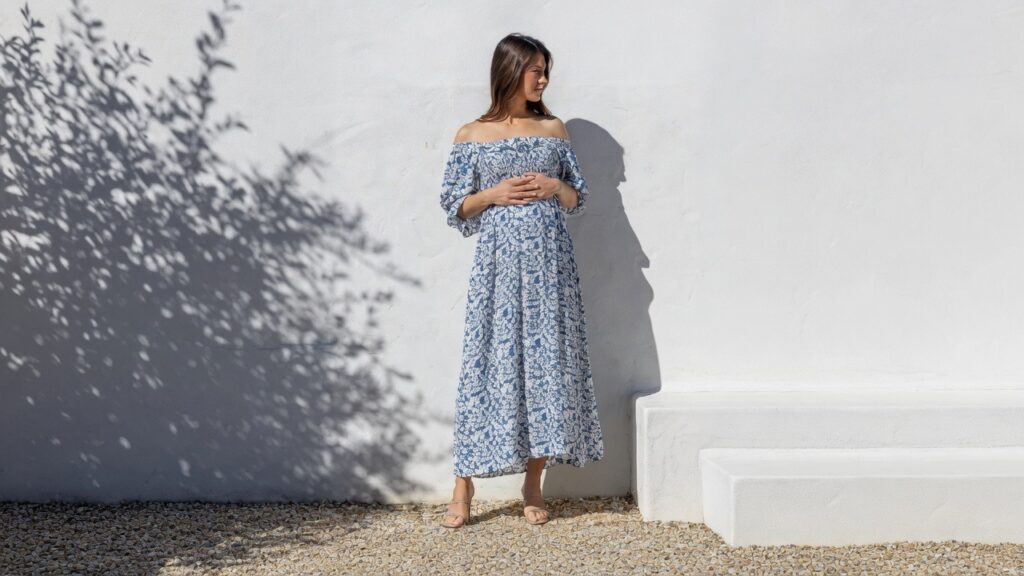
For new mothers, clothing often needs to do much more than simply look good. It should feel comfortable, allow easy movement, and make feeding a baby as simple as possible. Nursing dresses are designed with these needs in mind, combining practical breastfeeding access with the look and feel of a regular dress. Whether you are staying at home, returning to work, attending an event, or simply going out for the day, the right nursing dress can make everyday dressing easier while helping you feel comfortable and well put together.
Motherhood brings many changes, and clothing is often one of them. During pregnancy and after birth, body shape can continue to change for months. Clothes that once felt comfortable may no longer fit or function the same way.
This is where well-designed nursing clothing becomes useful.
A nursing dress can provide flexible sizing, soft fabrics, discreet feeding access, and an easy one-piece outfit that requires very little planning. Instead of coordinating separate tops and bottoms, you can put on one garment and be ready for much of the day.
This guide explains what nursing dresses are, how they work, which styles are available, what fabrics to consider, how to choose the right fit, and how to wear them for different occasions.
What Are Nursing Dresses?
Nursing dresses are dresses specifically designed to make breastfeeding or pumping more convenient.
They usually include hidden openings or adjustable sections that allow access to the breast without requiring the entire dress to be removed or lifted significantly.
These openings may be incorporated into the design through:
- Wrap fronts
- Hidden zippers
- Side openings
- Layered panels
- Button fronts
- Lift-up sections
- Stretch necklines
- Cross-over bodices
The goal is to make feeding easier while keeping the dress practical and visually similar to standard women’s clothing.
Many nursing dresses are also designed for pregnancy, making them useful before and after birth.
Why Nursing Dresses Are Popular With New Mothers
New mothers often need clothes that offer more flexibility than standard fashion.
A nursing dress can simplify dressing while also supporting daily routines.
Easy Breastfeeding Access
The main benefit is convenient feeding access.
Instead of pulling up an entire dress or trying to work around complicated clothing, nursing designs provide specific openings that make feeding more manageable.
This can be particularly helpful when you are outside the home.
Comfortable Fit
Postpartum comfort matters.
Many nursing dresses use soft, flexible fabrics and relaxed shapes that allow the body to move without feeling restricted.
Easy Outfit Planning
A dress is a complete outfit by itself.
This can be helpful when mornings are busy and you do not have time to plan several clothing layers.
Versatile Styling
Nursing dresses are available in casual, workwear, evening, and occasion styles.
This means you do not have to give up your personal style simply because your clothing needs to be practical.
How Nursing Dresses Work
Different designs use different access systems.
Understanding these options can help you choose the style that feels easiest for you.
Wrap-Front Nursing Dresses
Wrap dresses are among the most popular nursing styles.
The front of the dress overlaps, allowing one side to be moved aside for feeding.
This design can also provide flexibility around the waist and bust.
Wrap styles often work well during pregnancy because the fabric can adapt to a changing body shape.
Benefits of Wrap Designs
They can offer:
- Easy feeding access
- Adjustable fit
- Feminine styling
- Flexible sizing
- Comfortable movement
Some wrap dresses are fully adjustable, while others use a fixed faux-wrap design.
Hidden-Zipper Nursing Dresses
Hidden zippers are built into the garment so they are difficult to see when closed.
They may be positioned:
- Under the bust
- Across the chest
- Along the side
- Inside a seam
This style can look very similar to a standard dress.
The zipper can be opened when feeding access is needed and closed afterward.
Why Choose a Hidden-Zipper Style?
Hidden zippers may appeal to women who want a structured or polished look.
They are often used in:
- Work dresses
- Occasion dresses
- Formal nursing dresses
- Fitted maternity styles
Check that the zipper moves smoothly and does not sit in an uncomfortable position.
Layered Nursing Dresses
Layered designs usually include a top panel that can be lifted or moved aside.
A second panel underneath provides coverage while allowing access.
This design is common in casual maternity clothing.
It can be useful for mothers who prefer more fabric coverage during feeding.
Button-Front Nursing Dresses
Button-front dresses provide nursing access by opening the upper buttons.
These designs can look classic and are often easy to wear after the nursing period ends.
They can be found in:
- Shirt dresses
- Linen dresses
- Cotton dresses
- Midi styles
- Casual summer dresses
Buttons should be easy to open and close with one hand where possible.
Stretch-Neckline Nursing Dresses
Some nursing dresses use flexible necklines that can be gently pulled aside.
These designs may work well for casual clothing.
The fabric must have enough stretch to return to shape without becoming loose over time.
Nursing Dresses vs. Regular Dresses
A standard dress can sometimes work for breastfeeding, but not every design is practical.
For example, a high-necked fitted dress with a back zipper may be difficult to feed in because the entire garment may need to be removed or pulled up.
Nursing dresses are designed around access from the beginning.
This makes them generally easier to use during feeding.
Key Differences
Nursing dresses may offer:
- Dedicated feeding openings
- More flexible bust space
- Stretchier fabric
- Adjustable waistlines
- Postpartum-friendly shapes
- Easier one-handed access
A regular dress may still work if it has a wrap neckline, buttons, or a loose stretch design.
However, dedicated nursing features can make feeding more convenient.
Choosing the Right Fabric
Fabric affects comfort, shape, breathability, washing, and how a dress feels against the skin.
New mothers may also wash clothing frequently, so easy-care materials can be useful.
Cotton
Cotton is commonly used in nursing clothing because it is breathable and comfortable.
It can work well for everyday wear and warmer weather.
Cotton blends may provide additional stretch and shape retention.
Jersey
Jersey fabric is soft, flexible, and easy to move in.
It is often used for casual nursing dresses.
Because jersey stretches, it can adapt to changing body shapes and may feel comfortable during the postpartum period.
Modal
Modal is known for its smooth, soft feel.
It can drape well and may be used in relaxed nursing styles.
Modal blends are often chosen for dresses designed for comfort.
Linen
Linen can be a good option for warm weather because of its lightweight feel.
Button-front linen dresses may also provide natural nursing access.
However, linen wrinkles easily, which may or may not matter depending on your style preference.
Stretch Blends
Fabrics containing elastane or similar stretch fibers can improve flexibility.
Stretch is particularly useful around the bust, waist, and hips.
The fabric should still provide enough support to keep the dress from losing shape.
Features to Look for in Nursing Dresses
Not every nursing dress is designed equally.
Several details can affect how practical the garment feels in real life.
Easy Access
You should be able to reach the nursing opening without complicated adjustments.
If the mechanism requires both hands or several steps, it may become inconvenient.
Good Coverage
The dress should offer enough coverage when the nursing panel is closed.
Openings should sit naturally and remain discreet during regular wear.
Comfortable Bust Fit
The bust can change during nursing.
A slightly flexible fit may be more comfortable than a very rigid design.
Adjustable Waist
Drawstrings, elastic waists, belts, and wrap closures can help the dress adapt as your body changes.
Soft Seams
Rough seams can be uncomfortable, especially when carrying or feeding a baby.
Look for smooth construction around the bust and underarm areas.
Machine-Washable Fabric
Clothing may require frequent washing during the newborn stage.
Easy-care fabrics can make daily life simpler.
How to Choose the Right Size
Sizing can be difficult during pregnancy and postpartum.
Your pre-pregnancy size may still be a useful starting point, but every brand fits differently.
Check the Bust Measurement
For nursing dresses, bust fit is especially important.
Your bust may be larger while breastfeeding.
Choose a size that allows enough room without pulling tightly across the chest.
Consider Your Waist and Hips
Postpartum bodies continue to change.
A forgiving waist shape can make the garment more useful over time.
Look at the Size Chart
Do not rely only on your usual clothing size.
Compare your measurements with the size guide for the specific garment.
Consider Fabric Stretch
A stretchy jersey dress may fit differently from a structured cotton or linen dress.
Fabric behavior matters as much as the number on the label.
Nursing Dresses for Pregnancy and Postpartum
Many women prefer clothing that works through multiple stages.
A maternity nursing dress may be designed to accommodate a growing belly during pregnancy and then function for breastfeeding after birth.
This can make the garment useful for longer.
During Pregnancy
Look for:
- Extra room through the stomach
- Stretch fabric
- Empire waistlines
- Adjustable ties
- Wrap silhouettes
After Birth
The same dress may remain useful because adjustable or flexible details allow it to fit as your body changes.
During Nursing
Built-in access makes feeding easier without changing outfits.
Casual Nursing Dresses for Everyday Wear
Casual nursing dresses can be useful for:
- Staying at home
- Shopping
- Coffee outings
- Walks
- Appointments
- Visiting family
- Playgroups
Comfort is usually the main priority.
T-shirt dresses, jersey midi dresses, and relaxed wrap styles are popular options.
Pair them with:
- Sneakers
- Flat sandals
- Cardigans
- Denim jackets
- Crossbody bags
A casual nursing dress should feel easy to move in and simple to wash.
Nursing Dresses for Work
Returning to work while breastfeeding can create new clothing needs.
A work-appropriate nursing dress should look polished while still allowing practical access.
Suitable options may include:
- Shirt dresses
- Midi wrap dresses
- Structured jersey dresses
- Hidden-zip dresses
- Button-front styles
Neutral colors and simple prints can make the dress easier to style with blazers and work shoes.
Practical Work Features
Look for dresses that:
- Resist wrinkling
- Offer discreet openings
- Fit comfortably while sitting
- Work with a nursing bra
- Can be layered with jackets
If you pump during the workday, easy access can also reduce the amount of clothing adjustment required.
Nursing Dresses for Weddings and Events
Breastfeeding does not mean you have to avoid dresses for special occasions.
Formal nursing dresses can combine elegant styling with hidden feeding access.
Popular designs include:
- Wrap maxi dresses
- Lace-overlay dresses
- Empire-waist dresses
- Flutter-sleeve dresses
- Midi dresses with hidden zippers
- Button-front occasion dresses
Choosing an Event Dress
Think about how long you will wear it.
Comfort becomes especially important at weddings, parties, and formal events where you may spend several hours sitting, standing, feeding, and carrying your baby.
Avoid designs that require complicated closures every time you need access.
Summer Nursing Dresses
Warm weather calls for breathable and lightweight clothing.
Cotton, linen blends, modal, and lightweight jersey can feel more comfortable in summer.
Popular summer styles include:
- Sleeveless dresses
- Short-sleeve wrap dresses
- Midi dresses
- Loose button-front dresses
- Nursing sundresses
Choose fabric that does not cling excessively in hot weather.
Breathable designs can also feel more comfortable during feeding.
Winter Nursing Dresses
Nursing in colder weather can be more challenging because several clothing layers may need to be moved.
A nursing-friendly winter outfit should make access possible without removing everything.
Long-sleeve nursing dresses can be layered with:
- Cardigans
- Coats
- Scarves
- Tights
- Boots
A front-access nursing dress underneath outer layers can make feeding easier.
Stretchy knit or jersey fabrics are common choices for winter.
Nursing Dresses for Travel
Travel clothing should be comfortable, practical, and easy to manage.
Nursing dresses can work well for airports, road trips, and holidays because they reduce the number of separate clothing pieces needed.
For travel, look for:
- Wrinkle-resistant fabric
- Pockets
- Easy nursing access
- Stretch
- Breathability
- Easy washing
A darker print may also make small marks less noticeable during long travel days.
The Importance of Pockets
Pockets may seem like a small feature, but they can be extremely useful for mothers.
They can hold:
- A phone
- Tissues
- Pacifiers
- Small baby items
- Keys
Deep side pockets are particularly useful because they do not interfere with the nursing function of the dress.
Choosing the Right Length
Nursing dresses come in mini, knee-length, midi, and maxi styles.
Each length has advantages.
Knee-Length
Easy to move in and suitable for casual or work wear.
Midi
A popular all-purpose length.
It can feel polished while still being practical.
Maxi
Maxi nursing dresses are often chosen for maternity photos, events, holidays, and comfortable everyday wear.
Make sure the hem is not too long if you regularly carry your baby.
Nursing Dresses for Different Body Shapes
There is no single nursing dress silhouette that works for everyone.
The right style is the one that feels comfortable and allows easy access.
Wrap Dresses
Wrap shapes can define the waist and adapt to changes in body size.
Empire Waist Dresses
The waist seam sits below the bust, allowing more room through the stomach and hips.
A-Line Dresses
A-line silhouettes can provide a relaxed fit through the lower body.
Shirt Dresses
Button-front shirt dresses offer adjustable access and a clean shape.
Relaxed Dresses
Loose cuts may feel especially comfortable during the early postpartum stage.
How to Style Nursing Dresses
Nursing dresses can be styled similarly to ordinary dresses.
The main difference is choosing accessories and layers that do not interfere with feeding access.
Add a Cardigan
A lightweight cardigan works well with casual and work dresses.
It can also provide extra warmth during feeding.
Use a Belt
If the dress has a loose shape, a soft belt can create definition.
Avoid tightening it too much if comfort is your priority.
Choose Comfortable Shoes
Sneakers, flats, sandals, and low boots pair easily with most nursing dresses.
Comfortable shoes may be more practical when carrying a baby.
Layer With a Jacket
A denim jacket can make a casual dress feel more structured.
A blazer can make a simple nursing dress more suitable for work.
Nursing Bras and Nursing Dresses
The right bra can make a nursing dress easier to use.
A standard bra may not provide convenient feeding access.
Nursing bras usually have clips, pull-aside cups, or flexible designs.
Before buying a dress, consider whether your preferred nursing bra will remain hidden under the neckline.
Straps and cups should not be visible unless that is part of the intended style.
Common Mistakes When Buying Nursing Dresses
A little planning can help you avoid clothing that looks good online but feels impractical in daily life.
Choosing Style Over Access
A beautiful dress is less useful if the nursing opening is difficult to reach.
Function should be part of the buying decision.
Buying a Very Tight Fit
Breast size can change throughout the day.
A little flexibility may improve comfort.
Ignoring Fabric Care
Delicate fabrics can become inconvenient if they require complicated cleaning.
Buying Too Many at Once
Your body may continue changing after birth.
It can be helpful to start with a few versatile pieces before building a larger wardrobe.
Forgetting About Underwear
Check whether the neckline and openings work with your nursing bra.
How Many Nursing Dresses Do You Need?
There is no exact number that suits everyone.
Your needs depend on:
- How often you wear dresses
- Your work schedule
- Your climate
- Laundry frequency
- Social activities
- Personal style
For someone who wears dresses regularly, a small rotation of casual, work, and occasion options may be useful.
Others may need only one or two dresses for specific situations.
Are Nursing Dresses Worth Buying?
For many breastfeeding mothers, the convenience can make them worthwhile.
They are particularly useful if you:
- Breastfeed frequently
- Spend time outside the home
- Prefer dresses to separates
- Need feeding access at work
- Attend events during the nursing period
- Want clothing that works during pregnancy and postpartum
However, they are not essential for everyone.
Some mothers prefer nursing tops with skirts or pants.
The best choice depends on your lifestyle.
Can Nursing Dresses Be Worn After Breastfeeding?
Yes.
Many modern nursing dresses are designed to look like ordinary clothing.
Once the nursing period ends, hidden zippers, wrap fronts, and layered designs can still function as normal dress details.
Choosing simple, versatile designs can help extend the life of the garment.
How to Care for Nursing Dresses
Always follow the care instructions for the specific fabric.
In general, gentle washing can help preserve shape and stretch.
Wash Promptly When Needed
Milk spills and baby messes are common.
Cleaning stains sooner can make them easier to remove.
Avoid Excessive Heat
High drying temperatures may affect stretchy fabrics.
Close Zippers Before Washing
Hidden zippers can catch on other garments if left open.
Use a Laundry Bag for Delicate Styles
Lace, fine knits, and decorative fabrics may benefit from extra protection.
Building a Practical Nursing Wardrobe
A nursing wardrobe does not need to be large.
Versatile pieces often provide more value than many highly specific outfits.
A simple wardrobe might include:
- One casual nursing dress
- One neutral work-friendly dress
- One relaxed weekend dress
- One occasion dress
- One warm-weather option
These can be styled differently with jackets, shoes, and accessories.
What Makes a Good Nursing Dress?
A good nursing dress should make life easier.
The best designs balance:
- Comfort
- Practical access
- Fit
- Fabric quality
- Style
- Easy care
- Versatility
There is no need for nursing clothing to look obviously different from regular fashion.
Modern designs can be simple, polished, and practical at the same time.
Practical Tips Before Buying Nursing Dresses
Before purchasing, ask yourself a few questions.
Can I Open It With One Hand?
You may often be holding your baby while preparing to feed.
Easy openings are useful.
Does It Work With My Nursing Bra?
Check the neckline and shoulder design.
Can I Sit Comfortably in It?
This is especially important if you feed while seated.
Is the Fabric Easy to Wash?
Frequent washing may be necessary.
Can I Wear It After Nursing?
Versatile designs may offer better long-term value.
Is It Suitable for My Climate?
Choose fabrics and sleeve lengths that match your weather.
Conclusion
Nursing dresses can make breastfeeding and everyday dressing more convenient by combining practical feeding access with comfortable, wearable style. The best option depends on your routine, body shape, climate, and personal preferences, but useful features often include soft fabrics, flexible sizing, discreet openings, adjustable waistlines, and easy-care construction. From relaxed jersey dresses for home to polished work styles and elegant occasion dresses, there are options for many parts of daily life. Choosing versatile nursing dresses that feel comfortable and work with your preferred nursing bra can help you build a practical wardrobe that supports both pregnancy and postpartum changes while still feeling like your own style.
FAQs
What are nursing dresses?
Nursing dresses are garments designed with discreet openings or adjustable sections that make breastfeeding or pumping easier without requiring the entire dress to be removed.
Can I wear nursing dresses during pregnancy?
Many nursing dresses are also designed for maternity wear. Stretch fabrics, wrap fronts, empire waists, and adjustable details can accommodate a growing pregnancy belly and continue working after birth.
What is the best style of nursing dress?
The best style depends on personal preference. Wrap dresses, button-front dresses, layered designs, and hidden-zip styles are all popular because they provide convenient feeding access.
Are nursing dresses suitable for work?
Yes. Nursing dresses are available in professional styles such as shirt dresses, midi dresses, structured jersey designs, and hidden-zip dresses that can work well in office environments.
Can nursing dresses be worn after breastfeeding ends?
Yes. Many nursing dresses look similar to regular dresses and can continue to be worn long after breastfeeding ends.
What fabric is best for nursing dresses?
Cotton, jersey, modal, linen blends, and stretch fabrics are popular options. The best choice depends on climate, comfort preference, and how much flexibility you want.
How should nursing dresses fit?
They should feel comfortable around the bust, waist, and hips without restricting movement. Some extra flexibility around the bust can be useful because breast size may change during nursing.
How many nursing dresses should I buy?
There is no fixed number. Start with a few versatile nursing dresses that suit your daily routine, climate, work needs, and social activities, then add more if you find yourself wearing them regularly.