
Keeping a yard clean becomes much easier when you have the right equipment, and a leaf blower can save considerable time when dealing with fallen...
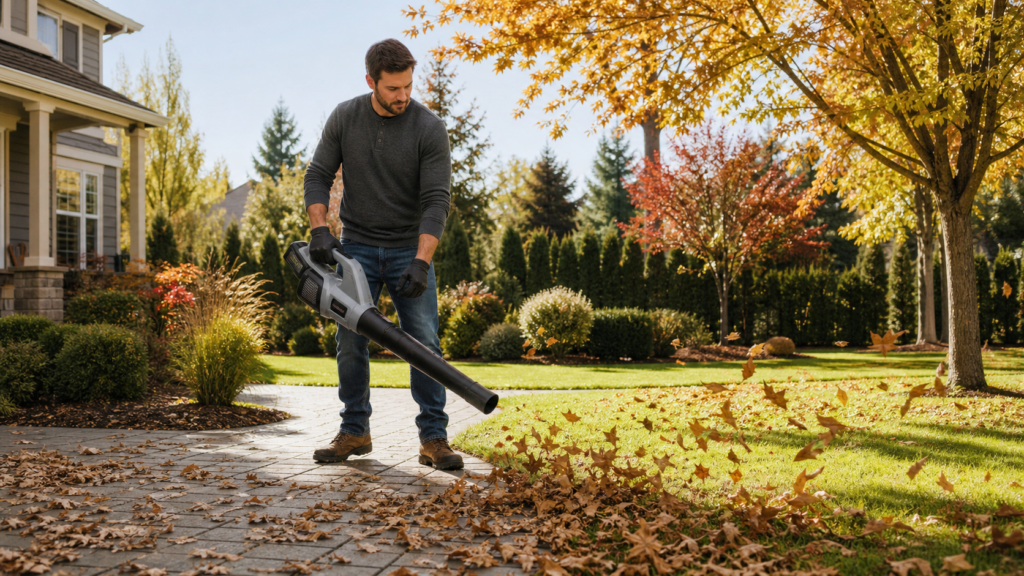
Keeping a yard clean becomes much easier when you have the right equipment, and a leaf blower can save considerable time when dealing with fallen leaves, grass clippings, light debris, and routine outdoor cleanup. Instead of sweeping large driveways or raking every corner of a lawn by hand, you can use controlled airflow to move debris into manageable piles or direct it toward a collection area. However, different models offer very different levels of power, weight, noise, runtime, and convenience, so understanding how they work can help you choose the right option.
A blower is not simply a seasonal tool for autumn. Many homeowners use one throughout the year to clean patios, garages, sidewalks, decks, garden paths, and outdoor workspaces.
The best choice depends on the size of your property, the amount of debris you normally handle, how frequently you plan to use the machine, and whether you prefer battery, electric, or gas-powered equipment.
What Is a Leaf Blower?
A leaf blower is an outdoor power tool that produces a concentrated stream of air through a tube or nozzle.
That airflow moves lightweight outdoor debris such as leaves, dry grass, small twigs, dust, and loose dirt. The operator directs the nozzle toward the ground and pushes debris into piles, away from walkways, or toward another collection point.
Some models are designed primarily for smaller residential properties, while others produce enough airflow for large yards, commercial landscapes, parks, and professional maintenance work.
The tool may be handheld, backpack-mounted, wheeled, corded, battery-powered, or gas-powered.
Why Use a Leaf Blower?
Traditional raking remains useful, especially when collecting heavy piles of leaves. However, blowing can dramatically speed up the first stage of yard cleanup.
Instead of manually gathering leaves from every corner, you can move them toward one central area.
This is especially helpful around:
- Driveways
- Walkways
- Patios
- Decks
- Garden beds
- Fences
- Outdoor furniture
- Garages
- Lawn edges
- Trees and shrubs
Blowers are also useful after mowing because they quickly remove loose grass clippings from sidewalks and paved areas.
For larger yards, this can reduce the time and physical effort required for routine maintenance.
Main Types of Leaf Blowers
Understanding the main types available makes comparing models much easier.
Cordless Battery Leaf Blowers
Battery-powered models have become extremely popular because they combine mobility with relatively simple operation.
You do not need to manage an extension cord or keep fuel on hand. Insert a charged battery, start the tool, and begin working.
Modern cordless equipment can provide strong airflow, especially when paired with higher-voltage battery systems.
Battery models are often suitable for:
- Small yards
- Medium-sized residential properties
- Patios
- Driveways
- Sidewalks
- Routine lawn maintenance
One major advantage is convenience. Starting is normally immediate, and there is little routine engine maintenance.
Battery compatibility can also matter. If you already own outdoor tools that use the same battery platform, choosing another compatible product may reduce the number of batteries and chargers you need.
Corded Electric Leaf Blowers
Corded models receive continuous power from an electrical outlet.
They can be useful for homeowners with smaller properties where an extension cord can easily reach the entire working area.
Because there is no battery to recharge, runtime is effectively unlimited as long as electrical power is available.
Corded blowers are generally:
- Lightweight
- Easy to start
- Simple to maintain
- Suitable for smaller yards
The main disadvantage is mobility. The cord can limit movement and may become inconvenient around trees, garden furniture, vehicles, or large landscapes.
Gas-Powered Leaf Blowers
Gas-powered models have traditionally been associated with high power and long working sessions.
They are commonly used for larger properties or demanding cleanup jobs.
However, they require fuel, engine maintenance, and more frequent servicing than many electric alternatives.
Gas units may also be heavier and louder.
For homeowners with ordinary residential yards, battery technology has made cordless equipment increasingly practical. Gas equipment still has a place where extended runtime and demanding performance are priorities.
Handheld vs Backpack Leaf Blowers
Power source is only one part of the decision.
You should also consider how the machine is carried.
Handheld Models
Handheld blowers are compact and easy to grab for quick cleanup.
The motor, handle, and blower tube form one portable unit.
They work well for tasks such as:
- Clearing a driveway
- Cleaning a patio
- Blowing leaves from a small lawn
- Removing grass from sidewalks
- Tidying outdoor work areas
Weight becomes important if you expect to use the blower for long periods.
Even a machine that feels light for five minutes can become tiring after an extended session.
Backpack Models
Backpack blowers distribute most of the machine’s weight across the shoulders and back.
The operator holds the blower tube while the motor or battery system sits behind them.
This design is useful for larger properties because it reduces strain on the arms during longer cleanup sessions.
Backpack equipment is particularly useful when dealing with large quantities of leaves across wide areas.
Understanding CFM and MPH
Two specifications appear frequently when comparing blowers: CFM and MPH.
Understanding both helps you evaluate actual performance.
What Is CFM?
CFM means cubic feet per minute.
It measures the volume of air moving through the blower.
Higher CFM generally means the machine can move a larger quantity of leaves or debris at once.
For example, when clearing a broad lawn covered with dry leaves, strong airflow volume can help move wide piles efficiently.
What Is MPH?
MPH measures airspeed.
Higher airspeed can help dislodge stubborn debris or wet leaves that are stuck to pavement or grass.
However, MPH alone does not tell the entire story.
A narrow stream moving very quickly may have high airspeed but move less total debris than a wider stream with strong air volume.
Why Both Numbers Matter
Think of CFM as how much air the tool moves and MPH as how fast that air travels.
A well-balanced machine offers enough airflow and airspeed for the type of cleanup you regularly perform.
For ordinary residential use, practical handling and control can be more important than simply choosing the highest numbers available.
How to Choose the Right Leaf Blower
The right choice depends on your property and working habits.
Consider Your Yard Size
A small urban yard may only require a lightweight cordless or corded machine.
A large property with mature trees may benefit from stronger airflow, longer battery runtime, or backpack-style equipment.
Think about the total area you usually clean rather than focusing only on lawn size.
Driveways, patios, pathways, and garden areas also contribute to the workload.
Consider the Type of Debris
Dry leaves are relatively easy to move.
Wet leaves, pine needles, small twigs, and compacted lawn debris require more force.
If your property frequently collects heavier material, look for stronger performance and good speed control.
Think About Runtime
Battery runtime varies depending on:
- Battery capacity
- Motor efficiency
- Power setting
- Boost or turbo use
- Temperature
- Density of debris
Running continuously at maximum power usually drains batteries faster.
Many users benefit from variable speed because it allows them to use lower power for light cleanup and reserve maximum output for difficult areas.
Evaluate Weight and Balance
Specifications can look impressive, but comfort matters just as much.
A well-balanced tool is easier to control and less tiring.
Consider how long you typically work during one session.
If you regularly spend significant time clearing leaves, a backpack design or lighter handheld model may be more comfortable.
Benefits of Cordless Leaf Blowers
Cordless equipment has several practical advantages.
Fast Startup
There is usually no engine priming or pull cord.
You simply insert a charged battery and activate the controls.
Low Routine Maintenance
Battery-powered equipment eliminates many engine-related maintenance tasks.
There is no fuel mixture, spark plug replacement, or carburetor servicing in ordinary use.
Easy Storage
Cordless units can be stored in garages, sheds, or utility spaces without keeping gasoline nearby.
Better Mobility Than Corded Equipment
Without an extension cord, you can move freely across the property.
This makes it easier to work around trees, vehicles, garden furniture, and fences.
Useful for Quick Jobs
Battery models are convenient when you only need a few minutes of cleanup.
You can quickly clear a walkway after mowing or remove leaves from the patio without preparing additional equipment.
Important Features to Look For
Features can significantly affect everyday usability.
Variable Speed Control
Variable speed allows you to adjust airflow according to the task.
Lower speeds work well near delicate garden areas, while higher speeds handle heavier debris.
Turbo or Boost Mode
Some models include a temporary high-output mode.
This can be useful when dealing with stubborn wet leaves or compacted debris.
Because high output usually consumes more energy, boost mode is best used selectively.
Cruise Control
Cruise control allows the machine to maintain a selected airflow level without requiring constant trigger pressure.
This feature can reduce hand fatigue during longer cleanup sessions.
Adjustable Nozzle
Different nozzle shapes can change airflow characteristics.
A narrow nozzle concentrates the air, while a wider opening may help move larger areas of lightweight debris.
Brushless Motor
Many modern cordless tools use brushless motors.
These motors can provide efficient power delivery and reduce maintenance compared with traditional brushed designs.
Comfortable Grip
Handle design can make a noticeable difference during extended use.
Look for a comfortable grip and good balance between the motor, battery, and nozzle.
How to Use a Leaf Blower Effectively
Technique can make yard cleanup faster and more controlled.
Plan Where the Leaves Will Go
Before turning on the blower, decide where you want the debris to end up.
Choose a central collection point.
Working without a plan often causes leaves to move back into areas you already cleaned.
Work From the Outside In
Start around the edges of the property and gradually direct leaves toward the collection area.
This method prevents you from constantly crossing cleaned sections.
Keep the Nozzle Low
Pointing the nozzle toward the ground usually provides better control.
Holding it too high can scatter leaves instead of moving them in a consistent direction.
Use Sweeping Motions
Move the nozzle gradually from side to side.
Controlled sweeping motions help push a broad section of debris without creating unnecessary turbulence.
Use Lower Power Around Delicate Areas
High airflow can disturb mulch, gravel, flowers, or lightweight garden decorations.
Reduce power when working near planted areas.
Save Maximum Power for Difficult Debris
Constant full-power operation is rarely necessary.
Use higher settings for wet leaves, corners, or stubborn debris.
Lower settings are often sufficient for dry leaves on pavement.
Best Way to Clear a Lawn
Large lawns require a slightly different approach than patios or driveways.
Start along the perimeter and move leaves toward one side of the yard.
Create several smaller piles instead of trying to push everything across the entire property at once.
Once the leaves are grouped together, you can:
- Bag them
- Compost them
- Move them to a designated collection area
- Mulch them if appropriate
- Transfer them using a rake or tarp
Using the blower for movement and a rake for final collection is often more efficient than relying entirely on one tool.
Using a Leaf Blower on a Driveway
Driveways are among the easiest areas to clean because the smooth surface allows debris to move quickly.
Begin near the garage or house and work toward the street or collection area.
Use medium airflow for loose leaves and grass.
Higher power may be useful for wet debris stuck to the pavement.
Pay attention to nearby vehicles, windows, doors, and pedestrians.
Avoid directing stones or gravel toward people or property.
Using a Leaf Blower After Mowing
Grass clippings often collect along sidewalks, driveways, curbs, and patios after mowing.
A blower can quickly return loose clippings to the lawn or move them into a collection area.
This gives the property a cleaner finished appearance.
Using lower or medium power is normally enough for fresh grass clippings.
There is usually no need to operate at maximum speed unless the clippings are wet or compacted.
Safety Tips for Using a Leaf Blower
Outdoor power equipment should always be used carefully.
Wear Eye Protection
Airflow can lift dust, stones, twigs, and other small debris.
Safety glasses help protect your eyes.
Consider Hearing Protection
Some machines can produce significant noise.
Hearing protection may be appropriate during longer sessions.
Wear Closed-Toe Shoes
Strong footwear protects your feet from debris and helps provide better traction on uneven surfaces.
Keep People Away From the Work Area
Never direct the nozzle toward another person.
Children and pets should remain away from the immediate working area.
Watch for Loose Objects
Small rocks, toys, garden decorations, and other objects can become projectiles when hit by concentrated airflow.
Inspect the area before starting.
Avoid Unsafe Weather Conditions
Be cautious when working around standing water, severe wind, or storms.
Outdoor electrical equipment should always be used according to its operating instructions.
How Weather Affects Performance
Weather conditions can change how easily leaves move.
Dry Conditions
Dry leaves are lightweight and generally easy to blow.
These conditions allow you to use lower power and extend battery runtime.
Wet Conditions
Wet leaves stick together and become heavier.
More airflow and airspeed may be needed.
For particularly wet piles, combining blowing with a rake may be more efficient.
Windy Conditions
Strong natural wind can either help or complicate the job.
Whenever possible, work with the wind rather than against it.
Direct debris in the same general direction as the natural airflow.
Leaf Blower Maintenance Tips
Regular maintenance helps keep equipment reliable.
Keep Air Vents Clean
Blocked vents can reduce cooling and performance.
Inspect them after use and remove accumulated debris.
Inspect the Blower Tube
Check the tube and nozzle for cracks, loose connections, or blockages.
Proper airflow depends on an unobstructed path.
Clean the Exterior
Wipe away dirt, grass, and dust before storing the machine.
Avoid allowing debris to build up around controls or ventilation openings.
Maintain Batteries Properly
For cordless models, follow proper battery storage and charging practices.
Avoid exposing batteries to excessive heat, moisture, or physical damage.
Using the correct charger is also important.
Check Gas Equipment Regularly
Gas-powered models may require additional maintenance involving fuel, filters, spark plugs, and other engine components.
Follow the machine’s recommended service schedule.
How to Improve Battery Runtime
Battery life can become an important factor during larger jobs.
One of the easiest ways to improve runtime is to avoid operating at maximum output continuously.
Use the lowest effective setting for each task.
Dry leaves on pavement often require much less power than wet material on grass.
Keeping batteries properly charged and stored in appropriate conditions can also support consistent performance.
For larger properties, owning a second compatible battery may allow you to continue working while another battery charges.
Noise and Neighborhood Considerations
Noise can become an issue in residential areas.
Even when equipment is permitted, using it thoughtfully can improve relationships with neighbors.
Avoid operating very early in the morning or late at night.
Some communities may have specific rules about outdoor power equipment or permitted operating times.
Battery-powered equipment often produces less engine noise than traditional gas machinery, although airflow itself still creates sound.
Environmental Considerations
Different blower types have different operating characteristics.
Corded and battery-powered models do not create exhaust during use.
Gas-powered equipment burns fuel and requires additional engine components and maintenance.
Battery tools also require responsible battery storage and eventual recycling.
Choosing the right size machine can reduce unnecessary energy use.
A homeowner with a small patio does not necessarily need the same equipment as someone maintaining several acres.
Common Leaf Blower Mistakes to Avoid
Using a blower effectively involves more than simply selecting maximum power.
Starting Without a Cleanup Plan
Randomly blowing leaves around the property often creates extra work.
Choose the final collection area first.
Using Too Much Power
Maximum airflow can scatter debris rather than control it.
Start lower and increase power only when necessary.
Ignoring Wind Direction
Working directly against strong natural wind wastes effort.
Use wind direction to your advantage whenever possible.
Blowing Gravel or Stones
Loose stones can damage property or cause injury.
Reduce airflow around gravel surfaces and maintain a safe direction.
Neglecting Maintenance
Dirty vents, damaged tubes, or poorly maintained batteries can affect performance over time.
Simple routine care helps prevent avoidable problems.
Is a More Powerful Leaf Blower Always Better?
Not necessarily.
High-performance machines can move heavy debris quickly, but they may also be heavier, louder, or more expensive.
For a small property, excessive power can make delicate cleanup harder.
The best machine is the one that matches your normal workload.
Consider control, comfort, runtime, storage, and handling alongside maximum airflow specifications.
Leaf Blower vs Rake
Both tools have advantages.
A rake provides excellent control and works without electricity or fuel.
It is especially useful for gathering dense piles and working close to plants.
A blower covers open areas much faster.
Instead of choosing one or the other, many homeowners use both.
The blower moves leaves into piles, while the rake handles final collection.
This combination can reduce physical effort while still providing precise cleanup.
Leaf Blower vs Leaf Vacuum
Some outdoor tools can vacuum and mulch leaves rather than simply blowing them.
A blower is best when your primary goal is moving debris quickly.
A vacuum can be useful when you want to collect leaves directly.
Combination tools provide both functions, although changing between modes may require attachments or configuration changes.
Your best option depends on whether you prefer to pile leaves first or collect them immediately.
When Is the Best Time to Use a Leaf Blower?
Dry conditions are usually ideal.
Leaves move more easily when they are not saturated with water.
Mid-morning or afternoon can be convenient because overnight moisture may have had time to evaporate.
Avoid periods when strong wind is likely to carry leaves back across the property.
If possible, clean smaller amounts regularly rather than allowing thick layers to accumulate.
Routine maintenance is usually faster than tackling one extremely large cleanup.
Can You Use a Leaf Blower Year-Round?
Yes.
Although autumn leaf removal is the most obvious use, many homeowners use blowers throughout the year.
Spring cleanup may involve removing dry plant debris from paths and patios.
Summer use often includes clearing grass clippings after mowing.
During other seasons, the tool can help remove dust and lightweight debris from garages, decks, driveways, or outdoor workspaces.
This versatility makes the equipment useful beyond a single season.
Choosing Between Battery and Gas Models
Battery and gas equipment each suit different users.
Choose battery power if you prioritize:
- Easy startup
- Reduced routine maintenance
- Convenient storage
- Lower operating noise
- Residential yard work
Consider gas equipment if your priority is extended heavy-duty operation and your property demands long sessions without charging interruptions.
For many homeowners, improvements in cordless technology have made battery-powered machines practical for everyday lawn maintenance.
Storage Tips
Proper storage helps protect the machine between uses.
Clean the blower before putting it away.
Remove leaves and dirt from the intake area and tube.
For cordless equipment, store the battery in a dry location protected from excessive temperatures.
Avoid placing heavy objects on top of the blower tube.
Wall hooks, shelves, or dedicated tool racks can help keep equipment organized and prevent accidental damage.
Gas-powered equipment may require additional storage preparation depending on how long it will remain unused.
How Much Power Does a Typical Homeowner Need?
There is no single airflow level that works for every property.
A homeowner with a small paved courtyard needs much less performance than someone managing a large lawn surrounded by mature trees.
Instead of focusing only on maximum specifications, think about your most difficult regular task.
If you mainly clear dry leaves and grass clippings, moderate performance may be enough.
If you frequently handle wet leaves, pine needles, or heavy seasonal buildup, stronger airflow can make the job easier.
What Makes a Leaf Blower Comfortable to Use?
Comfort depends on several factors.
Weight is important, but balance matters just as much.
A machine with good weight distribution may feel easier to handle than a lighter model with poor balance.
Trigger design, grip size, vibration, tube length, and battery position also influence comfort.
For long sessions, cruise control can reduce the need to hold the trigger continuously.
Backpack models are another option when arm fatigue becomes a concern.
How to Get Better Results With Less Effort
Efficient yard cleanup comes down to technique.
Begin with dry conditions whenever possible.
Choose one direction for the debris.
Start at the edges.
Work in sections.
Use controlled sweeping movements instead of constantly changing direction.
Keep the airflow close to the ground.
Use maximum power only when necessary.
Once the debris reaches the collection area, switch to a rake, tarp, bag, or other collection method.
This workflow prevents wasted movement and usually makes the entire job faster.
Conclusion
A leaf blower can make routine outdoor maintenance faster, easier, and more manageable when you choose a model that suits your property and use it with the right technique. Battery, corded, gas, handheld, and backpack designs all serve different needs, so the best option depends on yard size, debris type, runtime requirements, comfort, and maintenance preferences. Understanding airflow measurements, using variable speed wisely, working with natural wind, and maintaining the equipment properly can improve both performance and convenience. Instead of simply choosing the most powerful machine available, focus on finding a balanced tool that matches the cleanup jobs you actually perform throughout the year.
Frequently Asked Questions
What is a leaf blower mainly used for?
A leaf blower is mainly used to move fallen leaves, grass clippings, dust, and lightweight outdoor debris from lawns, driveways, patios, sidewalks, and other surfaces.
Is a battery leaf blower powerful enough for home use?
For many residential properties, a modern battery-powered model can provide enough airflow for routine leaf removal, driveway cleanup, grass clippings, and general yard maintenance.
What do CFM and MPH mean on a leaf blower?
CFM measures how much air the blower moves, while MPH measures how fast the air travels. Both specifications help indicate overall blowing performance.
Can I use a leaf blower on wet leaves?
Yes, but wet leaves are heavier and may require stronger airflow. Allowing them to dry first can make cleanup easier and reduce the amount of power required.
Should I choose a handheld or backpack model?
A handheld model is convenient for smaller and medium-sized cleanup jobs. A backpack model may be more comfortable when working for longer periods or maintaining a larger property.
Can a leaf blower replace a rake completely?
Not always. A blower is excellent for moving leaves into piles, while a rake can provide better control when collecting thick or compacted debris. Many homeowners use both tools together.
How can I make my cordless leaf blower battery last longer?
Use lower speeds whenever possible, avoid running turbo mode continuously, keep batteries properly charged, and use higher power only for stubborn or heavy debris.
Can a leaf blower be used outside autumn?
Yes. It can be useful throughout the year for cleaning grass clippings, patios, garages, pathways, decks, driveways, and other outdoor areas.