
Choosing the right home furniture can change how comfortable, organized, and enjoyable your living space feels every day. Furniture is more than decoration. A sofa...
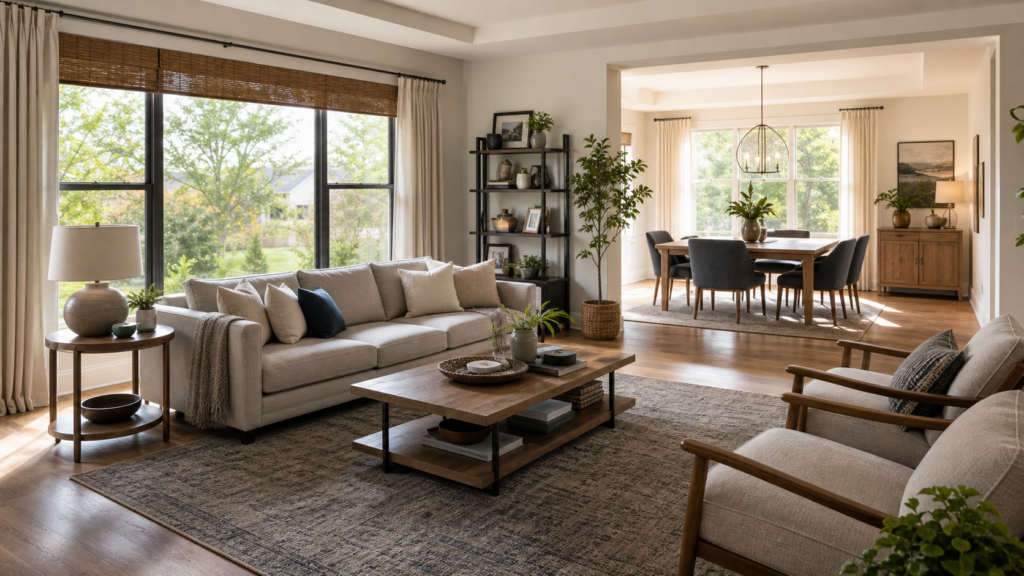
Choosing the right home furniture can change how comfortable, organized, and enjoyable your living space feels every day. Furniture is more than decoration. A sofa supports relaxation, a dining table brings people together, storage pieces control clutter, and a well-planned bed can make a bedroom feel peaceful instead of crowded. The best choices balance appearance with comfort, available space, durability, and the way you actually use each room.
Furniture shopping can feel overwhelming because there are so many styles, materials, sizes, and price ranges available. A piece may look impressive in a showroom but feel too large once it enters your living room. Another item may fit perfectly but fail to provide the storage, support, or durability your household needs.
A thoughtful approach makes the process much easier.
Instead of furnishing a home around trends alone, consider how each room functions, who uses it, how much space is available, and which pieces deserve a larger portion of your budget.
Why the Right Furniture Matters
Furniture shapes both the appearance and usability of a home.
The right pieces can make a compact room feel organized and spacious. Poorly selected furniture can make even a large room feel cramped.
Comfort also matters.
A stylish sofa that feels uncomfortable after twenty minutes will rarely become a favorite place to relax. A beautiful dining chair that lacks support can make long meals less enjoyable.
Good furniture should support everyday routines.
This may include:
- Relaxing after work
- Hosting guests
- Eating meals
- Working from home
- Watching television
- Reading
- Sleeping
- Storing clothing
- Organizing household items
- Spending time with family
Before choosing furniture, think about the activities that happen most often in your home.
Start With Your Lifestyle
Your lifestyle should influence your furniture more than any trend.
A household with young children may prioritize durable fabrics, rounded edges, and easy-to-clean surfaces.
Pet owners may prefer upholstery that can tolerate frequent use and is easier to maintain.
Someone who entertains regularly may need additional seating, extendable dining furniture, or flexible side tables.
A person living alone in a compact apartment may benefit more from multifunctional pieces.
Ask yourself several practical questions before shopping.
How many people regularly use the space?
Do you entertain frequently?
Do you need extra storage?
Do you move furniture often?
Are there pets or children in the household?
Do you prefer formal rooms or relaxed spaces?
Your answers will help narrow down the most useful options.
Measure the Room Before Choosing Furniture
Measurements are one of the most important parts of furniture planning.
Never rely only on how large or small a piece appears in a photograph.
Measure:
- Room length
- Room width
- Ceiling height
- Doorways
- Hallways
- Staircases
- Window locations
- Electrical outlets
- Heating vents
- Existing furniture
You should also measure the path the furniture must travel during delivery.
A sofa may fit perfectly in the living room but still be impossible to move through a narrow doorway or staircase.
Create a Simple Floor Plan
You do not need professional design software.
Sketch the room on paper and mark major architectural features.
Then note approximate furniture dimensions.
This helps you visualize spacing before committing to a purchase.
Leave enough room for comfortable movement.
People should be able to walk through the room without constantly moving around tables, chairs, or cabinet corners.
Choosing Furniture for the Living Room
The living room often contains some of the most frequently used furniture in the house.
For many households, the sofa becomes the main piece.
Choose the Sofa First
Because sofas are large and visually dominant, it often makes sense to select one before choosing smaller accessories.
Consider:
- Number of seats
- Overall width
- Seat depth
- Cushion firmness
- Arm style
- Upholstery
- Frame construction
- Color
- Maintenance needs
Deep sofas may feel comfortable for lounging, while shallower seats can provide better upright support.
The correct choice depends on how you prefer to sit.
Sectional or Traditional Sofa?
A sectional can provide generous seating and work well in large family rooms.
However, it requires careful planning.
Large sectionals can dominate compact spaces and limit layout flexibility.
Traditional sofas are often easier to reposition.
You can combine them with chairs, ottomans, or loveseats to create a more adaptable seating arrangement.
Add Accent Chairs
Accent chairs provide flexible seating and can introduce additional color or texture.
They can also help balance the room visually.
Choose chairs that complement the sofa without necessarily matching it exactly.
A room often feels more natural when furniture coordinates rather than appearing identical.
Coffee Tables and Side Tables
Tables support everyday activities while helping organize the seating area.
A coffee table can hold:
- Drinks
- Books
- Remote controls
- Decorative items
- Snacks
- Serving trays
Choose a size that works with your seating arrangement.
An oversized coffee table may block movement, while a very small one can look disconnected from a large sofa.
Consider Storage Tables
Coffee tables with drawers, shelves, or lift-up tops can be particularly useful in smaller homes.
They provide a place to hide everyday clutter while keeping important items nearby.
Side tables should also be easy to reach from the seating position.
TV Stands and Media Furniture
Modern televisions may be wall-mounted, but media furniture remains useful for storage and organization.
A TV stand or media console can hold:
- Entertainment equipment
- Game consoles
- Remotes
- Speakers
- Books
- Decorative objects
- Cables
Choose a unit that is proportionate to the television and the wall.
A very narrow stand beneath a large screen may look visually unbalanced.
Closed cabinets can help reduce clutter, while open shelving creates easier access to equipment.
Dining Room Furniture
The dining table is usually the central piece in a dining area.
Its size should reflect both the room and the number of people who regularly eat there.
Choosing the Right Dining Table Shape
Rectangular tables work well in many traditional dining rooms.
Round tables can make conversation easier and may improve movement in smaller spaces.
Square tables suit compact rooms but may feel restrictive for larger groups.
Oval tables provide a softer appearance while still offering substantial seating space.
Consider an Extendable Table
An extendable dining table is useful when daily household needs differ from entertaining needs.
You can keep the table compact during normal use and increase the surface area when guests arrive.
This flexibility can be valuable in smaller homes.
Choosing Dining Chairs
Dining chairs should offer enough support for comfortable meals.
Check:
- Seat height
- Seat width
- Back support
- Cushioning
- Arm clearance
- Fabric durability
Make sure the chair height works with the table.
There should be enough space between the seat and tabletop for comfortable legroom.
Chairs with arms may require additional clearance.
Bedroom Furniture Essentials
A bedroom should feel comfortable rather than overcrowded.
The bed is the most important furniture piece, but storage and bedside furniture also affect everyday convenience.
Choosing the Right Bed Size
Consider both personal comfort and room dimensions.
A larger bed may sound appealing, but it should not eliminate essential walking space.
Leave enough room to move around the bed and access wardrobes, drawers, and doors.
Bed Frames
Bed frames are available in many styles, including:
- Platform beds
- Upholstered beds
- Wooden frames
- Metal frames
- Storage beds
- Adjustable bases
Storage beds can be particularly useful in small bedrooms.
Drawers or lift-up compartments provide space for bedding, seasonal clothing, or other items.
Nightstands
Nightstands provide convenient storage beside the bed.
They typically hold:
- Lamps
- Phones
- Books
- Water
- Alarm clocks
- Personal items
Choose a nightstand height that works with the mattress.
The top surface should be easy to reach while sitting or lying in bed.
Dressers and Chests
Dressers provide horizontal storage, while tall chests use vertical space.
A wide dresser may work well in a spacious room.
A tall chest can be more practical when floor space is limited.
Always consider safe placement and appropriate securing methods for tall or heavy storage furniture where needed.
Home Office Furniture
Remote work and home study have made office furniture increasingly important.
Comfort and ergonomics should come before appearance.
Choosing a Desk
The desk should provide enough surface area for the equipment you use regularly.
Consider space for:
- Laptop
- Monitor
- Keyboard
- Mouse
- Documents
- Lighting
- Chargers
- Office supplies
Built-in drawers can provide convenient storage, but a simple open desk may make a compact room feel lighter.
Invest in a Comfortable Office Chair
An office chair may be used for many hours each week.
Look for adjustable features that support your sitting position.
These may include:
- Seat height adjustment
- Lumbar support
- Adjustable armrests
- Backrest adjustment
- Comfortable cushioning
- Swivel movement
Comfort should be tested whenever possible.
Entryway Furniture
The entryway is the first area people see when entering a home.
It also handles shoes, bags, keys, coats, and other daily essentials.
Useful furniture may include:
- Console tables
- Benches
- Shoe cabinets
- Coat racks
- Small storage cabinets
A bench can provide seating while putting on shoes.
Models with hidden storage provide even more functionality.
Furniture for Small Spaces
Small homes require careful planning.
Every piece should justify the space it occupies.
Choose Multifunctional Furniture
Useful options include:
- Storage ottomans
- Sofa beds
- Nesting tables
- Extendable dining tables
- Storage benches
- Beds with drawers
- Foldable desks
Furniture that serves more than one purpose reduces the number of separate pieces you need.
Use Vertical Space
When floor space is limited, look upward.
Tall bookcases, wall shelving, and vertical storage cabinets increase storage capacity without occupying much additional floor area.
Avoid Oversized Pieces
Large furniture can make a compact room feel smaller than it is.
Choose appropriately scaled pieces.
A compact sofa with slim arms may provide almost as much seating space as a bulky model while taking up significantly less room.
Understanding Furniture Materials
Furniture material affects appearance, maintenance, durability, weight, and cost.
Solid Wood Furniture
Solid wood is valued for its natural appearance and durability.
Different wood species have different colors and grain patterns.
Wood furniture may develop minor marks over time, but quality pieces can remain useful for many years.
Maintenance depends on the finish.
Avoid exposing wood surfaces to excessive moisture or prolonged direct sunlight.
Engineered Wood
Engineered materials can provide an affordable alternative to solid wood.
They are commonly used in:
- Shelving
- Cabinets
- Desks
- TV stands
- Bedroom furniture
Quality varies considerably.
Look beyond the material name and consider construction, hardware, finish, and intended use.
Metal Furniture
Metal can be used for:
- Frames
- Legs
- Shelving
- Beds
- Tables
- Chairs
Metal furniture often creates a modern or industrial appearance.
It can also provide strong structural support without excessive bulk.
Glass Furniture
Glass tables can help a room feel visually open.
Because transparent surfaces do not block the view across a room, they are often useful in smaller spaces.
However, glass requires frequent cleaning and may not suit every household.
Consider safety, maintenance, and everyday use before choosing large glass surfaces.
Upholstered Furniture
Upholstery affects both comfort and maintenance.
Common options include natural fabrics, synthetic fabrics, leather, and various blended materials.
Think about:
- Stain resistance
- Texture
- Cleaning requirements
- Durability
- Household activity
- Pets
- Children
A beautiful fabric is not necessarily practical for every household.
Furniture Style and Interior Design
Furniture does not have to match perfectly.
In fact, mixing compatible pieces can create a more natural home.
Popular furniture styles include:
- Modern
- Contemporary
- Traditional
- Farmhouse
- Scandinavian
- Industrial
- Mid-century inspired
- Rustic
- Transitional
- Minimalist
Choose a general direction rather than trying to follow every style rule.
Modern Furniture
Modern furniture often features:
- Clean lines
- Simple shapes
- Minimal decoration
- Neutral tones
- Functional design
It works particularly well in uncluttered interiors.
Traditional Furniture
Traditional pieces may include:
- Detailed woodwork
- Curved shapes
- Classic upholstery
- Rich finishes
- Formal proportions
These pieces can create a warm and established appearance.
Transitional Furniture
Transitional style combines traditional comfort with cleaner contemporary lines.
It is a useful choice for homeowners who want a balanced interior without committing strongly to one design period.
Choosing Furniture Colors
Color has a major influence on the atmosphere of a room.
Large furniture pieces are often easier to live with when they use versatile colors.
Neutral shades may include:
- Beige
- Cream
- Gray
- Brown
- Taupe
- Black
- White
You can introduce stronger colors through smaller furniture, rugs, cushions, curtains, and artwork.
However, there is no rule requiring large furniture to remain neutral.
If you genuinely enjoy a bold sofa or colorful cabinet, it can become a strong focal point.
How to Mix Furniture Without Making a Room Look Random
Mixing different furniture pieces can create personality, but some connection should exist between them.
You can repeat one or more elements, such as:
- Wood tone
- Metal finish
- Upholstery color
- Shape
- Design period
- Texture
For example, two different chairs may still look connected if both have similar wooden legs.
A coffee table and media console may coordinate through matching metal details.
The goal is visual connection rather than perfect matching.
Furniture Layout Tips
Good furniture can still feel uncomfortable if the layout is poor.
Create Clear Walking Paths
Avoid forcing people to squeeze between furniture.
Main paths should feel natural.
Do not block doors or frequently used areas.
Build Conversation Areas
In living rooms, arrange seating so people can comfortably talk.
Chairs do not always need to face the television.
Angling them slightly toward the sofa can make the room feel more social.
Avoid Pushing Everything Against the Walls
Placing every furniture piece against a wall can sometimes make a room feel less inviting.
When space allows, pulling seating slightly inward can create a more intentional arrangement.
Respect the Focal Point
A room may have a natural focal point such as:
- Fireplace
- Large window
- Television
- Artwork
- Architectural feature
Arrange major furniture with that focal point in mind.
How to Judge Furniture Quality
Price alone does not guarantee quality.
Look closely at construction.
For upholstered pieces, evaluate the frame, cushions, seams, and fabric.
For tables and cabinets, inspect:
- Joints
- Drawers
- Hinges
- Surface finish
- Legs
- Hardware
- Stability
Drawers should open smoothly.
Doors should align properly.
Tables should not wobble during normal use.
Comfort Should Come Before Appearance
Furniture is meant to be used.
A chair may photograph beautifully but provide poor support.
A sofa may look impressive while being too deep or firm for your preferences.
Whenever possible, sit on seating furniture before making a decision.
Think about how you naturally sit.
Some people prefer soft cushions and deep seating.
Others prefer firmer support and more upright positioning.
There is no universally correct level of comfort.
How to Create a Furniture Budget
Furnishing an entire home can become expensive quickly.
Create a priority list.
Spend more carefully on items you use every day.
These may include:
- Mattress
- Sofa
- Dining chairs
- Office chair
- Bed frame
Smaller decorative pieces can often be added gradually.
Do not feel pressure to furnish every room immediately.
A home that develops over time often feels more personal than one filled with rushed purchases.
Buy for Long-Term Use
Trends change quickly.
Large furniture pieces should ideally work beyond one season.
Ask yourself whether you would still enjoy the item if the surrounding décor changed.
Classic proportions and adaptable finishes often make larger pieces easier to integrate into future designs.
Smaller accessories are easier to replace when you want to experiment with trends.
Furniture Storage Solutions
Storage furniture can dramatically improve the usability of a home.
Useful options include:
- Bookcases
- Sideboards
- Cabinets
- Dressers
- Armoires
- Storage benches
- Entryway units
- TV consoles
- Shelving
Closed storage hides clutter.
Open storage provides quick access and lets you display attractive objects.
A balanced combination often works best.
Furniture for Families With Children
Family homes need practical furniture.
Durability and safety are important.
Look for:
- Stable construction
- Easy-clean surfaces
- Rounded edges where practical
- Durable upholstery
- Functional storage
- Secure heavy furniture
Storage furniture can help keep toys, books, school supplies, and household items organized.
Furniture for Pet Owners
Pets can influence upholstery and surface choices.
Consider fabrics that are easy to vacuum and maintain.
Extremely delicate materials may require more care in homes with active pets.
Wood and painted surfaces may also show scratches depending on usage.
Choosing practical materials from the beginning can reduce stress later.
Sustainable Furniture Choices
Furniture can remain in a home for many years, so longevity matters.
Buying durable pieces reduces the need for frequent replacement.
You can also consider:
- Repairable construction
- Replaceable covers
- Refinished wood furniture
- Secondhand pieces
- Multipurpose designs
- Timeless styles
Sustainability does not always mean purchasing something new.
Restoring or repurposing existing furniture can also extend its useful life.
Should You Match All Furniture in a Room?
Matching sets can create a consistent appearance, but they are not required.
Mixing furniture often creates more depth.
For example, a bedroom does not necessarily need a bed, nightstands, and dresser from the exact same collection.
You can combine complementary finishes while maintaining a cohesive appearance.
The same idea works in living and dining rooms.
How Much Furniture Does a Room Need?
More furniture does not automatically make a room more functional.
Every piece should serve a purpose.
Too many tables, chairs, cabinets, and accessories can reduce walking space and make a room feel cluttered.
Start with the essential pieces.
Live with the room for a while.
Then add furniture only when you identify a practical need.
Common Furniture Buying Mistakes
One common mistake is purchasing based on appearance alone.
Another is ignoring dimensions.
Other problems include choosing impractical materials, buying too much furniture at once, or overlooking delivery access.
Furniture should fit both your room and your lifestyle.
A beautiful oversized sectional is not a good choice if it blocks the main walkway.
A delicate dining table may not suit a household that uses the table daily for meals, homework, and crafts.
How Lighting Affects Furniture
Furniture colors can appear different depending on lighting.
Natural daylight may reveal tones that were less visible under showroom lighting.
Dark furniture can feel dramatic in a bright room but make a poorly lit room feel heavier.
Light furniture may visually open a compact space.
Before coordinating colors, consider the amount and direction of natural light in the room.
How Rugs Work With Furniture
Area rugs help define furniture groupings.
In a living room, a rug can visually connect the sofa, chairs, and coffee table.
A rug that is too small may make the arrangement feel disconnected.
In dining rooms, choose a rug large enough to accommodate chairs when they are pulled away from the table.
Rugs also introduce texture and help soften rooms with many hard surfaces.
Decorating Around Home Furniture
Once the main furniture is in place, accessories can complete the space.
Consider adding:
- Lamps
- Cushions
- Throws
- Rugs
- Artwork
- Plants
- Mirrors
- Decorative objects
Accessories should support the room rather than overwhelm it.
Leave some empty space.
Visual breathing room can make furniture and decorative objects stand out more effectively.
Maintaining Furniture Properly
Routine care can extend the useful life of furniture.
Follow appropriate cleaning methods for each material.
Dust wooden surfaces regularly.
Clean spills quickly.
Vacuum upholstery where appropriate.
Avoid dragging furniture across floors.
Use protective pads under heavy legs when necessary.
Keep sensitive materials away from excessive moisture or intense direct sunlight.
Small maintenance habits can prevent larger problems later.
When Should Furniture Be Replaced?
Furniture does not need to be replaced simply because it is old.
Consider replacement when:
- Structural damage affects safety
- Seating no longer provides support
- Repairs are no longer practical
- The item no longer fits the space
- Household needs have changed
- Storage capacity is inadequate
Cosmetic wear can sometimes be repaired.
Reupholstery, refinishing, hardware replacement, or new cushions may extend the life of a well-built piece.
How to Furnish a New Home Step by Step
Furnishing a new property can feel easier when handled in stages.
Start with essential sleeping and seating furniture.
Next, add dining and storage pieces.
Then focus on secondary rooms.
Finally, introduce decorative furniture and accessories.
This approach gives you time to understand how you actually use the home.
It also reduces the risk of purchasing unnecessary pieces simply to fill empty space.
Create a Home That Works for You
There is no single correct way to furnish a home.
Some people prefer minimal spaces with only essential furniture.
Others enjoy layered rooms filled with bookshelves, tables, seating, and decorative pieces.
The most important question is whether the room works for the people who live there.
Furniture should make everyday activities easier.
It should provide comfort, storage, organization, and a visual atmosphere that you enjoy.
Conclusion
Choosing home furniture successfully requires more than following design trends or selecting pieces that look attractive online. Start with your lifestyle, measure every important space, prioritize comfort, and choose materials that suit everyday use. Consider how each piece contributes to movement, storage, seating, and overall room function before making a decision. Whether you are furnishing one room or an entire home, building the space gradually can lead to better choices and a more natural result. When furniture fits the proportions of the room, supports daily routines, and reflects your personal style, the home becomes both more practical and more enjoyable to live in.
Frequently Asked Questions
How do I choose the right home furniture?
Start by measuring your rooms and identifying how each space will be used. Then compare furniture based on size, comfort, materials, durability, storage needs, and overall style.
What furniture should I buy first for a new home?
Begin with essential pieces such as a bed, sofa, dining solution, basic storage, and any furniture required for work or study. Decorative pieces can be added gradually.
Should all home furniture match?
No. Furniture does not need to come from the same collection. Mixing complementary styles, colors, wood tones, and materials can create a more personal and balanced interior.
What furniture is best for a small home?
Multifunctional pieces such as storage beds, nesting tables, extendable dining tables, storage ottomans, and compact sofas can help maximize limited space.
How can I tell whether furniture is good quality?
Check structural stability, joints, hardware, drawer movement, upholstery seams, frame construction, surface finishing, and how the piece feels during normal use.
Is solid wood furniture always better?
Solid wood can offer durability and a natural appearance, but well-made engineered wood, metal, and other materials can also be suitable depending on the furniture’s purpose and construction quality.
How can I make furniture last longer?
Clean it using methods suitable for its material, handle spills quickly, protect surfaces from excessive heat and moisture, avoid rough movement, and repair minor damage before it becomes more serious.
How should I plan home furniture before purchasing?
Measure the room, make a basic floor plan, note doors and walking paths, determine your essential pieces, establish a budget, and check furniture dimensions carefully before ordering.