
Synthetic grass installation in NSW has moved well beyond the slap-dash fake lawns of decades past, and property owners from Sydney's suburbs to the Central...
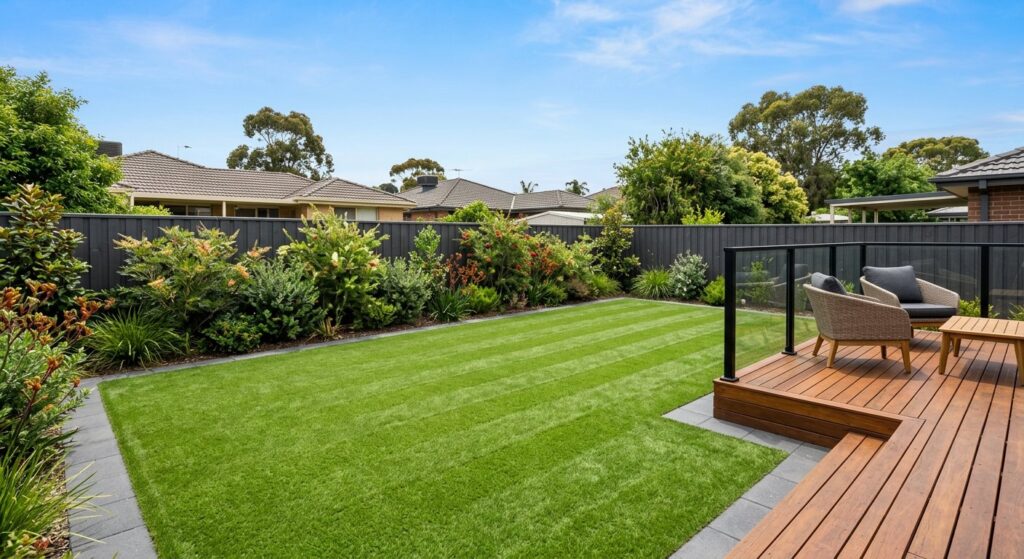
Synthetic grass installation in NSW has moved well beyond the slap-dash fake lawns of decades past, and property owners from Sydney’s suburbs to the Central Coast and Newcastle now choose modern turf for reasons that are practical as much as aesthetic: water that no longer needs hauling in a drought, weekends no longer surrendered to the mower, and surfaces that stay green in the shaded corners where natural grass simply gives up. New South Wales is the perfect proving ground for the product, with its water restrictions, water-repellent sands, reactive clays, harsh summer UV, and backyard sizes that leave little room for a lawn that only looks good in spring. Done properly, a synthetic lawn is a working landscape surface that serves families, pets, schools, and sports for a decade or more; done badly, it is a wrinkled, draining-disaster carpet that needs ripping out within a couple of summers. That gap between outcomes is almost entirely about installation quality, which is what this guide concentrates on. It explains what professional installation actually involves, the nine ways a quality synthetic lawn transforms a property, what NSW pricing genuinely looks like in 2026, and how to choose an installer whose work will still be flat, green, and draining in year ten.
Key Takeaways
- Synthetic grass installation in NSW typically runs from $75 to $180 per square metre installed, depending on turf grade and site preparation needs.
- The invisible work, excavation, crushed rock base, and compaction, decides whether a lawn lasts fifteen years or fails in three.
- Modern UV-stabilised turf handles Australian sun, and premium products commonly serve 15 to 20 years.
- Pet areas, childcare centres, and sports surfaces each need different specifications, so one-grade-fits-all buying is a mistake.
- Most homeowners recover the cost premium over natural lawn within a handful of years through saved water, fuel, and maintenance.
What Is Synthetic Grass Installation?
Synthetic grass installation is the construction of a complete engineered surface, not the unrolling of a carpet. A professional job removes existing grass and soil to the required depth, installs and compacts a crushed rock base graded for drainage, lays and joins the turf with secure seams, dresses and brushes in infill where the product requires it, and finishes edges so the surface stays fixed under foot traffic, pets, and play. The turf itself is a manufactured product of UV-stabilised polymer blades stitched into a permeable backing, produced in grades that range from basic decorative to premium landscaping and sport-specific surfaces. Because every layer beneath the green face affects the outcome, the trade’s honest saying holds: anyone can lay turf, but the installation is what you are actually buying.
How Professional Installation Works
A quality installation follows a disciplined sequence. The site is excavated and cleared, drainage and levels are planned, then a compacted crushed rock or similar base is built up in layers and graded to fall away from structures. The turf is rolled, rested, cut to fit the space precisely, and joined with tape and adhesive rather than visible staples or wishful thinking, and infill is applied and power-brushed so the blades sit upright and the surface reads as a lawn rather than a mat. Edging, whether timber, pavers, or a formal mowing strip, locks the perimeter down last.
Why the Base Matters Most
The uncomfortable truth of the industry is that the turf you see is the least important part of the job. Almost every synthetic lawn failure traces to what lies beneath: inadequate excavation in reactive clay, uncompacted base that settles into dips, or grading that pools water against the house. A mid-grade product on a correctly built base outperforms a premium product on a rushed one every time, which is why experienced installers talk about compaction and falls with the enthusiasm most people reserve for the grass colour.
9 Powerful Ways Synthetic Grass Transforms Your Property
1. Slashes Water Use in a Thirsty Climate
A natural lawn is one of the thirstiest things on a property, and New South Wales water restrictions have a way of arriving every few summers to remind everyone of it. Synthetic grass needs no irrigation at all, which removes irrigation from the water bill entirely and keeps the garden looking alive through restriction levels that turn natural lawns to straw. It also frees the water you were pouring on grass to be redirected where it earns more, vegetable beds, fruit trees, and native plantings that support the garden’s birds and bees rather than a monoculture crop of mower food. The saving compounds across a dry decade, and it also removes the familiar drought cycle of nursing a lawn through restrictions, watching it die anyway, and re-turfing when the rain returns. For households watching both their water use and their water bill, the lawn is one of the few places where doing nothing at all is the sustainable option.
2. Retires the Mower for Good
No mowing, no edging, no fertilising, no seasonal renovation, no clippings, and no fuel or electricity burned maintaining a crop you never harvest. A synthetic lawn converts the recurring weekend cost of grass ownership into a single installation, and the freed hours are the benefit owners mention most often after the look. There is a hidden financial edge too, because petrol mowers, line trimmers, fertilisers, and lawn-repair products are recurring purchases that quietly add up to real money every year, and petrol yard equipment is an emissions and noise nuisance most neighbours are happy to lose. For retirees, shift workers, landlords, and anyone who would rather use the backyard than service it, that trade is the entire argument in one line.
3. Stays Green Where Natural Grass Refuses to Grow
Every property has its dead zones: the strip along the south fence the sun never reaches, the ground under the tree where roots drink everything, the traffic line across the yard worn to dirt by the dog’s daily patrol. Natural grass loses these fights genetically, and synthetic turf wins them by simply not caring, because it performs identically in deep shade, full sun, and constant foot traffic. The result is a garden that looks consistent edge to edge rather than patched with bare dirt and hope, and for rental properties, strata courtyards, and display homes, that consistency is worth more than botanical purity. It is also the neat answer for narrow side accesses and courtyards where getting a mower at all is a design flaw.
4. Builds Better Play Spaces for Kids and Childcare
Children play hard, and synthetic turf stands up to it: no mud tracked indoors after rain, no bare worn patches turning to dust in summer, and an even surface under small feet. Quality childcare and school installations pair the turf with appropriate impact-attenuation underlays and professional assessment, because playground surfacing has critical fall height requirements the turf alone does not satisfy, and reputable installers know the difference between decorative lawn and certified play surfacing. The everyday wins still stack up for families: a lawn that is usable the day after rain, no muddy paw-and-shoe prints through the house, and no lawn chemicals to worry about where the grandchildren roll around. Childcare-approved installs exist as a standard for exactly this reason.
5. Creates Genuinely Pet-Friendly Backyards
Dogs are the great stress test of any lawn, and synthetic turf handles them well when it is specified for the job. Pet installations use highly permeable backing so urine drains through rather than pooling, surfaces that hold up to digging patrols and sprint circuits, and cleaning as simple as hosing waste away, with antimicrobial infills available for odour control in dedicated dog areas. A light maintenance routine keeps the system fresh for years: occasional rinsing of pet zones, removing leaves as they fall, and an annual brush to lift the pile in traffic lanes. Unlike natural grass, there is no fertiliser risk cycle, no muddy paws after every storm, and no dead-circle lawn art where a dog has chosen its spot. For pet owners, the daily experience is a yard that is always usable and always clean enough for the dog to be a dog.
6. Delivers Sports Surfaces From Backyard Nets to Multi-Use Courts
Sport is where synthetic turf graduates from decoration to performance surface, and the range is wider than most people realise. Backyard cricket nets, putting greens, soccer and multi-use areas, and basketball hard courts with turf zones all use sport-specific products with shorter, denser yarns engineered for ball roll, bounce, and player footing. These surfaces carry their own light maintenance regime, periodic grooming to keep yarns upright and infill evenly distributed, which keeps performance consistent season after season. The home benefit is practice volume: a cricket net or putting green thirty seconds from the back door gets used daily in a way no club facility ever will. Schools and sporting clubs use the same technology at scale, converting high-wear natural areas into surfaces that survive continuous rotation, which is why sports turf is its own specialist category with its own products and profiles.
7. Adds Usable Space and Kerb Appeal
A lawn that is always presentable effectively enlarges the property, because the outdoor rooms people actually use, the entertaining lawn, the pool surround, the courtyard, stop having off-seasons. Synthetic turf holds that standard through summer heat, winter mud, and the trampling of a full Christmas Day, which is precisely the consistency that landscaping cannot buy from natural grass in most NSW backyards. For sales and rentals, the effect is immediate at inspection: a green, tidy yard photographs well and signals a maintained property, with none of the irrigation noise that buyers run in their heads when they see a high-maintenance garden. Around pools and paved areas, turf softens hard landscaping into something that reads designed rather than poured.
8. Pays Its Way Over the Years
The honest financial comparison runs longer than the invoice. Synthetic grass costs more upfront than natural turf, but natural grass carries a permanent running bill: water, fuel, fertiliser, repairs, and re-turfing after every hard summer, while a synthetic lawn’s running cost is an occasional brush and rinse. Widely cited Australian estimates put the payback period at roughly three to six years for typical homes, and the surface keeps earning after that, because quality turf lasts a decade or more, with premium products commonly rated for fifteen to twenty years. The figures vary with yard size and water costs, but the direction is consistent: the expensive-looking option is the cheap one over a mortgage-length horizon, and the break-even arrives well before the turf does.
9. Choose an Installer Whose Work Survives Year Ten
Everything above depends on the final decision, because the product is only as good as the hands that build its base. Choose an installer on evidence: a portfolio of completed local jobs, reviews that mention finish and cleanup, concrete answers about excavation depth and compaction, a real product range matched to your application, and written warranty terms on both the turf and the workmanship. For property owners across the Central Coast, Newcastle, and the surrounding regions, A1SGS is a family-operated synthetic grass specialist with more than four decades of industry experience, five-star reviewed workmanship, pet-friendly installs, childcare-approved installs, and a sports range covering cricket nets, golf, soccer, basketball, and multi-use surfaces for homes, schools, and commercial clients. Arrange a free quote for Synthetic Grass Installation in NSW through the A1SGS website and compare their answers on base construction, drainage falls, and turf grading against any other quote you collect. An installer who leads with those engineering details is telling you the lawn is built to last; one who only talks about the grass colour is telling you something else entirely.
How Much Does Synthetic Grass Installation Cost in NSW?
Current NSW pricing is consistent across supplier guides:
| Turf Grade | Installed Price (Per m²) | Typical Use |
|---|---|---|
| Budget | $75 to $100 | Side paths, low-traffic and utility areas |
| Mid-range | $100 to $140 | Most residential lawns, pets, family play |
| Premium | $140 to $180 | Feature lawns, high-traffic, premium realism |
Small projects under about 20 square metres typically land between $2,500 and $4,000, medium backyards of 20 to 50 square metres between $4,000 and $8,000, and larger lawns scale up from there, with most installers applying minimum charges of roughly $2,000 to $3,000 because setup, travel, and preparation cost the same regardless of area. Expect the split to run roughly 40 percent turf, 30 percent base preparation, and 30 percent labour on a standard job, and treat quotes well below these bands as a question about what has been left out, usually the excavation and compaction that decide the lawn’s lifespan.
What Moves an Individual Quote
Two identical-sized yards can quote differently, and the drivers are legitimate:
- Excavation depth and disposal, especially in reactive clay or rock.
- Access, because wheelbarrow-only side entries slow every load.
- Base materials and depth specified for the site’s drainage.
- Turf grade, pile height, and realistic colour-blend technology.
- Edging, joins, shapes, and features such as putting cups or netting.
- Pet or playground specifications, including permeable backing and underlays.
Knowing these levers makes quote comparison a like-for-like exercise and shows you the honest places to adjust, such as downgrading a side path while keeping the premium turf where the family actually plays.
Frequently Asked Questions
How much does synthetic grass installation cost in NSW?
Most NSW installations run from $75 to $180 per square metre installed depending on turf grade, with typical backyard projects landing between $4,000 and $8,000 once base preparation and labour are included.
How long does synthetic grass last?
Quality UV-stabilised turf typically serves 10 to 15 years in Australian conditions, and premium products commonly reach 15 to 20 years with basic care.
Does synthetic grass get hot in summer?
It can run hotter than natural grass on extreme days in full sun, which is managed by choosing lighter colours and quality infills, providing shade over play areas, and a quick hose-down before use.
Is synthetic grass safe for children and pets?
Yes, when specified correctly: pet systems use permeable backing for drainage and odour control, and playground installs pair turf with impact-attenuation underlay assessed for the equipment’s fall height.
What happens to drainage and rain?
Properly installed turf drains through its perforated backing into a graded compacted base, and water leaves the area on planned falls rather than pooling, which is why base construction matters so much.
Can I install synthetic grass myself?
Small, flat, decorative areas are realistic DIY, but most homeowners should use professional installation, because base depth, compaction, and grading are the difference between a fifteen-year lawn and a three-year regret.
Conclusion
Synthetic grass installation in NSW earns its popularity the practical way, by solving the problems this state actually hands out: water restrictions that brown a natural lawn, summers that punish it, shade that starves it, and families and pets that wear it out, all while demanding weekends most owners would rather spend living on the lawn than working on it. The nine benefits above add up to a single proposition, a surface that is always green, always usable, and cheap to run for a decade or more, provided the layers beneath it are built by someone who takes compaction as seriously as colour. Get the specification matched to the application, whether that is a family backyard, a childcare play space, a dog run, or a backyard cricket net, and hold your installer to real answers about base construction, drainage, and warranty. Do that, and the lawn will still be flat, green, and drain-perfect long after the mower you sold would have needed replacing, which is exactly what a landscape investment should do.