
Choosing the right fence can completely change the privacy, security, and appearance of your property. A professionally planned aluminum privacy fence in White Oak, MD...
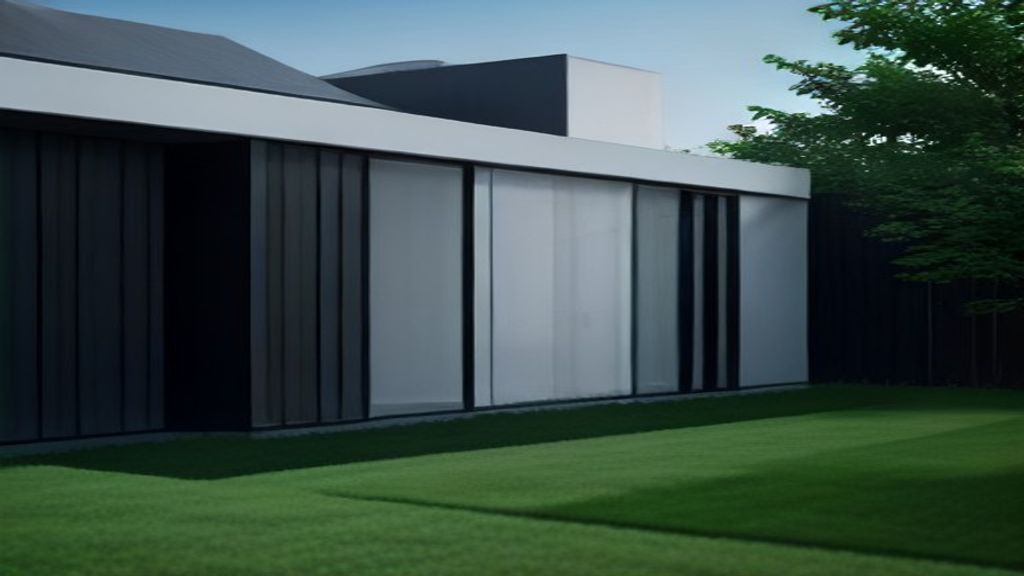
Choosing the right fence can completely change the privacy, security, and appearance of your property. A professionally planned aluminum privacy fence in White Oak, MD can be a strong option for homeowners who want a clean, modern boundary without dealing with the constant maintenance associated with some traditional fencing materials. Aluminum fencing offers durability, attractive styling, weather resistance, and flexible design possibilities that can work well for many residential properties.
Homeowners often think of aluminum fencing as an open decorative fence, but privacy-focused aluminum systems are also available. These designs can use closely spaced panels, solid sections, integrated privacy screens, or combinations of aluminum framing and privacy inserts.
Understanding how these fences work, what they cost, how they compare with other materials, and what to consider before installation can help you make a better long-term decision.
What Is an Aluminum Privacy Fence?
An aluminum privacy fence is designed to reduce visibility into a property while maintaining the strength and low-maintenance qualities associated with aluminum.
Traditional aluminum fencing often uses spaced pickets. Privacy versions are different because they minimize or eliminate large gaps between sections.
Depending on the design, an aluminum privacy fence may include solid aluminum panels, narrow vertical boards, horizontal slats, decorative privacy inserts, or aluminum frames combined with another weather-resistant material.
The result is a fence that provides greater separation between your outdoor space and neighboring properties, sidewalks, roads, or other nearby areas.
Why Homeowners in White Oak Consider Aluminum Privacy Fencing
White Oak includes many residential properties where homes, yards, sidewalks, and neighboring lots may sit relatively close together. That can make privacy an important part of outdoor living.
A well-designed fence can help create a more comfortable backyard while also giving the property a finished appearance.
Aluminum is particularly attractive because it does not behave like untreated wood. It does not absorb moisture in the same way, and it does not require routine staining to preserve its appearance.
For homeowners who want a fence that looks refined while remaining relatively easy to maintain, aluminum can be worth considering.
Benefits of an Aluminum Privacy Fence
Strong Privacy for Outdoor Spaces
Privacy is usually the primary reason homeowners choose this type of fence.
A solid or closely spaced aluminum system can help block views from neighboring properties and public areas. This can make patios, swimming pools, gardens, outdoor kitchens, and backyard seating areas feel more comfortable.
Privacy fencing can also create a clearer sense of separation between adjoining properties.
Low Maintenance Requirements
One of the biggest advantages of aluminum fencing is its relatively low maintenance.
Wood fences may require painting, staining, sealing, or board replacement over time. Aluminum usually needs much less routine attention.
Occasional cleaning may be enough to remove dirt, pollen, dust, grass clippings, or environmental buildup.
This makes aluminum appealing to homeowners who want a clean appearance without spending significant time maintaining the fence every year.
Resistance to Rust and Corrosion
Aluminum does not rust in the same way iron or untreated steel can.
Many aluminum fence systems also use protective finishes that improve resistance to moisture and general outdoor exposure.
That can be especially useful in Maryland, where fencing must handle changing weather conditions throughout the year.
Modern Appearance
Aluminum privacy fencing can create a sleek and contemporary look.
Dark finishes such as black, bronze, or charcoal can complement modern homes, while simpler panel designs can also work with traditional architecture.
The clean lines of aluminum fencing often provide a more polished appearance than some basic privacy fence options.
Long-Term Durability
A quality aluminum fence can remain structurally sound for many years when installed correctly.
Aluminum does not rot, and insects do not damage it in the same way they can affect wood.
Because of these characteristics, homeowners often consider aluminum when they want to reduce the possibility of replacing damaged boards or dealing with moisture-related deterioration.
Customizable Designs
Aluminum fencing is available in many different configurations.
Homeowners may choose between horizontal or vertical panels, decorative top rails, smooth contemporary profiles, different colors, various heights, and custom gate options.
This flexibility allows the fence to match both practical privacy needs and the visual style of the property.
Popular Aluminum Privacy Fence Styles
Horizontal Aluminum Privacy Fencing
Horizontal fencing has become popular for modern residential designs.
Long aluminum slats run horizontally between posts, creating a clean and streamlined appearance.
The spacing between slats can often be adjusted depending on how much privacy is required.
Closely spaced or overlapping horizontal sections provide stronger visual coverage.
Vertical Aluminum Privacy Panels
Vertical aluminum panels offer a more traditional fence appearance.
These designs can resemble classic board-style fencing while still providing the benefits of aluminum construction.
Vertical systems work well when homeowners want full privacy without choosing wood or vinyl.
Louvered Aluminum Fencing
Louvered fencing uses angled slats.
The angle of the slats can reduce visibility while still allowing some airflow through the fence.
This style may be useful for homeowners who want privacy without creating a completely solid barrier.
Decorative Privacy Fence Designs
Not every privacy fence needs to look purely functional.
Decorative aluminum fencing may include custom rails, accent sections, ornamental tops, contrasting panels, or specialized gate designs.
These details can help the fence coordinate with the architecture of the home.
Aluminum Privacy Fence vs. Wood Fence
Wood remains one of the most familiar privacy fence materials.
It offers a natural appearance and can provide excellent privacy. However, wood requires more maintenance than aluminum.
Wood may need staining or sealing, and individual boards can warp, crack, rot, or become damaged over time.
Aluminum avoids many of these problems.
It does not rot and generally maintains its shape well. It can also provide a more contemporary appearance.
However, aluminum privacy fencing may have a higher initial cost depending on the system.
Homeowners should compare both upfront cost and long-term maintenance when choosing between the two.
Aluminum Privacy Fence vs. Vinyl Fence
Vinyl privacy fencing is another common low-maintenance option.
Vinyl can provide complete privacy and comes in many residential styles.
Both vinyl and aluminum resist rot and do not require staining.
The main difference is often appearance and structural characteristics.
Aluminum tends to have a thinner, more architectural profile, while vinyl panels usually appear thicker and more solid.
Some homeowners prefer the sleek appearance of aluminum, especially for modern or upscale landscaping designs.
Aluminum Privacy Fence vs. Chain-Link Privacy Fence
Chain-link fencing can be modified with privacy slats or screens.
This is often a budget-friendly option, but it generally does not provide the same finished appearance as a dedicated aluminum privacy system.
An aluminum privacy fence typically looks more permanent and integrated into the property design.
For visible front or side yards, appearance may become an important consideration.
How Much Privacy Can Aluminum Fencing Provide?
The level of privacy depends heavily on the design.
A completely solid aluminum panel can provide near-total visual blockage.
Slatted designs may allow partial visibility depending on the spacing and angle.
If privacy is your main goal, discuss panel spacing and sightlines before installation.
You should also think about where the fence will be viewed from.
A fence that blocks direct views at ground level may still allow visibility from an elevated deck or neighboring property located on higher ground.
Choosing the Right Fence Height
Fence height plays an important role in privacy.
Short decorative fencing may define a boundary but will not provide much screening.
Residential privacy fences are often taller, depending on local requirements and the specific area of the property.
Before selecting a height, consider nearby windows, patios, decks, sidewalks, and neighboring outdoor spaces.
You should also check local regulations, community requirements, and homeowner association rules if applicable.
Planning the Fence Layout
A good fence installation starts with careful planning.
The layout should consider property boundaries, gates, utility areas, landscaping, drainage, slopes, and access points.
Marking the fence line before installation can help identify potential problems.
You should also consider how the fence will connect with the house, garage, driveway, or existing fence sections.
A thoughtful layout usually produces a cleaner finished result.
Property Lines Matter
One of the most important steps is confirming where your property ends.
Installing a fence in the wrong location can create unnecessary disputes or require costly adjustments.
Homeowners should avoid relying only on assumptions about existing lawn lines, trees, old fences, or landscaping.
When the property boundary is uncertain, a professional survey may be useful.
Gates Should Be Planned Carefully
A privacy fence is only as convenient as its gate placement.
Think about how you use your property every day.
You may need a walking gate near the driveway, a wider gate for lawn equipment, or access for future landscaping work.
Gate width should match the intended use.
It is also important to choose durable hinges and latching hardware because gates experience more movement than standard fence panels.
Consider the Landscape
Existing trees, shrubs, retaining walls, garden beds, and slopes can affect the fence design.
A straight fence line may need adjustments around established landscaping.
In other situations, homeowners may choose to remove or relocate plants before installation.
Planning around the landscape can help reduce unnecessary disruption and create a more natural finished appearance.
Aluminum Fencing on Sloped Properties
Not every yard is completely level.
Aluminum fence systems can often be adapted to slopes through stepped or rackable designs.
The best approach depends on the style of the privacy panels and the grade of the property.
A properly planned fence should follow the landscape without leaving excessive gaps at the bottom.
This is especially important if privacy, pet containment, or child safety is part of the goal.
Fence Color Options
Color can have a major impact on how the fence looks.
Black is one of the most common choices because it works with many home styles and landscaping designs.
Bronze, dark gray, and other neutral finishes can also provide an attractive appearance.
Before choosing a color, look at the exterior of the home, roof, doors, windows, patio materials, and other outdoor features.
A coordinated color usually creates a more intentional design.
Powder-Coated Aluminum Fencing
Many aluminum fences use a powder-coated finish.
Powder coating creates a durable outer layer that helps protect the material while providing a consistent color.
It can improve resistance to fading, chipping, and ordinary weather exposure.
The exact performance depends on the quality of the coating and manufacturing process.
Homeowners should ask about finish specifications when comparing fence systems.
How Aluminum Privacy Fencing Improves Backyard Use
Privacy fencing can make a backyard feel more like a personal outdoor room.
Without a clear boundary, outdoor spaces can feel exposed.
A taller privacy fence can create a stronger visual enclosure around patios, decks, pools, fire pits, and seating areas.
This can make the yard more comfortable for everyday use.
It can also provide a cleaner visual background for landscaping.
Pool Areas and Aluminum Privacy Fencing
If you are installing fencing around a swimming pool, privacy may be only one requirement.
Pool fences often need to meet specific safety standards related to height, gate operation, spacing, and latching mechanisms.
Never assume a general privacy fence automatically satisfies pool safety rules.
The fence design should be reviewed specifically for pool compliance when applicable.
Privacy Fencing for Corner Lots
Corner lots often have greater exposure because multiple sides of the property may face public areas.
An aluminum privacy fence can help reduce visibility and create a more protected backyard.
However, corner lots may have additional restrictions involving sightlines near intersections, driveways, and sidewalks.
These details should be reviewed during the planning stage.
Does Aluminum Fencing Increase Property Appeal?
A well-designed fence can improve the overall appearance of a property.
Clean fence lines create visual structure around the yard and can help define landscaping areas.
Aluminum fencing often looks more architectural than temporary or basic fencing options.
However, property appeal depends on design quality, installation quality, maintenance, and how well the fence fits the home.
A poorly placed or oversized fence can have the opposite effect.
How to Maintain an Aluminum Privacy Fence
Aluminum fencing usually requires simple maintenance.
Inspect the fence occasionally for loose fasteners, damaged panels, gate alignment issues, or dirt buildup.
Most surface cleaning can be handled with water and mild soap.
Avoid harsh cleaning chemicals unless the manufacturer specifically allows them.
Keeping vegetation trimmed away from the fence can also reduce staining and make inspections easier.
Cleaning Tips
Start with a garden hose to remove loose dirt and debris.
For stubborn buildup, use mild soap and a soft cloth or sponge.
Rinse the fence thoroughly afterward.
Avoid abrasive materials that could scratch the protective finish.
Cleaning once or twice a year may be sufficient for many properties, although heavily shaded or landscaped areas may need more frequent attention.
Common Installation Mistakes to Avoid
Ignoring Property Boundaries
Never guess where the property line is located.
Choosing the Wrong Height
A fence that is too short may fail to provide the privacy you expected.
Poor Gate Placement
Inconvenient gate locations can become frustrating over time.
Inadequate Post Installation
Fence strength depends heavily on properly installed posts.
Ignoring Drainage
Fence construction should not create drainage problems or block natural water flow unnecessarily.
Overlooking Local Rules
Height limits, setbacks, permits, and community guidelines should be reviewed before work begins.
What Affects Aluminum Privacy Fence Cost?
Several factors influence the total price of an aluminum privacy fence in White Oak, MD.
Fence Length
Longer fence lines require more panels, posts, hardware, and labor.
Fence Height
Taller privacy fencing usually requires more material and may use stronger structural components.
Panel Style
Simple designs may cost less than decorative or custom privacy panels.
Gates
Adding gates increases material and installation costs.
Large or double gates may cost more than standard walk gates.
Terrain
Slopes, rocky soil, roots, retaining walls, and difficult access can increase installation complexity.
Removal of Existing Fencing
If an old fence must be removed and disposed of, that can add another cost.
Should You Install Aluminum Privacy Fencing Yourself?
Some homeowners may consider a do-it-yourself installation.
DIY work can reduce labor costs, but privacy fencing requires accurate measurements, consistent post spacing, proper leveling, secure foundations, and careful gate alignment.
Small errors can become very noticeable across a long fence line.
Professional installation may be worth considering when the property has slopes, complicated boundaries, multiple gates, existing structures, or strict local requirements.
How Long Does Installation Take?
Installation time depends on the project size and complexity.
A small residential fence may be completed faster than a large perimeter project.
Site conditions, weather, existing fence removal, concrete curing, custom gates, and landscaping can affect the schedule.
The best way to estimate installation time is to evaluate the actual property and fence design.
Best Areas to Use Aluminum Privacy Fencing
Aluminum privacy fencing can be used in several areas around a residential property.
Common applications include backyard boundaries, patios, pools, outdoor kitchens, side yards, garden areas, trash enclosure zones, and areas near busy roads or sidewalks.
The right design depends on whether you need full privacy, partial screening, security, or decorative separation.
Combining Aluminum Fencing With Landscaping
Fencing and landscaping work well together.
Shrubs, ornamental grasses, small trees, climbing plants, and garden beds can soften the appearance of a privacy fence.
Landscape design can also provide additional visual screening.
However, plants should be positioned far enough from the fence to allow maintenance and airflow.
Large roots should also be considered when placing fence posts.
Choosing a Fence That Matches Your Home
The best privacy fence should look like part of the property rather than an afterthought.
Modern homes often work well with horizontal aluminum panels and simple lines.
Traditional homes may look better with vertical designs or decorative top rails.
Consider nearby materials such as brick, stone, siding, roofing, and patio surfaces.
The goal is to create visual consistency.
Questions to Ask Before Installation
Before moving forward, ask practical questions about the project.
What level of privacy do you actually need?
How tall should the fence be?
Where should gates be located?
Are there underground utilities near the fence line?
Will landscaping need to be moved?
Does your neighborhood have architectural requirements?
Is the fence being used around a pool?
Will large equipment need access through the yard later?
Answering these questions early can prevent design changes after installation begins.
Why Professional Planning Matters
Even high-quality fencing can perform poorly if it is installed incorrectly.
Post depth, alignment, spacing, grade changes, gate hardware, and panel support all affect the finished result.
A professional installation plan considers both appearance and long-term function.
This becomes especially important for privacy fencing because solid or nearly solid panels may experience more wind pressure than open picket fencing.
Making an Aluminum Privacy Fence Feel Less Enclosed
Some homeowners want privacy but do not want the yard to feel boxed in.
There are several ways to balance privacy and openness.
You can use horizontal slats with narrow spacing, combine solid lower panels with decorative upper sections, add landscaped areas around the fence, or use a darker finish that visually recedes into the background.
These design choices can maintain privacy while keeping the yard attractive.
How Long Can Aluminum Privacy Fencing Last?
There is no single lifespan that applies to every aluminum fence.
Longevity depends on product quality, finish quality, installation, environmental conditions, and maintenance.
However, aluminum is naturally resistant to rot and insect damage, which gives it an advantage over materials that depend heavily on coatings or preservatives for protection.
Regular inspections and minor maintenance can help extend the useful life of the fence.
When Is the Best Time to Install a Fence?
Fence installation can take place during much of the year as long as ground and weather conditions allow safe construction.
Spring and fall are popular because temperatures are often moderate.
Summer installations are also common.
Winter work may depend on ground conditions, weather, and the specific project.
Planning early can be useful if you want the fence completed before a specific season or outdoor event.
How to Prepare Your Yard Before Installation
Before installation begins, remove portable furniture, toys, garden equipment, and other objects near the planned fence line.
Trim back overgrown shrubs if necessary.
Identify irrigation equipment, low-voltage lighting, and private underground lines that may not be covered by standard utility marking.
Make sure contractors can access the yard and gate installation areas.
Good preparation can reduce delays and make the installation process more efficient.
Frequently Asked Questions
Is an aluminum privacy fence a good choice for White Oak, MD?
Yes, an aluminum privacy fence can be a practical option for homeowners who want durability, low maintenance, weather resistance, and a modern appearance. The final choice should depend on budget, privacy needs, property layout, and local requirements.
Does aluminum fencing provide complete privacy?
It can. Solid panels and tightly spaced aluminum slats can provide strong visual privacy. Some designs intentionally leave small gaps for airflow, so privacy levels vary by system.
How tall should an aluminum privacy fence be?
The ideal height depends on your privacy goals, property layout, neighboring structures, and local regulations. Many privacy fences are taller than standard decorative fencing.
Does aluminum fencing rust?
Aluminum does not rust like iron or ordinary steel. Protective finishes can also help improve resistance to outdoor exposure and surface wear.
Is aluminum privacy fencing more expensive than wood?
The initial cost can be higher than some wood fence options. However, aluminum usually requires less ongoing maintenance, which may reduce long-term upkeep expenses.
Can an aluminum privacy fence be installed on a slope?
Many aluminum systems can be adapted to sloped yards. The exact installation method depends on the fence design and the amount of elevation change.
How do I maintain an aluminum privacy fence?
Routine maintenance is usually simple. Wash away dirt with water and mild soap, inspect gates and hardware periodically, and address any damaged components when needed.
What should I check before installing an aluminum privacy fence in White Oak, MD?
Confirm property lines, review local rules, evaluate fence height, plan gates, locate utilities, consider drainage, and make sure the selected design provides the level of privacy you need.
Conclusion
An aluminum privacy fence can be a smart long-term choice for homeowners who want privacy without taking on the maintenance demands of traditional wood fencing. With durable materials, modern styles, customizable panels, and relatively simple upkeep, aluminum can work well for backyards, patios, pools, side yards, and other residential areas. The best results come from careful planning. Property lines, fence height, gate locations, terrain, drainage, local requirements, and the overall style of the home should all be considered before installation. When these details are handled properly, an aluminum privacy fence in White Oak, MD can create a cleaner boundary, improve outdoor comfort, and provide a polished appearance that fits naturally with the property.