
Making an offer on a house is the moment your months of scrolling, saving, and open-house visiting finally get real, and it is also the...
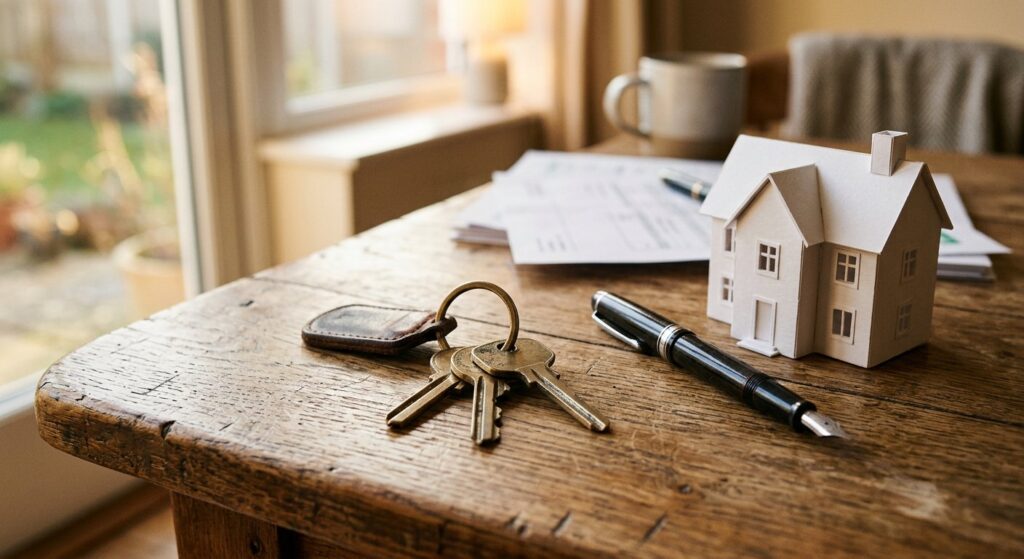
Making an offer on a house is the moment your months of scrolling, saving, and open-house visiting finally get real, and it is also the moment first-time buyers are most likely to let emotion write a check their budget cannot cash. An offer is not just a price; it is a package of money, timelines, protections, and signals that a seller weighs against every other package on the table, and the winning package is not always the biggest number. The good news is that offer-crafting is a learnable skill: buyers who arrive pre-approved, priced to the comps, and structured around the right contingencies win homes at prices they can actually afford, while buyers who wing it either lose to smarter packages or win into regret. Below are the nine strategies that separate a winning first offer from an expensive lesson, followed by a quick-reference table and answers to the questions first-time buyers ask most.
Key Takeaways
- Making an offer on a house means submitting a complete package: price, earnest money, contingencies, timelines, and an expiration date, not just a number.
- Full pre-approval before you shop is the foundation; sellers and agents read it as proof your offer can actually close.
- Earnest money of 1 to 3 percent signals seriousness, and it is only refundable when a contingency protects your exit.
- Winning does not mean waiving everything: smart buyers keep inspection, financing, and appraisal protections and compete on terms instead.
- Speed and completeness matter as much as price, before the offer, in it, and after acceptance.
What Does Making an Offer on a House Involve?
Making an offer on a house means submitting a written proposal to buy a property at specific terms, and if the seller signs it, those terms become a legally binding purchase agreement. A complete offer package includes the purchase price, an earnest money deposit, your financing details with a pre-approval letter attached, your contingencies with their deadlines, a proposed closing date, requests for personal property or concessions, and an expiration date that keeps the seller from sitting on your proposal indefinitely. Sellers typically respond within 24 to 72 hours by accepting, rejecting, or countering, and each counter reopens negotiation on price and terms. Because the signed offer is a contract, every line deserves the same care as the price line, which is why the strategies below matter.
What Goes Into a Purchase Offer
Think of the offer as seven moving parts you can tune:
- Purchase price — your number, driven by comparable sales rather than the list price alone.
- Earnest money deposit — a good-faith deposit, typically 1 to 3 percent of the price, held in escrow and credited toward your down payment or closing costs.
- Financing details — your loan type and pre-approval letter, which tell the seller the money is real.
- Contingencies — your legal exit doors: inspection, financing, and appraisal, each with a deadline.
- Closing date — commonly 30 to 45 days from acceptance, adjustable to suit the seller.
- Requests and exclusions — appliances, repairs, seller concessions, or personal property.
- Expiration date — usually 24 to 48 hours, so your offer does not linger while the market moves.
Pre-Approval Comes First
None of the seven parts works without financing credibility, which is why pre-approval precedes everything. A lender-issued pre-approval letter, based on verified income, assets, and credit, tells the listing agent your offer deserves serious consideration, and shopping for homes before getting pre-approved is one of the classic first-time buyer mistakes. In competitive situations, a fully underwritten or verified approval goes further still, because it functions close to a cash offer in the seller’s risk assessment.
9 Powerful Strategies for a Winning Offer
1. Get Fully Pre-Approved, Not Just Pre-Qualified
Pre-qualification is an estimate; pre-approval is a lender’s verified statement that you qualify for a specific loan amount, and the distinction decides how your offer is weighted. Submit pay stubs, tax returns, bank statements, and authorization for a credit check, and ask your lender whether a fully underwritten approval is available, because it removes nearly all financing uncertainty from the seller’s side of the table. A pre-approval also disciplines your search: it converts a vague budget into a real ceiling, which keeps you from falling for homes that would fall through on financing later. Handle the credit groundwork months ahead, since new credit card balances or a financed car shortly before applying can dent the score your rate depends on. Ask several lenders for quotes within a focused shopping window, too, because credit scoring models treat clustered mortgage inquiries as a single event, and comparing loan offers is one of the few genuinely free money moves in the entire process.
2. Price on Data, Not Emotion
The list price is a marketing decision; your offer price is an analytical one. Pull comparable sales from the past three to six months, check the days on market, note whether the price has been cut, and ask your agent how the current competition looks, because a home priced with the market deserves a market offer, while an overpriced one rewards patience. Before you submit your first offer, it also pays to study where first-time buyers go wrong around the negotiation itself; Zillow’s guide to first-time home buyer mistakes walks through 22 of them, from financing missteps to evaluating and negotiating for the home, and it is the ideal companion to this one. The rule underneath both guides is the same: decide what the house is worth from evidence, then offer that number with confidence rather than chasing it with feeling. Watch the listing’s vitals as closely as the comps: a home that has sat for six weeks with a price cut welcomes a firm number, while a fresh listing with a packed first open house rarely leaves room for a discount.
3. Signal Seriousness With Earnest Money
Earnest money is your skin in the game: a deposit of typically 1 to 3 percent of the purchase price, wired into escrow within one to three business days of acceptance, and credited back to you at closing. On a $400,000 home, that is $4,000 to $12,000, and in competitive situations buyers push toward 3 percent or more to show the seller their commitment is financial, not rhetorical. The deposit is refundable when you exit under a valid contingency, such as a failed inspection or denied financing, but change your mind with no contingency cover and the seller may keep it. That asymmetry is the point: earnest money is credible precisely because it costs you something to walk away carelessly. Confirm escrow details carefully when the time comes as well, wiring instructions should come directly from the title or escrow company and be verified by phone before you send a deposit that large.
4. Keep the Contingencies That Protect You
Contingencies are your legal exit doors, and each one you waive moves risk from the deal onto you. The inspection contingency, typically 7 to 14 days, lets you negotiate repairs or walk away from a money pit; the financing contingency, typically 21 to 30 days, returns your deposit if the loan falls through; and the appraisal contingency protects you from paying above what the home is provably worth. Waiving all three can win bidding wars, but it can also hand you tens of thousands of dollars in surprise repairs or a shortfall the lender will not cover, so treat any waiver as a deliberate, eyes-open risk taken only when you have independent verification, such as a pre-offer inspection. The winning middle path most first-time buyers should take: keep all three, keep their deadlines tight, and compete on the other eight strategies instead.
5. Flex on the Seller’s Timeline
Price is only one lever, and sometimes the decisive one is calendar. A seller juggling two purchases may value a 45-day close; a vacant staging-furniture home may want 21 days; an estate sale may need a month of rent-back after closing to clear the property. Ask your agent what the listing’s situation suggests, then offer the closing date and possession terms that solve the seller’s actual problem, because a buyer who makes moving easy can beat a buyer who makes it expensive. Flexibility costs you nothing to give and is often the term that tips a tie between near-identical offers. Possession details count as timeline too: a seller who has not yet found their next home may accept slightly less in exchange for a rent-back period after closing, and offering one costs a buyer with flexible plans almost nothing.
6. Use Escalation Clauses Carefully
An escalation clause automates your bidding in a multiple-offer situation: you might offer $400,000 and agree to beat any competing offer by $5,000, up to a cap of $430,000. The clause signals competitiveness without opening at your maximum, and it can keep you in a hot listing without round-after-round counteroffers. Use it with discipline, though: your cap must be a number you have already verified against your budget and the comps, not one you escalate into emotionally, and be aware some sellers dislike escalation clauses because they reveal your ceiling to every counterparty. Ask your agent how the listing side prefers to handle multiples before deploying one, and remember the clause makes you transparent, which cuts both ways.
7. Write a Clean, Complete Offer
Sellers read an offer the way lenders read a loan application: sloppy paperwork signals a sloppy closing. Submit every required signature, attach your pre-approval letter, specify deadlines precisely, avoid vague terms like “seller to pay reasonable repairs,” and resist the urge to pile on small asks, because a request for the washer, the playset, and a closing-cost credit reads as high-maintenance and weakens an otherwise strong number. When a counter comes back, respond within hours rather than days, since hesitation is how buyers lose houses they already won. The cleanest offer is also the fastest one to accept, and sellers under pressure overwhelmingly pick the package that looks like it will close without drama. Keep negotiation communication routed through your agent as well, because anything you say directly to the listing side, however casually, becomes information the other side can use.
8. Know Your Walk-Away Number
The most expensive thing in home buying is the house you can afford to buy but not to keep, so set your ceiling before the negotiation starts, not during it. Your walk-away number should account for the full cost of ownership, not just the mortgage: property taxes, insurance, utilities, maintenance reserves, and the commute you will pay for in gas and hours for the next decade. Write the number down, share it with your agent, and treat any offer above it as a decision that requires sleeping on it, because auctions create momentum and momentum is how buyers end up $40,000 over budget on a Tuesday night. Winning the wrong house at the wrong price is just a slower way of losing, and the buyers who walk away from one listing are, almost without exception, in a stronger position for the next. Revisit the number only when facts change, a new comparable sale, a revealed foundation issue, a second round of offers, and change it on evidence, never on adrenaline.
9. Move Fast After Acceptance
An accepted offer starts a countdown, and missed deadlines are how strong deals collapse. Expect to wire earnest money to escrow within one to three business days, schedule the inspection inside your contingency window, and respond to the lender’s document requests the same day they arrive, because underwriting, appraisal, title search, and clear-to-close all sequence behind your responsiveness. Do a final walkthrough within 24 hours of closing to confirm the home’s condition and agreed repairs, and freeze your financial profile until the keys are in your hand: no new credit cards, no car loans, no job changes without telling your lender, since a re-pulled credit report with new debt can unwind the loan at the finish line. The buyers who treat acceptance as the start of sprint two, rather than the finish line, are the ones who actually reach closing day. Build a small buffer into your moving calendar too, since appraisals get rescheduled and documents come back with questions, and a buyer scheduled to close on their very last possible day is a buyer living on borrowed time.
Offer Strength at a Glance
| Offer Component | Weak Offer | Winning Offer |
|---|---|---|
| Pre-approval | Pre-qualified estimate or no letter | Verified or fully underwritten approval attached |
| Price | Chosen from emotion or list price alone | Grounded in comps, days on market, and competition |
| Earnest money | Token deposit, delivered late | 1 to 3 percent, wired within 1 to 3 business days |
| Contingencies | All waived, or everything requested with vague terms | Inspection, financing, appraisal kept, deadlines tight |
| Timeline | Rigid close that suits only the buyer | Closing and possession matched to the seller’s needs |
| Paperwork | Missing signatures, open-ended asks | Complete, precise, and quick to counter |
The pattern is consistent: sellers choose the package that promises the surest path to the closing table, and every row above is a chance to prove that package is yours.
Frequently Asked Questions
How much over asking price should I offer?
There is no universal percentage; the right number comes from comparable sales, how long the home has been listed, and how many competing offers exist, and in some markets the winning number is under asking.
How long does a seller have to respond to my offer?
Most sellers respond within 24 to 72 hours, and you control the clock by setting an expiration date of 24 to 48 hours in the offer itself, after which it lapses automatically.
Is earnest money refundable?
Yes, when you back out under a valid contingency such as a failed inspection, denied financing, or a low appraisal, but walking away without a contingency reason usually means forfeiting the deposit.
What contingencies should a first-time buyer keep?
Keep inspection, financing, and appraisal protections; you can shorten their deadlines to compete, but waiving them entirely exposes you to repair costs and financing shortfalls the deposit will not cover.
What happens after my offer is accepted?
You deposit earnest money, the lender processes the loan and orders the appraisal, the inspection happens within your contingency window, repairs get negotiated, you complete a final walkthrough, and you close, typically 30 to 45 days after acceptance.
Can I withdraw an offer before it is accepted?
Yes; until both parties sign, the offer is only a proposal and can be withdrawn, which is one reason the expiration date you write into it matters.
Conclusion
Making an offer on a house rewards preparation over bravado at every step: the buyers who win homes at prices they can live with are the ones who arrived pre-approved, priced from evidence, backed their number with real earnest money, kept the contingencies that protect them, and made the seller’s side of the transaction effortless. None of the nine strategies above requires luck, and all of them can be arranged before the right listing ever hits the market, which is the quiet advantage first-time buyers consistently underuse. Decide your walk-away number in daylight, assemble your package in advance, and execute with speed once the paperwork starts moving. The house goes to the offer the seller trusts most, and trust, in real estate as everywhere else, is built before you need it.