
Walk down any crowded trade show aisle or festival plaza and notice how swiftly attendees walk past glossy banners, static brochure racks, and forgettable branded...
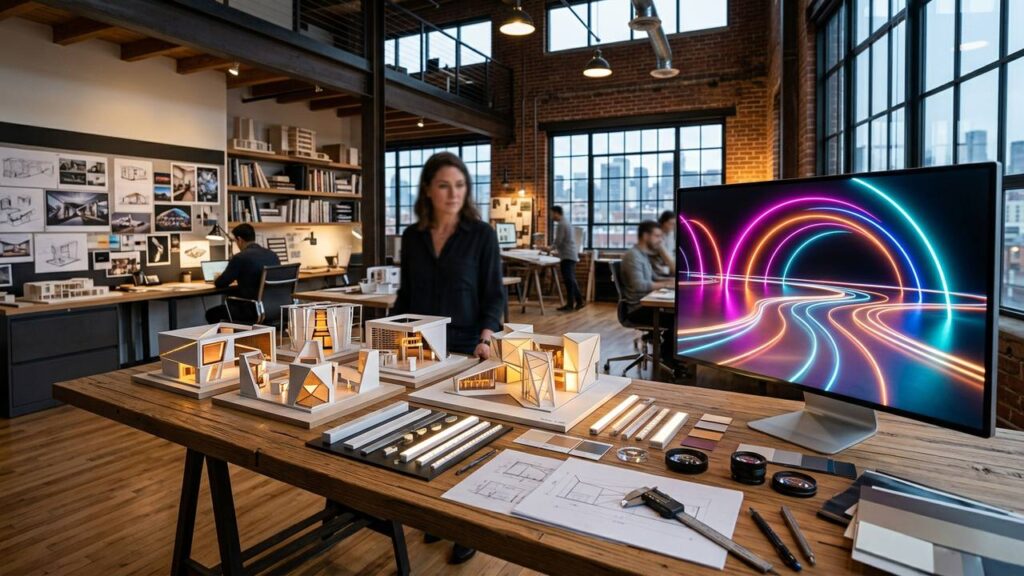
Walk down any crowded trade show aisle or festival plaza and notice how swiftly attendees walk past glossy banners, static brochure racks, and forgettable branded tote giveaways, yet stop dead in their tracks when an immersive, story-driven brand installation invites them to step inside, touch, listen, and participate. Mastering conceptualizing brand events transforms marketing spend from passive background noise into unforgettable live experiences engineered cleanly for real-world budgets, venues, and measurable pipeline growth.
Grounded in the experiential development philosophy championed by Specialized Marketing Experiences (SME), operating since 2012 under the guiding principle “Strategy is the why. Concept is the wow”, where strategists, designers, and fabrication engineers collaborate under one roof from day one so every bold idea clears weight limits, power loads, and multi-city tour logistics before hitting the floor, this guide unpacks eight proven blueprint steps for conceptualizing brand events that captivate all five senses and prove clear ROI.
Why Strategy Must Lead Before Conceptualizing Brand Events
The fastest way to waste a six-figure event budget is starting inside a brainstorming room shouting cool visual gimmicks, giant LED tunnels, celebrity DJs, neon photo cubes, before defining what exact business outcome the activation must accomplish. When shiny ideas outrun strategic alignment, crowds snap one selfie, forget the sponsor’s name inside ten minutes, and leave sales teams staring at empty CRM pipelines.
Disciplined agencies treating conceptualizing brand events seriously anchor every creative spark inside a crystal-clear strategic brief first. As SME summarizes cleanly, “Strategy is the why. Concept is the wow.” Strategy defines target audience behavior, brand positioning, emotional shift, and hard commercial KPIs; conceptual development translates that commercial objective into an unmistakable physical world visitors genuinely want to explore and share.
Fragmented Vendors vs Integrated Teams Conceptualizing Brand Events
One hidden killer of ambitious experiential activations is the dreaded handoff gap between a blue-sky creative agency and an external fabrication shop that realizes too late the concept violates venue ceiling rigging or triples shipping freight costs.
| Development Stage | Fragmented Agency + Separate Fabricator | Integrated Partner (Conceive + Design + Engineer) |
|---|---|---|
| Early Feasibility Check | Discovered painfully late after creative sign-off | Engineers vet weight, power & setup constraints on Day 1 |
| Budget Realism | Wild value-engineering cuts ruin original magic | Design stays thrilling AND comfortably within budget |
| Multi-City Tour Logistics | Heavy custom builds break in transit between stops | Modular, truck-ready crates engineered cleanly upfront |
| Sensory & Storytelling Flow | Disconnect between copywriters & lighting builders | Unified narrative across architecture, audio & staff |
| Timeline Speed | Weeks lost chasing external engineering change orders | Seamless under-one-roof sprint from concept to install |
8 Proven Blueprint Steps for Conceptualizing Brand Events
Whether launching a flagship national trade show booth, a twelve-city mobile marketing tour, or an intimate VIP product unveiling, apply these eight field-tested steps when conceptualizing brand events.
Step 1: Lock Your Strategic “Why” When Conceptualizing Brand Events
Before sketching a single floor plan while conceptualizing brand events, align leadership around one primary metric: qualified enterprise demos booked, retail product trials sampled, earned social video reach, or dealer-partner loyalty lift. Every spatial choice, interactive touchpoint, and staffing script must serve that primary objective directly.
Step 2: Map Spatial Journeys While Conceptualizing Brand Events
Great experiential environments unfold in three crisp spatial chapters: the 50-foot Beacon (unmistakable architectural silhouette and lighting pull cutting across crowded halls), the 10-foot Invitation (open, non-intimidating entry cues pulling curious visitors across the threshold), and the 2-foot Immersion (tactile hands-on storytelling that builds genuine emotional affinity and effortless lead capture).
Step 3: Engage All Five Senses When Conceptualizing Brand Events
Visual banners alone barely scratch human memory. Following proven experiential methodology for conceptualizing brand events, weave subtle multi-sensory cues naturally into the space: compelling sightlines and theatrical lighting, curated directional soundscapes that block convention hum, tactile authentic material finishes visitors love touching, subtle brand-aligned signature scents, and memorable hospitality tastings where brand-appropriate.
Step 4: Embed Engineers Early When Conceptualizing Brand Events
Nothing deflates an executive team faster than approving a breathtaking 3D render only to hear three weeks later that convention-hall union rigging, fire-marshal egress paths, power draw limits, or 53-foot trailer weight limits make it impossible. Bringing engineers into conceptualizing brand events alongside creative directors from day one ensures every awe-inspiring detail is physically buildable, safe, durable, and repeatable across tours.
Step 5: Build Interactive Stories When Conceptualizing Brand Events
Modern attendees resist trapped sales pitches yet enthusiastically spend eight minutes inside interactive experiences where they become the hero of the story. Replace wall-to-wall product spec posters with live hands-on product stress tests, custom co-creation stations, interactive projection puzzles, or guided micro-workshops that let visitors feel product superiority firsthand.
Step 6: Architect Shareable Moments While Conceptualizing Brand Events
Slapping a giant hashtag sticker across a plain step-and-repeat backdrop rarely earns authentic organic sharing anymore. When conceptualizing brand events, frame naturally flattering lighting, playful architectural focal points, and genuinely fun interactive moments so attendees voluntarily pull out their smartphones and share authentic excitement with peers.
Step 7: Script Warm Brand Hosts When Conceptualizing Brand Events
Even a million-dollar custom architectural build feels cold if bored booth staff stare down at phones or lunge aggressively at badges. Integrate warm hospitality training, natural conversation openers, and clean unobtrusive digital lead-capture checkpoints right into your event concept blueprint so human warmth amplifies physical design effortlessly.
Step 8: Model Experiential ROI While Conceptualizing Brand Events
Securing enthusiastic CFO approval gets far easier when creative magic connects cleanly to commercial math. Estimate projected booth traffic, sample or demo conversion rates, average customer lifetime value, and earned media impressions cleanly inside the Nemin ROI Calculator while conceptualizing brand events so every fabrication dollar justifies clear multi-quarter payback.
Matching Event Formats When Conceptualizing Brand Events
Different audience goals shine inside distinct physical formats, choosing the right canvas amplifies budget efficiency dramatically.
| Experiential Format | Ideal Strategic Goal | Critical Engineering & Concept Check |
|---|---|---|
| Flagship Trade Show Booth | Enterprise pipeline, live demos & category authority | Clear sightlines, acoustic meeting zones & union install speed |
| Mobile Marketing Tour | Regional consumer trial across 10+ cities | Road-legal trailer weight, generator power & rapid pack-down |
| Urban Pop-Up Activation | Viral brand buzz, Gen-Z/millennial discovery & PR | City permitting, weather durability & smooth queue flow |
| Product Launch Showcase | Press coverage, dealer excitement & VIP storytelling | Dramatic reveal timing, AV acoustics & hands-on demo stations |
| Festival / Sports Footprint | High-volume joyful sampling & emotional affinity | Shade/comfort utility, rapid throughput & rugged finishes |
Six-Phase Rollout Timeline for Conceptualizing Brand Events
Keeping ambitious builds calm and on schedule hinges on respecting six disciplined milestones:
- Strategic Discovery & Audience Immersion (Weeks 1 to 2): Define target KPIs, venue constraints, brand story pillars, and realistic total budget envelopes.
- Experiential Concepting & Engineering Feasibility (Weeks 3 to 4): Present two distinct creative worlds pre-vetted by fabrication engineers for weight, power, rigging, and tour durability.
- Spatial 3D Design, Sensory Scripting & Tech Prototype (Weeks 5 to 7): Lock interactive software, lighting plots, material swatches, audio beds, and visitor flow throughput simulations.
- Fabrication, AV Integration & Pre-Show Staging (Weeks 8 to 12): Construct modular components under one roof and run full physical staging dry-runs to catch wiring or fit issues before shipping.
- On-Site Installation, Ambassador Briefing & Live Execution (Show Week): Execute crisp venue load-in, run live safety and hospitality rehearsals, and capture rich photo/video content throughout peak crowds.
- Post-Event Lead Follow-Up, Teardown & ROI Attribution (Post-Show): Trigger personalized 48-hour sales/email follow-ups, pack modular assets safely for reuse, and compile full KPI reporting against baseline targets.
Five Costly Pitfalls to Dodge While Conceptualizing Brand Events
- Designing for Executive Ego Instead of Visitor Utility: Busy trade-show walkers love comfortable charging lounges, crisp refreshments, and genuinely useful product demos far more than giant spinning corporate logos.
- Ignoring Queue Bottlenecks: If a cool VR headset takes six minutes per guest and only two units exist, eighty percent of interested passersby walk away frustrated.
- Underestimating Venue Utility & Drayage Costs: Convention electrical drops, dedicated internet lines, and material-handling weights eat surprise budget slices unless engineers flag them early while conceptualizing brand events.
- Treating Modularity as an Afterthought: Designing one flagship structure that cleanly reconfigures from a 40×40 flagship down to a 20×20 regional footprint cuts multi-year event capital spend dramatically.
- Waiting Two Weeks to Follow Up With Warm Leads: Emotional event magic fades fast; sync digital lead captures straight into CRM nurture sequences inside forty-eight hours while brand impressions glow bright.
Modular Sustainability When Conceptualizing Brand Events
Modern enterprise brands rightly scrutinize single-use drywall trade-show waste. Conceptualizing brand events around lightweight aluminum modularity, swappable tension graphics, LED low-draw lighting, and durable multi-city tour crating trims freight carbon footprints and recurring annual fabrication costs simultaneously without compromising a single ounce of visual spectacle.
Turning Conceptualizing Brand Events Into Lasting Brand Equity
Digital ads vanish the split-second someone swipes up, whereas an authentic five-sense brand moment, a warm laugh, a tactile hands-on breakthrough, an unexpected physical reveal, sticks inside human memory for years. Grounding conceptualizing brand events cleanly in strategic clarity, five-sense imagination, day-one engineering discipline, and rigorous ROI measurement turns live activations into your brand’s most talked-about growth engine.
Practical Venue, Accessibility, and Safety Checks While Conceptualizing Brand Events
Even the most breathtaking architectural concept stalls during permitting or embarrasses a brand on opening morning if real-world physical operations get brushed aside until load-in week. Integrating practical venue, accessibility, and crowd-safety checks straight into conceptualizing brand events keeps execution serene across convention centers, city plazas, and multi-state roadshows.
Five Guardrails Engineers Vet While Conceptualizing Brand Events
- Inclusive Physical and Sensory Accessibility: Design smooth ADA-compliant floor ramps, clear wheelchair turning radii inside interactive zones, readable high-contrast wayfinding signage, and optional quieter respite corners so every visitor enjoys your activation comfortably without barriers.
- Throughput Math and Dwell-Time Balancing: Calculate realistic visitors-per-hour capacity for every interactive touchpoint while conceptualizing brand events. Pair one high-immersion signature demo with faster zero-queue tactile touchpoints along outer walls so lively crowds never stall in stagnant lines.
- Weather, Wind-Load, and Power Redundancy for Outdoor Activations: Mobile marketing tours and urban pop-ups face sudden rain gusts, midday glare, and uneven generator power. Engineering weighted ballast footings, shaded canopies, high-brightness daylight screens, and clean backup power circuits upfront saves live tour dates smoothly.
- Union Labor, Drayage Weight, and Pack-Down Speed: Inside major convention halls, oversized heavy scenic pieces rack up steep material-handling fees and double overtime install crews. Modular lightweight framing engineered cleanly under one roof trims recurring show costs across every tour stop.
- Frictionless Content Capture Built Into Spatial Sightlines: Position crisp flattering key lighting and clutter-free background framing at natural interaction points so both your brand videographer and thrilled attendees capture broadcast-ready vertical reels effortlessly during peak hours.
Proving Multi-Quarter Value From Conceptualizing Brand Events
Live activations continue paying commercial dividends long after teardown trucks depart when marketing teams plan post-event amplification right alongside conceptualizing brand events. Repurpose authentic visitor reaction reels across paid social retargeting, deliver tailored forty-eight-hour sales follow-ups referencing exact booth conversations, and share clean pipeline attribution scorecards with leadership at thirty, sixty, and ninety days so next year’s experiential budget expands enthusiastically.
Budget Allocation Benchmarks When Conceptualizing Brand Events
Marketing leaders pitching custom trade show booths, mobile marketing tours, or urban pop-ups frequently struggle to explain where fabrication dollars go and how to protect creative quality without surprise cost overruns. Following a balanced budget blueprint while conceptualizing brand events keeps creative magic, structural engineering, staffing, and post-show amplification cleanly funded from start to finish.
Smart Percentage Guardrails for Experiential Event Budgets
- Strategy, Concepting, and Engineering (15% to 20%): Funds audience insight, spatial 3D visualization, sensory narrative mapping, structural load verification, and venue-compliance engineering upfront so conceptualizing brand events never hits costly mid-fabrication redraws.
- Custom Modular Fabrication and Interactive Tech (35% to 45%): Builds durable, lightweight aluminum framing, tactile architectural finishes, crisp directional audio, dynamic LED lighting, and dependable interactive demo stations built cleanly under one roof.
- Venue Space, Rigging, Power, and Tour Freight (20% to 25%): Covers exhibit space rental, convention electrical drops, union drayage, road-legal mobile tour hauling, and protective modular crating across multi-city schedules.
- Brand Ambassadors, Hospitality, and Content Capture (10% to 15%): Invests in warm trained hosts, memorable five-sense guest hospitality, and dedicated photo/video storytellers capturing authentic attendee magic for year-round social ads.
- Contingency and Post-Event Lead Acceleration (5% to 10%): Protects against unexpected local venue fees while funding fast 48-hour CRM nurture sequences and interactive follow-up kits converting live booth conversations into booked pipeline.
How to Vet an Experiential Agency Partner Before Kickoff
When shortlisting agencies for conceptualizing brand events, look past pretty digital renders and ask four grounded questions. First, do your strategists, industrial designers, and engineers collaborate in-house under one roof (as Specialized Marketing Experiences has done since 2012)? Second, can you show real floor photos beside original 3D renders proving build accuracy? Third, how do you verify power draw, rigging limits, and tour durability early? Finally, how do you tie sensory storytelling to measurable pipeline?
Partnering with an integrated team fluent in both creative wonder and real-world engineering turns conceptualizing brand events into a smooth, stress-free discipline that wins crowds, delights executives, and compounds unmistakable brand preference across every stop on your calendar.
Keeping Multi-Department Stakeholders Aligned While Conceptualizing Brand Events
Ambitious experiential programs rarely involve marketing alone: sales leaders want quiet private demo lounges, product teams want rugged live hardware stations, legal teams check liability signage, and finance directors track freight and union labor closely. Establishing one brief cross-functional kickoff workshop while conceptualizing brand events surfaces every department’s real priority upfront instead of absorbing disruptive late-stage floor-plan changes two weeks before shipping.
Share concise visual walkthrough boards at three calm approval gates during conceptualizing brand events: Strategic Brief Approval, Engineered Concept Sign-Off, and Pre-Show Staging Dry-Run. Walking sales reps through exact booth traffic flow and demo handoff zones ahead of show morning lifts on-site confidence noticeably. When every internal stakeholder sees their practical goal honored cleanly inside one cohesive five-sense experience, conceptualizing brand events earns enthusiastic executive sponsorship year after year.
Above all, remember that memorable live environments feel effortless to guests only because strategists, spatial designers, and fabrication engineers sweat every millimeter behind the curtain. Treating conceptualizing brand events as a joined-up creative and technical craft ensures your next trade show booth, mobile roadshow, or flagship pop-up commands attention across the hall and turns live human excitement into lasting customer loyalty through disciplined conceptualizing brand events.
FAQ’s
What does conceptualizing brand events involve beyond basic decor?
Conceptualizing brand events unites commercial strategy (“the why”), immersive multi-sensory narrative design (“the wow”), interactive visitor journeys, technical fabrication engineering, staffing choreography, and measurable lead/brand ROI planning into one cohesive live experience.
Why should engineers join early when conceptualizing brand events?
Involving fabrication engineers from day one, as practiced by integrated partners like Specialized Marketing Experiences (SME), verifies structural weight limits, power requirements, venue compliance, modular packability, and real build budgets before creative teams fall in love with unbuildable sketches.
Why does five-sense design elevate conceptualizing brand events?
When conceptualizing brand events, human memory encodes multi-sensory experiences far more deeply than flat visual signage alone. Harmonizing sightlines, intentional sound design, tactile materials, subtle brand scents, and thoughtful hospitality creates unmistakable emotional recall long after the venue closes.
How early should brands begin conceptualizing brand events before show day?
For custom trade-show footprints, pop-ups, or multi-city mobile tours, kick off strategic discovery and conceptualization at least four to six months ahead of load-in so design, engineering prototyping, permitting, fabrication, and full staging dry-runs proceed without costly rush fees.
How do brands measure ROI after conceptualizing brand events?
After conceptualizing brand events, pair pre-event KPI targets with clean on-site capture tracking qualified demos booked, sales pipeline influenced, product trials sampled, dwell time, organic social video mentions, and post-event customer conversion velocity across thirty to ninety days.
Can modular conceptualizing brand events scale across city tours?
Yes. When modularity is baked directly into conceptualizing brand events and engineering, flagship structures reconfigure smoothly across 40×40, 20×20, or mobile tour footprints, stretching creative capital cleanly across an entire multi-year event calendar.
Conclusion
Standing out in crowded live venues requires far more than bright banners and branded giveaways, it demands purposeful storytelling engineered cleanly for the physical world. Approaching conceptualizing brand events with the unified discipline of “Strategy is the why. Concept is the wow”, bringing strategy, five-sense creativity, and fabrication engineering together from day one, creates magnetic experiences audiences remember and share eagerly.
Apply all eight blueprint steps for conceptualizing brand events, validate venue constraints early, empower warm human ambassadors, and anchor every creative leap to measurable ROI so every live activation drives unmistakable commercial momentum.