
Your dining room is more than a place to eat; it is the physical expression of your restaurant's brand and a major factor in how...
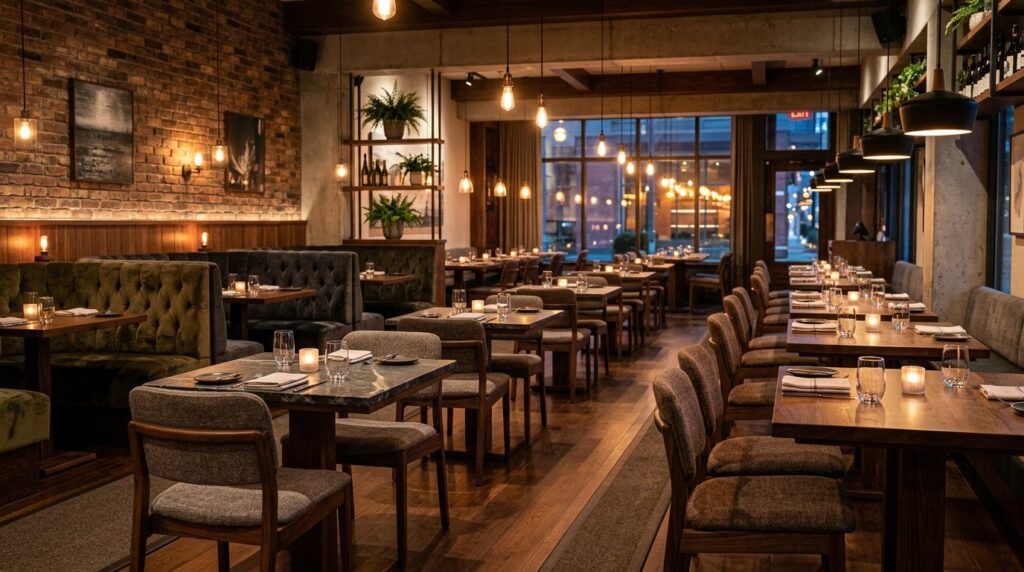
Your dining room is more than a place to eat; it is the physical expression of your restaurant’s brand and a major factor in how guests feel about their meal. The furniture you choose shapes comfort, ambiance, and even how long customers linger and return. But the furniture that looks great on day one is not always the furniture that holds up through years of active service. Choosing restaurant furniture in Fort Worth is a decision worth getting right, because a poorly made chair or table can cost you more in replacements than it saves up front.
If you only have a minute, here is the short answer. The best restaurant furniture in Fort Worth is commercial grade, built for the repetitive demands of dining service, and sourced from a single supplier who handles seating, tables, outdoor pieces, and custom builds. Whether your goal is durable restaurant furniture in Fort Worth that ages well, or a full fit-out for a new venue, prioritizing durable materials, comfortable ergonomics, and a space plan that maximizes covers and service flow is what separates a good investment from a costly mistake. Getting the specification right the first time costs less than correcting a wrong one later.
Why Commercial-Grade Furniture Matters
Restaurant furniture takes real punishment. Chairs are moved constantly, surfaces are wiped down every shift, and frames absorb load from open to close. Residential furniture is simply not built for this, and it shows within a matter of months rather than years.
The Hidden Cost of Cheaper Furniture
Cheaper alternatives often look fine at the start, but the savings are deceptive. By year two, frames loosen, surfaces lose their finish, and a dining room starts to feel worn. The result is a room that no longer matches the quality of your food and service.
- Frames loosen under constant use and movement.
- Surfaces lose their finish from repeated cleaning and wear.
- Upholstery shows wear where guests sit and shift the most.
- Mid-season replacements cost more than getting the spec right the first time.
The Value of Getting It Right the First Time
Investing in commercial-grade furniture from the start is more cost-effective in the long run. A well-built chair or table can last for years of daily service, whereas a cheap alternative may need replacing within a year or two. When you factor in the cost of replacements, the labor to install them, and the impact on guest experience, quality almost always wins.
The Core Categories of Restaurant Furniture
A complete dining room requires more than a few chairs and tables. Understanding the full range helps you plan a cohesive space that works as a whole. This is also why working with a single supplier that covers every category is so valuable.
Restaurant Seating
Seating is the foundation of guest comfort. Restaurant chairs, booths, and banquette seating are built to commercial specifications, with materials chosen for high-turnover dining service rather than light residential use. The right seating supports guests comfortably through a meal while resisting the wear of constant use.
Restaurant Tables
Tables anchor the room and set the tone. Options include laminate, solid wood, stone, and engineered quartz tops, across both fixed and adjustable bases. This range covers everything from compact two-tops to larger group layouts, so you can match tables to your floor plan and your service style.
Bar Stools
If your restaurant includes a bar, the right bar stools are essential. Commercial bar stools are built for high traffic, with sturdy frames and comfortable seating that holds up to constant use. They are a design feature as much as a functional one, so their style and height should match your bar and your theme.
Outdoor Restaurant Furniture
Fort Worth’s climate allows outdoor dining for much of the year, making patio furniture a valuable addition. Weather-rated seating and tables are built to handle heat, humidity, and sun exposure across patios, terraces, and open-air setups that stay active for most of the year. This extends your capacity and gives guests another way to enjoy your space.
Custom Restaurant Furniture
Sometimes a standard catalog piece simply does not fit the floor plan. Custom furniture is manufactured to your exact dimensions, finish, and material specifications, allowing you to use every inch of your space effectively. This is especially valuable for unusual layouts or when you want a distinctive look that no off-the-shelf product can match.
Considerations Specific to Fort Worth Restaurants
Fort Worth has its own character and its own climate, both of which should shape your furniture choices. Beyond general best practices, a few local factors matter when outfitting a dining room in this market.
Making the Most of Outdoor Dining
Fort Worth’s climate allows outdoor dining for a large portion of the year, which makes a well-planned patio a genuinely valuable part of your operation. To get the most from it, choose furniture that is rated for outdoor conditions.
- Weather-rated materials resist heat, humidity, and sun exposure.
- UV-resistant finishes protect surfaces and fabrics from fading.
- Powder-coated or aluminum frames resist corrosion and hold up to the elements.
- Drainage in chair seats and table tops helps shed rain and reduce standing moisture.
Designing for the Local Scene
Fort Worth’s dining scene spans fast-casual, full-service, fine dining, and hotel restaurants, each with its own expectations. Your furniture should match the style and atmosphere of your venue and the guests you serve. A neighborhood spot and an upscale fine-dining room call for very different pieces, even though both need commercial-grade durability.
Planning for the Texas Climate Indoors
The Texas climate affects indoor spaces too. Strong air conditioning and warm outdoor temperatures can affect how materials behave, so consider how upholstery and finishes respond to temperature changes. Choosing stable, durable materials helps your furniture maintain its appearance year-round.
8 Smart Ways to Choose the Right Furniture
Now that you understand the categories, here are the practical factors that separate a good furniture investment from a costly mistake.
1. Prioritize Guest Comfort and Ergonomics
An uncomfortable guest is an unhappy guest. If chairs are too hard or tables sit at an awkward height, guests are less likely to linger, order dessert, or return. Look for chairs with good back support, adequate seat depth, and, where appropriate, cushioned seating. Comfort is good business because it encourages longer stays and repeat visits.
Ergonomics That Matter
A few specific ergonomic details make a measurable difference in guest comfort. Pay attention to seat height in relation to the table, sufficient legroom, and back support that keeps guests comfortable through a full meal. These details are easy to overlook but have a real impact on how long guests stay and whether they come back.
2. Choose Materials Built to Last
Restaurant furniture takes constant abuse, from frequent cleaning to daily wear. Choose commercial-grade materials that are designed for this. Look for tables with solid wood or high-pressure laminate tops that resist scratches, heat, and stains. For chairs, focus on sturdy frames made of fully welded steel or solid wood.
3. Consider the Abrasion and Wear Rating
For upholstered seating, the double rub count is a key indicator of durability. This measures how well fabric withstands friction over time. A higher double rub count means the fabric is better suited to the heavy use a commercial dining chair sees. Investing in high-quality upholstery reduces the need for early replacement.
4. Match Seating to Your Service Style
Your service style should drive your furniture choices. A quick-service or fast-casual concept might benefit from stackable, durable chairs and laminate-top tables. A full-service or fine-dining venue may warrant wood or upholstered seating and stone or solid-wood table tops. Choose furniture that supports how you actually serve guests.
5. Plan for Your Floor Plan and Capacity
How your room is configured directly affects covers, service flow, and guest experience. Table size and shape should match your floor plan and your target covers per hour. Space between tables affects comfort and how easily staff can move. Work with a supplier who can help you think through layout so you use your space efficiently.
6. Think About Long-Term Maintenance
Furniture needs to be easy to clean and maintain. Consider how surfaces will hold up to wiping, how upholstery will handle stains, and whether materials are durable enough for daily use. Furniture that is difficult to maintain becomes a burden over time, so choose pieces that keep their appearance with reasonable care.
7. Build a Cohesive Look Across Categories
A dining room looks best when all the elements work together. Chairs, tables, booths, bar stools, and outdoor pieces should share a coherent style and color palette. Working with a single supplier across every category makes it easier to achieve a coordinated look rather than a room that feels pieced together.
8. Consider Custom Builds for a Perfect Fit
When standard pieces do not fit your space, custom furniture allows you to use every inch effectively. Custom builds are manufactured to exact dimensions, finishes, and material specs, giving you a room that is tailor-made for your concept. This is especially valuable for unusual layouts or distinctive design goals.
How a Full-Service Furniture Supplier Helps
Choosing the right supplier is as important as choosing the right furniture. A full-service supplier who handles every category under one team removes many of the headaches that come with managing multiple vendors.
One Supplier, No Gaps
When you source seating, tables, outdoor pieces, and custom builds from a single supplier, you avoid the coordination problems that arise from juggling multiple vendors. One team handles every category, ensuring there are no gaps between the order and the finished room.
Why Splitting Vendors Causes Problems
Dividing a fit-out across multiple vendors creates the same headaches every time. You end up coordinating different delivery schedules, matching finishes from different suppliers, and chasing accountability when something arrives wrong. A single supplier removes this friction, so the room comes together as a cohesive whole.
Commercial-Grade Construction
A reputable supplier sources furniture built to the repetitive physical demands of dining service. Materials are chosen specifically to handle the wiping, movement, and load that commercial environments deliver, so you get pieces that last rather than ones that show wear within months.
In-House Custom Manufacturing
Some suppliers manufacture custom pieces in-house, handling dimensions, finishes, and materials directly rather than passing the work to an outside factory. This gives you more control over the result and often faster, more accurate execution.
Space Planning Support
Experienced suppliers work with operators on layout and design, because how a room is configured directly affects covers, service flow, and repeat visits. This guidance helps you make the most of your space and avoid costly mistakes.
Wholesale Pricing for Operators
Commercial furniture is typically priced for commercial margins, not retail buyers. Working with a commercial supplier means you get direct rates rather than paying retail. This is a meaningful difference for operators outfitting a full dining room.
Budgeting for Your Restaurant Furniture
A clear budget helps you plan and avoid overspending. Understanding baseline costs allows you to allocate resources wisely across seating, tables, and other elements.
Setting a Realistic Budget
Start by setting an overall budget, then allocate it across the categories that matter most. Comfort and durability should generally take priority, since these directly affect guest experience and the lifespan of your investment.
Understanding the Price Ranges
The cost of commercial furniture varies widely based on material, construction, and design. Entry-level commercial pieces start at moderate price points, while premium materials and custom builds cost more. Matching your budget to your service style and expected volume is the key to a sensible investment.
Getting an Accurate Quote
Before ordering anything, get a detailed quote that covers the full scope of your project. An accurate quote prevents surprises and helps you compare options fairly. A full-service supplier can work through your brief from concept to final spec and provide pricing before anything is ordered.
Planning Your Restaurant Furniture Project
A successful furniture project is more than picking pieces from a catalog. It is a process that should be planned from the first concept through delivery and installation. Following a clear sequence helps you avoid mistakes and stay on budget.
Step 1: Define Your Concept and Service Style
Start by defining what your restaurant is and how it serves guests. Your concept drives every furniture decision, from the style of your seating to the materials on your tables.
- Identify your service style and expected volume.
- Define your target guest and the atmosphere you want to create.
- Establish a budget before you start shopping.
Step 2: Create a Floor Plan
A floor plan shows you how your furniture will fit into your space. This is where you plan covers, seating layouts, and service flow before you commit to a purchase.
- Map out table sizes and positions based on your space.
- Plan for adequate spacing between tables for comfort and staff movement.
- Identify any unusual dimensions that may require custom pieces.
- Consider the flow for servers and guests to move efficiently.
Step 3: Select Your Furniture
Once you know your concept and floor plan, you can choose specific pieces. Work through each category, ensuring the selections coordinate and meet your durability requirements.
- Choose seating that matches your service style and comfort needs.
- Select tables that fit your floor plan and match your materials.
- Add bar stools, outdoor pieces, and custom builds as needed.
- Confirm materials and finishes are rated for commercial use.
Step 4: Coordinate Delivery and Installation
The final step is getting everything delivered and placed correctly. This is where a full-service supplier makes a real difference, because they manage the process from order to finished space.
- Confirm lead times so you can plan your opening or refit.
- Schedule delivery and installation to avoid delays.
- Inspect pieces on arrival to ensure they meet spec.
- Arrange for support if anything needs adjustment or follow-up.
Frequently Asked Questions
What types of restaurant furniture do I need?
Most restaurants need seating, tables, and often bar stools, outdoor pieces, and custom builds. The specific mix depends on your concept, your floor plan, and whether you offer outdoor dining.
Why should I choose commercial-grade restaurant furniture?
Commercial-grade furniture is built for the heavy use of dining service, so it holds up to frequent cleaning, constant movement, and daily wear far better than residential furniture.
What is the best material for restaurant tables?
Solid wood and high-pressure laminate are excellent choices because they resist scratches, heat, and stains. Stone and engineered quartz are also strong options for a more premium look.
How much does restaurant furniture cost?
Cost varies widely by material, construction, and design. Entry-level commercial pieces cost less, while premium materials, booths, and custom builds cost more. An accurate quote is essential.
Should I buy furniture from one supplier?
Working with a single supplier across every category simplifies the process, ensures a cohesive look, and avoids the coordination issues of managing multiple vendors.
Can I get custom restaurant furniture?
Yes. Custom furniture is manufactured to your exact dimensions, finishes, and materials, which is ideal for unusual floor plans or distinctive design goals.
Conclusion
Choosing restaurant furniture in Fort Worth is one of the most important investments you make in your dining room, and it is one where getting the spec right the first time pays off for years. Commercial-grade furniture, chosen for comfort, durability, and a cohesive look, resists the daily abuse of dining service and keeps your room feeling polished even after years of use. By prioritizing quality materials, planning your floor plan and capacity, and working with a full-service supplier who can handle seating, tables, outdoor pieces, and custom builds under one team, you set your restaurant up for long-term success. The right furniture supports your food, your service, and your brand, helping guests feel comfortable and giving them a reason to return.
Approaching the decision as a planned process rather than a one-off purchase is what turns a dining room into an asset. When you source restaurant furniture in Fort Worth from a single team that understands both commercial durability and your local climate, the pieces fit your space, match your concept, and stand up to daily service. That coordination means fewer gaps, faster delivery, and a room that looks intentional rather than assembled. Whether you are opening a new venue, refitting an existing room, or simply upgrading a category, investing in furniture that lasts is a decision that pays dividends every single service you run. Take the time to plan the project properly, work with a supplier who understands the full commercial range, and choose pieces that support your service rather than fight it, and your dining room will serve your guests well for years to come.