
Losing a loved one is one of the most emotional experiences a family can face. During this difficult time, arranging a respectful and meaningful farewell...
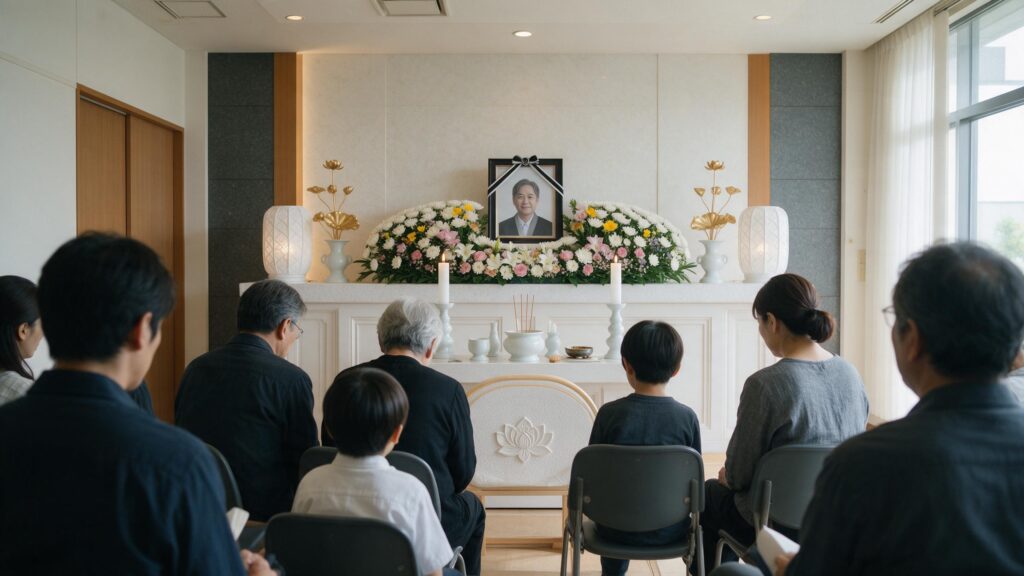
Losing a loved one is one of the most emotional experiences a family can face. During this difficult time, arranging a respectful and meaningful farewell can provide comfort, support, and a sense of peace. A Buddhist funeral service follows traditional Buddhist beliefs and practices that focus on compassion, remembrance, spiritual reflection, and helping the deceased transition peacefully.
Buddhist funeral customs can vary depending on cultural background, Buddhist tradition, and family preferences. In many communities, these ceremonies include prayers, chanting, offerings, meditation practices, and gatherings where family members and friends come together to honor the life of the departed. In places such as Singapore, Buddhist funeral arrangements often combine religious practices with local cultural traditions, creating ceremonies that reflect both spiritual beliefs and family values.
A Buddhist funeral is not only a farewell ceremony but also a time for reflection on the cycle of life, impermanence, and the importance of compassion. Understanding the process can help families make informed decisions and ensure that the ceremony respects the wishes of the deceased and their loved ones.
What Is a Buddhist Funeral Service?
A Buddhist funeral service is a ceremony conducted according to Buddhist beliefs and traditions to honor a person who has passed away. The purpose of the service is to provide a respectful farewell while allowing family members and friends to express grief, gratitude, and remembrance.
Buddhist teachings generally view death as a natural part of existence rather than an absolute ending. Many Buddhist traditions emphasize the continuation of consciousness through rebirth and encourage practices that generate peace, compassion, and positive intentions for the departed.
A typical Buddhist funeral may include:
- Religious chanting
- Prayers and blessings
- Offerings of flowers, incense, and food
- Memorial displays
- Funeral gatherings
- Final farewell ceremonies
- Cremation or burial arrangements
The exact practices depend on the family’s Buddhist tradition and cultural customs.
The Importance of Buddhist Funeral Traditions
Funeral rituals provide emotional and spiritual support during a challenging period. Buddhist funeral traditions are designed to create a peaceful environment where people can remember the deceased and process their loss.
These ceremonies serve several important purposes:
Honoring the Life of the Deceased
A funeral allows family members to celebrate memories, achievements, and relationships. It provides an opportunity to express appreciation for the person’s life and influence.
Supporting the Grieving Family
The presence of relatives, friends, and the community can provide emotional strength. Funeral gatherings allow people to share condolences and offer support.
Creating Spiritual Reflection
Buddhist ceremonies encourage mindfulness and reflection on the nature of life, change, and compassion.
Continuing Family Traditions
Many families value maintaining cultural and religious practices that have been passed down through generations.
Common Elements of a Buddhist Funeral Service
Although practices differ between Buddhist communities, many Buddhist funeral ceremonies include similar elements.
Funeral Wake and Viewing
A funeral wake allows family members and friends to gather and pay their respects. The deceased’s photograph is often displayed alongside flowers, candles, and other meaningful items.
During the wake, visitors may:
- Offer condolences
- Pay respects at the altar
- Participate in prayers
- Spend time with the family
The length of a Buddhist wake can vary depending on cultural customs and family preferences. In Singapore, Buddhist funeral wakes commonly follow traditional arrangements that may last several days.
Buddhist Chanting and Prayers
Chanting is one of the most significant parts of many Buddhist funeral ceremonies. Monks or religious representatives may recite Buddhist scriptures and prayers.
The purpose of chanting includes:
- Offering spiritual guidance
- Creating a peaceful atmosphere
- Providing comfort to family members
- Expressing respect for Buddhist teachings
Different Buddhist schools may use different chants and practices based on their traditions.
Offerings and Memorial Arrangements
Offerings are commonly included in Buddhist funeral traditions. These may include:
- Flowers
- Fruits
- Incense
- Candles
- Food offerings
These symbolic gestures represent respect, gratitude, and remembrance.
Final Farewell Ceremony
The final ceremony marks the transition from the funeral gathering to the next stage of arrangements, such as cremation or burial.
Family members may participate in prayers, ceremonies, and symbolic farewell practices before the deceased is laid to rest.
Steps Involved in Arranging a Buddhist Funeral Service
Organizing a funeral requires careful planning, especially during an emotional time. Professional funeral service providers can help families manage practical arrangements while respecting religious traditions.
Step 1: Contact a Funeral Service Provider
The first step is usually contacting a funeral director who understands Buddhist customs and can guide the family through necessary arrangements.
They can assist with:
- Transportation
- Funeral venue arrangements
- Casket selection
- Religious coordination
- Documentation
Step 2: Decide on Funeral Arrangements
Families typically discuss important details such as:
- Type of ceremony
- Wake location
- Duration
- Religious requirements
- Burial or cremation preference
Every family can choose arrangements based on their beliefs, budget, and personal wishes.
Step 3: Arrange Religious Services
If the family follows specific Buddhist traditions, monks or religious representatives may be contacted to conduct prayers and ceremonies.
The funeral provider may help coordinate timing and requirements.
Step 4: Prepare the Funeral Venue
The venue is usually arranged with appropriate decorations and religious items.
Common arrangements may include:
- Altar setup
- Flowers
- Seating
- Lighting
- Memorial displays
Step 5: Conduct the Funeral Ceremony
The ceremony usually includes prayers, chanting, final respects, and transportation of the deceased according to family arrangements.
Buddhist Funeral Service Options
Families may choose different types of funeral arrangements depending on their needs.
Traditional Buddhist Funeral
A traditional ceremony usually includes religious rituals, chanting, offerings, and a structured sequence of events.
This option is suitable for families who want to closely follow established customs.
Simple Buddhist Funeral
Some families prefer a smaller and more private ceremony with essential religious elements.
A simple funeral may include:
- Basic altar arrangements
- Family prayers
- Religious chanting
- Final farewell
Buddhist Cremation Service
Cremation is common in many Buddhist communities. It represents the physical body returning to natural elements while the spiritual journey continues.
The cremation process may include prayers and farewell rituals before the cremation takes place.
Buddhist Burial Service
Some families choose burial based on personal preferences, regional customs, or family traditions.
The ceremony may include religious prayers and respectful burial practices.
Benefits of Choosing a Professional Buddhist Funeral Service
Planning a funeral involves many responsibilities. Professional support can make the process easier for families.
Experience With Religious Customs
Funeral professionals familiar with Buddhist traditions understand the importance of proper rituals and respectful arrangements.
Reduced Stress During Difficult Times
A funeral provider can manage logistics, allowing family members to focus on grieving and supporting each other.
Proper Coordination
Professional funeral teams help coordinate:
- Religious representatives
- Transportation
- Venue setup
- Ceremony schedules
- Administrative requirements
Personalized Arrangements
Every family has different needs. Professional services can help create a ceremony that reflects the personality, beliefs, and wishes of the deceased.
How Much Does a Buddhist Funeral Service Cost?
The cost of a Buddhist funeral service varies depending on several factors.
Important cost considerations include:
- Funeral duration
- Venue selection
- Casket type
- Religious requirements
- Number of services included
- Transportation arrangements
- Additional memorial elements
Families should discuss available options with funeral providers to understand what is included in different packages.
How to Choose the Right Buddhist Funeral Service Provider
Selecting the right funeral provider is an important decision.
Consider these factors:
Experience With Buddhist Traditions
Choose a provider that understands Buddhist funeral customs and can respect family requirements.
Transparent Service Information
A reliable provider should clearly explain available services, procedures, and costs.
Compassionate Support
Funeral arrangements require sensitivity. A supportive team can make the process more manageable.
Flexible Options
Every family has different preferences. Choose a service that can accommodate personal and religious needs.
Buddhist Funeral Etiquette for Visitors
Guests attending a Buddhist funeral should show respect and sensitivity.
Common etiquette includes:
- Wearing modest and respectful clothing
- Speaking quietly
- Offering condolences to family members
- Following instructions during ceremonies
- Respecting religious practices
Visitors should approach the ceremony with compassion and understanding.
Common Mistakes to Avoid When Planning a Buddhist Funeral
Ignoring Religious Preferences
Families should consider the beliefs and wishes of the deceased when planning arrangements.
Making Decisions Without Proper Information
Understanding available options helps prevent unnecessary stress and confusion.
Delaying Important Arrangements
Early planning allows families to organize ceremonies more smoothly.
Choosing Only Based on Price
The lowest-cost option may not always provide the support and quality needed during an emotional time.
Frequently Asked Questions (FAQs)
What happens during a Buddhist funeral service?
A Buddhist funeral service usually includes prayers, chanting, offerings, remembrance activities, and final farewell rituals based on Buddhist traditions.
How long does a Buddhist funeral usually last?
The duration depends on cultural customs, family preferences, and religious practices. Some Buddhist funerals may last several days.
Are Buddhist funerals usually cremation or burial?
Many Buddhist communities commonly choose cremation, but burial is also practiced depending on family traditions and preferences.
Why is chanting included in Buddhist funerals?
Chanting is performed to provide spiritual guidance, create peace, and support reflection during the funeral ceremony.
What should guests wear to a Buddhist funeral?
Guests should generally wear simple, respectful clothing and avoid bright or inappropriate outfits.
Can a Buddhist funeral be personalized?
Yes, families can often personalize arrangements through photographs, memorial displays, flowers, and specific ceremonial preferences.
How do I choose a Buddhist funeral service provider?
Choose a provider with experience in Buddhist traditions, transparent services, compassionate support, and flexible arrangements.
Conclusion
A Buddhist funeral service provides families with a meaningful way to honor their loved ones while following important spiritual traditions. Through prayers, chanting, remembrance, and respectful ceremonies, Buddhist funerals create a peaceful environment for farewell and reflection. Planning a funeral can be emotionally challenging, but choosing the right support and understanding the process can help families create a dignified ceremony that reflects their beliefs and values. A thoughtful Buddhist funeral allows loved ones to celebrate memories, express gratitude, and find comfort during a difficult time.