
Rigid boxes are the packaging category that customers judge before they ever touch the product inside, and premium brands have noticed: the moment a smartphone box,...
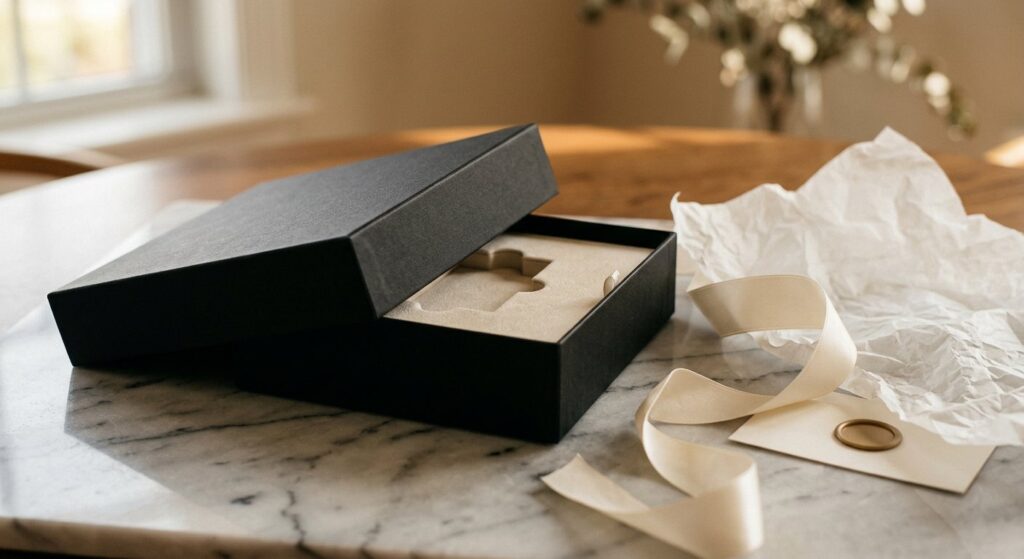
Rigid boxes are the packaging category that customers judge before they ever touch the product inside, and premium brands have noticed: the moment a smartphone box, a perfume carton, or a jewelry case opens with that smooth, weighty resistance, the purchase already feels justified. Unlike ordinary folding cartons that ship flat and crease at every corner, rigid boxes are constructed from thick, dense paperboard that holds its shape permanently, wrapped in printed or specialty paper, and finished with the kind of details, magnetic closures, foil stamping, embossing, fitted inserts, that turn a container into an experience. That construction costs more per unit, which raises the fair question every product manager eventually asks: is it worth it? For products where perception drives price, the answer across retail categories has been a consistent yes, and the reasons are more practical than sentimental. Here are the nine reasons premium brands keep choosing rigid boxes, followed by an honest comparison against cheaper alternatives and the answers to the questions buyers ask before making the switch.
Key Takeaways
- Rigid boxes are non-collapsible packaging built from thick greyboard wrapped in printed or specialty paper, and they hold their shape permanently.
- They deliver superior protection for fragile and high-value products, resisting pressure and shipping impact far better than folding cartons.
- The unboxing experience they create measurably lifts brand perception, reuse keeps them in customers’ homes for years, and premium finishes signal value before the product is seen.
- Collapsible rigid formats now offset the classic downsides of bulk and freight cost by folding flat for storage and shipping.
- They suit jewelry, cosmetics, perfume, electronics, candles, gifts, and any product where presentation supports the price.
What Are Rigid Boxes?
Rigid boxes, sometimes called setup boxes, are packaging made from thick, dense paperboard, typically greyboard measuring roughly 1.5 to 3 millimeters in wall thickness, that arrives fully formed and does not fold, bend, or collapse in normal use. The greyboard core provides the structure while a printed paper or specialty wrap, kraft, linen, textured, or soft-touch material, gives the box its finished look and feel, and construction details such as concealed magnets, shoulder necks, and fitted inserts complete the premium format. They are the category behind the packaging people remember: watch boxes, phone boxes, perfume cases, and the gift boxes too nice to throw away.
How They Are Made
Rigid box production is part machine, part craft. Greyboard is cut and V-grooved so it can form crisp corners without collapsing, assembled into the box skeleton, and then hand-wrapped or machine-wrapped with the printed outer paper, with adhesives applied precisely so the wrap lies smooth with no bubbles or wrinkles. Because much of the assembly is manual, labor sits inside every unit, which is why rigid boxes cost more than folding cartons, and why their finish quality, tight corners, flush edges, perfectly aligned magnets, is immediately visible in the hand.
Rigid vs Folding Cartons at a Glance
Folding cartons are the thin, creased boxes that ship flat and pop open, economical, lightweight, and ideal for high-volume retail goods. Rigid boxes are their premium counterpart: thicker, heavier, permanently formed, and dramatically more protective and presentational. Neither is universally better; the choice follows the product, and the nine reasons below map exactly when rigid earns its premium.
9 Powerful Reasons Premium Brands Choose Rigid Boxes
1. Protection That Matches the Product’s Value
The structural fact behind the category: greyboard walls resist crushing, bending, and impact in a way thin folding carton physically cannot. Fragile products, glass perfume bottles, ceramics, electronics, candles in soft wax, survive handling, shipping, and shelf life dramatically better inside a box that does not deform under pressure. For high-value goods, that protection is not an aesthetic choice; it is returns reduction and damage-cost avoidance, and many brands find the box pays for itself simply by reducing what arrives broken.
2. The Unboxing Experience Customers Remember
Unboxing has become a public ritual, filmed, shared, and judged, and rigid boxes are the format built for it. The weight of the box in the hands, the resistance of a magnetic lid, the reveal of a product seated in a fitted insert, each moment signals care and intention. Customers consistently associate packaging quality with product quality, and surveys regularly find a majority of shoppers more likely to repurchase products that arrive in premium packaging. For e-commerce brands, where the box is the only physical brand touchpoint, that experience is the storefront.
3. Finishes That Signal Value Before the Reveal
Rigid construction supports a finish repertoire that folding cartons cannot match: hot foil stamping in gold, silver, or copper; embossing and debossing that raise the design into the board itself; soft-touch lamination with its velvet feel; spot UV that glosses a single logo against a matte field; printing inside and out. Each technique communicates the same message, someone spent care here, and together they let the packaging carry brand identity at a depth that flat print cannot reach. The box becomes part of the product’s design language rather than a wrapper around it.
4. Durability That Extends Brand Life for Years
Because rigid boxes survive their first unboxing intact, customers keep them: for storage, for keepsakes, on dressers and shelves, quietly displaying the brand in the home for years. That reuse is advertising no media buy can replicate, and it differentiates rigid from disposable packaging in the customer’s mind, a box that persists reads as a product worth persisting with. Brands in jewelry, watches, and cosmetics design for this deliberately, creating cases beautiful enough that discarding them would feel wrong.
5. A Sustainability Story Built on Reuse
Paper-based rigid boxes are recyclable, and their real environmental strength is longevity: one durable box reused for years displaces the throwaway packaging cycle, and many brands now pair recycled greyboard, soy-based inks, and plastic-free finishes with a design meant to be kept. The honest framing matters, rigid boxes use more material per unit than folding cartons, so the sustainability case rests on reuse and recyclability rather than raw material minimization. Brands that say exactly that, and mean it, earn credibility with eco-conscious customers.
6. Formats for Every Price Point
The category has diversified far beyond the classic heavy setup box. Two-piece lid-and-base styles deliver classic elegance economically; shoulder boxes add an inner platform that cradles the product and feels architectural; magnetic closure boxes snap shut with concealed magnets for a modern, confident feel; hinged-lid and book-style formats suit keepsakes and documentation; collapsible rigid boxes fold flat and pop open, cutting storage and inbound freight costs dramatically while keeping the rigid feel. Whatever the budget tier within premium, a rigid format now fits it.
7. Inserts That Cradle and Present
Rigid boxes pair naturally with custom inserts, foam, molded pulp, cardboard, or luxury fabric linings, that hold each product precisely in place. The functional benefit is protection: nothing shifts, nothing scratches, nothing arrives loose. The presentational benefit is theatre: the product sits exactly where the eye lands when the lid opens, styled like a display case. Perfume brands, electronics makers, and jewelry houses have long understood that the insert does as much storytelling work as the wrap, and rigid construction is what makes engineered inserts possible.
8. Shelf Presence That Competes in Retail
In physical retail, rigid boxes add weight and polish that lifting-by-hand converts into perceived quality; customers equate the heft of the package with the value of the contents, a bias that has been demonstrated repeatedly in packaging research. On crowded shelves of lightweight cartons, a solid, beautifully finished rigid box draws touch, and touch drives purchase. Luxury categories use this deliberately, electronics and spirits increasingly so, because the box is doing selling work before any label is read.
9. Wholesale Economics Have Caught Up
The historic barrier to rigid packaging was cost, and that barrier has lowered: manufacturers now offer wholesale programs, wider material choices such as 1200 and 1400gsm rigid stock in SBS, kraft, and E-flute combinations, and finishes, gloss, matte, soft-touch lamination, foils, embossing, die-cut windows, at prices that mid-market brands can plan around. Custom sizing, inside-and-outside printing, and free design support have become standard offers among suppliers. The result is that packaging once reserved for flagship luxury now sits within reach of any brand whose product deserves it.
Rigid Boxes vs the Alternatives
| Aspect | Rigid Boxes | Folding Cartons | Corrugated Shipping Boxes |
|---|---|---|---|
| Structure | Thick greyboard, permanently formed | Thin paperboard, folds flat | Fluted cardboard, stacks well |
| Protection | Excellent, impact-resistant | Light-duty | Strong for transit, not display |
| Presentation | Premium, luxury finishes | Clean, economical | Functional |
| Unboxing impact | Signature strength | Modest | None intended |
| Reuse by customers | Kept for years | Usually discarded | Occasionally reused |
| Cost per unit | Highest | Lowest | Moderate |
The table reads as a decision tool: transit is corrugated’s job, volume retail is the folding carton’s job, and the moment a brand needs protection, presence, and an unboxing worth remembering in the same package, rigid boxes are the format that does all three.
Frequently Asked Questions
What are rigid boxes made of?
A thick greyboard core, typically around 1.5 to 3 millimeters thick, wrapped in printed or specialty paper such as coated art paper, kraft, linen, or soft-touch material.
Why do rigid boxes cost more than folding cartons?
Thicker materials and substantial manual assembly, wrapping, corner-forming, and finishing are labor-intensive, and premium options such as magnetic closures and foil stamping add further steps.
Are rigid boxes recyclable?
Yes, their paper-based construction is recyclable, and their durability means many are reused for years before recycling, which is their strongest environmental advantage.
Can rigid boxes ship flat to save space?
Collapsible and foldable rigid formats do exactly that: they fold flat for storage and freight, then assemble quickly without tools while keeping the rigid look and feel.
What products suit rigid boxes best?
Jewelry, perfume, cosmetics, electronics, candles, luxury foods, and gifts, essentially any product where protection, presentation, and price perception all matter.
What finishes can be used on rigid boxes?
Offset printing in CMYK or PMS colors, gloss, matte, or soft-touch lamination, spot UV, gold, silver, or copper foil, embossing and debossing, die-cut windows, and inside-and-outside printing.
Conclusion
Rigid boxes endure in premium packaging for reasons that hold up under scrutiny: they protect fragile, high-value products better than any lightweight alternative, they turn unboxing into a brand moment customers remember and share, their finishes communicate quality before the product is seen, and they stay in customers’ homes for years as quiet, persistent advertising. The classic objections, cost and bulk, have both softened, collapsible formats fold flat for freight, wholesale programs have brought per-unit prices within reach, and the reuse story gives even the material question a credible answer. For a brand whose product carries a premium promise, packaging that feels premium is not vanity, it is consistency, the physical proof of everything the marketing said. Choose the right format, insist on the finishes that match the brand, and let the first touch do the talking, because in premium markets, the box speaks before the product ever does.