
A great recipe can persuade someone to try a product again, but packaging often determines whether they notice it in the first place. High-quality food packaging...
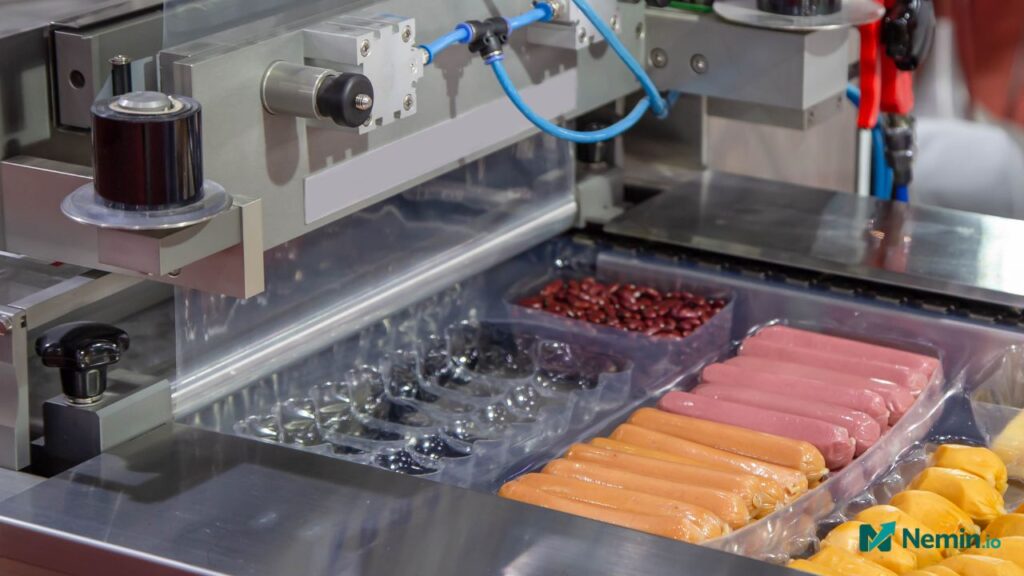
A great recipe can persuade someone to try a product again, but packaging often determines whether they notice it in the first place. High-quality food packaging printing helps a growing food business translate a homemade or small-batch identity into a consistent commercial presentation while communicating essential information about the product. Clear typography, accurate colors, legible labels, appropriate materials, and repeatable print quality can make products easier to recognize across shelves, markets, deliveries, and online photographs.
Professional printing alone does not make a food venture profitable. A viable business also needs a safe product, realistic margins, suitable packaging, compliant labeling, dependable production, reliable suppliers, and customers willing to repurchase. When high-quality food packaging printing is built around these fundamentals, it becomes more than decoration. It can support brand recognition, operational consistency, retailer readiness, and a more scalable route from passionate food maker to commercial brand.
Why High-quality food packaging printing Matters for a Food Business
High-quality food packaging printing refers to professionally produced printed elements used on food packaging, including labels, cartons, pouches, sleeves, wrappers, films, and other printed packaging formats.
Quality is not defined by expensive finishes alone.
For a food product, print quality includes sharp text, accurate barcodes where required, consistent colors, appropriate ink and substrate selection, durable graphics, and reliable reproduction across production batches.
High-quality food packaging printing should also work with the packaging’s technical requirements rather than interfere with them.
High-quality food packaging printing Creates the First Physical Impression
Customers cannot taste a sealed product before buying it.
They often use packaging, price, product description, ingredients, branding, and retailer context to form expectations.
A poorly printed label can make an excellent product appear inconsistent.
By contrast, precise high-quality food packaging printing can communicate that the producer has paid attention to detail.
That impression should be supported by equally professional food production.
High-quality food packaging printing Supports Recognition
Repeated visual cues make brands easier to recognize.
A consistent logo, color palette, typography system, illustration style, package shape, and label layout can connect several products into one family.
For a growing food company, recognition becomes increasingly important as products appear in more locations.
High-quality food packaging printing Must Remain Functional
Decorative design should never make essential information difficult to find or read.
Food packaging carries information with practical and, depending on jurisdiction, legal importance.
Ingredients, allergens, quantity, date information, storage instructions, nutrition declarations, business details, origin information, and other elements can be required depending on the product and market.
Design and compliance need to develop together.
Start High-quality food packaging printing With the Product
New food entrepreneurs sometimes design packaging before the recipe, process, shelf life, and pack size have been finalized.
This reverses the sensible order.
First understand what the food needs from its package.
Define the Product Characteristics
Ask whether the food is:
- Dry or moist
- Oily or greasy
- Chilled or ambient
- Frozen
- Sensitive to oxygen
- Sensitive to light
- Aromatic
- Carbonated
- Hot-filled
- Reheated in the package
- Vulnerable to crushing
- Expected to remain stable for a long period
These characteristics influence packaging materials and, in turn, available printing methods.
High-quality food packaging printing Follows Packaging Performance
A beautiful paper pouch is inappropriate if the product needs barrier properties the structure cannot provide.
Likewise, a standard adhesive label may fail on a refrigerated container that develops condensation.
High-quality food packaging printing begins with a technically suitable package and then applies branding to that package.
High-quality food packaging printing and Food Safety
Food safety takes priority over aesthetics.
Packaging materials used in direct contact with food need to be suitable for the intended application under applicable regulations.
Printing systems need to account for the location of inks, coatings, adhesives, and other components.
Direct and Indirect Food Contact
A label attached to the outside of a sealed glass jar presents a different contact scenario from printing on a film that directly contains food.
The printer and packaging converter should understand the intended application.
Food businesses should communicate storage temperature, filling conditions, and product characteristics rather than simply requesting a beautiful design.
Migration Considerations
Components of packaging can potentially migrate under certain conditions.
Suitable material selection, barrier layers, ink systems, curing, and manufacturing controls therefore matter.
High-quality food packaging printing should come from suppliers capable of providing appropriate technical documentation for the intended application.
Hygiene in Packaging Storage
Printed packaging needs clean, dry, controlled storage.
Food-contact components should be protected from dust, pests, chemicals, moisture, and other contamination.
Packaging quality can be compromised after printing if storage conditions are poor.
High-quality food packaging printing and Legal Labels
Label requirements differ by country, product, sales channel, business size, and the claims being made.
A food entrepreneur should identify applicable rules before sending artwork for mass production.
Ingredients
Many packaged foods need an ingredient declaration under applicable food labeling rules.
Ingredients are generally presented according to prescribed requirements.
Do not design a tiny ingredient panel and assume the legal wording will somehow fit later.
Reserve appropriate space during design.
Allergens
Allergen communication can be safety-critical.
The required method of emphasizing or declaring allergens depends on applicable jurisdiction.
High-quality food packaging printing should make required allergen information clear and reproducible rather than sacrificing legibility for visual minimalism.
Nutrition Information
Nutrition labeling requirements vary.
Some businesses or products may qualify for particular exemptions, while others require standardized declarations.
Verify current rules with the relevant food authority or qualified specialist.
High-quality food packaging printing Needs Compliance Review Before Production
Artwork should receive a final technical and regulatory review before thousands of units are printed.
A spelling error in a slogan is inconvenient.
An incorrect allergen statement can be far more serious.
Create a formal approval step.
How High-quality food packaging printing Builds a Strong Food Brand
Branding gives customers a reason to recognize one producer among many similar offerings.
Packaging is particularly important for food because the product frequently competes on a crowded shelf.
Create Clear Visual Hierarchy
A shopper should be able to identify the brand and product quickly.
Secondary information can then explain flavor, size, ingredients, or product characteristics.
High-quality food packaging printing helps hierarchy through crisp typography, controlled colors, contrast, and spacing.
Tell the Story Without Overcrowding
Small food businesses often have compelling origin stories.
Perhaps a recipe came from family tradition, local ingredients, restaurant experience, or a hobby that became popular with customers.
Tell that story concisely.
The package does not need an autobiography.
A website or QR-linked page can provide longer content where appropriate.
Keep High-quality food packaging printing Consistent Across Flavors
Product variants need differentiation without looking unrelated.
A common brand structure with controlled color or illustration changes can help customers navigate the range.
Consistency also simplifies future packaging development.
Choosing Materials for High-quality food packaging printing
Different substrates produce different printing results.
Material selection needs to consider barrier performance, rigidity, transparency, moisture, grease, temperature, filling process, transport, and recycling objectives.
Printed Labels
Pressure-sensitive labels are flexible for jars, bottles, tubs, boxes, and other containers.
They can be economical for startups because brands can often purchase standard containers and add custom labels.
Adhesive selection matters.
Refrigerated, frozen, oily, curved, or squeezable containers can need specialized constructions.
Folding Cartons
Paperboard cartons provide broad areas for branding and required information.
They can contain a primary package or, for suitable products, form part of the direct packaging system.
High-quality food packaging printing on cartons can support sophisticated color and finishing options.
Flexible Pouches
Flexible packaging can offer low material weight and useful barrier structures for snacks, coffee, powders, pet foods, confectionery, and many other products.
Printing can be performed on rolls or premade pouches depending on production method and quantity.
The complete laminate or mono-material structure should be selected around product needs.
High-quality food packaging printing Methods
No single print technology is best for every food business.
Run size, color requirements, material, design, personalization, budget, and lead time influence selection.
Digital High-quality food packaging printing
Digital printing can be attractive for smaller quantities because it can reduce some setup requirements associated with conventional printing.
It can support multiple variants and relatively easy artwork changes.
Unit prices may differ at larger volumes.
Flexographic Printing
Flexography is widely used for labels, films, corrugated packaging, and flexible materials.
It can be efficient for larger runs.
Production involves plates and other setup considerations.
Offset Printing
Offset printing is commonly used for high-quality paperboard and paper applications.
It can produce excellent detail and color when used appropriately.
Packaging converters can combine offset-printed sheets with coatings, lamination, die-cutting, and other finishing processes.
Gravure Printing
Gravure can support high-quality, high-volume flexible packaging applications.
Cylinder costs generally make it more relevant to substantial production runs.
Food businesses should compare total economics rather than choosing based on print reputation alone.
High-quality food packaging printing for Small Production Runs
Startups often face a difficult balance.
They need professional-looking packaging but cannot justify purchasing tens of thousands of units before demand is established.
Begin With Short Runs
Digitally printed labels or short-run cartons can allow a business to test products and artwork with less inventory risk.
The unit cost may be higher.
The total financial exposure can still be lower because fewer packages are purchased.
Avoid Premature Bulk Printing
A food startup can change recipes, serving sizes, nutrition information, claims, addresses, branding, barcodes, or package sizes during early growth.
Every change can make printed inventory obsolete.
High-quality food packaging printing should scale with business confidence.
High-quality food packaging printing and Minimum Order Quantities
Printers establish minimum order quantities based on production economics.
The MOQ is not merely a sales rule.
Tooling, plates, setup, substrate purchasing, finishing, and machine time all influence the minimum practical quantity.
Calculate Total Inventory Cost
A lower price per unit at 50,000 packages can be misleading if the business only needs 5,000.
Unused packaging ties up cash and warehouse space.
If product information changes, the remaining stock may become unusable.
Consider Multiple SKUs
A brand selling five flavors needs to understand whether the MOQ applies to the total order or separately to each artwork.
This can substantially change high-quality food packaging printing economics.
Ask suppliers before finalizing the product range.
Color Management in High-quality food packaging printing
Brand colors should remain as consistent as practical across labels, cartons, displays, websites, and marketing.
Screens and printed materials use different color systems, making exact matching complicated.
Use Physical Proofs
A digital PDF can verify text and layout but may not accurately predict final printed color.
Request representative proofs where color matters.
The proofing method should be understood because some proofs approximate rather than exactly replicate final production.
Substrate Color Matters
Printing on white coated stock produces different results from printing on natural kraft paper or transparent film.
High-quality food packaging printing needs artwork designed for the actual substrate.
High-quality food packaging printing Finishes
Finishing can add tactile and visual interest.
It can also increase cost and material complexity.
Matte and Gloss
Matte finishes can create a restrained premium appearance.
Gloss can intensify color and create visual contrast.
Neither is inherently more premium.
Select the finish according to brand positioning and product environment.
Foil and Embossing
Foil stamping and embossing can highlight specific design elements.
These processes are frequently associated with premium food and beverage products.
Use them selectively.
A high-quality uncoated carton with excellent typography can be more effective than excessive decoration.
Spot Coatings
Selective coatings can add contrast or emphasize an image.
Test durability, especially when packages rub against each other during shipping and retail handling.
High-quality food packaging printing and Barcodes
Retail expansion often introduces barcode requirements.
A beautiful package is commercially inconvenient when the barcode does not scan reliably.
Barcode Positioning
Barcodes need suitable dimensions, contrast, quiet zones, and positioning according to the relevant specification.
Curved containers can introduce additional challenges.
Do not modify barcode proportions simply to make the design look more balanced.
Test Printed Barcodes
Scan representative production samples.
For important retail distribution, appropriate barcode verification may be required.
High-quality food packaging printing should treat machine readability as a quality requirement.
High-quality food packaging printing for Farmers Markets
Farmers markets provide an excellent environment for testing products because makers can speak directly with customers.
Packaging still needs to support food-safety and labeling requirements.
Use Feedback to Improve Artwork
Customers may reveal that flavor names are hard to distinguish or cooking instructions are unclear.
Use this feedback before investing in a larger print run.
Keep the Brand Recognizable
Market displays contain many products.
Strong, consistent high-quality food packaging printing can help shoppers recognize the same product when they later see it online or in a retail store.
High-quality food packaging printing for Retail Shelves
Retail changes packaging requirements.
Products need to communicate quickly from a shelf and integrate with retailer logistics.
Design at Real Shelf Size
A label enlarged on a computer monitor can appear perfectly readable.
Print it at actual size and view it from a realistic shopping distance.
Important information should remain understandable.
Shelf Facing
Consider which panel customers will see when the product is merchandised.
High-quality food packaging printing should put essential identification on the likely primary facing.
Case Packaging
Retailers may also require cartons, barcodes, case labels, or shelf-ready packaging.
Include these costs in commercial planning.
High-quality food packaging printing for Ecommerce
Online food brands need packaging that photographs clearly and survives delivery.
The retail pack may require secondary shipping protection.
Product Photography
Colors and typography should reproduce effectively in online photographs.
Customers need to distinguish variants at thumbnail size.
High-quality food packaging printing can support digital selling when hierarchy remains clear.
Shipping Protection
Glass jars and bottles need sufficient cushioning.
Chilled and frozen products can require specialized temperature-control systems.
Presentation packaging cannot replace the technical shipping system.
High-quality food packaging printing and Sustainability
Food packaging has to balance product protection with resource use.
Reducing packaging at the expense of food spoilage can create a different environmental problem.
Right-Size the Package
Avoid unnecessarily large cartons and excessive empty space.
Right-sizing can reduce materials and improve transport efficiency.
Select Materials With Evidence
Paper, plastic, metal, glass, compostable materials, and mixed structures all have advantages and limitations.
The correct environmental comparison depends on product protection and actual waste-management infrastructure.
High-quality food packaging printing should not rely on simplistic material claims.
Make Environmental Claims Carefully
Terms such as sustainable, recyclable, biodegradable, compostable, and plastic-free need accurate qualification and support.
Rules concerning environmental marketing vary by jurisdiction.
A package should explain disposal clearly where possible.
How High-quality food packaging printing Affects Profit
Packaging is a cost, but it can also support commercial performance.
The important question is whether the overall product economics work.
Calculate Unit Economics
A simple product cost model can include:
| Cost Category | What to Include |
|---|---|
| Ingredients | Recipe inputs |
| Labor | Production and packing |
| Primary package | Jar, bottle, pouch or tray |
| Printing | Labels, cartons and sleeves |
| Shipping case | Distribution packaging |
| Production waste | Expected losses |
| Fees | Payment or marketplace charges |
| Freight | Delivery or wholesale logistics |
| Retail margin | Channel economics where applicable |
High-quality food packaging printing needs to fit inside a sustainable margin structure.
Avoid Designing Beyond the Price Point
A product selling at an accessible price may not support an elaborate rigid presentation box.
A premium gift food can justify different packaging economics.
Packaging spend should align with category, margin, customer expectations, and distribution.
High-quality food packaging printing Quality Control
A successful first run does not guarantee every future batch will look identical.
Printing is a manufacturing process with tolerances.
Approve a Reference
Keep an approved production sample.
Use it to compare future print runs for color, finish, text, dimensions, and overall appearance.
Inspect Incoming Packaging
Check representative samples before releasing all packaging to production.
Look for:
- Color shifts
- Missing text
- Incorrect artwork
- Poor trimming
- Adhesive failures
- Surface defects
- Damaged cartons
- Barcode problems
- Incorrect roll direction
- Contamination
Discovering an error before filling thousands of packages is far less disruptive.
High-quality food packaging printing Supplier Selection
A printer should understand the packaging format and food-related application.
Ask for relevant experience.
Questions for Printers
Important questions include:
- What materials do you recommend?
- Is the construction suitable for the intended food use?
- What printing method fits my quantity?
- What is the MOQ?
- What tooling is required?
- How are colors controlled?
- Can you provide physical samples?
- What are normal lead times?
- What quality tolerances apply?
- How are packaging products packed for delivery?
- Can repeat runs match previous production?
- What technical documentation is available?
A high-quality food packaging printing supplier should be willing to discuss technical limitations rather than promising that every concept is equally practical.
High-quality food packaging printing Best Practices
Professional packaging emerges from coordination between food production, design, printing, compliance, and logistics.
- Finalize the product before bulk printing.
- Establish package performance requirements.
- Use materials suitable for the intended food application.
- Reserve enough room for required labeling.
- Review allergens carefully.
- Keep typography readable.
- Design strong visual hierarchy.
- Use consistent brand colors.
- Request representative print proofs.
- Test barcodes.
- Start with smaller runs while demand is uncertain.
- Calculate packaging cost per saleable unit.
- Avoid excessive finishing.
- Test packaging under actual storage conditions.
- Inspect incoming printed materials.
- Keep approved production samples.
- Verify environmental claims.
- Review artwork again whenever recipes or regulations change.
These high-quality food packaging printing practices reduce both commercial and compliance risk.
Common High-quality food packaging printing Mistakes
Food entrepreneurs often focus intensely on logos while overlooking technical packaging decisions.
Common mistakes include:
- Printing large quantities before validating sales
- Using labels that fail under refrigeration
- Choosing colors only from a screen
- Making ingredient text too small
- Missing required information
- Failing to emphasize allergens appropriately
- Ordering the wrong label orientation
- Ignoring barcode readability
- Choosing materials based only on appearance
- Overusing premium finishes
- Creating packaging too expensive for the product margin
- Making unsupported sustainability claims
- Failing to keep artwork version control
- Approving production without a physical sample
High-quality food packaging printing requires operational discipline as much as creative talent.
Scaling High-quality food packaging printing as Sales Grow
Packaging needs change when a business moves from local markets into ecommerce, wholesale, and national retail.
The print technology that made sense for 500 units may not remain economical at 50,000.
Review Printing Economics at Volume Milestones
As quantities increase, request updated quotations across different printing technologies and suppliers.
Higher-volume conventional printing may reduce unit costs enough to justify tooling.
Do not switch purely for price.
Quality, lead time, flexibility, storage, and cash requirements also matter.
Maintain Artwork Control
Every SKU should have an approved current artwork file.
Old files should be archived clearly.
A printer accidentally using a previous allergen statement or ingredient list can create a serious problem.
Version control is essential.
Building a Food Brand Beyond High-quality food packaging printing
Packaging gets attention, but repeat purchases depend primarily on whether the overall product experience meets expectations.
Flavor, consistency, freshness, service, availability, and price remain essential.
Use Packaging to Set Accurate Expectations
Photography and descriptions should resemble the real product.
Do not use high-quality food packaging printing to suggest premium ingredients, certifications, origin, or health benefits that the product cannot substantiate.
Brand trust depends on alignment between appearance and reality.
Listen to Customers
Reviews, returns, market conversations, retailer feedback, and customer service questions can reveal packaging improvements.
If many customers cannot find storage instructions, revise the hierarchy.
If a pouch is difficult to reseal, investigate the structure rather than merely redesigning the graphics.
The Powerful Future of High-quality food packaging printing
Digital production, variable data, improved color management, short-run flexible packaging, connected packaging, and more sophisticated recycling-oriented structures are changing what smaller food brands can access.
This can reduce the gap between startup and major-brand presentation.
Personalization
Digital printing can support regional designs, limited editions, seasonal products, and variable graphics in suitable applications.
Brands should avoid creating so many variants that production and inventory become difficult to manage.
Connected Packaging
QR codes or other digital features can connect customers to recipes, provenance information, preparation instructions, authenticity tools, or loyalty programmes.
The destination should add real value.
A code leading only to a generic homepage provides little reason to scan.
Better Material Efficiency
Future high-quality food packaging printing will increasingly need to achieve strong visual impact using appropriately sized and technically efficient packaging.
Brands that combine shelf appeal with credible material choices can potentially differentiate without relying on unnecessary packaging volume.
FAQ’s
What is High-quality food packaging printing?
High-quality food packaging printing is professional printing for food labels, cartons, pouches, sleeves, films, and other packages with an emphasis on clarity, consistency, durability, branding, and technical suitability.
Why does High-quality food packaging printing matter for startups?
It can make products easier to recognize, communicate required information clearly, support retailer presentations, and create consistent branding as a food business moves beyond small local sales.
Which printing method suits High-quality food packaging printing?
Digital, flexographic, offset, and gravure printing can all be suitable depending on packaging material, order quantity, design, color requirements, budget, and production process.
Is High-quality food packaging printing food-safe?
Safety depends on the complete packaging construction, inks, coatings, adhesives, contact conditions, and intended food application. Suppliers should provide appropriate technical documentation.
How much does High-quality food packaging printing cost?
Costs vary with material, dimensions, quantity, number of SKUs, printing process, colors, finishes, tooling, freight, and minimum order quantities. Compare complete unit economics.
How can High-quality food packaging printing improve profitability?
It can support recognition and commercial presentation, but profitability also depends on product demand, price, ingredients, labor, distribution, waste, and packaging cost. Printing alone cannot guarantee higher profits.
Conclusion
High-quality food packaging printing helps transform a good food product into a consistent commercial offering by connecting brand identity with practical information, product protection, retail presentation, and customer recognition. Sharp typography, controlled color, suitable materials, accurate labels, dependable barcodes, and durable finishes can make a small food business look prepared for growth without sacrificing the personal character that made customers interested in the product initially.
High-quality food packaging printing delivers the greatest value when it is developed alongside food safety, labeling compliance, shelf-life requirements, realistic unit economics, and proven customer demand. Start with technically appropriate packaging, keep early print runs manageable, verify every required label detail, test physical samples, and scale production only when sales justify larger quantities. Great packaging may help secure the first purchase, but a safe, enjoyable, consistently produced food product is what gives customers a reason to come back.