
Renovating a house can improve how it functions, update aging materials, increase comfort, and adapt an existing property to changing household needs. Successful home renovations Calgary homeowners...
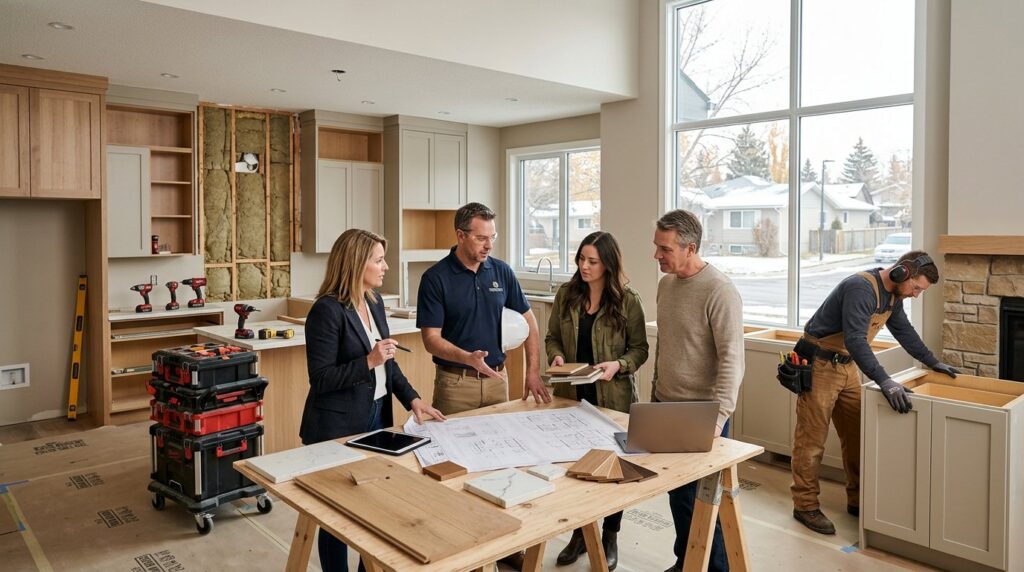
Renovating a house can improve how it functions, update aging materials, increase comfort, and adapt an existing property to changing household needs. Successful home renovations Calgary homeowners undertake, however, need to account for more than interior style. Calgary’s climate, municipal permit requirements, building codes, contractor availability, material lead times, existing construction, energy performance, and realistic budgets can all influence a project. Whether you are planning a kitchen remodel, basement development, bathroom upgrade, addition, or whole home renovation, making important decisions before demolition starts can reduce uncertainty and help the construction phase run more predictably.
Calgary’s housing stock includes older inner city properties, suburban detached homes, townhouses, condominiums, and newer construction. Renovating each category can introduce different constraints.
An older property may conceal outdated electrical or plumbing systems, while a condominium can require board approval and restrictions on working hours or modifications to common property.
There is no single renovation formula that works for every home. A detailed assessment of the existing building should guide the design, scope, schedule, and budget.
Why Home Renovations Calgary Require Careful Planning
Renovation work takes place inside an existing structure. That makes it different from designing a new home on an empty site.
Existing walls can conceal plumbing, wiring, structural components, moisture damage, insulation deficiencies, or previous alterations. Some of these conditions may not become visible until selective demolition occurs.
Calgary’s seasonal conditions also influence construction planning.
Exterior work, excavation, roofing, concrete, deliveries, and temporary weather protection can be affected by cold temperatures, snow, freeze and thaw cycles, and changing weather.
Good planning cannot eliminate every unknown, but it can make the project better prepared for them.
Home Renovations Calgary Homeowners Should Define Before Design
Start by identifying what the renovation needs to accomplish.
A kitchen may need more storage rather than simply new cabinets. A basement might need additional living space, an office, or a legal secondary suite where permitted. A whole home project may focus on energy performance, accessibility, or modernizing an outdated layout.
Separate priorities into essential requirements and preferences.
This prevents decorative decisions from consuming budget needed for structural, mechanical, electrical, or building envelope work.
Home Renovations Calgary Scope Should Reflect the Existing Property
Have relevant professionals inspect the property before finalizing the scope.
A structural engineer may be needed if walls will be removed or openings enlarged. Electrical and plumbing contractors may need to assess existing systems.
For older properties, hazardous materials can also require consideration before demolition.
Testing and abatement should follow Alberta requirements and appropriate occupational health and safety procedures.
9 Essential Home Renovations Calgary Planning Tips
These nine considerations provide a framework for managing a residential renovation from initial ideas through completion.
1. Set Home Renovations Calgary Goals Before Selecting Finishes
Begin with functionality.
Document what currently works, what does not, and how each space should operate after renovation.
Then develop aesthetic preferences.
This order prevents a project from being driven entirely by social media images that may come from homes with different dimensions, climates, budgets, and structural systems.
Save reference photographs, but explain what you like about each one.
Materials, natural light, layout, colors, storage, or architectural proportions may be more useful than trying to copy an entire room.
2. Build Home Renovations Calgary Budgets Around the Complete Scope
Cabinetry and flooring are only part of renovation cost.
Budgets can also include design, engineering, permits, demolition, disposal, structural work, plumbing, electrical systems, HVAC, insulation, drywall, painting, appliances, fixtures, temporary accommodation, taxes, and contingency.
Request detailed estimates.
A low initial figure can become misleading if several necessary categories have been excluded.
Existing buildings contain uncertainty, so discuss an appropriate contingency based on project risk.
3. Check Home Renovations Calgary Permit Requirements Early
The City of Calgary requires permits for various forms of construction and renovation.
Depending on scope, projects may need building, development, electrical, plumbing, gas, or other permits.
Requirements are project specific.
Moving a non structural interior finish may be treated differently from altering structural walls, developing certain basement spaces, constructing an addition, or changing building use.
Use the City of Calgary’s current official guidance to establish which approvals apply.
4. Select Home Renovations Calgary Contractors Carefully
Compare contractors on more than price.
Ask for recent projects similar to yours, references, insurance information, written estimates, proposed schedules, warranty information, and details of who will supervise daily construction.
Verify applicable licensing requirements.
Calgary has municipal licensing rules for certain businesses and trades, while regulated trades and permits have additional requirements.
Ask who performs electrical, plumbing, gas, and other specialized work.
5. Develop a Realistic Home Renovations Calgary Schedule
A renovation timeline begins before workers arrive.
Design, structural engineering, selections, permits, procurement, demolition, construction, inspections, and final corrections all require time.
Materials can have variable lead times.
Custom windows, cabinetry, appliances, specialty tile, plumbing fixtures, or other products may influence sequencing.
A responsible contractor should identify major dependencies rather than provide an arbitrary completion promise.
6. Make Home Renovations Calgary Selections Before Construction Where Possible
Late decisions can delay work.
Choose major products early enough for the project team to confirm dimensions, technical requirements, pricing, and availability.
Appliances are a good example.
Cabinet dimensions, electrical circuits, gas services, ventilation, and plumbing can depend on exact product specifications.
Keep selections documented by manufacturer, model, dimensions, finish, and other relevant details.
7. Plan Home Renovations Calgary for Alberta’s Climate
Calgary experiences cold winters, substantial temperature changes, intense sunlight, and periodic extreme weather.
Building envelope decisions should account for these conditions.
Windows, insulation, air sealing, roofing, drainage, exterior cladding, ventilation, and heating systems all interact.
Avoid treating insulation as a standalone upgrade.
Moisture control and ventilation need to remain appropriate when a building becomes more airtight.
8. Document Home Renovations Calgary Changes
Changes occur on most substantial renovation projects.
A homeowner might select different tile, an existing wall may contain unexpected services, or demolition can reveal damaged framing.
Use written change orders.
Each change should identify the revised scope, cost, and schedule implications before the additional work proceeds whenever practical.
Verbal instructions are easy to misunderstand and difficult to reconcile when final invoices arrive.
9. Close Out Home Renovations Calgary Properly
Completion means more than removing construction tools.
Review the work and document unfinished or corrective items.
Collect applicable permits, inspection records, warranties, manuals, product information, invoices, and final drawings where relevant.
Understand warranty procedures.
Keep these records in a secure digital folder because they may be useful for future maintenance, insurance, renovations, or property sales.
Home Renovations Calgary Permits and Approvals
Permit requirements should be investigated during design rather than immediately before construction.
Approval can influence layout, structural design, windows, exits, plumbing, and many other decisions.
Never rely exclusively on a generic online checklist because municipal requirements can change.
Building Permits for Home Renovations Calgary
A building permit may be required when work affects specified aspects of the structure, occupancy, safety systems, or other regulated construction.
The exact threshold depends on project scope.
Plans may need to show existing and proposed conditions.
Complex renovations can require professional architectural or engineering documents.
The City of Calgary’s current permit information should be treated as the primary source for municipal requirements.
Electrical and Plumbing Permits for Home Renovations Calgary
Electrical, plumbing, and gas work can have separate permit and inspection requirements.
Use appropriately qualified trades.
Do not allow unqualified workers to complete regulated work simply because it appears less expensive.
Improper work can create safety hazards and complicate future inspections, insurance claims, or property sales.
Home Renovations Calgary in Condominiums
Condo renovations can require approval beyond municipal permits.
The condominium corporation may regulate work affecting common property, flooring, plumbing, windows, ventilation, structural components, elevators, deliveries, and working hours.
Review bylaws and renovation policies before signing contractor agreements.
Municipal approval does not automatically replace condominium approval, and the reverse is equally true.
Kitchen Home Renovations Calgary
Kitchen remodeling often involves a high concentration of building systems.
Cabinetry, appliances, plumbing, electrical work, ventilation, lighting, flooring, countertops, and structural changes may all interact.
Layout should come before decorative finishes.
Kitchen Home Renovations Calgary Layout Planning
Think about everyday tasks.
Storage, food preparation, cooking, cleaning, waste, seating, circulation, and appliance access should all work together.
Island dimensions need particular attention.
An oversized island can look impressive in a rendering while creating poor clearances in the actual room.
Use measured plans and exact appliance specifications rather than estimating from photographs.
Kitchen Home Renovations Calgary Ventilation
Cooking can produce moisture, odors, grease, and combustion pollutants where fuel burning appliances are used.
Range hood requirements and installation depend on appliance, building design, and applicable codes.
Large exhaust systems can also affect building pressure and makeup air requirements.
A qualified mechanical professional should address complex ventilation rather than selecting equipment from airflow ratings alone.
Bathroom Home Renovations Calgary
Bathrooms expose building materials to repeated moisture.
Waterproofing, ventilation, plumbing, electrical safety, and suitable surface selection are therefore essential.
An attractive tile installation is not automatically a waterproof assembly.
Bathroom Home Renovations Calgary Waterproofing
Showers and other wet areas need suitable substrates and waterproofing systems.
Follow manufacturer requirements and applicable codes and standards.
Corners, penetrations, niches, drains, and transitions deserve careful detailing.
Avoid combining components from unrelated systems without confirming compatibility.
Water failures can remain hidden behind finishes for considerable periods.
Bathroom Home Renovations Calgary Ventilation
Bathroom ventilation helps manage moisture.
Fan sizing, duct routes, termination, controls, and installation quality influence performance.
Exhaust should terminate appropriately rather than discharging moisture into attics or concealed building cavities.
If condensation remains excessive after renovation, investigate the complete ventilation and building envelope conditions.
Basement Home Renovations Calgary
Basements can provide valuable living area, but below grade spaces introduce specific moisture, temperature, emergency egress, ceiling height, and mechanical considerations.
Existing basement conditions should be assessed before finishes conceal walls and floors.
Basement Home Renovations Calgary Moisture Assessment
Address active water entry before installing drywall, flooring, or cabinetry.
Look for foundation leakage, plumbing issues, drainage problems, condensation, or other moisture sources.
A dehumidifier can help manage humidity in some situations but should not substitute for repairing significant water intrusion.
Materials should be selected for the actual environmental conditions.
Basement Home Renovations Calgary Secondary Suites
Secondary suites are regulated and need to meet current municipal and building requirements.
Rules can affect entries, fire separation, smoke and carbon monoxide alarms, heating, bedroom egress, parking, and other aspects depending on the project.
Do not assume an existing basement apartment is automatically legal.
Verify requirements through the City of Calgary before designing or advertising a suite.
Whole Home Renovations Calgary
Whole home projects provide an opportunity to coordinate systems instead of renovating each room independently over many years.
They are also complex and disruptive.
Temporary accommodation may be worth budgeting when major services will be interrupted.
Phasing Whole Home Renovations Calgary
Some projects can be completed in stages.
Phasing can spread costs but may increase overall mobilization and make temporary transitions more complicated.
Plan the final system from the beginning.
For example, electrical service, HVAC, flooring levels, and plumbing routes should anticipate later phases so completed work does not need to be unnecessarily removed.
Structural Home Renovations Calgary
Open concept designs often involve removing walls.
Never assume a wall is non load bearing based solely on its thickness or location.
Structural engineers can assess framing and loads.
New beams or columns may transfer loads to foundations that also need evaluation.
Engineering should precede demolition.
Energy Efficient Home Renovations Calgary
Calgary’s climate creates meaningful heating demand, making energy efficiency an important renovation consideration.
The best upgrades depend on the current house.
Energy assessments can help identify priorities.
Insulation in Home Renovations Calgary
Insulation performance depends on continuity as well as nominal R value.
Thermal bridges and air leakage can reduce overall effectiveness.
When improving insulation in an existing building, consider vapor control, drying potential, ventilation, and moisture.
Assemblies should be designed for Calgary’s climate and the building’s construction.
Windows in Home Renovations Calgary
Window performance can involve U factor, solar heat gain characteristics, air leakage, glazing, frame design, and installation.
New windows alone do not solve every comfort issue.
Air sealing around openings and proper flashing are crucial.
Choose products appropriate for climate and building orientation rather than selecting solely from glass pane count.
Heating and HVAC Home Renovations Calgary
Renovation can substantially alter heating and cooling loads.
Removing walls, finishing basements, improving insulation, and replacing windows can all affect system requirements.
Do not automatically replace old equipment with equipment of identical capacity.
HVAC Sizing for Home Renovations Calgary
A heat loss and heat gain calculation can provide a stronger basis for equipment selection.
Oversized heating equipment can cycle inefficiently and reduce comfort.
Mechanical systems should be coordinated with air sealing and insulation upgrades.
If considering heat pumps, evaluate cold climate performance, electrical capacity, backup strategy where appropriate, and the actual building load.
Home Renovations Calgary Costs
There is no responsible single price per square foot that applies to every renovation.
Scope, existing conditions, finish level, structural work, mechanical systems, access, design complexity, permits, and material choices create substantial variation.
Kitchen and bathroom areas often cost more per square foot than relatively simple finished rooms because they contain more fixtures and services.
Budget Categories for Home Renovations Calgary
A realistic budget can include:
• Design and professional fees
• Permits
• Demolition
• Structural work
• Plumbing
• Electrical work
• HVAC
• Insulation and air sealing
• Windows and doors
• Cabinetry
• Flooring
• Tile
• Fixtures
• Appliances
• Painting
• Waste disposal
• Taxes
• Contingency
Not every project needs every category, but omitting relevant costs can distort early expectations.
Contingencies for Home Renovations Calgary
Older properties typically contain more unknowns than new empty construction.
The appropriate contingency depends on how much investigation has been completed and the nature of the work.
Do not use contingency as a substitute for proper planning.
Surveys, testing, exploratory openings, and early trade input can reduce uncertainty before construction.
Financing Home Renovations Calgary
Homeowners may use savings, secured credit, refinancing, renovation financing, or other products depending on their financial circumstances.
Borrowing costs matter.
Compare interest rates, fees, repayment terms, and risk rather than focusing only on the amount available.
Major financial decisions warrant advice from appropriately qualified financial and lending professionals.
Choosing Contractors for Home Renovations Calgary
A contractor becomes responsible for turning plans into physical work and coordinating many day to day activities.
Compatibility and communication matter alongside technical skill.
Interview multiple suitable firms where practical.
Verify Home Renovations Calgary Contractors
Check business identity, insurance, references, applicable licensing, and experience.
Ask who will actually supervise the project.
A salesperson may not be the person managing construction.
Review recent comparable projects.
For specialized historic, structural, high performance, or luxury work, directly relevant experience becomes particularly important.
Home Renovations Calgary Contractor Quotes
Good quotations clearly identify scope, materials or allowances, exclusions, payment schedules, and expected timeline.
Compare proposals against the same drawings and specifications.
If one bid is dramatically lower, identify why.
It may represent efficiency, but it may also omit work included elsewhere.
Home Renovations Calgary Contractor Red Flags
Potential warning signs include:
• Pressure for disproportionate upfront payment
• Refusal to use a written contract
• Unverifiable business information
• Unclear insurance
• Refusal to discuss permits
• Vague allowances
• No process for changes
• Promises of unrealistic completion times
• Requests to bypass required inspections
One concern may have an explanation, but several should prompt additional investigation.
Home Renovations Calgary Contracts
A detailed written contract establishes expectations for both parties.
The appropriate contract depends on project size and delivery model.
For major renovations, professional legal review can be worthwhile.
Home Renovations Calgary Payment Schedules
Payment should follow the agreed contract and applicable Alberta law.
Milestone based payment structures can align payments with progress depending on the project.
Owners should understand Alberta’s builders’ lien legislation and holdback obligations where applicable.
Because legal requirements can change and depend on circumstances, obtain current legal guidance for significant projects.
Home Renovations Calgary Change Orders
Every material change should be documented.
The document should explain revised work, additional or reduced price, and schedule effect.
This keeps the budget current.
If an emergency requires immediate safety work, documentation can follow as quickly as practical, but emergency circumstances should not become the normal way the project operates.
Home Renovations Calgary and Material Selection
Calgary’s climate should influence exterior materials and certain interior systems.
Freeze and thaw exposure, UV radiation, snow, and dry winter conditions create real demands.
Manufacturer specifications need to suit the intended application.
Durable Materials for Home Renovations Calgary
Durability is contextual.
A surface suitable for an adult household may not work equally well with pets and children. A beautiful exterior product used successfully in a milder climate may perform differently in Alberta.
Ask about maintenance.
A less expensive finish requiring frequent replacement can have a higher long term cost than a durable alternative.
Sustainable Home Renovations Calgary
Renovation can preserve existing buildings and materials rather than replacing everything.
However, sustainability should be evaluated broadly.
Operational energy, embodied carbon, material durability, waste, transportation, and indoor environmental quality can all matter.
Reduce Waste During Home Renovations Calgary
Identify materials that can remain in place before demolition.
Cabinetry, hardwood floors, doors, fixtures, and architectural components can sometimes be reused, repaired, donated, or salvaged.
Reuse should remain practical.
Unsafe, contaminated, or failed materials should not be retained purely to reduce waste.
Home Renovations Calgary Environmental Claims
Be cautious with products described simply as green or eco friendly.
Look for specific evidence such as verified recycled content, responsible sourcing, low emissions where relevant, durability data, or environmental product declarations.
No single material makes an entire renovation sustainable.
The complete building strategy matters.
Frequently Asked Questions
Do home renovations Calgary projects require permits?
Some do. Structural work, additions, basement suites, electrical, plumbing, gas, and other changes can require permits. Check current City of Calgary requirements.
How much do home renovations Calgary cost?
Costs vary considerably by scope, property condition, materials, professional services and structural or mechanical work. Detailed plans are needed for reliable estimates.
How long do home renovations Calgary take?
Timelines depend on design, permits, procurement, project size, inspections, unforeseen conditions and changes. Significant renovations can take months from planning through completion.
How do I choose home renovations Calgary contractors?
Compare relevant experience, licensing where applicable, insurance, references, detailed quotations, contracts, communication, warranties, and processes for permits and changes.
Are basement home renovations Calgary regulated?
Yes. Basement developments can trigger building and trade requirements, while secondary suites have additional rules. Verify the current municipal requirements before starting.
Can home renovations Calgary improve energy efficiency?
Yes. Insulation, air sealing, windows, HVAC and controls can improve performance when designed as a coordinated system appropriate for Calgary’s climate.
Conclusion
Home renovations Calgary homeowners plan successfully begin with a realistic understanding of the existing house, the desired outcome, and the regulations governing the work. Early decisions about scope, permits, structural requirements, energy performance, material selections, and budget can reduce expensive changes once construction begins. Contractors should be evaluated through relevant experience, verifiable credentials, transparent quotations, and clear contracts rather than price alone. By combining careful design with climate appropriate construction and documented project management, homeowners can create renovations that improve everyday function while respecting the technical realities of Calgary properties.