
Fire safety is one of the most important parts of protecting homes, workplaces, and commercial buildings. A small fire can quickly become dangerous when people...
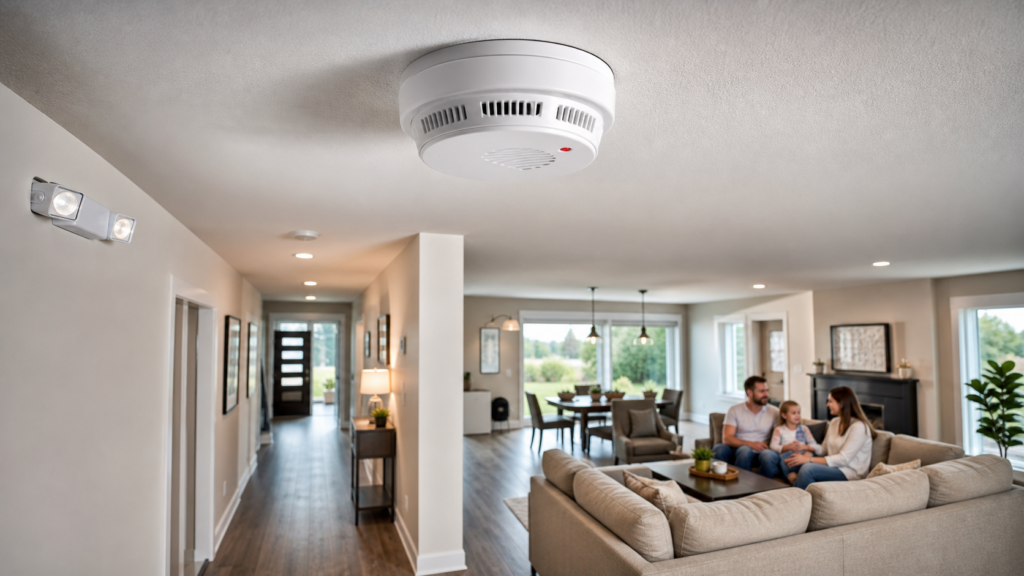
Fire safety is one of the most important parts of protecting homes, workplaces, and commercial buildings. A small fire can quickly become dangerous when people do not receive an early warning. A smoke detector provides an essential alert by identifying smoke particles in the air and activating an alarm before a fire situation becomes uncontrollable.
A reliable smoke detector can give occupants valuable time to react, evacuate safely, and contact emergency services. Smoke often spreads faster than flames, and early detection plays a major role in reducing risks associated with fire emergencies.
Modern smoke detection technology has improved significantly over the years. Today, smoke detectors are available with advanced sensors, improved accuracy, longer battery life, and smart features that help improve overall safety. Whether used in a home, office, warehouse, or commercial building, choosing the right detector and maintaining it properly is essential.
What Is a Smoke Detector?
A smoke detector is a safety device designed to sense smoke particles produced during combustion. When smoke enters the sensing chamber, the device activates an alarm to warn people about a possible fire.
Unlike traditional safety equipment that requires someone to notice flames or visible signs of fire, a smoke detector works automatically. It continuously monitors the surrounding air and provides an immediate warning when smoke reaches a certain level.
Smoke detectors are commonly used in:
- Residential homes
- Apartments
- Offices
- Schools
- Hotels
- Industrial buildings
- Commercial facilities
The main purpose of a smoke detector is early warning. It does not extinguish fires but helps people take action before the situation becomes more dangerous.
How Does a Smoke Detector Work?
Understanding how a smoke detector works helps explain why these devices are so important.
Inside a smoke detector, sensors monitor the air for smoke particles. When smoke enters the detection chamber, the sensor identifies changes and triggers an alarm.
There are two common detection technologies:
Photoelectric Smoke Detectors
Photoelectric smoke detectors use a light source and sensor inside the detection chamber. When smoke particles enter the chamber, they scatter light toward the sensor, causing the alarm to activate.
These detectors are often effective at identifying slow-burning fires that produce visible smoke before flames appear.
Common examples include:
- Smouldering furniture fires
- Electrical fires
- Fires involving fabrics or materials that burn slowly
Ionisation Smoke Detectors
Ionisation smoke detectors use a different sensing method involving electrically charged particles. They are designed to detect smaller smoke particles often associated with fast-flaming fires.
Each technology has different strengths. Many modern safety systems consider the type of environment and risk level before selecting the most suitable detector.
Why Is a Smoke Detector Important?
Installing a smoke detector is one of the simplest ways to improve fire safety.
Provides Early Warning
The biggest advantage of a smoke detector is early detection. A warning alarm can alert people while a fire is still developing.
This is especially important during:
- Night-time hours when people are sleeping
- Situations where occupants are in another room
- Buildings with multiple floors
Early warning allows more time to escape safely.
Protects Lives
Smoke inhalation is a major danger during fires. Smoke contains harmful gases and particles that can affect breathing, visibility, and decision-making.
A working smoke detector helps people recognise danger before smoke levels become severe.
Reduces Property Damage
Faster detection can help limit fire damage. When people receive an early warning, they can evacuate quickly and emergency responders can be contacted sooner.
Although a smoke detector cannot prevent every fire, it provides an important opportunity to reduce losses.
Provides Safety When You Are Away
Some fire risks happen when no one is actively watching. A smoke detector provides continuous monitoring, helping protect properties even when occupants are sleeping or away.
Different Types of Smoke Detectors
Choosing the correct smoke detector depends on the location, building type, and safety requirements.
Battery-Powered Smoke Detectors
Battery-powered models are popular for homes because they are simple to install and do not require complex wiring.
Advantages include:
- Easy installation
- Flexible placement
- Suitable for many residential applications
Regular battery checks are necessary to ensure reliable operation.
Hardwired Smoke Detectors
Hardwired smoke detectors connect directly to a building’s electrical system. Many models include battery backup protection during power failures.
They are commonly used in:
- Larger homes
- Commercial buildings
- New construction projects
Professional installation may be required depending on the system.
Smart Smoke Detectors
Smart smoke detectors can connect with mobile applications or home automation systems.
Features may include:
- Smartphone alerts
- Remote monitoring
- Battery notifications
- Integration with smart home systems
These features provide additional convenience and awareness.
Where Should You Install a Smoke Detector?
Correct placement is essential for effective smoke detection.
Smoke rises naturally, so detectors are usually installed on ceilings or high areas where smoke can reach them quickly.
Recommended locations often include:
- Bedrooms
- Hallways near sleeping areas
- Living areas
- Each level of a building
For larger properties, multiple interconnected detectors can provide wider coverage.
Areas Where Smoke Detectors Should Be Avoided
While placement is important, some locations may cause unnecessary alarms.
Avoid installing detectors directly near:
- Cooking appliances
- Bathrooms with heavy steam
- Air conditioning vents
- Areas with excessive dust
Steam, cooking particles, and dust may interfere with sensor performance.
Benefits of Installing a Smoke Detector
A smoke detector offers several practical benefits for both residential and commercial users.
Improved Fire Awareness
A detector creates an automatic warning system that works continuously.
Affordable Safety Solution
Compared with potential fire damage costs, smoke detectors are a simple and cost-effective safety investment.
Easy Maintenance
Most smoke detectors require basic maintenance, such as testing alarms, cleaning dust, and replacing batteries when needed.
Supports Emergency Planning
Smoke detectors work best when combined with a proper fire escape plan.
Families and employees should know:
- Emergency exits
- Meeting points
- Safe evacuation procedures
How to Maintain a Smoke Detector Properly
Regular maintenance ensures that your detector remains functional.
Test the Alarm Regularly
Use the test button to confirm that the alarm produces a clear sound.
Clean Dust and Debris
Dust can affect sensor performance. Cleaning the detector according to the manufacturer’s instructions helps maintain accuracy.
Replace Batteries When Required
A low battery often causes a warning chirp. Replace batteries promptly when needed.
Replace Old Units
Smoke detectors do not last forever. Many safety organisations recommend replacing older units according to manufacturer guidance, often around the ten-year mark.
Common Smoke Detector Mistakes
Many people install smoke detectors but fail to maintain them correctly.
Ignoring Warning Sounds
A repeated chirping sound usually indicates a problem such as a low battery.
Removing Batteries After False Alarms
Removing the battery disables protection. Instead, identify the cause of the false alarm and correct the issue.
Installing Too Few Detectors
One detector may not provide enough coverage for larger homes or buildings.
Forgetting Regular Testing
A detector that has not been tested may fail when it is needed most.
Choosing the Right Smoke Detector
Before purchasing a smoke detector, consider several factors.
Consider the Location
Different environments may require different detector types.
A home bedroom may need a different solution compared with a commercial warehouse.
Check Sensor Technology
Understand whether photoelectric, ionisation, or combined technology is suitable for your needs.
Look for Reliable Features
Useful features may include:
- Battery indicators
- Test buttons
- Alarm notifications
- Interconnection options
Follow Safety Requirements
Always choose products that meet relevant safety standards and installation guidelines.
Smoke Detector vs Heat Detector
Smoke detectors and heat detectors both support fire safety, but they work differently.
A smoke detector reacts to smoke particles, while a heat detector activates when temperatures reach a certain level.
Smoke detectors generally provide earlier warning because smoke often appears before significant heat buildup.
For many residential applications, smoke detection is considered an important first line of protection.
Importance of Regular Fire Safety Checks
A smoke detector should be part of a complete fire safety strategy.
Regular safety checks should include:
- Testing alarms
- Checking batteries
- Reviewing escape plans
- Inspecting electrical equipment
- Keeping exits clear
Fire safety works best when prevention, detection, and emergency preparation are combined.
Conclusion
A smoke detector is a simple but powerful safety device that helps protect people and property by providing early warning during fire emergencies. Choosing the right detector, installing it correctly, and performing regular maintenance can significantly improve fire preparedness.
Whether for a home, workplace, or commercial building, investing in reliable smoke detection technology is an important step toward creating a safer environment. A properly maintained detector provides confidence that you have an early warning system ready when it matters most.
FAQs
What is the main purpose of a smoke detector?
A smoke detector identifies smoke particles in the air and produces an alarm to warn people about a possible fire.
How often should a smoke detector be tested?
A smoke detector should be tested regularly according to manufacturer instructions. Many safety experts recommend monthly testing.
Where is the best place to install a smoke detector?
Smoke detectors are commonly installed on ceilings or high areas near bedrooms, hallways, and living spaces.
What type of smoke detector is best for homes?
The best smoke detector depends on the home environment. Photoelectric and combination detectors are commonly used options.
Why does my smoke detector keep beeping?
A smoke detector may beep because of a low battery, dust buildup, or a maintenance issue.
How long does a smoke detector last?
Many smoke detectors should be replaced after around ten years or according to manufacturer recommendations.
Can a smoke detector detect fire without visible flames?
Yes. A smoke detector can identify smoke particles before flames become visible, providing early warning.
Is a smoke detector necessary in every room?
Placement depends on building size and safety requirements, but detectors are commonly recommended near sleeping areas and on different levels of a property.