
For many homeowners, the garage is far more than a simple parking space for vehicles. It frequently functions as a workshop, home gym, storage hub,...
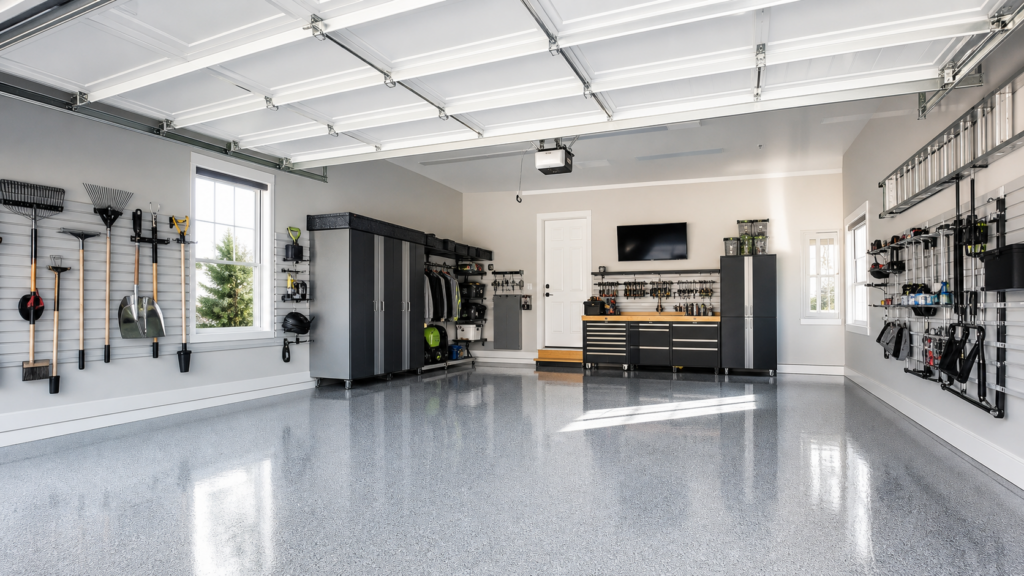
For many homeowners, the garage is far more than a simple parking space for vehicles. It frequently functions as a workshop, home gym, storage hub, or creative studio. Because it fulfills so many demanding roles, the garage experiences significant daily wear and tear. Unfortunately, because it is often treated as a secondary area, routine upkeep is easily overlooked until a major malfunction occurs. Practicing proactive garage maintenance preserves your property’s structural integrity, safeguards stored belongings, and prevents costly emergency repairs. Here is what every homeowner should know to keep their garage safe, functional, and efficient year-round.
1. Service and Safety-Test Your Garage Door
As the largest and heaviest moving object in your home, the garage door requires consistent attention. Inspect the mechanical components—including brackets, tracks, rollers, springs, and cables—for rust or visible wear every few months. Apply a high-quality silicone-based lubricant to moving parts to reduce friction and minimize mechanical strain.
Safety testing is equally crucial. Disconnect the opener to manually test the door’s balance; if it fails to remain in place halfway up, the springs may need professional adjustment. Additionally, test the auto-reverse mechanism by placing a solid object on the ground in the door’s path. If the door does not instantly reverse upon contact, contact a qualified technician immediately. Finally, inspect the rubber weather stripping along the bottom to keep out drafts, moisture, and pests.
2. Protect and Maintain the Concrete Floor
Garage floors endure heavy burdens from vehicle weight, chemical spills, and seasonal temperature shifts. Because concrete is naturally porous, unsealed surfaces easily absorb liquids like oil and gasoline, leading to permanent staining and structural degradation over time. Clean up fluid spills immediately using absorbent materials such as baking soda or cat litter, followed by a dedicated degreaser.
Regular sweeping removes abrasive grit that wears down surface sealers. Applying a protective seal or epoxy coating every few years creates a non-porous barrier against moisture, road salts, and chemical stains. If you notice minor hairline cracks, fill them promptly with epoxy patch compound before moisture penetrates and expands the damage. For uneven or sinking slabs, professional concrete lifting can re-level the floor and restore structural stability without requiring a complete slab replacement.
3. Manage Moisture, Insulation, and Ventilation
Garages are particularly susceptible to stagnant air and humidity buildup, creating an ideal environment for mold, mildew, wood rot, and metal corrosion. Maintaining adequate ventilation protects both the building structure and stored items like tools or seasonal gear.
Installing wall vents, exhaust fans, or operating a dehumidifier helps regulate moisture levels effectively. Inspect the insulation within garage walls and door panels to ensure ambient temperature control. Proper climate management keeps the space comfortable for DIY projects while drastically reducing energy transfer into adjoining living areas.
4. Inspect Electrical Systems and Safety Features
Powering shop tools, freezers, and bright overhead lighting places substantial demand on a garage’s electrical system. Regularly examine power outlets, light switches, and exposed wiring for flickering, scorch marks, or loose connections. Upgrade standard outlets near water sources or exterior walls to Ground Fault Circuit Interrupter (GFCI) outlets to prevent electrical shocks.
When extending wiring across open framing or walls to add new outlets or high-lumen LED lights, run the wires through a sturdy electrical conduit to shield them against mechanical damage, impact, and chewing rodents. Furthermore, because garages store flammable materials and vehicles, ensure working smoke detectors and carbon monoxide alarms are installed and tested monthly.
5. Declutter and Utilize Vertical Storage
Floor clutter creates severe tripping hazards and provides shelter for pests like insects and rodents. Schedule a seasonal session to sort through stored items, keeping pathways clear and organized.
Maximize square footage by shifting storage upward. Install heavy-duty wall-mounted shelving, pegboards for hand tools, and overhead ceiling racks. Shift loose items into sealed plastic bins rather than cardboard boxes, which pests can easily chew through. Always store hazardous chemicals—such as paint, fertilizer, and automotive fluids—in locked, well-ventilated cabinets out of reach of children and pets.
Conclusion
Garage maintenance does not need to be overwhelming. By establishing a simple, regular routine—servicing mechanical doors, protecting the concrete floor, managing climate control, inspecting electrical setups, and organizing storage—you protect a critical extension of your home. A small investment in seasonal upkeep saves significant time, money, and stress down the road while keeping your garage safe and functional for years to come.