
Modern hospitality margins leave zero room for guesswork when rising food invoices, unexpected overtime shifts, and unmonitored kitchen voids quietly erode cash before Friday payroll...
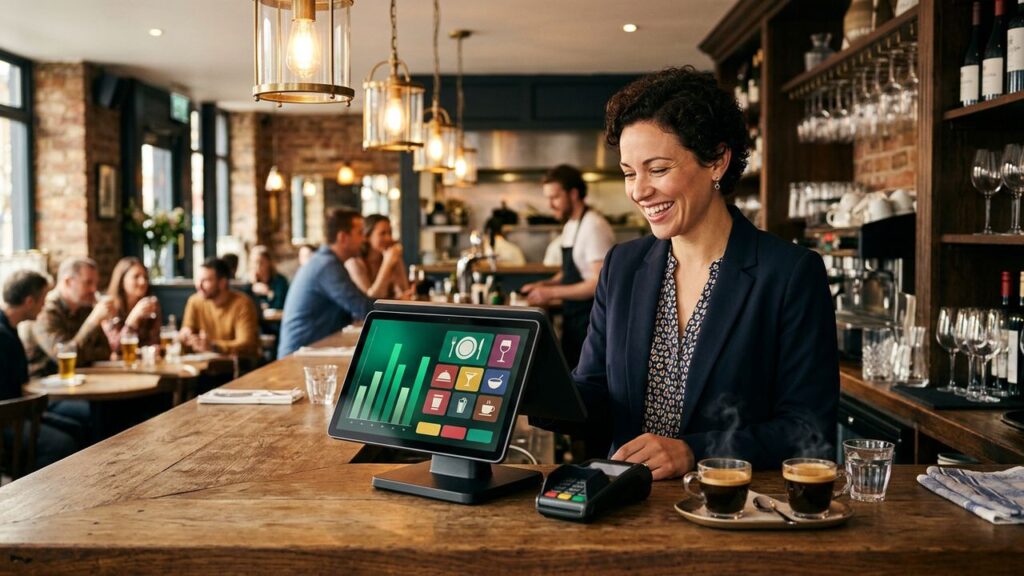
Modern hospitality margins leave zero room for guesswork when rising food invoices, unexpected overtime shifts, and unmonitored kitchen voids quietly erode cash before Friday payroll clears. Operators upgrading to a data-first Restaurant POS System like Lavu Financial OS turn raw register tickets into clear daily profit actions rather than static end-of-month spreadsheets. Instead of merely ringing orders and collecting card swipes, today’s unified hospitality stack connects ordering, payments, banking, marketing, and scheduling under one roof.
Powered by Marty AI, Lavu scans 50,000 overnight signals across point-of-sale logs, staff clock-ins, supplier invoices, and comped checks to hand owners a concise 5 AM to 6 AM Morning Deposit card. Every actionable alert points directly to recoverable cash hiding inside daily service. This guide breaks down how an intelligent Restaurant POS System protects food margins, eliminates hidden labor leaks, streamlines payroll, and unlocks eight measurable profit wins across independent cafes, bars, and multi-unit dining groups.
Why Legacy Cash Registers Leak Hidden Restaurant Margin
Traditional registers record what already happened yesterday, forcing general managers to reconcile fragmented reports across four disconnected logins every Monday morning. By the time a manager spots an overpriced produce delivery or an accidental double overtime shift, the profit loss is already permanent. A modern Restaurant POS System closes that time gap by flagging anomalies while staff can still correct pricing, prep yields, or Restaurant POS System schedules.
Independent operators typically operate on thin net margins between 3% and 9%, meaning even a 1.5% unmonitored leak across prime costs wipes out quarterly expansion capital. Disconnected terminals, third-party delivery tablets, separate Restaurant POS System statements, and manual tip spreadsheets multiply accounting errors. Consolidating those workflows inside one Restaurant POS System gives owners real-time visibility from the first morning espresso ticket through final bar close.
- Delayed invoice detection: Supplier price creeps on cheese, fryer oil, or proteins often run undetected for six weeks when accounting sits outside your Restaurant POS System.
- Unmonitored void spikes: Repeated late-night comps or open-food discounts erode bar revenue when register logs lack automated exception triggers.
- Slow-hour staffing drag: Fixed schedules keep extra line cooks clocked in during predictable Tuesday afternoon lulls without tying labor directly to live ticket velocity.
- Fragmented payment reconciliation: Separate credit card processors delay deposits and obscure effective processing rates behind tiered monthly statements.
How Lavu Financial OS and Marty AI Work Overnight
Lavu positions its Restaurant POS System as a complete Financial OS built specifically for operators who want automated profit recovery rather than complex software administration. Every night after Restaurant POS System batch settlement, Marty AI examines 50,000 operational signals across menu mix, server productivity, kitchen ticket times, void patterns, labor clock-ins, and uploaded vendor invoices. Before sunrise, the owner receives a single Morning Deposit card between 5 AM and 6 AM highlighting exact dollar opportunities waiting on the floor.
Instead of dumping thirty CSV tables into an inbox, Marty AI ranks recommendations by immediate cash impact. An alert might flag an entree whose cheese cost jumped 14% on yesterday’s supplier invoice, highlight two 86’d specials that cost $420 in missed dinner upsells, or surface a high-performing server whose dessert attachment rate doubles the floor average. Because the analytics live natively inside the Restaurant POS System, managers can approve menu adjustments or send slow-hour guest offers in seconds.
Unified Five-Pillar Hospitality Architecture
Rather than stitching together five SaaS subscriptions from competing vendors, Lavu unites Restaurant POS System ordering, guest marketing, integrated payment processing, Restaurant POS System payroll, and restaurant banking inside one synchronized ledger. Sales captured on dining room iPads flow directly into bank settlements, automated tip distribution, and payroll tax filings. That native integration removes duplicate data entry while accelerating cash availability for weekly inventory purchases.
Real-Time Supplier Invoice and Prime Cost Guardrails
Prime cost, combining total cost of goods sold and total loaded labor, remains the single most decisive health metric in hospitality. When a Restaurant POS System tracks recipe-level ingredient costs alongside hourly labor percentages, operators immediately see which popular dishes actually generate contribution margin versus which high-volume items quietly lose money during peak dinner rushes.
Comparing Legacy Terminals Against an AI Financial OS
Evaluating hardware upgrades solely on upfront tablet sticker price often traps operators inside expensive long-term payment processing spreads and third-party add-on fees. Comparing operational capabilities side by side reveals how an AI-powered Restaurant POS System recovers far more monthly cash than basic cloud registers. Use the matrix below when auditing vendor proposals for single-store or multi-unit rollouts.
| Operational Capability | Legacy Terminal Setup | Basic Cloud Register | AI Financial OS (Lavu + Marty AI) |
|---|---|---|---|
| Overnight Profit Audits | Manual weekly spreadsheets | Static sales dashboards | 50,000 signals scanned for 5 AM Morning Deposit |
| Supplier Price Variance Alerts | Spotted weeks later by CPA | Requires paid third-party app | Native invoice variance and menu margin flags |
| Labor and Payroll Sync | Manual CSV export to payroll | Third-party connector fees | Unified POS, scheduling, tips, and native payroll |
| Slow-Hour Revenue Recovery | No built-in campaign engine | Basic email blast add-on | Automated slow-hour guest marketing triggers |
| Payment and Banking Speed | 2 to 4 day batch settlement | Standard merchant deposits | Integrated processing and unified Restaurant POS System banking |
Eight Proven Profit Wins From a Modern Restaurant POS System
Upgrading your Restaurant POS System technology should generate measurable margin expansion within the first ninety days rather than creating months of retraining headaches. Operators who deploy an intelligent Restaurant POS System systematically focus on eight repeatable cash-recovery levers. Pairing each operational lever with clear manager accountability converts everyday dining traffic into reliable free cash flow.
1. Dynamic Menu Pricing Guided by Contribution Margin
Most menus rely on outdated cost estimates written twelve months ago while wholesale meat, dairy, and packaging invoices climbed steadily every quarter. An AI-assisted Restaurant POS System flags individual dishes whose food cost drifted past your target threshold, allowing tiny $0.75 or $1.50 price adjustments on inelastic favorites without alienating regular guests. Even modest targeted repricing frequently adds 2% to 4% straight to bottom-line operating income.
2. Proactive Labor Recovery Across Shoulder Shifts
Overstaffing by just two hourly employees during three slow weekday afternoons quietly drains over $1,400 per month per location. By mapping 15-minute sales volume curves directly against active clock-ins inside your Restaurant POS System, shift leads stagger prep arrivals and cut closing overlap cleanly. Managers protect Restaurant POS System hospitality during Friday surges while trimming unscheduled early clock-ins and accidental overtime triggers.
3. Eliminating Costly 86’d High-Margin Specials
Running out of a signature appetizer or house cocktail at 7:30 PM on Saturday forces guests to settle for lower-margin substitutes and slows Restaurant POS System table turns while servers apologize. Modern inventory countdowns built into a Restaurant POS System notify prep cooks when par levels dip below safe thresholds, preserving high-margin upsells throughout prime weekend service.
4. Catching Vendor Invoice Price Creeps Immediately
Foodservice distributors adjust catalog prices weekly across dozens of SKU lines, and busy chefs rarely check every line item on wet paper delivery slips at the back dock. Automated invoice monitoring inside a Restaurant POS System flags unexpected unit-cost spikes the morning after delivery, equipping owners to negotiate vendor credits or substitute equivalent ingredients before food costs spiral.
5. Triggering Automated Slow-Hour Marketing Offers
Empty booths between 2 PM and 5 PM represent perishable inventory that vanishes forever once the clock passes dinner service. When your marketing suite shares live customer visit history with your Restaurant POS System, operators can dispatch targeted SMS or loyalty perks exclusively during historically quiet windows. Filling eight extra two-top tables on Tuesday afternoons leverages fixed rent and existing shift labor at remarkably high incremental profit.
6. Data-Driven Server Coaching and Check-Average Lifts
Floor teams rarely realize how dramatically simple verbal cues affect nightly check size and tip pools. Item-level attachment tracking inside a Restaurant POS System highlights which servers consistently pair starters, craft beverages, and desserts with entrees. Sharing transparent leaderboards turns daily Restaurant POS System pre-shift lineups into practical peer coaching sessions that lift both restaurant revenue and staff take-home pay.
7. Tightening Void, Comp, and Discount Governance
Unreviewed comps and open-dollar discounts account for substantial silent shrinkage across busy bar programs and late-night concepts. Configuring manager PIN thresholds and automated exception alerts inside your Restaurant POS System ensures legitimate guest recoveries stay effortless while unusual void clusters surface immediately on the morning summary card.
8. Modeling True Net Margin Before Menu Launches
Launching seasonal specials or happy-hour bundles without verifying net contribution after merchant fees, labor load, and waste often increases kitchen stress without lifting bank balances. Before finalizing quarterly menu changes, run your ingredient costs, menu prices, and processing fees through a reliable profit margin calculator alongside live sales mix reports from your Restaurant POS System to guarantee every featured item strengthens cash flow.
Evaluating Restaurant POS System Costs and True ROI
Smart hospitality buyers look past promotional monthly software quotes and evaluate total annual cost of ownership across hardware, payment processing rates, payroll modules, loyalty tools, and support uptime. A bargain terminal paired with opaque credit card markups easily costs $6,000 more per year than a unified Restaurant POS System offering transparent financial processing. Mapping expected monthly savings against total platform fees makes boardroom and partner approvals straightforward.
| Profit Recovery Lever | Typical Monthly Leak ($80k Sales Store) | Realistic 90-Day Recovery Target | Primary POS Feature Driver |
|---|---|---|---|
| Supplier Invoice Variance | $900 to $1,600 | $600 to $1,100 | Automated invoice price alerts |
| Unplanned Overtime & Early Clock-Ins | $1,100 to $2,200 | $750 to $1,500 | POS-enforced schedule clock locks |
| Unchecked Voids & Bar Shrinkage | $500 to $1,200 | $350 to $850 | Overnight Marty AI exception flags |
| Missed Upsells & 86’d Signature Items | $800 to $1,800 | $500 to $1,200 | Server coaching metrics and par alerts |
| Slow-Hour Empty Seating | $1,200 to $2,500 | $700 to $1,600 | Targeted POS guest marketing campaigns |
Step-by-Step Implementation Playbook Without Service Disruption
Switching a live Restaurant POS System intimidates many owners who fear kitchen printer jams during Friday dinner rush. Following a disciplined four-week migration timeline keeps staff confident and prevents missed orders during launch weekend. Every successful cutover prioritizes menu hygiene, offline network resilience, and role-specific staff rehearsal.
Week One: Menu Engineering and Modifier Cleanup
Never migrate years of cluttered legacy buttons, discontinued seasonal drinks, or duplicate modifiers into a clean Restaurant POS System. Audit every active menu category, standardize kitchen printer routing by station, and attach clean modifier prompts that encourage natural upsells like premium spirits or protein add-ons. Cleaner screens cut average server ring-in time by several seconds per table.
Week Two: Hardware Placement, Network Redundancy, and Banking
Position handheld tablets, fixed bar terminals, Restaurant POS System display screens, and Restaurant POS System thermal printers to eliminate server bottlenecks around pass windows. Configure a dedicated commercial router with cellular failover so your Restaurant POS System keeps processing orders seamlessly if local fiber service flickers during a storm. Simultaneously complete merchant underwriting, bank account linking, and payroll tax onboarding to avoid settlement delays on launch day.
Week Three: Hands-On Role Training and Sandbox Rehearsal
Run dedicated 45-minute training blocks tailored separately for bartenders, dining servers, hosts, kitchen expediting staff, and shift managers. Practice high-pressure edge cases such as Restaurant POS System split checks across six seats, transferring Restaurant POS System bar tabs to dining tables, applying partial comps, and handling allergy modifiers. Staff who practice complex edge cases inside a live sandbox feel calm when real guests sit down.
Week Four: Soft Launch, Morning Deposit Reviews, and Calibration
Schedule your live cutover on a predictable Monday or Tuesday morning rather than a holiday Friday evening. Keep an onboarding specialist available during the first two dinner services to verify ticket routing and drawer balancing. Starting on morning two, build a strict 10-minute daily ritual reviewing your Restaurant POS System Morning Deposit card with kitchen and floor leads so insights turn immediately into operational habits.
Morning Deposit Action Protocol for Shift Managers
General managers using a Restaurant POS System should review the 5 AM Marty AI Morning Deposit card before opening prep begins. Assigning one concrete food-cost or labor action per shift keeps every Restaurant POS System insight tied directly to cash recovery.
Weekly Vendor Variance Review Inside Your Restaurant POS System
Pair automated supplier price alerts inside your Restaurant POS System with brief Tuesday distributor check-ins. When kitchen leads dispute invoice hikes promptly through the Restaurant POS System ledger, prime cost stays predictable across volatile seasonal food markets.
Key Selection Checklist for Multi-Concept and Independent Operators
Every hospitality concept carries unique service rhythms, from rapid counter-service coffee queues to multi-course fine dining and high-volume neighborhood sports bars. Before signing any contract, verify how cleanly a prospective Restaurant POS System handles your specific bottlenecks during peak volume hours. Asking pointed operational questions during live software demos prevents expensive post-launch surprises.
- Offline ordering resilience: Confirm whether handhelds and stationary terminals queue orders locally and sync automatically without dropping kitchen tickets during brief internet outages.
- Unified financial visibility: Verify that card processing, banking settlements, tip payouts, and payroll taxes reconcile inside one Restaurant POS System dashboard rather than requiring nightly spreadsheets.
- Transparent processing terms: Demand written effective rate schedules covering card-present, online ordering, and keyed transactions with zero hidden PCI or statement junk fees.
- Multi-location governance: Growing groups should confirm centralized menu push controls, store-to-store prime cost benchmarks, and consolidated multi-unit financial reporting.
- Responsive hospitality support: Confirm 24/7 live technical support staffed by specialists who understand kitchen printers, bar tab pre-authorizations, and weekend dining emergencies.
How Financial OS Adoption Future-Proofs Hospitality Growth
Labor volatility, fluctuating wholesale commodity markets, and rising guest expectations for seamless mobile ordering are permanent realities across modern hospitality. Operators who rely on disconnected cash registers spend evenings reacting to problems that happened last week. By adopting an AI-driven Restaurant POS System that continuously monitors prime costs, staff performance, and guest behavior, independent owners gain enterprise-grade financial intelligence without hiring an internal analytics department.
When daily Morning Deposit cards reveal recoverable cash every morning at 5 AM, managers shift from firefighting register glitches to elevating hospitality, retaining top team members, and funding second-location buildouts out of organic operating profit. Treating your Restaurant POS System as the central financial brain of the business transforms chaotic daily service into a repeatable, scalable profit engine.
FAQ’s
What makes a Restaurant POS System different from a standard retail register?
A dedicated Restaurant POS System handles complex hospitality workflows that retail registers cannot support, including course firing, modifier prompts, kitchen display routing, bar tab pre-authorizations, split checks by seat, tip pooling, and recipe-level food cost tracking. Unified platforms like Lavu’s Restaurant POS System also connect sales directly to payroll, banking, and AI profit alerts.
How does Marty AI inside Lavu help recover lost restaurant cash?
Marty AI analyzes 50,000 overnight signals across sales logs, labor clock-ins, supplier invoices, and voids to deliver a concise 5 AM to 6 AM Morning Deposit card. Owners immediately see recoverable cash opportunities such as vendor price increases, labor overstaffing, 86’d high-margin items, slow-hour promo triggers, and targeted server coaching wins.
How long does it take to switch to a new Restaurant POS System?
Most single-location restaurants complete menu engineering, hardware setup, merchant boarding, and staff rehearsal in two to four weeks. Launching on a slower weekday morning after running live sandbox simulations lets teams switch smoothly without interrupting weekend dining service or losing historical sales continuity.
Can a Restaurant POS System integrate payroll, payments, and banking together?
Yes, modern hospitality Financial OS platforms unify point-of-sale checkout, payment processing, employee scheduling, automated tip distribution, payroll tax compliance, and business banking inside one connected workspace. Eliminating fragmented vendors speeds up cash deposits and removes hours of weekly manual accounting reconciliation.
What prime cost benchmark should operators monitor inside their POS reports?
Most profitable full-service and fast-casual concepts target total prime cost, combining food and beverage cost of goods sold plus fully loaded labor, at or below 55% to 60% of gross sales. Reviewing prime cost daily inside your Restaurant POS System catches margin drift weeks before monthly profit-and-loss statements arrive.
Does an AI-enabled Restaurant POS System work for small cafes as well as multi-unit groups?
Yes, small independent cafes benefit immediately from automated invoice monitoring, fast counter checkout, and built-in slow-hour marketing, while multi-unit restaurant groups gain centralized menu management and cross-store margin benchmarking. Modular hardware lets operators scale smoothly from one countertop iPad to dozens of dining rooms.
Conclusion
Protecting hospitality profit in 2026 requires far more than tapping credit cards and printing paper kitchen chits. Choosing an intelligent Restaurant POS System such as Lavu Financial OS pairs rock-solid floor execution with Marty AI’s overnight signal analysis, unifying Restaurant POS System ordering, payment processing, payroll, marketing, and banking into one clear daily profit cockpit.
Audit your current prime cost leaks, compare total processing and software expenses transparently, and build a crisp morning review habit around live margin alerts. When every shift runs on real-time financial intelligence, your Restaurant POS System pays for itself rapidly while giving your team more time to deliver unforgettable guest hospitality.