
Finding premier Katmai National Park accommodation is less about picking the “nicest room” and more about choosing the right base for Katmai’s realities: limited access,...
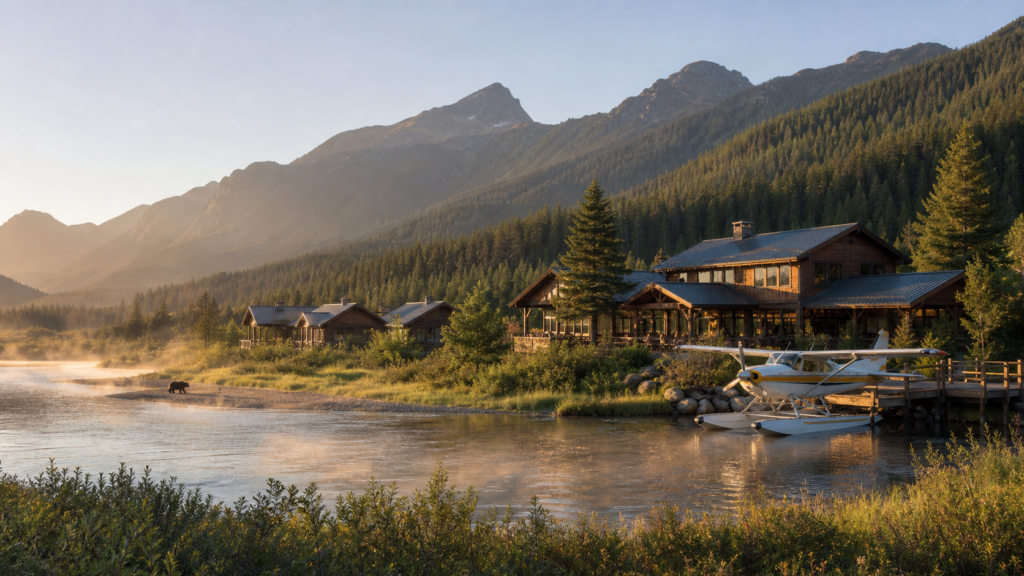
Finding premier Katmai National Park accommodation is less about picking the “nicest room” and more about choosing the right base for Katmai’s realities: limited access, short season, remote logistics, and an experience that often centers on bears, rivers, weather, and floatplanes.
Katmai National Park and Preserve in Alaska is famous for brown bears and salmon runs, especially around the Brooks River area. But the park is remote. You typically reach key visitor areas by air, and lodging options are limited. That’s why planning matters more here than in most national parks.
This guide explains where to stay, what “premier” should mean in Katmai, how to compare lodging types, what it costs, and how to book without surprises.
What “Premier” Should Mean in Katmai
In many destinations, “premier” means spa features and luxury interiors. In Katmai, premier usually means something more practical:
- Reliable access to bear viewing areas (or efficient day-trip logistics)
- Comfort in a remote setting (warm, dry, clean, and well-organized)
- Experienced staff and strong safety culture (especially around wildlife)
- Good meals and clear scheduling (because you can’t easily “run to town”)
- Smart logistics support (floatplane timing, weather flexibility, gear guidance)
- Clear communication about what’s included and what isn’t
If an accommodation looks upscale but cannot help you manage remote travel realities, it may not feel “premier” once you arrive.
Where People Stay When Visiting Katmai National Park
Katmai is large, and “Katmai lodging” can mean very different locations. Most travelers choose one of these bases:
1) Near Brooks Camp (closest to classic bear viewing)
Brooks Camp is one of the best-known areas for bear viewing. Staying close can maximize your time on the ground and reduce dependence on perfect weather for same-day flights.
What it’s best for:
- Early and late viewing windows
- More flexible time on platforms and trails (within rules)
- Less pressure to “get it all done” in a single day
What to expect:
- Remote conditions
- Simple but functional lodging style
- Strict food and safety practices
2) King Salmon / Naknek area (common staging point)
Many trips route through King Salmon. Some visitors stay there and take day trips by plane to Katmai areas.
What it’s best for:
- Easier logistics if you can’t get in-park lodging
- A “buffer” night for weather delays
- Travelers who want day-trip bear viewing rather than a multi-night wilderness stay
What to expect:
- Small-town Alaska services (limited but helpful)
- Planning needed for flight timing and weather
3) Remote wilderness lodges within the broader Katmai region
Some lodges operate in remote areas and build packages around guided wildlife viewing, fishing, and backcountry experiences. These can feel “premier” if you want an all-in, guided wilderness itinerary.
What it’s best for:
- A more curated experience
- Guided days that don’t rely on you planning every step
- Travelers who want more than Brooks Falls only
What to expect:
- Package-style pricing
- Limited season and availability
- Weather-driven schedules
Types of Katmai Accommodation (Pros, Cons, and Who They Fit)
To choose well, match lodging type to your travel style.
In-park lodge-style stays (near key visitor areas)
These are often the most sought-after because they put you close to the action.
Pros:
- Maximum time in the park
- Less dependence on same-day round trips
- Easier to catch peak wildlife activity hours
Cons:
- Limited rooms and fast sell-outs
- Remote conditions and simpler amenities
- Weather can still affect travel in/out
Best for:
- Photographers
- Wildlife-first travelers
- Anyone who wants the park experience to be the whole trip
Wilderness lodge packages (guided and full-service)
Many “premier” experiences are package-based: lodging + meals + guided days.
Pros:
- Strong planning support
- Predictable daily structure
- Staff often specialize in local conditions and safety
Cons:
- Higher total cost
- Less flexibility to “do your own thing”
- You must align with lodge schedules and rules
Best for:
- First-time Alaska travelers who want support
- Travelers who value guided interpretation and safety structure
- Groups and families who want a managed experience
Campground-style options (more basic, more independent)
Some travelers prefer a simpler, more budget-friendly base, accepting that comfort is limited.
Pros:
- Lower cost than many lodge options
- Strong sense of being “in it” (true wilderness feel)
Cons:
- Requires more gear and preparedness
- Weather exposure and limited comfort
- You still must follow strict food storage and safety rules
Best for:
- Experienced campers
- Budget-minded travelers with Alaska-ready gear
- People comfortable with simple conditions
Staying outside the park and doing day trips
If you can’t get in-park accommodations, day trips can still work well.
Pros:
- More lodging choices and easier access to supplies
- A backup plan if weather changes
- Good for travelers with tighter budgets or schedules
Cons:
- You can lose time to flights and briefings
- Weather can cancel flights, which may cancel the whole day
- Less time at peak viewing hours
Best for:
- Short trips
- People who want a single bear-viewing day
- Travelers who want to combine Katmai with other Alaska locations
How to Choose Premier Katmai National Park Accommodation (A Decision Checklist)
Use these criteria to compare options quickly.
1) Location vs your main goal
Ask yourself:
- Is my #1 goal Brooks River bear viewing?
- Do I want multiple sessions over multiple days?
- Do I also want fishing, hiking, or a broader wilderness experience?
If Brooks bear viewing is the main goal, prioritize proximity or a plan that protects your viewing time.
2) Weather resilience (the hidden “amenity”)
In Katmai, weather flexibility is part of comfort.
Check:
- Does the accommodation help you handle weather delays?
- Is there a buffer-night recommendation?
- Are there alternative activities if flights are delayed?
A premier experience reduces stress when weather changes.
3) What’s included in the price
Two stays can look similar until you compare inclusions.
Clarify:
- Meals (all meals vs breakfast only)
- Guided activities (included or extra)
- Local transfers and baggage handling
- Park access support and briefings
- Gear support (waders, rain gear, boots—if offered)
4) Room setup and comfort basics
In remote Alaska, comfort basics matter more than luxury finishes.
Confirm:
- Heat and ventilation
- Bedding quality and room warmth at night
- Bathroom setup (private vs shared)
- Quiet hours and generator schedules (if applicable)
5) Safety culture and guest rules
Katmai is bear country. A premier property should have clear, consistent practices.
Look for:
- Mandatory safety briefings
- Clear food policies
- Staff who enforce rules calmly and consistently
- Clear guidance on photography distance and group movement
If a provider downplays safety, consider it a red flag.
Best Time to Book and Best Time to Go
Katmai is seasonal, and demand concentrates into a short window.
Typical visiting season
Most travelers plan for summer into early fall. Exact “best” timing depends on what you want to see and how you want to travel.
Booking timeline (plan earlier than you think)
For truly premier Katmai National Park accommodation, assume:
- Limited inventory
- High seasonal demand
- Complex logistics that reward early planning
If you’re aiming for peak season dates, start planning far ahead. If you’re flexible on dates, you may find more options, but availability can still be tight.
What It Costs (And Why Katmai Can Be Expensive)
Prices vary widely, but costs tend to be higher than many travelers expect.
Main cost drivers include:
- Remote supply chain (food, fuel, staffing)
- Air transport and weather contingency
- Limited lodging inventory
- Package services (meals, guides, coordination)
- Short season and high demand
Budget planning tip
Instead of focusing on nightly rate alone, estimate total trip cost:
- Lodging + meals
- Air transfers/day flights
- Park-related fees where applicable
- Gear purchases (rain gear, waders, quality boots)
- Extra nights for weather buffers
Premier experiences often cost more, but they can also reduce risk of losing your trip to logistics surprises.
Getting There: Logistics That Affect Where You Should Stay
Your accommodation decision should match your travel route.
Common realities:
- Many itineraries involve flights to a regional hub and then smaller aircraft to lodge areas.
- Weather can delay small aircraft operations.
- Weight limits for luggage may apply on smaller planes.
Practical planning steps
- Build at least one buffer day if your schedule is tight.
- Pack light and pack smart (layers, waterproofing, essentials).
- Keep critical items in your carry-on (medications, camera gear basics, warm layer).
If you plan a same-day in-and-out bear trip, understand that weather can cancel flights and you may need a backup day.
What to Pack for a Premier Stay (Even If the Lodge Feels “Upscale”)
“Premier” does not mean you can ignore Alaska conditions.
Pack for:
- Wet weather and wind
- Muddy trails and uneven ground
- Cool mornings and evenings
- Long hours outdoors
Essentials that matter in Katmai
- Waterproof jacket and waterproof pants
- Warm mid-layer (fleece or insulated jacket)
- Quick-dry base layers
- Waterproof boots with good traction
- Wool or synthetic socks (extra pairs)
- Thin gloves and warm hat
- Dry bags for electronics
- Binoculars (useful even if you have a camera)
- Insect protection in summer (varies by conditions)
If photography is a major goal:
- Rain cover for camera
- Lens cloths and a small towel
- Spare batteries (cold can reduce battery life)
- A comfortable carry system
What Your Stay Will Feel Like Day to Day
A premier Katmai stay often feels structured in a good way because structure keeps people safe and on time.
Typical rhythm (varies by location)
- Early start for the best wildlife windows
- Safety briefing reminders
- Outdoor viewing sessions with rules
- Warm meals and downtime in between
- Evening viewing or scenic time (weather permitting)
Even in higher-end lodges, you should expect:
- A wilderness-first schedule
- Weather-driven changes
- A focus on safety and group movement
Bear Viewing Expectations (So Your Accommodation Choice Supports Reality)
Katmai bear viewing is incredible, but expectations matter.
What you can control
- Staying multiple days to increase your chances across changing conditions
- Choosing accommodation that reduces commute time
- Packing correct gear so you can stay outside longer comfortably
What you cannot control
- Exactly where bears will be at a specific hour
- Weather and visibility
- Flight timing (when travel depends on small aircraft)
A premier accommodation choice often means you’ve built in time and flexibility, not that the wildlife becomes “guaranteed.”
Questions to Ask Before You Book
Use these questions to compare options quickly:
- What is included in the nightly rate (meals, transfers, guided time)?
- What is the recommended minimum stay for best bear viewing?
- What happens if weather delays travel in or out?
- What are luggage weight limits?
- What is the bathroom setup (private or shared)?
- Is there reliable heat at night?
- How do you handle dietary needs?
- What safety briefings are required for guests?
- What is the cancellation and rescheduling policy?
Clear answers are a sign of a well-run operation.
Common Mistakes to Avoid
- Booking the shortest possible trip with no weather buffer
- Choosing a “nice” stay far away from your main viewing goal
- Underpacking rain gear because the lodge seems comfortable
- Not understanding luggage limits for small planes
- Assuming you can “figure it out” on arrival in a remote area
- Treating bear safety rules as optional
The best Katmai trips feel calm because the planning is solid.
How to Build a Simple, Reliable Itinerary Around Your Accommodation
If you want a smoother experience, structure your trip like this:
Option A: Day trip style
- Night 1 near the regional staging area
- Day 2 bear viewing day trip
- Day 3 buffer day (or depart if everything went perfectly)
Option B: In-park multi-night style
- Travel day + settle in
- 2–3 full days for viewing and flexibility
- Departure day with buffer planning
More days usually means less pressure and better chances across weather and wildlife variability.
Conclusion
Premier Katmai National Park accommodation is the option that gives you the most time where you want to be, with the least stress when weather and logistics change. Prioritize proximity to your main goal (often bear viewing), clear inclusions, strong safety culture, and comfort basics that matter in remote Alaska—warmth, dryness, good meals, and reliable coordination. When you plan early, pack for real conditions, and build a buffer into your itinerary, Katmai becomes the kind of wilderness trip you remember for the right reasons.
6. FAQs
What is premier Katmai National Park accommodation best for?
Premier Katmai National Park accommodation is best for travelers who want efficient access to wildlife viewing, strong logistics support, comfort in remote conditions, and clear safety practices.
Should I stay near Brooks Camp or outside the park?
If Brooks-area bear viewing is your main goal, staying close can maximize viewing time. Staying outside the park can work well for day trips, but it depends more on flight timing and weather.
How far in advance should I book Katmai lodging?
Because inventory is limited and the season is short, booking early improves your chances of securing premier Katmai National Park accommodation, especially during peak travel months.
Do premier accommodations in Katmai include meals?
Many remote lodge-style stays include meals, but inclusions vary. Always confirm whether meals, transfers, and guided activities are included before you book.
What should I pack even if I’m staying in a high-end lodge?
Bring waterproof rain gear, warm layers, sturdy boots, and protection for electronics. Katmai conditions can be wet and cool, and you’ll likely spend long hours outdoors.
Can weather cancel my plans even if I book the best accommodation?
Yes. Weather can delay flights and reduce visibility. Premier stays usually help by building flexibility into schedules and improving your ability to adapt.
Is Katmai suitable for families or older travelers?
It can be, depending on mobility, comfort with remote travel, and ability to follow safety rules. Choosing the right accommodation and itinerary pace makes a big difference.