
The Swedish Cold is not one uniform weather condition but a broad range of winter climates extending from comparatively moderate southern and coastal areas to much colder...
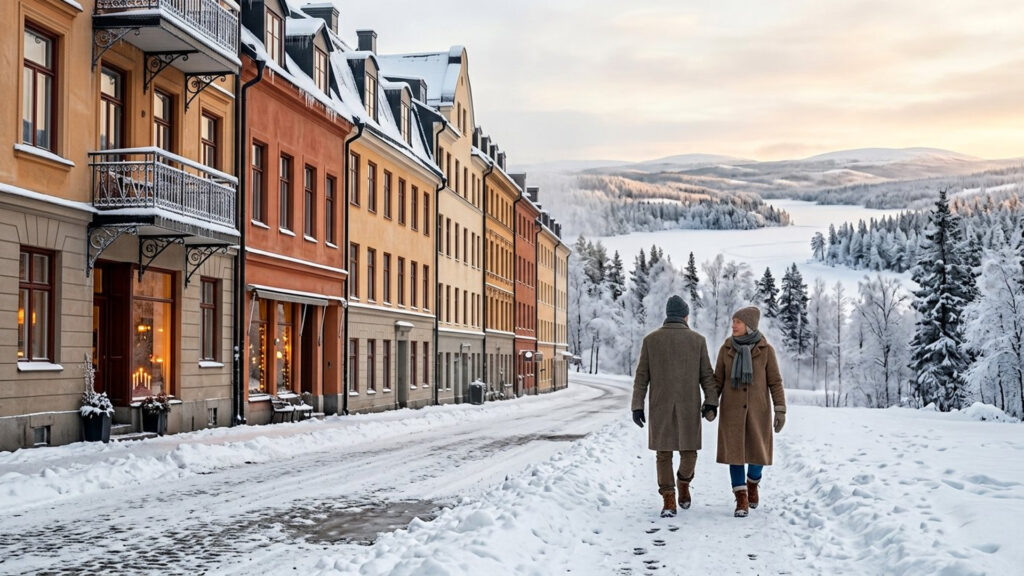
The Swedish Cold is not one uniform weather condition but a broad range of winter climates extending from comparatively moderate southern and coastal areas to much colder conditions in northern Sweden. Stockholm, Gothenburg, Malmö, Kiruna, and mountain areas can experience significantly different temperatures, snow cover, wind, and daylight during the same season. For travelers and new residents, preparing for Swedish winter therefore requires understanding the destination rather than relying on stereotypes about Scandinavian cold. Appropriate clothing, footwear, weather forecasts, daylight planning, and awareness of ice can make cold season travel considerably more manageable.
What Does Swedish Cold Actually Mean?
Sweden extends a long distance from north to south, giving the country substantial regional climatic variation.
Southern Sweden is influenced by its maritime surroundings and generally experiences milder winters than far northern areas. Central regions experience colder conditions, while northern inland and mountainous areas can experience prolonged snow cover and much lower temperatures.
Consequently, asking how cold Sweden is without specifying a city and month has no single accurate answer.
Conditions can also vary sharply from one winter to another.
Weather systems can produce freezing periods, snowfall, rain, thawing, and subsequent refreezing even within a relatively short period.
How Cold Does Sweden Get?
Swedish winter temperatures depend primarily on location, elevation, season, and prevailing weather.
Malmö in southern Sweden generally has a much milder winter climate than Kiruna in the far north.
Stockholm falls between those extremes.
Northern inland areas can experience temperatures well below freezing during cold spells, and extreme temperatures below minus 30 degrees Celsius are possible in parts of northern Sweden.
Those extremes should not be presented as the everyday winter temperature for the entire country.
For travel planning, current forecasts from the Swedish Meteorological and Hydrological Institute, known as SMHI, provide more useful information than generalized temperature claims.
7 Powerful Facts About Swedish Cold
Understanding a few basic facts makes winter preparation easier and helps visitors avoid both underestimating and exaggerating conditions.
1. Swedish Cold Varies Dramatically by Region
Sweden’s geography matters enormously.
The distance between the southern tip of the country and far northern Lapland exceeds 1,500 kilometres.
This means visitors can encounter relatively wet, near freezing conditions in the south while northern communities experience deep snow and substantially colder temperatures.
A packing list for Malmö is therefore not automatically suitable for Kiruna.
2. Wind Can Make Cold Conditions Feel More Severe
Air temperature is only one factor influencing perceived cold.
Wind increases heat loss from exposed skin and can make outdoor conditions feel considerably harsher.
Swedish Cold and Wind Chill
Meteorological services may provide wind chill or equivalent temperature information under appropriate conditions.
Protect Exposed Skin in Severe Conditions
During very cold and windy weather, gloves, insulated clothing, head protection, and face coverage can become particularly important, especially during extended outdoor activity.
3. Daylight Changes Significantly Across Sweden
Winter in Sweden is notable not only for temperature but also for limited daylight.
Southern and central cities still receive daylight during winter, although days are short.
Farther north, seasonal differences become more dramatic.
Swedish Cold in Northern Lapland
Above the Arctic Circle, the sun can remain below the horizon for a period around midwinter.
Polar Night Does Not Mean Complete Darkness All Day
Even when the sun does not rise above the horizon, twilight can provide some natural light depending on location, weather, and date.
4. Ice Can Be More Important Than Snow
Visitors often prepare for snow but underestimate icy walking surfaces.
Temperature fluctuations around freezing can cause snow and water to melt and refreeze.
Footpaths may become slippery.
Shoes with good winter traction are therefore often more useful than fashionable footwear with smooth soles.
5. Indoor Spaces Are Generally Designed for Winter
Swedish homes, hotels, offices, shops, and public buildings are generally designed with the climate in mind.
This means travelers spend much of their time moving between heated indoor spaces and cold outdoor environments.
Layered clothing is particularly practical because heavy insulation can become uncomfortable indoors.
6. Snow Conditions Are Not Consistent Everywhere
Snow is common during Swedish winters, particularly farther north, but continuous snow cover cannot be assumed in every southern city throughout the season.
Southern regions can experience rain, sleet, wet snow, and repeated freeze and thaw cycles.
Snow and Swedish Cold
Northern Sweden generally offers more reliable winter snow conditions.
Check Current Conditions Before Activities
Skiing, snowmobiling, dog sledding, and other winter activities depend on local conditions and operator decisions. Historical snow patterns cannot guarantee conditions for a specific trip.
7. Preparation Matters More Than Fear of the Temperature
Swedish winter is manageable for millions of residents who adapt clothing, transportation, routines, and buildings to the climate.
Visitors can do the same.
The objective is not to purchase the heaviest possible coat but to choose clothing and plans appropriate to the actual weather and intended activity.
Swedish Cold in Stockholm
Stockholm has cold winters but does not normally experience the same persistent extreme cold associated with Sweden’s far north.
December, January, and February can bring temperatures around freezing as well as colder periods.
Snowfall occurs, although conditions can alternate among snow, ice, rain, and thaw.
Stockholm Winter Weather
The city’s coastal setting influences its climate.
Visitors should expect short winter days and variable surfaces.
Walking Around Stockholm in Winter
Central streets are maintained, but slippery conditions can still develop.
Choose Practical Footwear
Water resistant winter footwear with useful traction can be more valuable than extreme expedition boots for an ordinary city visit.
Swedish Cold in Gothenburg
Gothenburg’s west coast location produces a maritime winter climate.
Temperatures are generally less severe than those in northern Sweden, but wind and wet weather can make the cold feel uncomfortable.
Wet Winter Conditions
Rain, sleet, and damp air can occur alongside snow.
Water resistant outerwear becomes useful.
Coastal Wind
Wind can increase heat loss.
Layering Works Well
A wind resistant outer shell combined with appropriate insulating layers provides flexibility as weather changes.
Swedish Cold in Malmö
Malmö is located in Sweden’s far south and generally experiences comparatively mild winters by Swedish standards.
Freezing conditions and snow can still occur.
However, visitors should not expect a reliably snow covered winter landscape throughout the season.
Southern Sweden Winter
Conditions frequently fluctuate around freezing.
Ice After Thawing
Water can refreeze overnight.
Check Morning Conditions
A seemingly clear pavement can remain slippery, particularly during rapid temperature changes.
Swedish Cold in Kiruna
Kiruna provides a very different winter experience.
Located in northern Sweden above the Arctic Circle, it experiences colder temperatures, more persistent winter conditions, and extreme seasonal changes in daylight.
Kiruna Winter Temperatures
Substantial subzero temperatures are normal during winter, with colder periods possible.
Travelers planning outdoor excursions need significantly more insulation than city tourists in southern Sweden.
Arctic Clothing
Professional activity operators may provide specialized outerwear for certain excursions.
Ask What Equipment Is Included
Do not assume that thermal suits, boots, gloves, or other equipment are automatically provided. Confirm with the operator before arriving.
Swedish Lapland and Extreme Cold
Swedish Lapland covers a large northern area, so conditions still vary within the region.
Inland locations can become extremely cold during winter.
Mountain environments introduce additional weather risks.
Mountain Weather
Temperature, visibility, wind, and precipitation can change rapidly.
Backcountry Travel
Remote winter travel requires skills and equipment beyond ordinary sightseeing.
Follow Local Safety Advice
For mountain or wilderness activities, use appropriately qualified guides when needed and consult current Swedish weather and mountain safety information.
Best Clothes for Swedish Cold
Effective winter clothing usually uses several layers rather than one enormous garment.
Base Layer
A base layer sits near the skin and helps manage moisture.
Materials designed for cold weather activity are generally preferable to fabrics that remain wet for long periods.
Insulating Layer
Fleece, wool, or other insulating materials can trap warm air.
Outer Layer
The outer layer helps protect against wind and precipitation.
Swedish Cold Layering System
The appropriate combination depends on temperature and activity.
Avoid Overheating
Heavy physical activity can generate substantial heat. Excessive insulation can cause sweating, which can become uncomfortable as activity decreases.
Winter Jackets for Sweden
A suitable jacket depends on destination and travel plans.
A person walking between restaurants and museums in Stockholm has different needs from someone spending hours outside in Lapland.
Insulation
Down and synthetic insulation have different properties.
Weather Protection
Wind resistance is important during exposed conditions.
Fit Matters
A jacket should provide enough room for appropriate layers without creating excessive restriction.
Winter Footwear
Cold feet can make winter travel unpleasant.
Shoes or boots should match temperature, snow depth, moisture conditions, and activity.
Insulated Boots
More insulation is useful in northern regions and for stationary outdoor activities.
Waterproofing
Wet southern winter conditions can make moisture protection important.
Traction Is Essential
Sole design matters on snow and ice. Removable traction aids can be useful under appropriate conditions, but they should be removed or used cautiously on indoor surfaces where they may become slippery or damage floors.
Gloves, Hats, and Accessories
Hands can become uncomfortable quickly during low temperatures.
Insulated gloves or mittens help reduce heat loss.
A warm hat and neck covering can provide additional comfort.
Mittens Versus Gloves
Mittens can preserve warmth effectively because fingers remain together.
Gloves offer more dexterity.
Bring Backup Gloves for Outdoor Trips
Wet gloves lose practical usefulness quickly.
Children Need Particular Attention
Children may not always recognize or communicate cold stress promptly, so supervising adults should monitor clothing and comfort closely.
Swedish Cold and Frostbite
Frostbite occurs when body tissue freezes because of cold exposure.
The risk increases with low temperatures, wind, inadequate clothing, wet conditions, and prolonged exposure.
Warning Signs
Concerning skin changes can include numbness and unusual pale, waxy, or discolored appearance.
Seek Appropriate Medical Care
Suspected significant frostbite requires professional medical assessment.
Do Not Rub Frozen Tissue
Swedish healthcare guidance or emergency medical professionals should be followed for specific first aid and treatment decisions.
Swedish Cold and Hypothermia
Hypothermia occurs when the body’s core temperature drops dangerously.
It can develop in cold conditions, particularly when clothing becomes wet.
Potential Symptoms
Shivering, confusion, reduced coordination, drowsiness, and altered behavior can be concerning.
Medical Emergency
Severe hypothermia can be life threatening.
Call 112 in Sweden for an Emergency
Sweden uses 112 as its emergency number for situations requiring urgent assistance.
Driving in Swedish Cold
Winter driving requires preparation, particularly outside major cities.
Road surfaces may include snow and ice.
Winter Tires
Sweden has legal requirements governing winter tires under specified conditions and dates.
The precise rules can be checked with the Swedish Transport Agency, Transportstyrelsen.
Rental Cars
Vehicles rented in Sweden during winter should be appropriately equipped under applicable requirements.
Confirm Before Cross Border Travel
Rules can differ between neighboring countries, so drivers planning an international trip should verify requirements for every jurisdiction involved.
Public Transport During Swedish Winter
Sweden’s cities have extensive public transportation.
Services generally continue during winter, although severe weather can produce delays or disruptions.
Rail services covering longer distances can also experience weather related issues.
Build Flexibility Into Travel Plans
Avoid extremely tight connections when major winter weather is forecast.
Use Official Transport Updates
Operators provide current service information.
Do Not Rely Solely on Historical Timetables
Real time conditions are more relevant during storms or unusual cold events.
Swedish Cold and Train Travel
Train journeys can provide convenient connections between Swedish cities and northern destinations.
However, long distance rail travel is exposed to winter weather and infrastructure conditions.
Travelers with flights or other fixed connections should consider potential disruption when planning.
Checking operator updates before departure is sensible.
Flying During Swedish Winter
Airports are accustomed to winter operations, but snowfall, wind, and severe weather can still cause delays.
Aircraft deicing may be required.
Airport Travel
Allow sufficient time to reach the airport when road or rail conditions are difficult.
Flight Disruption
Check airline notifications before leaving accommodation.
Travel Insurance
A suitable policy can help with certain covered disruptions, but exclusions and benefits vary. Read policy terms rather than assuming every weather related expense will be reimbursed.
Swedish Cold and the Northern Lights
Many travelers visit northern Sweden hoping to see the aurora borealis.
Winter’s long dark periods can provide suitable viewing opportunities.
Aurora Conditions
Seeing the northern lights requires a combination of darkness, suitable space weather, and sufficiently clear skies.
No Aurora Can Be Guaranteed
Even during an extended northern winter trip, cloud cover can prevent viewing.
Stay Multiple Nights When Possible
A longer stay provides more opportunities for favorable conditions but still cannot guarantee an aurora display.
Swedish Cold and Winter Activities
Cold weather supports numerous seasonal experiences.
Depending on region and conditions, visitors may find cross country skiing, downhill skiing, snowshoeing, dog sledding, snowmobiling, and ice related activities.
Use Professional Operators
Commercial activity providers can supply equipment and guidance appropriate to their excursions.
Safety Equipment
Requirements differ by activity.
Follow Operator Instructions
Changing weather can cause activities to be modified or canceled. Safety decisions should take priority over completing a planned itinerary.
Walking on Frozen Lakes
Sweden has a strong tradition of activities on natural ice.
However, ice safety requires specialized local knowledge.
Cold weather alone does not prove that a lake is safe.
Ice Thickness Varies
Currents, inflows, springs, snow cover, and temperature changes can create weak areas.
Never Assume Natural Ice Is Safe
Local expertise and appropriate safety practices are essential.
Guided Activities Are Safer for Inexperienced Visitors
People without ice knowledge should avoid independently assessing frozen waterways based on appearance.
Swedish Cold for Children
Families can enjoy Swedish winter with appropriate preparation.
Children generally need suitable layers, gloves, hats, winter footwear, and regular opportunities to warm up.
Strollers
Snow and slush can make small stroller wheels less convenient.
Outdoor Time
Duration should reflect temperature, wind, clothing, age, and activity.
Monitor the Child
There is no one universal safe outdoor duration for every temperature and child.
Swedish Cold for Older Travelers
Older adults may have different responses to cold and may take medications or have medical conditions that influence temperature tolerance.
Travelers with relevant health concerns should discuss plans with a healthcare professional.
Ice and Fall Risk
Slippery surfaces can be particularly important.
Choose Stable Footwear
Traction and careful route planning can reduce exposure to difficult surfaces.
Consider Taxis or Public Transport
There is no need to walk long distances simply because sightseeing itineraries suggest it.
Skin Care During Swedish Winter
Cold outdoor air and heated indoor environments can contribute to dry skin.
Moisturizers and lip products can improve comfort for some people.
Sun Protection
Snow can reflect ultraviolet radiation.
Sun protection may be important during extended outdoor activity, particularly in mountain environments and later in the winter season.
Sunglasses
Suitable eyewear can reduce glare.
UV Exposure Still Exists in Cold Weather
Temperature does not determine ultraviolet exposure.
Swedish Cold and Indoor Heating
Visitors are sometimes surprised by how warm Swedish indoor spaces can feel.
Layering allows people to remove insulation after entering shops, restaurants, trains, or hotels.
Indoor Air
Heating can contribute to a perception of dry indoor air.
Clothing Strategy
A removable mid layer is often more practical than wearing one extremely heavy garment.
Pack for Transitions
Swedish winter travel often involves repeated transitions between very different indoor and outdoor temperatures.
When Is Sweden Coldest?
January and February are commonly among the coldest parts of the Swedish winter, but regional and yearly variations are substantial.
December offers shorter daylight and can already be very cold in the north.
March can remain wintry in northern regions while bringing longer daylight.
Travelers should choose dates according to the specific experience they want rather than one national definition of winter.
Best Time to Experience Swedish Cold
For snowy landscapes, northern Sweden is generally more reliable than southern cities.
Midwinter offers dramatic darkness and Arctic atmosphere.
Later winter provides significantly increasing daylight while northern snow can remain substantial.
Christmas Travel
December offers festive environments in many cities.
Snow Is Not Guaranteed in Southern Cities
A white Christmas should not be treated as certain in Stockholm, Gothenburg, or Malmö.
Northern Destinations Offer Better Snow Reliability
Even there, precise weather cannot be guaranteed months ahead.
Packing for Swedish Cold
Packing should start with destination and forecast rather than assumptions.
Useful winter items can include:
• Moisture managing base layers
• Insulating mid layers
• Wind resistant and weather appropriate outerwear
• Winter footwear with good traction
• Warm socks
• Gloves or mittens
• Warm hat
• Neck covering
• Reflective accessories for dark conditions
• Sunglasses where appropriate
• Personal medications
• Portable power bank for extended outdoor days
Northern outdoor excursions may require additional specialist clothing.
Phones and Batteries in Cold Weather
Cold temperatures can temporarily reduce lithium ion battery performance.
Phones and cameras may lose charge more quickly during extended exposure.
Keep Devices Warmer
An inner pocket can help protect electronics from extreme cold.
Condensation
Moving cold equipment directly into warm, humid indoor air can sometimes produce condensation.
Follow Manufacturer Guidance
Electronics have different operating and storage temperature specifications.
Swedish Cold and Photography
Winter Sweden offers distinctive landscapes and low light conditions.
Photographers should prepare for reduced battery performance and moisture.
Arctic Light
Low sun angles and extended twilight can create dramatic colors.
Camera Protection
Snow and condensation can affect equipment.
Bring Spare Power
Cold conditions make additional charged batteries particularly useful.
What to Eat and Drink in Swedish Winter
Visitors do not require a special diet simply because they are in cold weather.
Adequate food and hydration support normal physical activity.
People can sometimes underestimate fluid needs during winter because they feel less thirsty than during hot weather.
Alcohol should not be relied upon to keep the body warm.
It can impair judgment and affect the body’s response to cold.
Swedish Cold Versus Other Nordic Winters
Sweden, Norway, Finland, Denmark, and Iceland all experience different regional climates.
Even within each country, variation is significant.
Northern inland Scandinavia can be considerably colder than many coastal areas.
Comparing countries solely by average national temperature oversimplifies geography.
A city to city comparison is more useful for actual travel planning.
Climate Change and Swedish Winters
Sweden’s climate is changing along with the wider global climate.
Long term warming can affect temperature patterns, snow cover, ice conditions, and the length of winter seasons.
A warming climate does not mean cold spells disappear.
Individual weather events still vary.
For long term Swedish climate data and current observations, SMHI is an authoritative source.
How to Prepare for Swedish Cold Before Traveling
Check long range seasonal expectations when planning, but use short term forecasts for final packing decisions.
Verify transportation and activity requirements.
If visiting Lapland, ask accommodation and tour operators what winter equipment they provide.
Check Official Sources
Useful sources include SMHI for weather and relevant Swedish transport agencies for travel conditions.
Recheck Before Departure
A forecast from two weeks earlier may no longer represent conditions.
Adapt Daily Plans
The safest itinerary remains flexible enough to respond to snow, wind, ice, or unusually low temperatures.
Frequently Asked Questions
How cold is the Swedish Cold in winter?
Temperatures vary significantly by region. Southern Sweden is relatively mild, while northern inland areas can experience prolonged subzero conditions and severe cold spells.
Is Stockholm extremely cold in winter?
Stockholm can experience freezing temperatures and snow, but it generally has less extreme winter cold than far northern Sweden and can also experience thawing periods.
What should I wear for Swedish Cold?
Use layers, including an appropriate base layer, insulation, weather resistant outer clothing, warm gloves, a hat, and footwear offering traction and moisture protection.
Does all of Sweden have snow throughout winter?
No. Northern Sweden generally has more reliable snow cover, while southern cities can experience rain, sleet, snow, and repeated freeze and thaw cycles.
Is Swedish winter safe for tourists?
It can be with suitable preparation. Visitors should pay particular attention to ice, clothing, weather forecasts, transportation conditions, and specialized safety guidance for remote activities.
What is the coldest time to visit Sweden?
January and February are typically among the coldest periods, although temperatures, snow, daylight, and weather vary considerably according to region and year.
Conclusion
Swedish Cold ranges from damp, near freezing winter weather in parts of southern Sweden to genuine Arctic conditions in the far north. Travelers can prepare effectively by matching clothing, footwear, transportation plans, and outdoor activities to the specific destination rather than treating Sweden as one climate zone. Current SMHI forecasts and local safety information are more reliable than fixed temperature assumptions when departure approaches. With appropriate layers, practical planning, and respect for winter conditions, Sweden can remain highly accessible throughout the cold season.