
Understanding use-by dates is important because date labels do not all communicate the same thing. A use-by date is generally applied to highly perishable foods where consuming...
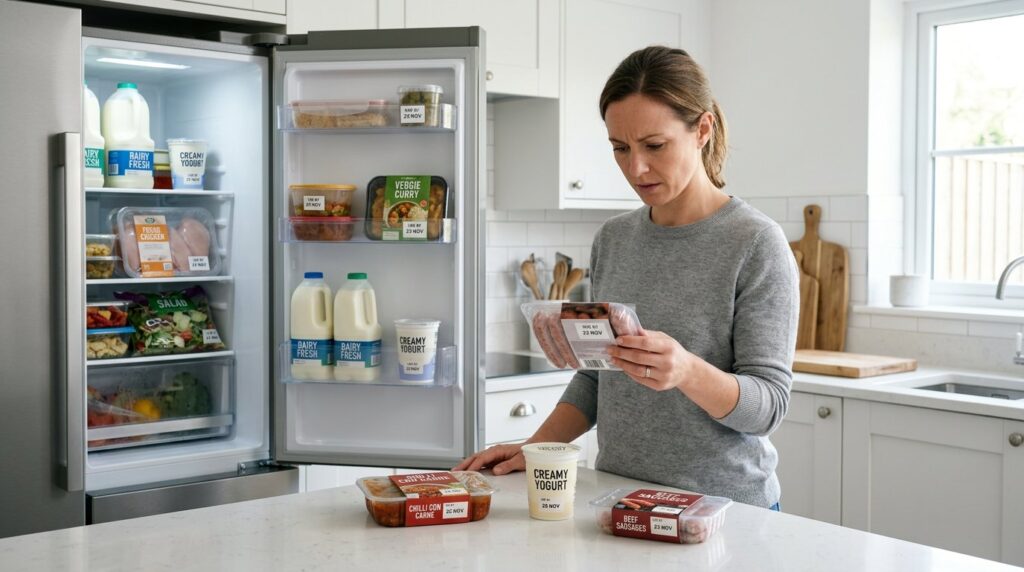
Understanding use-by dates is important because date labels do not all communicate the same thing. A use-by date is generally applied to highly perishable foods where consuming the product after the stated date may present a food safety risk when the label is used under the applicable regulatory system. By contrast, best-before or similar quality dates generally concern the period during which food is expected to retain its intended quality. Storage instructions also matter: a printed date assumes that the food has been stored as directed and that packaging conditions have remained appropriate. Since terminology and legal rules vary between countries, consumers and food businesses should follow their local food safety authority’s guidance.
What Are Use-By Dates?
A use-by date tells consumers about the safe consumption period of certain perishable foods under specified storage conditions.
Products carrying these dates can include chilled foods where harmful microorganisms may grow over time even when obvious signs of spoilage are absent.
That makes a use-by date fundamentally different from a simple freshness recommendation.
For food regulated under a use-by safety system, consumers should not rely on smell, taste, or appearance to decide that the product remains safe after the date.
Foodborne pathogens do not necessarily produce an unpleasant smell or visible deterioration.
Why Do Use-By Dates Matter?
Food can contain microorganisms capable of causing illness.
Temperature, time, moisture, acidity, processing, packaging, and other characteristics influence microbial growth.
Manufacturers use product knowledge and appropriate shelf life assessment to establish labeling according to applicable regulations.
A correctly assigned use-by date therefore provides information that cannot reliably be obtained merely by looking at the food.
9 Essential Facts About Use-By Dates
These principles can help consumers interpret food date labels more safely while reducing avoidable confusion.
1. Use-By Dates Primarily Concern Food Safety
The central distinction is safety versus quality.
In regulatory systems using this terminology, use-by labels are intended for foods that may become unsafe because of microbiological risks.
Why Use-By Dates Are Different
A product may still look normal after its use-by date.
The Smell Test Is Not Enough
Some harmful bacteria do not produce sensory changes that consumers can detect. Food carrying a safety based use-by date should therefore be handled according to the label rather than tested by tasting it.
2. Best-Before Dates Usually Concern Quality
Best-before dates generally indicate when a food is expected to retain its intended quality when correctly stored.
After that date, food may lose characteristics such as flavor, texture, aroma, or color without necessarily becoming unsafe simply because the date has passed.
Use-By Dates Versus Best-Before Dates
This distinction can prevent both foodborne illness and unnecessary waste.
Check the Actual Label
Do not treat use-by and best-before wording as interchangeable. Their meanings can be legally distinct in jurisdictions that formally define them.
3. Correct Storage Is Part of the Date
A shelf life date is not independent of storage conditions.
If the package says to keep the product refrigerated below a specified temperature, the stated date assumes appropriate refrigeration.
Refrigeration and Use-By Dates
Extended exposure to warmer conditions can increase microbial growth.
A Valid Date Cannot Correct Unsafe Storage
Food can become unsafe before its printed use-by date if it has been mishandled or left under inappropriate conditions.
4. Opening Packaging Can Change Shelf Life
Some products display instructions such as consuming within a certain number of days after opening.
Once opened, food can be exposed to oxygen, microorganisms, or other contamination.
Opened Food and Use-By Dates
The printed date should be considered alongside instructions for the period after opening.
Follow the Shorter Applicable Limit
If packaging requires consumption within a specified period after opening, do not assume the unopened shelf life date overrides that instruction.
5. Freezing Can Change How Food Is Managed
Freezing suitable food before its safety date can extend the period for which it can be stored, provided freezing and subsequent thawing are performed safely.
Not every food freezes well from a quality perspective.
Freezing Food Before Use-By Dates
Follow product instructions and local food safety guidance.
Label Frozen Food
Record what the item is and when it was frozen so it does not become an unidentified package months later.
6. Cooking Does Not Make Every Expired Food Safe
A common misconception is that food past its use-by date can simply be cooked thoroughly.
Heat can destroy many microorganisms when sufficient time and temperature are achieved, but food safety is more complicated than this.
Certain microbial hazards and toxins are not appropriately managed by assuming ordinary cooking will rescue food stored too long.
Therefore, do not use cooking as a workaround for an expired safety based use-by date.
7. Date Labels Depend on the Product
Different foods support microbial growth at different rates.
Moisture content, acidity, ingredients, processing, preservatives, atmosphere, packaging, and storage temperature can all affect shelf life.
Why Use-By Dates Differ Between Similar Foods
Two superficially similar products can legitimately have different labeled shelf lives.
Do Not Transfer Dates Between Products
The shelf life of one brand or recipe does not establish the safe life of another.
8. Vulnerable People Need Particular Food Safety Attention
Foodborne illness can be more serious for some groups.
These can include pregnant people, older adults, young children, and individuals with weakened immune systems.
Specific high risk food guidance varies by health authority and individual circumstances.
People in higher risk groups should follow relevant public health recommendations carefully.
9. Date Label Rules Vary Internationally
The meaning of date terminology depends partly on jurisdiction.
The United Kingdom, European Union, Australia, New Zealand, United States, and other markets do not have identical labeling frameworks.
International Use-By Date Rules
A label familiar in one country may be regulated differently elsewhere.
Use Your Local Food Safety Authority
For consequential decisions, check current official government guidance rather than applying a foreign article’s rules automatically.
Use-By Dates Versus Best-Before Dates
This distinction deserves detailed attention because misunderstanding it can either increase risk or cause avoidable waste.
Use-By Date Meaning
A use-by date is generally associated with safety for highly perishable foods in jurisdictions formally using this category.
Consumers should follow the label and storage requirements.
Best-Before Date Meaning
A best-before date generally relates to quality.
Some foods can remain suitable after the date if they have been stored correctly and show no signs that make them unsuitable.
Sensory Checks and Best-Before Food
For appropriate products, appearance and smell may help assess quality after a best-before date.
Never Generalize This to Use-By Foods
Sensory inspection is not a reliable method for overriding a microbiological safety date.
Use-By Dates Versus Expiration Dates
The term expiration date or expiry date can have different regulatory meanings depending on product and country.
It should not automatically be treated as a synonym for use-by.
Food Versus Medicine Labels
Medicines and foods have distinct regulatory systems.
Drug expiration dates involve pharmaceutical stability, effectiveness, and safety considerations.
Follow Product Specific Guidance
Do not apply food date advice to medication, infant formula, medical nutrition, or other separately regulated products.
Check the Relevant Regulator
For medications, consumers should follow healthcare and pharmaceutical guidance in their jurisdiction.
Which Foods Commonly Have Use-By Dates?
The exact labeling requirement varies by country.
Highly perishable refrigerated products are commonly associated with safety based date labeling.
Examples may include certain chilled:
• Meat products
• Fish products
• Prepared meals
• Dairy products
• Ready-to-eat foods
• Deli products
• Other short shelf life refrigerated foods
The label on the specific package remains more important than a generic category list.
Use-By Dates on Meat
Raw and prepared meats can support growth of foodborne microorganisms if stored incorrectly.
Keep meat under the refrigeration conditions stated on the packaging.
Cross Contamination
Store raw meat in a way that prevents juices from contacting ready-to-eat foods.
Refrigerator Placement
A sealed container on a lower shelf can help prevent drips onto other products.
Follow Local Food Safety Advice
Refrigerator layout and storage recommendations should be consistent with guidance from the relevant food safety authority.
Use-By Dates on Fish
Fresh fish and seafood are highly perishable.
Consumers should refrigerate them promptly and follow package instructions.
Seafood Storage
Temperature control is particularly important.
Unusual Odors
Spoilage signs are a reason not to consume food even when the date has not passed.
A Future Use-By Date Does Not Guarantee Safety
Damaged packaging, temperature abuse, or obvious spoilage can make food unsuitable before the printed date.
Dairy Products and Date Labels
Not every dairy food necessarily carries a use-by date.
The appropriate date type depends on product characteristics and local regulations.
Milk
Milk labeling practices vary by market and processing method.
Yogurt and Other Dairy Products
Products can have different shelf lives.
Read the Specific Package
Generic internet rules about eating dairy a certain number of days after a date can be misleading when the date type and storage history differ.
Ready-to-Eat Chilled Foods
Ready meals, sandwiches, prepared salads, and similar refrigerated foods can carry short shelf lives.
Because many are eaten without additional cooking, safe storage is particularly important.
Refrigerator Temperature
Consumers should know whether their refrigerator maintains an appropriate temperature.
A refrigerator thermometer can help where needed.
Avoid Overpacking
Excessive crowding can interfere with air circulation in some refrigerators.
Follow Appliance Guidance
Temperature settings and food placement can vary by refrigerator model.
How Manufacturers Determine Use-By Dates
Food businesses use product development and food safety processes to determine appropriate shelf life.
The specific methodology depends on food type and applicable regulatory requirements.
Shelf Life Testing
Testing can examine microbiological and quality changes over time.
Product Characteristics
Factors can include pH, water activity, ingredients, processing, packaging, and storage.
Predictive Microbiology
Models can help estimate microorganism behavior under defined conditions.
Professional Judgment Is Still Required
Shelf life decisions should be based on appropriate food science and legal requirements, not simply generated by software.
Microbiological Safety and Use-By Dates
Pathogenic microorganisms are central to why safety dates exist.
Examples of foodborne pathogens include certain strains or species of bacteria capable of causing illness.
The particular hazards depend on the food.
Listeria and Chilled Foods
Listeria monocytogenes receives particular attention in some ready-to-eat chilled food contexts because it can grow at refrigeration temperatures under suitable conditions.
Refrigeration Slows Many Microorganisms
It does not sterilize food.
Time Still Matters
This is why maintaining refrigeration does not mean a perishable product can be safely stored indefinitely.
Can You Eat Food on Its Use-By Date?
Under systems where the use-by date represents the final day for safe consumption when correctly stored, the food can generally be consumed up to and including that date, subject to label instructions and proper storage.
Consumers should follow local regulatory guidance because date conventions can vary.
If food shows evidence of spoilage or packaging is damaged, the printed date should not be used as reassurance.
Can You Eat Food One Day After Its Use-By Date?
For a genuine safety based use-by date, official guidance in jurisdictions such as the UK advises not eating the food after that date.
The fact that only one day has passed does not make sensory testing reliable.
Do Not Taste to Check
Taste cannot reliably detect foodborne pathogens.
What if the Food Was Frozen?
Food appropriately frozen before the use-by date can be handled differently according to safe freezing and thawing guidance.
Follow the Frozen Storage Instructions
The original date does not provide complete instructions for the food after freezing.
Freezing Food Near Its Use-By Date
Freezing can be a useful strategy for reducing food waste.
Food should be frozen while it is still within the safe period and according to manufacturer guidance.
Freeze Promptly
Waiting until food is already outside its safety date is not recommended.
Portion Before Freezing
Smaller portions can make thawing and future use easier.
Record Dates Clearly
A simple freezer label helps track storage.
Defrosting Food Safely
Safe thawing reduces the amount of time food spends under conditions favorable to microbial growth.
Refrigerator thawing is commonly recommended for many foods.
Other approved methods can be suitable depending on the product.
Follow Package Instructions
Manufacturers may specify how to thaw and cook a product.
Use Defrosted Food Promptly
The appropriate timeframe varies.
Do Not Invent Universal Timelines
Follow the package and current food safety authority recommendations for the product.
Cooking Food on Its Use-By Date
Food that is still within its use-by period and has been stored correctly may be cooked on that date according to the product instructions.
What happens after cooking depends on safe cooling and storage.
Refrigerating Cooked Food
Cool and refrigerate leftovers safely.
Label Leftovers
Record when they were prepared.
Follow Current Leftover Guidance
Safe storage times vary by food and national guidance.
Reheating Food
Reheating should be performed according to applicable food safety instructions.
Some foods should be reheated only once according to particular official guidance.
Heat Thoroughly Where Required
Follow package directions and relevant local recommendations.
Microwave Cold Spots
Microwaves can heat unevenly.
Stir and Rest When Directed
Manufacturer instructions can help ensure more even heating.
Use-By Dates and the Smell Test
The smell test is often discussed in anti-food-waste campaigns.
It can have a role with some foods carrying quality based best-before dates.
It should not be used to override a safety based use-by date.
Why Dangerous Food Can Smell Normal
Pathogenic microorganisms can exist without creating obvious sensory changes.
Spoilage microorganisms and disease causing microorganisms are not the same thing.
Never Taste Questionable Food as a Safety Test
Tasting exposes you to the food rather than safely testing it.
When in Doubt, Follow Official Guidance
For high risk perishable foods, a cautious approach is appropriate.
What if Food Looks Spoiled Before the Use-By Date?
Do not eat food merely because its date has not arrived.
A package can be damaged or the cold chain may have been interrupted.
Warning Signs
Concerning signs can include unexpected swelling, leakage, mold, unusual texture, or obvious spoilage.
Return Defective Products
Consumers may be able to return food that spoiled unexpectedly within its intended shelf life.
Keep Safety First
Do not taste visibly spoiled food to determine whether it should be returned.
Packaging and Use-By Dates
Packaging can influence shelf life by controlling exposure to oxygen, moisture, contamination, or light.
Modified Atmosphere Packaging
Some foods use controlled gas mixtures inside packaging.
Damaged Packaging
A broken seal can change the conditions on which the shelf life was based.
Follow Opening Instructions
Once opened, a separate storage timeframe may apply.
Use-By Dates After Opening
Labels often contain statements such as refrigerate after opening and consume within a specified period.
These instructions work alongside the printed date.
Example Principle
If a product is opened well before its overall use-by date but requires consumption soon after opening, the after-opening instructions become important.
Mark the Opening Date
Writing the date on the package can reduce uncertainty.
Avoid Relying on Memory
This is especially useful in shared households.
Refrigerator Organization
A well organized refrigerator can help reduce waste and make use-by dates easier to manage.
First Expiring, First Out
Place foods needing earlier use where they are visible.
Routine Checks
Review short shelf life items before shopping.
Plan Meals Around Existing Food
This can reduce unnecessary purchases and prevent safe food from expiring unused.
Food Waste and Use-By Dates
Confusion between safety and quality labels contributes to avoidable food disposal.
Better label understanding can help consumers reduce waste without ignoring safety.
Plan Purchases
Buy quantities that can realistically be eaten or frozen in time.
Freeze Surplus Early
Do not wait until the last moment if you already know an item will not be used.
Do Not Reduce Waste by Taking Unsafe Risks
Food waste prevention should operate within safe handling practices.
Use-By Dates in the United Kingdom
In the UK, the Food Standards Agency distinguishes clearly between use-by dates related to safety and best-before dates related to quality.
Consumers are advised not to eat food after a use-by date.
Storage Requirements
The product must also be stored according to instructions.
Official Guidance Can Change
Food businesses and consumers should consult the current Food Standards Agency guidance.
Primary Sources Matter
For health and safety information, government guidance should take priority over social media advice.
Use-By Dates in the European Union
EU food information legislation establishes date marking requirements, including distinction between minimum durability and dates associated with highly perishable foods that may pose an immediate danger to human health after a short period.
Individual enforcement and guidance can involve national authorities.
Businesses Need Market Specific Compliance
Products sold across borders should use appropriate legally compliant labeling.
Translation Must Preserve Meaning
Date instructions need to remain clear in the required market languages.
Seek Regulatory Expertise
Food businesses should obtain qualified compliance advice for their specific products and distribution markets.
Use-By Dates in Australia and New Zealand
Australia and New Zealand use food standards that distinguish use-by and best-before labeling.
A use-by date relates to health and safety considerations under applicable rules.
Food businesses must comply with the relevant Food Standards Code.
Consumers Should Follow Local Guidance
Food Standards Australia New Zealand and local health authorities provide relevant information.
Date Formats Can Differ
Day, month, and year conventions can create confusion on imported products.
Read the Complete Label
Do not assume a foreign numeric date uses your familiar format.
Date Labels in the United States
The United States has historically had less standardized consumer food date terminology at the federal level than jurisdictions that formally distinguish use-by and best-before terminology, although specific regulated products have additional requirements.
Many food date labels relate primarily to quality rather than universal safety cutoffs.
Infant Formula Is Different
Infant formula has specific federal date requirements.
Do Not Apply UK Use-By Rules Automatically to Every U.S. Label
The regulatory meaning can differ.
Consult USDA, FDA, and Relevant State Guidance
The correct source depends on the food and regulatory context.
Use-By Dates for Food Businesses
Commercial food operators carry responsibilities beyond those of ordinary household consumers.
Businesses may need documented stock rotation, temperature control, traceability, and date labeling processes.
Stock Rotation
First expired, first out or comparable appropriate systems can reduce the risk of outdated stock remaining available.
Staff Training
Employees need to understand the difference between date labels.
Document Procedures
Consistent systems are particularly important across multiple shifts or locations.
Relabeling and Changing Dates
Food businesses should not arbitrarily extend safety dates because stock remains unsold.
Date determination must comply with applicable law and food safety evidence.
Repacking Food
Changing packaging can alter shelf life conditions.
Manufacturer Dates
Removing products from original packaging can complicate traceability.
Follow Regulatory Requirements
Businesses should involve qualified food safety professionals when establishing or modifying shelf life.
Food Banks and Use-By Dates
Food donation can reduce waste, but safety requirements still apply.
Organizations generally need specific processes governing what food they can accept and distribute.
Donate Early
If safe surplus food is eligible for donation, arrangements should occur before safety dates expire.
Recipient Safety Comes First
Donation is not a disposal route for food that is no longer considered safe.
Follow Local Donation Guidelines
Rules and organizational policies vary by jurisdiction.
Common Use-By Date Mistakes
One common mistake is treating every printed date as an expiration date.
Another is assuming food must be safe until its date regardless of how it was stored.
People may also trust smell too much for safety dated food.
Others throw away shelf stable foods immediately after a best-before date without considering that it is a quality indication.
Understanding the label category prevents both unsafe consumption and unnecessary waste.
How to Manage Use-By Dates at Home
A simple routine can improve food safety and reduce waste.
Check dates when unpacking groceries.
Place items with shorter remaining shelf life where they are visible.
Weekly Refrigerator Review
Identify products that need to be eaten soon.
Freeze Suitable Food
Freeze items early when plans change.
Maintain Safe Refrigerator Conditions
Date management works only alongside proper temperature control and hygienic handling.
Use-By Dates and Meal Planning
Meal planning can reduce the number of products that reach their use-by dates unused.
Begin by checking what is already in the refrigerator.
Plan earlier meals around the most perishable foods.
Flexible Planning
Unexpected schedule changes happen.
Use the Freezer Strategically
Freezing suitable food before its date can preserve it for future use.
Follow Safe Thawing Guidance
Good freezer management continues after the product is frozen.
Frequently Asked Questions
What do use-by dates mean?
Use-by dates generally indicate the safety limit for certain highly perishable foods when they are stored according to instructions, although exact regulatory definitions vary by country.
Can I eat food after its use-by date?
For genuine safety based use-by labels, authorities such as the UK Food Standards Agency advise against eating food after the date, even when it looks or smells normal.
What is the difference between use-by and best-before dates?
Use-by dates generally concern food safety, while best-before dates primarily indicate quality. Regulatory terminology and requirements vary internationally.
Can I freeze food on its use-by date?
Some official guidance allows suitable food to be frozen by the use-by date when it has been stored correctly. Follow the specific package and your local food safety authority’s instructions.
Does cooking make food safe after its use-by date?
Do not rely on cooking to make safety dated food suitable after expiration. Microbiological food safety involves more than simply heating an old product.
Can food spoil before its use-by date?
Yes. Incorrect storage, damaged packaging, contamination, or cold chain problems can make food unsuitable before its printed date.
Conclusion
Use-by dates are an important food safety tool for highly perishable products in regulatory systems that use this labeling category. They should not be confused with best-before dates, which generally describe quality rather than a safety cutoff. Safe storage, package instructions and after-opening guidance remain essential because a printed date assumes the food has been handled correctly. When rules or terminology are unclear, consumers and food businesses should follow the current guidance of the relevant food safety authority in their country.