
Christmas packaging can become part of the gift itself. When an order reaches a customer during the holiday season, the box is often the first...
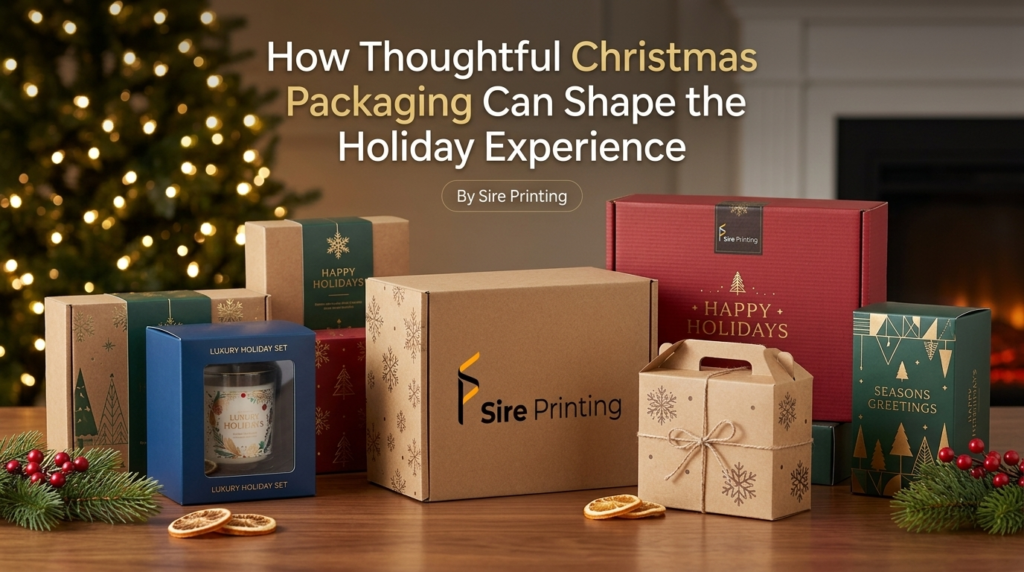
Christmas packaging can become part of the gift itself. When an order reaches a customer during the holiday season, the box is often the first thing they see before opening the product. Well-planned Custom Christmas Gift Boxes can bring together seasonal presentation, product protection, and recognizable branding without making the package feel excessive.
Holiday shopping also covers more than personal gifts. Customers may be ordering presents for relatives, friends, coworkers, clients, or business partners. Because of this, packaging needs to feel suitable for the occasion while still reflecting the brand behind the product.
For e-commerce businesses, that first physical interaction is especially important. A box that arrives clean, secure, and thoughtfully designed can make the delivery feel more complete and connected to the shopping experience.
Why Christmas Packaging Deserves Extra Attention
The holiday season creates a different purchasing environment. Many products are bought specifically as gifts, so customers may pay closer attention to how the item is presented when it arrives.
Seasonal packaging does not have to rely on complicated artwork or expensive construction. A carefully selected color scheme, a small Christmas illustration, or a simple holiday message can be enough to give the package a seasonal feel.
There is also a practical side to consider. Holiday orders can move quickly through packing and shipping operations, so the box should be easy for staff to assemble, suitable for the product, and strong enough to reach the customer without unnecessary damage.
Add Christmas Details Without Losing Your Brand
Seasonal packaging works best when it feels like an extension of the brand rather than a completely different identity. Christmas elements can be introduced while keeping the company’s usual visual language recognizable.
Using Custom Christmas Gift Boxes gives brands room to introduce details such as snowflakes, stars, ornaments, winter scenes, or short festive greetings. These elements can create a holiday mood while allowing the product and brand to remain the main focus.
A premium company may choose understated artwork, elegant typography, and a limited color palette. A children’s product brand, on the other hand, might use illustrated characters, playful graphics, and brighter seasonal elements.
The goal is not to fill every available space. The design should have a clear visual direction that works with the product inside.
Select a Box Style Based on How the Product Is Sold
A visually attractive package still needs to perform its basic job. The construction should be selected according to the product, sales channel, packing process, and level of protection required.
Different products can call for different structures, including:
- Tuck-end boxes for lightweight retail products
- Mailer boxes for direct-to-consumer orders
- Rigid boxes for premium gifts and luxury products
- Display boxes where product visibility is important
- Corrugated boxes for products requiring additional shipping protection
Box dimensions matter as well. A package that is too large can leave excessive empty space, while one that is too small may put pressure on the product. A properly fitted structure can make packing easier and reduce unnecessary movement during delivery.
Match the Material to the Product
The material selected for Christmas packaging affects both its appearance and its performance. Businesses should look at product weight, dimensions, shipping conditions, printing requirements, and the desired finish before selecting a board.
Kraft paperboard can give packaging a simple, natural appearance and works well with understated winter or Christmas artwork.
Coated paperboard offers a smoother printing surface and can be useful when detailed graphics, product imagery, or stronger color reproduction are important.
Corrugated board is more appropriate when shipping protection is a major concern. Its structure can provide additional strength for products moving through delivery networks.
Rather than choosing a material simply because it looks attractive, brands should consider what the package actually needs to do.
Create a Simple but Memorable Unboxing
A holiday unboxing does not need layers of unnecessary packaging. What matters is that the customer can open the order easily and that every part of the presentation has a purpose.
The product should stay secure inside the box, while supporting elements can add a small personal touch. Depending on the product and brand, this could include:
- A thank-you note
- A short Christmas greeting
- Branded tissue paper
- A product information card
- A gift-ready interior presentation
These details can make an order feel more intentional without adding complicated steps to the fulfillment process.
Keep Your Brand Recognizable During the Holidays
Changing the packaging for Christmas should not mean removing the brand’s identity. Customers should still be able to connect the seasonal package with the company they purchased from.
A recognizable logo, typography, brand color, pattern, or other visual element can remain part of the Christmas design. Seasonal graphics can then be added around those established brand features.
For businesses that release holiday packaging every year, this consistency can also help create recognition from one season to the next. Newer brands can use the same approach to introduce a memorable visual style while experimenting with seasonal artwork.
Design for Shipping, Not Just for Display
Many Christmas products no longer move directly from a retail shelf to the customer. E-commerce orders often travel from a warehouse or fulfillment facility through several stages before reaching their final destination.
That means a holiday box designed for shipping needs to account for handling, sorting, transportation, and delivery. Products that are fragile or delicate may also require internal inserts or additional protection.
Testing a sample before placing a large production order can help identify practical issues. A trial run may reveal problems such as loose products, weak closures, damaged corners, or dimensions that do not work well with the item.
For a new packaging structure, testing under realistic shipping conditions can provide useful information before the holiday inventory is produced at scale.
Keep Seasonal Artwork Focused
Christmas gives designers plenty of visual elements to work with, but using all of them at once can make packaging look crowded.
Instead, choose one main concept and let the remaining design elements support it. A winter landscape, ornament pattern, festive illustration, or simple seasonal motif can act as the central visual feature.
The logo, product name, and other important information should remain easy to find.
A focused design also makes it easier to maintain consistency when the same Christmas packaging concept is adapted for multiple products or box sizes.
Consider More Responsible Packaging Choices
Holiday sales can increase the amount of packaging used by businesses, especially when individual products are wrapped and shipped separately.
One practical step is to review the size of the box itself. Packaging that closely matches the product can reduce unnecessary empty space and may also make transportation more efficient.
Paper-based materials may be suitable for brands looking for recyclable packaging options, depending on the specific material and local recycling facilities.
Environmental messaging should remain accurate. Businesses should avoid making broad sustainability claims unless they can support those claims with information about the actual material, production, or disposal process.
Add Personalization Where It Makes Sense
Personalized packaging can make seasonal orders feel more specific to the recipient. Depending on the printing process, businesses may include names, short messages, customer groups, or limited-edition artwork.
This can be particularly useful for corporate gifting, subscription businesses, and brands running seasonal campaigns.
However, personalization requires additional planning. Different names, messages, or designs can mean more artwork files, production checks, and quality-control steps. Businesses should decide in advance how much variation their production process can realistically handle.
Let the Product Guide the Christmas Design
There is no universal Christmas packaging style that works for every product category.
A bakery selling cookies or confectionery might benefit from a window that gives customers a view of the product. A candle brand may prefer a more refined box with subtle seasonal artwork. Beauty products can use winter-inspired graphics while maintaining their regular brand appearance.
Apparel businesses may choose printed mailers or folding cartons that combine seasonal visuals with practical shipping features.
Product size, weight, fragility, price point, and sales channel all influence the packaging decision. Even two products within the same industry may require completely different box structures.
Prepare Your Holiday Packaging Before the Busy Season
Seasonal packaging becomes much easier to manage when decisions are made before the holiday rush begins.
Instead of waiting until December, businesses can review previous Christmas sales and identify which products need seasonal packaging. From there, the process can be organized into a few practical stages:
- Identify the products that will use Christmas packaging.
- Confirm box dimensions and material requirements.
- Prepare and approve the artwork.
- Request samples before production.
- Estimate the quantity needed for the season.
- Leave sufficient time for manufacturing and delivery.
Early preparation also gives businesses time to correct design or structural problems before committing to a larger quantity.
Make the Packaging Part of the Holiday Experience
Effective Christmas packaging involves more than placing festive artwork on a box. The structure, material, branding, product protection, opening experience, and shipping requirements all contribute to how the final package is received.
The strongest approach is often a practical one. The box should suit the product, the design should feel appropriate for Christmas, and the brand should remain recognizable throughout the experience.
When these elements work together, the packaging becomes more than an outer layer. It becomes part of how customers experience the product during the holiday season.