
Gas line repair is a critical service that protects your home and family from potentially dangerous leaks and system failures. Natural gas is highly efficient...
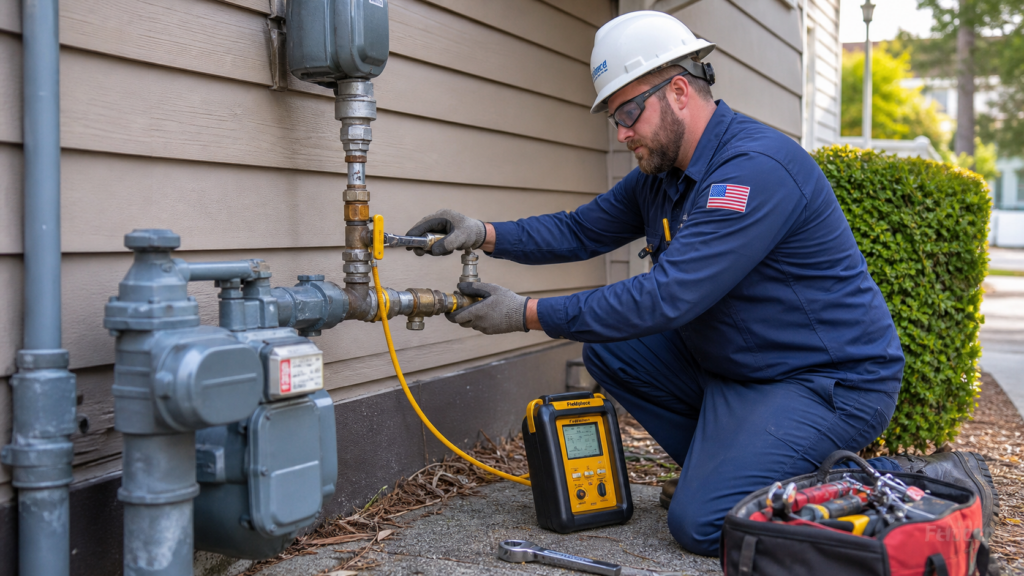
Gas line repair is a critical service that protects your home and family from potentially dangerous leaks and system failures. Natural gas is highly efficient for heating, cooking, and powering appliances, but damaged or aging gas lines can lead to serious safety hazards if not properly maintained. Knowing when to call a professional and what the repair process involves can help you act quickly and avoid costly or dangerous situations.
Common Signs You Need Gas Line Repair
Recognizing the warning signs early can prevent emergencies. The most obvious indicator is the smell of rotten eggs, which is added to natural gas as a safety measure. Other signs include:
- Hissing or whistling sounds near gas lines
- Dead or dying vegetation near buried lines
- Higher than normal gas bills
- Soot or black stains around gas appliances
- Visible corrosion, cracks, or damage to exposed pipes
If you notice any of these symptoms, evacuate the area immediately and contact a licensed professional for emergency gas line repair.
Why Professional Gas Line Repair Is Necessary
Gas line repair involves working with pressurized flammable gas, making it extremely dangerous for untrained individuals. Licensed technicians have the proper equipment, training, and certifications to safely locate leaks, repair or replace damaged sections, and test the entire system for integrity. Attempting DIY gas line repair can result in fires, explosions, or toxic exposure.
Professional services also ensure compliance with local building codes and safety regulations, which is often required for insurance coverage and home resale.
Common Causes of Gas Line Damage
Several factors can lead to the need for gas line repair, including:
- Corrosion due to age or soil conditions
- Damage from construction or landscaping work
- Ground movement or seismic activity
- Poor initial installation or low-quality materials
- Tree root intrusion on underground lines
Regular inspections can identify potential problems before they become major repair projects.
The Professional Gas Line Repair Process
A qualified technician will typically follow these steps:
- Safety Assessment — Detect and isolate leaks using specialized equipment.
- Line Location — Use tracing tools to map underground or hidden pipes.
- Repair or Replacement — Fix small leaks with approved fittings or replace damaged sections entirely.
- Pressure Testing — Verify the system is secure and leak-free.
- Documentation — Provide required permits and compliance paperwork.
Most repairs can be completed in one day, though extensive underground line replacement may take longer.
Average Cost of Gas Line Repair
Costs vary based on the extent of damage, pipe location, and local labor rates. Minor repairs typically range from $300 to $800, while full line replacements can cost between $1,500 and $4,500 or more. Emergency calls after hours usually incur additional service fees. Many homeowners find that investing in quality repair work prevents much larger expenses later.
The table below shows typical cost ranges:
| Type of Repair | Average Cost Range | Time Required | Common Causes |
|---|---|---|---|
| Minor Leak Repair | $300 – $800 | 2–4 hours | Corrosion or loose fittings |
| Pipe Section Replacement | $800 – $2,000 | 4–8 hours | Localized damage |
| Full Underground Line Repair | $2,500 – $6,000+ | 1–3 days | Extensive corrosion or excavation |
| Emergency Service Call | $500 – $1,200 | Same day | Suspected leaks or safety issues |
Choosing the Right Gas Line Repair Service
Look for licensed, bonded, and insured professionals with specific experience in gas line repair. Check reviews, verify certifications, and confirm they use modern leak detection technology. A reputable company will provide clear upfront pricing, proper documentation, and follow-up service if needed.
Preventing Future Gas Line Problems
Regular professional inspections, protecting exposed pipes, and avoiding DIY modifications are the best ways to prevent issues. Consider installing gas leak detectors in your home for added safety and peace of mind.
Frequently Asked Questions
How do I know if I have a gas leak that needs repair?
The smell of rotten eggs, hissing sounds, or dead plants near gas lines are strong indicators. If you suspect a leak, leave the area immediately and call for professional gas line repair.
Can I repair a gas line myself?
No. Gas line repair should only be performed by licensed professionals due to the extreme safety risks involved.
How long does professional gas line repair usually take?
Minor repairs can often be completed the same day, while extensive underground work may require one to three days depending on complexity.
Is gas line repair covered by homeowners insurance?
Many policies cover sudden damage, but neglect or old age may not be covered. Check your policy and consider adding service line protection.
How often should gas lines be inspected?
Most experts recommend professional inspection every 3 to 5 years, or immediately if you notice any warning signs.
What is the average cost of gas line repair?
Costs typically range from $300 for minor repairs to several thousand dollars for complete line replacement, depending on the scope of work.
Conclusion
Quality gas line repair is essential for maintaining safety, efficiency, and reliability in any home that uses natural gas. By recognizing warning signs early, hiring licensed professionals, and investing in proper installation and maintenance, homeowners can avoid dangerous situations and costly emergencies. Taking a proactive approach to your gas lines protects your property and provides peace of mind for years to come.