
Fresh lemons, limes and other citrus picked within a few steps of the kitchen can be rewarding for cooks who enjoy using fragrant zest, fresh...
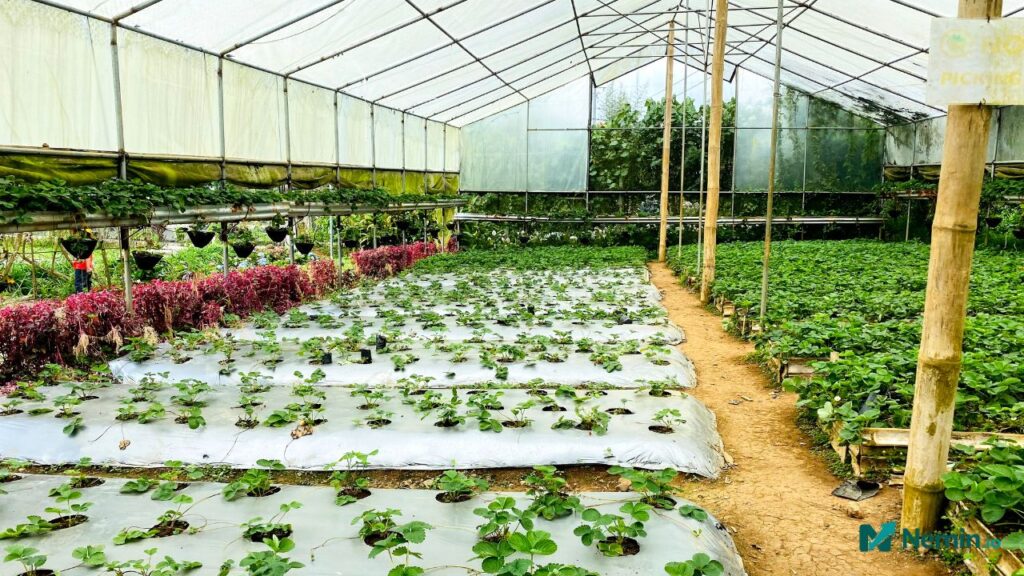
Fresh lemons, limes and other citrus picked within a few steps of the kitchen can be rewarding for cooks who enjoy using fragrant zest, fresh juice and leaves. In cooler climates such as the UK, however, citrus generally needs more protection than many common garden crops. Acrylic greenhouse glazing sheets can provide a lightweight transparent covering for a suitable greenhouse, helping create a sheltered growing environment while avoiding some of the handling characteristics associated with conventional glass.
Glazing alone will not turn a cold greenhouse into a Mediterranean climate. Successful citrus growing also depends on cultivar, available light, winter temperature, ventilation, watering, feeding, humidity and pest management. Choosing acrylic greenhouse glazing sheets should therefore be part of a complete greenhouse plan focused on giving container-grown citrus reliable light and protection without creating excessive summer heat or unsuitable winter conditions.
What Are Acrylic Greenhouse Glazing Sheets
Acrylic is a transparent thermoplastic material commonly known by the technical abbreviation PMMA, which stands for polymethyl methacrylate. It is manufactured in sheet form for numerous glazing and fabrication applications.
Acrylic greenhouse glazing sheets can be used instead of traditional horticultural glass in greenhouse structures designed to accept them.
Depending on the product, sheets may be supplied clear, tinted, textured or in other configurations. For growing citrus, clear glazing will usually be of greatest interest because maintaining useful natural light is important.
Acrylic should not be confused with polycarbonate.
Both are plastics used for glazing, but they have different material properties and product structures. Polycarbonate greenhouse products are frequently sold as multiwall panels, while acrylic is commonly encountered in solid clear sheet form, though other forms exist.
The correct product should be chosen according to the greenhouse structure, climate and manufacturer’s fitting requirements.
Why Acrylic Greenhouse Glazing Sheets Suit Citrus Growing
Citrus plants generally prefer bright conditions. In the UK, available natural light becomes particularly valuable during shorter winter days.
Clear acrylic greenhouse glazing sheets can transmit high levels of visible light, although exact performance varies by thickness, formulation, surface condition and manufacturer.
For a greenhouse grower, this can create a bright interior suitable for plants that benefit from strong illumination.
Acrylic also weighs less than an equivalent area of conventional glass of comparable practical glazing thickness. This can make individual panels easier to handle.
Impact characteristics are another reason people consider plastic greenhouse glazing, although acrylic is not unbreakable and should not be described as such.
The decision should balance optical properties, durability, cost, installation requirements and the actual greenhouse frame.
7 Brilliant Benefits of Acrylic Greenhouse Glazing Sheets for Citrus
No glazing material is perfect for every greenhouse. These benefits are particularly relevant when the primary goal is growing citrus for culinary use.
1. Acrylic Greenhouse Glazing Sheets Provide Excellent Natural Light
Light is fundamental to photosynthesis, growth and fruit development.
A clear greenhouse covering allows solar radiation into the growing area while providing protection from external weather.
Quality acrylic greenhouse glazing sheets can offer strong visible-light transmission, making them a practical option for growers concerned about maintaining brightness.
This matters during a UK winter, when daylight hours and solar intensity are already limited.
Keep in mind that dirt, algae and surface deterioration can reduce the amount of light reaching plants.
Regular cleaning with methods approved by the sheet manufacturer helps preserve optical performance.
Avoid abrasive cleaners that could scratch the surface and gradually make the glazing hazier.
2. Acrylic Greenhouse Glazing Sheets Are Relatively Lightweight
Replacing greenhouse glass can involve handling awkward and potentially hazardous panels.
Acrylic is substantially lighter by volume than glass, which can make appropriately sized sheets easier to transport and install.
This characteristic can be useful for gardeners refurbishing an existing greenhouse.
However, lightweight glazing still needs correct structural retention.
Wind creates significant loads on greenhouse panels, and incorrectly secured acrylic greenhouse glazing sheets can move or become detached.
The frame and fixing method should suit the sheet material and local exposure conditions.
Where the greenhouse manufacturer provides fitting specifications, follow them rather than improvising solely from the sheet’s weight.
3. Acrylic Greenhouse Glazing Sheets Avoid Glass-Like Shattering
Acrylic behaves differently from ordinary horticultural glass when damaged.
It does not typically break into the same type of sharp glass fragments, which can make it attractive for domestic gardens.
That does not mean acrylic greenhouse glazing sheets are impossible to crack or break.
Edges can be damaged during drilling or installation, and inappropriate fixings can create stress.
Impact performance also depends on thickness and product specification.
Anyone prioritising very high impact resistance should compare acrylic with suitable polycarbonate glazing rather than assuming all plastics behave identically.
4. Acrylic Greenhouse Glazing Sheets Can Be Cut to Fit
Older greenhouse frames do not always use convenient modern panel dimensions.
Acrylic sheets can be fabricated to custom sizes using appropriate equipment and techniques.
This makes acrylic greenhouse glazing sheets useful for replacing individual broken panes or reglazing unusual sections.
Accurate measurement remains essential.
Plastic sheets also expand and contract as temperatures change, so they should not necessarily be fitted as tightly as glass.
The supplier’s guidance should specify appropriate clearances, hole sizes and fixing methods.
Failing to allow for thermal movement can contribute to bowing, stress or cracks.
5. Acrylic Greenhouse Glazing Sheets Can Offer Good Weather Resistance
A greenhouse covering remains outdoors throughout repeated cycles of sunlight, frost, rain and temperature change.
Acrylic is widely used externally because suitable grades can provide good weathering and optical stability.
Performance depends on the specific product.
When purchasing acrylic greenhouse glazing sheets, check whether the manufacturer recommends that grade for long-term exterior glazing.
Review warranty conditions and technical information rather than relying on a seller’s generic statement that all acrylic is identical.
Edges, fixings and seals also require maintenance because the glazing is only one component of the weather-resistant system.
6. Acrylic Greenhouse Glazing Sheets Make Plant Monitoring Easy
Clear glazing allows gardeners to see plants easily from outside the greenhouse.
More importantly, high clarity can create a pleasant growing and working environment for people who regularly inspect citrus.
Daily observation is useful because container-grown citrus can respond quickly to watering problems, temperature changes and pests.
Aphids, scale insects, spider mites and other pests can become troublesome in protected environments.
A bright greenhouse makes routine inspection easier.
Acrylic greenhouse glazing sheets do not prevent pests, but a well-lit accessible greenhouse can encourage growers to detect problems earlier.
7. Acrylic Greenhouse Glazing Sheets Can Support a Long-Term Growing Space
A greenhouse built around durable materials can become a long-term part of a productive kitchen garden.
Rather than protecting citrus temporarily with improvised covers each winter, growers can create a dedicated environment where containers remain sheltered.
Acrylic greenhouse glazing sheets can form part of that permanent setup when properly specified and installed.
The real value comes from how the entire greenhouse is managed.
Shelving, ventilation, heating where needed, irrigation and plant spacing determine whether the structure actually supports healthy citrus.
Glazing creates the enclosure. Horticultural management creates the growing conditions.
Acrylic Greenhouse Glazing Sheets Versus Glass for Citrus
Glass remains an established greenhouse material with excellent clarity and good resistance to scratching.
Acrylic offers different advantages, particularly lower weight and different breakage behaviour.
The better choice depends on priorities.
| Factor | Acrylic sheets | Horticultural glass |
|---|---|---|
| Weight | Relatively lightweight | Heavier |
| Transparency | High for suitable clear grades | High |
| Breakage | Can crack but does not behave like ordinary glass | Can shatter |
| Scratching | Requires careful cleaning | Generally more scratch resistant |
| Cutting | Can be fabricated with suitable tools | Requires glass-cutting techniques |
| Thermal movement | Needs installation allowance | Lower expansion |
| Appearance | Clear modern glazing | Traditional greenhouse appearance |
For citrus, both materials can provide useful light.
The greenhouse temperature, ventilation and winter protection strategy will usually matter more than choosing between two good-quality transparent materials solely for plant growth.
Acrylic Greenhouse Glazing Sheets Versus Polycarbonate
Acrylic and polycarbonate are frequently grouped together because both are transparent plastics, but they are not interchangeable.
Polycarbonate is particularly well known for impact resistance. Multiwall polycarbonate products can also provide useful insulation because air spaces are incorporated into their structure.
Solid acrylic can provide excellent optical clarity.
When comparing acrylic greenhouse glazing sheets with polycarbonate, determine whether the polycarbonate product is solid or multiwall because this affects weight, insulation, appearance and light transmission.
For citrus overwintering in a heated greenhouse, insulation may deserve significant consideration.
For an unheated greenhouse where maximum clarity is a priority, the calculation can be different.
Review manufacturer data for the specific products rather than making decisions based only on the material name.
How Much Light Does Citrus Need in a Greenhouse
Citrus generally performs best in bright conditions, although requirements vary by species, cultivar, season and temperature.
Position plants where they receive strong natural light while avoiding unnecessary shading from shelves, structures and larger plants.
Acrylic greenhouse glazing sheets can admit useful sunlight, but orientation and surrounding buildings or trees can still significantly affect the greenhouse.
A north-facing structure heavily shaded by a house will not become bright simply because it uses transparent acrylic.
During winter, clean glazing and sensible plant spacing become particularly important.
Some growers use supplementary horticultural lighting where natural light is inadequate, but electrical equipment used in humid greenhouse environments must be suitable and safely installed.
Choosing Citrus for a UK Greenhouse
Not all citrus behaves identically.
Lemons are popular because their fruit is versatile in the kitchen and many cultivars can grow successfully in containers.
Limes generally prefer warmer conditions and may be less forgiving of low winter temperatures.
Calamondins are popular ornamental and culinary citrus plants, producing small acidic fruits. Kumquats can also be suitable for container culture.
Oranges and mandarins are possible but need adequate space, light and suitable conditions for reliable growth.
Before buying a plant, research the particular cultivar rather than relying solely on a label stating citrus tree.
The eventual size, cold tolerance and fruit characteristics can differ considerably.
Creating the Right Temperature for Citrus
Citrus generally needs protection from severe cold, but ideal temperatures depend on the species and growth stage.
A greenhouse provides shelter without necessarily remaining frost-free.
On a clear winter night, an unheated greenhouse can become very cold.
Acrylic greenhouse glazing sheets do not generate heat. They can influence the greenhouse’s thermal behaviour, but supplemental heating may still be required for tender citrus depending on local weather and the plant.
Use a reliable maximum-minimum thermometer or appropriate sensor to understand actual conditions.
Decisions based on measured greenhouse temperature are more useful than assumptions based on outdoor forecasts alone.
Do Acrylic Greenhouse Glazing Sheets Keep Citrus Warm
Glazing creates an enclosed environment that reduces direct exposure to wind and weather and affects heat exchange.
However, a single solid acrylic sheet should not be treated as high-performance building insulation.
If winter heat retention is a major concern, compare the thermal properties of specific glazing systems.
Growers can sometimes use additional internal insulation strategies during colder months, provided they do not create unsafe conditions or unnecessarily block daytime light.
Ventilation remains important even in winter because stagnant, humid air can encourage plant-health problems.
Ventilation With Acrylic Greenhouse Glazing Sheets
A bright greenhouse can heat rapidly when sunshine returns.
This creates a challenge for citrus because a structure that needs protection in winter may need substantial ventilation in summer.
Roof vents, side vents and suitable doors can allow warm air to escape.
Automatic vent openers can provide useful temperature-responsive ventilation without requiring someone to be present throughout the day.
Acrylic greenhouse glazing sheets should not be used as an excuse to seal every opening permanently.
Air movement helps manage temperature and humidity.
Where extreme summer heat remains a problem, temporary shading may be useful, but it should be managed so plants continue receiving appropriate light.
Watering Citrus in an Acrylic Greenhouse
Container-grown citrus needs careful watering.
Allowing roots to remain continuously waterlogged can create serious problems, while prolonged drying can stress plants and contribute to flower or fruit loss.
There is no reliable universal weekly watering schedule.
Temperature, pot size, plant size, compost, season and humidity all influence water use.
Check the growing medium rather than watering simply because a particular day has arrived.
Plants growing beneath acrylic greenhouse glazing sheets receive no natural rainfall unless containers are intentionally exposed.
That makes the gardener entirely responsible for irrigation.
Ensure pots drain freely and do not remain sitting in water for prolonged periods unless a particular cultivation system specifically requires it.
Feeding Greenhouse Citrus
Container plants depend on limited growing media for nutrition.
Citrus generally benefits from an appropriate feeding programme during active growth, with products selected and applied according to their instructions.
Some manufacturers offer different summer and winter citrus feeds.
Avoid assuming that more fertiliser produces more fruit.
Excessive feeding can damage roots or create nutrient imbalances.
Watch plant growth and leaf condition alongside the feeding schedule.
If leaves develop persistent chlorosis or other symptoms, investigate potential causes rather than automatically adding more fertiliser.
Watering, root health, pH, pests and temperature can all influence how a plant appears.
Growing Lemons for the Kitchen
Lemons are particularly rewarding for cooks because both juice and zest have numerous culinary uses.
A greenhouse-grown lemon tree can provide intensely fragrant fresh fruit when conditions are suitable.
Citrus fruit can take many months to develop and ripen, so patience is essential.
Fruit may remain on the plant through seasonal changes.
Acrylic greenhouse glazing sheets help create a bright protected growing space, but fruiting still depends on the plant receiving adequate overall care.
For zest, avoid using peel treated with products that are not suitable for edible crops.
Follow all plant-treatment labels carefully.
Growing Limes for Cooking
Fresh lime is valuable for curries, marinades, drinks, desserts and dressings.
Lime trees generally appreciate warmth and bright light, making protected cultivation useful in cooler parts of the UK.
Their winter needs can be more demanding than those of some hardier citrus.
Acrylic greenhouse glazing sheets can provide weather protection, but growers may need additional temperature control.
Select container size carefully and ensure reliable drainage.
If greenhouse temperatures fall below the tolerance of the cultivar, move the plant to a more suitable environment or provide appropriate heating rather than assuming the glazing will protect it from all cold.
Pollination and Fruit Set
Many commonly grown citrus cultivars are self-fertile, meaning a single plant may be capable of setting fruit.
Greenhouse conditions can nevertheless affect pollinator access and flower behaviour.
Opening vents and doors during suitable weather allows insects to enter.
Some growers hand-pollinate flowers gently where needed, although this may not be necessary for every plant.
Poor fruit set can result from several causes, including environmental stress.
Before blaming pollination, assess light, temperature, watering and overall plant health.
Acrylic greenhouse glazing sheets themselves do not create a pollination barrier when ventilation and access are managed appropriately.
Controlling Pests on Greenhouse Citrus
Protected environments can favour certain pests because natural predators may be less abundant and warm conditions can support reproduction.
Inspect new plants before bringing them into the greenhouse.
Look regularly beneath leaves and around stems for scale, aphids, mealybugs and mites.
Sticky residues or sooty mould can sometimes indicate sap-feeding insects.
Choose controls suitable for the particular pest and edible crop where relevant.
Follow product labels carefully.
Physical removal and biological controls may be options in certain situations.
Good hygiene and early detection are often easier than managing a severe infestation across several citrus plants.
Cleaning Acrylic Greenhouse Glazing Sheets
Keeping glazing clean improves appearance and helps preserve available light.
Acrylic needs gentler treatment than ordinary glass because abrasive tools can scratch the surface.
Use cleaning products and methods approved by the sheet manufacturer.
Typically, soft cloths or non-abrasive sponges are preferable to harsh scouring pads.
Remove loose grit before wiping, as dragging dirt across the surface can cause scratching.
Avoid solvents unless specifically confirmed compatible with the acrylic grade.
Clean both inside and outside when necessary, paying attention to algae and debris around glazing bars.
Well-maintained acrylic greenhouse glazing sheets can keep the growing environment brighter for citrus.
Installing Acrylic Greenhouse Glazing Sheets Correctly
Acrylic expands and contracts as temperature changes.
This characteristic needs to be considered when panels are measured and fixed.
Do not simply cut acrylic to the exact dimensions of an old glass pane and force it tightly into the same space without checking installation requirements.
The supplier should provide guidance on expansion clearance and fixing details.
Where holes are required, appropriate drilling methods and dimensions reduce stress around the fastener.
Protective masking should generally remain in place during fabrication and be removed according to supplier instructions.
For exposed greenhouses or large panels, seek professional advice regarding suitable thickness, frame support and wind loading.
Choosing the Right Thickness
There is no universal acrylic thickness that is correct for every greenhouse.
The required specification depends on panel dimensions, frame support, installation method, wind exposure and sheet product.
Larger unsupported spans generally behave differently from small panes.
Rather than selecting acrylic greenhouse glazing sheets from price alone, provide the supplier with panel dimensions and details of the structure.
Check whether the existing frame can accept the proposed material and thickness.
A panel that physically fits is not necessarily structurally appropriate.
Safety and long-term performance should take priority over minimizing initial material cost.
Cutting Acrylic Greenhouse Glazing Sheets
Acrylic can be cut using appropriate plastic-fabrication methods.
The best method depends on sheet thickness, size and equipment.
Scoring may be suitable for certain thin-sheet applications, while saw cutting or professional CNC processing can provide more controlled results for other projects.
Supporting the material properly helps reduce vibration.
Incorrect cutting techniques can chip or crack edges.
For numerous greenhouse panels, ordering acrylic greenhouse glazing sheets already cut to size may reduce labour and errors.
Always measure individual openings carefully because older greenhouse frames may not be perfectly square or consistent.
Maintaining an Acrylic-Glazed Citrus Greenhouse
Greenhouse maintenance should be seasonal.
Before winter, inspect glazing fixings, seals, vents and doors.
Check heating equipment where used and test temperature monitoring.
Clean acrylic greenhouse glazing sheets before the darkest part of the year to maximize available light.
During spring, monitor the greenhouse more closely as solar gain increases.
Automatic vents should be inspected to ensure they operate correctly.
In summer, watering demand can rise significantly.
Autumn is a useful time to inspect citrus for pests before the greenhouse becomes more enclosed for winter.
This annual rhythm helps the greenhouse support plants rather than simply shelter them.
Common Acrylic Greenhouse Glazing Sheets Mistakes
Choosing acrylic without checking the greenhouse frame is a common mistake.
Another is installing the sheets too tightly and failing to accommodate thermal movement.
Harsh cleaning methods can permanently scratch otherwise clear panels.
Gardeners can also assume transparent glazing means overheating is impossible during mild weather.
Acrylic greenhouse glazing sheets may create a bright enclosed space that still requires active ventilation.
For citrus, another mistake is assuming the greenhouse alone guarantees winter survival.
Monitor actual temperature and understand the cold tolerance of each plant.
Finally, do not overlook structural security. Lightweight panels need appropriate retention against wind.
Creating a Citrus Greenhouse for Cooks
A greenhouse designed around cooking should prioritise useful varieties.
One productive lemon tree may provide more kitchen value than several unusual citrus plants whose fruit you rarely use.
Consider lemons for zest and juice, limes for drinks and savoury cooking, kumquats for preserves, or calamondins for intensely acidic fruit.
Keep frequently harvested plants accessible rather than packing the greenhouse too tightly.
Acrylic greenhouse glazing sheets can create a clear, bright backdrop for this productive space.
Add sturdy container stands, practical watering access and room to inspect every side of the plants.
The result can function as both a growing area and an extension of the kitchen garden.
FAQ’s
Are acrylic greenhouse glazing sheets good for citrus
Yes, suitable clear acrylic can create a bright, weather-protected greenhouse environment, but citrus also requires appropriate temperatures, watering, ventilation and feeding.
Are acrylic greenhouse glazing sheets better than glass
Neither is universally better. Acrylic is lightweight and has different breakage characteristics, while glass offers traditional appearance and strong scratch resistance.
Do acrylic greenhouse glazing sheets keep plants warm in winter
They create an enclosed protected environment but do not guarantee frost-free temperatures. Tender citrus may still require suitable winter heating or additional protection.
Can acrylic greenhouse glazing sheets be cut to size
Yes. Acrylic can be fabricated to custom dimensions using suitable techniques, although installation must allow for thermal expansion and structural requirements.
How do you clean acrylic greenhouse glazing sheets
Use non-abrasive methods and products approved by the manufacturer. Avoid harsh scourers and incompatible solvents that can scratch or damage acrylic.
Can I grow lemons and limes under acrylic greenhouse glazing sheets
Yes, provided the greenhouse supplies suitable light, temperature, ventilation and plant care. Limes may require greater winter warmth than some lemon varieties.
Conclusion
Acrylic greenhouse glazing sheets can provide a bright, lightweight and practical covering for gardeners who want to grow citrus for the kitchen. Their transparency makes good use of available daylight, while the greenhouse itself protects lemon, lime and other citrus plants from exposed outdoor conditions. Acrylic is not a complete climate-control solution, however, and successful fruit production still depends on choosing suitable plants and managing temperature, irrigation, nutrition, ventilation and pests throughout the year.
When selecting acrylic greenhouse glazing sheets, check exterior suitability, thickness, frame compatibility, fixing requirements and thermal expansion before installation. Keep the glazing clean and monitor greenhouse conditions rather than assuming the enclosure will remain warm in winter or cool in summer. With thoughtful greenhouse management, cooks can create a productive protected space that delivers fragrant citrus within easy reach of the kitchen.