
For people in Oklahoma City recovering from a car crash, sports accident, fall, or other facial injury, the first concern is often what can be...
For people in Oklahoma City recovering from a car crash, sports accident, fall, or other facial injury, the first concern is often what can be seen in the mirror. Facial trauma, however, can affect much more than appearance. Bones, nerves, teeth, the eyes, nasal passages, and soft tissues may all be involved, potentially changing how someone breathes, chews, speaks, or moves parts of the face. Recovery therefore needs to look beyond bruising and swelling. Depending on the injury, it may involve emergency treatment, surgical repair, dental care, wound management, rehabilitation, and months of healing. Understanding that longer process can help patients know which changes require patience and which deserve additional medical attention.
Start by Understanding What Was Injured
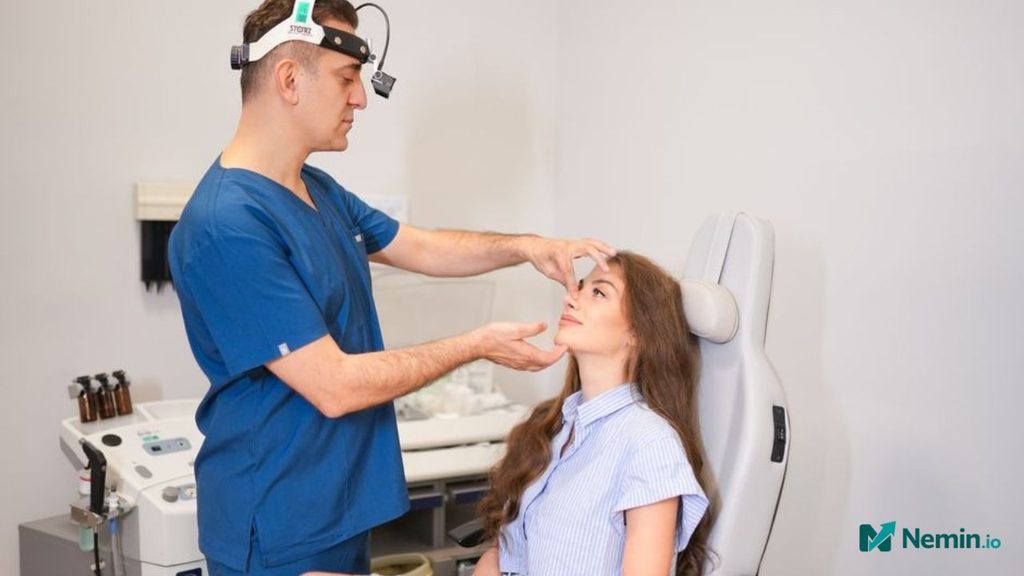
Two facial injuries that look similar externally can be very different beneath the skin. A deep cut may involve muscles or nerves, while swelling can obscure fractures around the nose, jaw, cheek, or eye socket. That is why specialist evaluation can matter after significant trauma.
If you’re seeking an experienced facial plastic surgeon Oklahoma City offers a number of options for patients who need an appropriate professional evaluation. Depending on the structures involved, care may also include oral and maxillofacial surgeons, ophthalmologists, dentists, otolaryngologists, or other specialists.
The first priority is identifying the full extent of the injury rather than immediately focusing on cosmetic improvement. Restoring stable structures and important functions creates the foundation for everything that follows.
Swelling Can Hide the Final Result
The face can swell dramatically after trauma or surgery, which makes the early appearance a poor predictor of the final outcome.
Bruising, discoloration, tenderness, and asymmetry may initially look alarming. Some changes gradually improve as inflammation settles and injured tissues recover.
Follow the treating clinician’s instructions regarding wound care, activity, medications, positioning, and other measures intended to support recovery. Avoid applying unapproved products or aggressively manipulating an injured area because of something recommended online.
It is also useful to take the long view.
Facial wounds continue remodeling well after the first few weeks. The American Academy of Facial Plastic and Reconstructive Surgery notes that the healing process can take at least a full year, particularly as scars and underlying tissues continue changing.
Early appearance is therefore only one frame in a much longer recovery.
Function Matters as Much as Appearance
A facial injury can affect systems people normally use without thinking.
Jaw trauma may change the bite or make chewing difficult. Nasal injuries can interfere with breathing. Trauma around the eye can affect vision or eye movement. Nerve injuries may cause weakness, altered sensation, or changes in facial expression.
Tell the medical team about functional changes rather than assuming they are simply part of swelling.
Difficulty breathing, vision changes, an abnormal bite, trouble opening the mouth, persistent numbness, facial weakness, or problems swallowing deserve appropriate professional assessment.
This is one reason complex facial trauma may require multidisciplinary care. Different specialists focus on different structures, but those structures ultimately need to work together.
A successful recovery is not merely a face that looks healed in photographs. It should aim, where possible, to restore comfortable everyday functions such as breathing, eating, speaking, seeing, and expressing emotion.
Nerves May Recover on a Different Timeline
Nerve symptoms can be particularly unsettling because they may not behave like bruises or cuts.
Facial trauma can affect nerves responsible for sensation or movement. Depending on the injury, someone might experience numbness, tingling, weakness, altered facial expression, or difficulty closing an eye completely.
These symptoms require professional evaluation because the cause and severity influence management.
Some nerve problems may improve as swelling resolves or nerves recover, while significant injuries can require specialized treatment. Facial nerve dysfunction, for example, can affect speech, eating, facial movement, and eye closure.
Do not assume that persistent weakness or numbness should simply be ignored until it disappears.
Document changes and discuss them during follow-up appointments. Recovery can require patience, but patience works best alongside appropriate monitoring rather than replacing it.
Scars Keep Changing After the Wound Closes
A closed wound is not a finished scar.
Scar tissue continues changing in color, texture, thickness, and flexibility over time. Early scars may appear red, raised, firm, or more noticeable than they will eventually become.
Follow professional wound and scar-care recommendations rather than experimenting with aggressive treatments too early.
Some scars improve substantially through normal maturation. Others may eventually benefit from treatments intended to address color, texture, thickness, or positioning. In selected cases, scar revision surgery may be considered after the tissues have had appropriate time to mature.
Timing matters because revising tissue that is still actively healing may not be appropriate.
Sun protection can also be an important part of scar care when recommended by the treating clinician.
The goal should be steady healing first. Decisions about additional scar treatment can then be made with a clearer understanding of what remains after maturation.
Eating Can Become Part of Rehabilitation
Facial trauma involving the jaw, mouth, or teeth can turn an ordinary meal into a practical challenge.
Treatment may temporarily affect chewing, mouth opening, or the types of food that can be eaten comfortably. Follow the dietary instructions provided by the surgical or dental team, particularly after fracture repair or procedures involving the mouth.
Nutrition still matters during recovery.
If chewing is restricted, patients may need to find softer ways to obtain adequate calories, protein, fluids, and other nutrients. Significant difficulty maintaining nutrition should be discussed with the healthcare team rather than handled through increasingly restrictive eating.
Dental injuries deserve attention as well.
A facial fracture and damaged teeth can occur together, and restoring the way the teeth meet may be an important part of repairing jaw injuries.
Recovery is easier when eating is treated as a functional concern rather than an inconvenience to tolerate.
Returning to Activity Should Be Deliberate
Feeling better does not necessarily mean injured facial structures have finished healing.
This distinction matters for people eager to return to work, exercise, contact sports, or physically demanding hobbies. Bones and soft tissues need time to recover, and another impact during healing can create additional problems.
Ask the treating clinician when specific activities can safely resume.
The answer may differ depending on whether the injury involved only soft tissue, a facial fracture, surgical fixation, the eye, the jaw, or other structures.
Athletes should be particularly cautious about returning to environments where another blow to the face is possible.
Protective equipment may become part of the eventual return-to-sport plan.
Gradual recovery can feel frustrating, especially when the rest of the body feels normal. But protecting a healing structure for several additional weeks may be far easier than recovering from a second injury.
Emotional Recovery Deserves Space Too
Facial trauma can be emotionally different from an injury hidden beneath clothing.
The face is central to recognition, expression, and social interaction. Temporary swelling, scars, asymmetry, or changes in movement can therefore affect confidence even while medical recovery is progressing normally.
People may also be dealing with memories of the accident itself.
Give emotional recovery the same legitimacy as physical recovery. Talk with trusted people, ask the medical team realistic questions about healing, and seek mental health support if anxiety, low mood, trauma symptoms, or distress about appearance begins interfering with everyday life.
It can also help to avoid judging progress from the mirror every few hours. Facial healing often occurs gradually enough that daily changes are difficult to notice.
Recovery from significant facial trauma is rarely one dramatic transformation. It is a series of smaller steps: swelling decreases, wounds close, bones stabilize, function improves, scars mature, and confidence begins to return.
Some injuries heal with limited intervention, while others require multiple stages of care. What matters is giving each stage the attention it deserves.
The goal is not simply to erase evidence that an injury happened. It is to restore function, support healing, address lasting concerns appropriately, and help the person feel comfortable moving forward again.