
The digital design industry continues to evolve as businesses, freelancers, and creative professionals search for reliable sources of inspiration and practical guidance. pushyourdesign.blog is a...
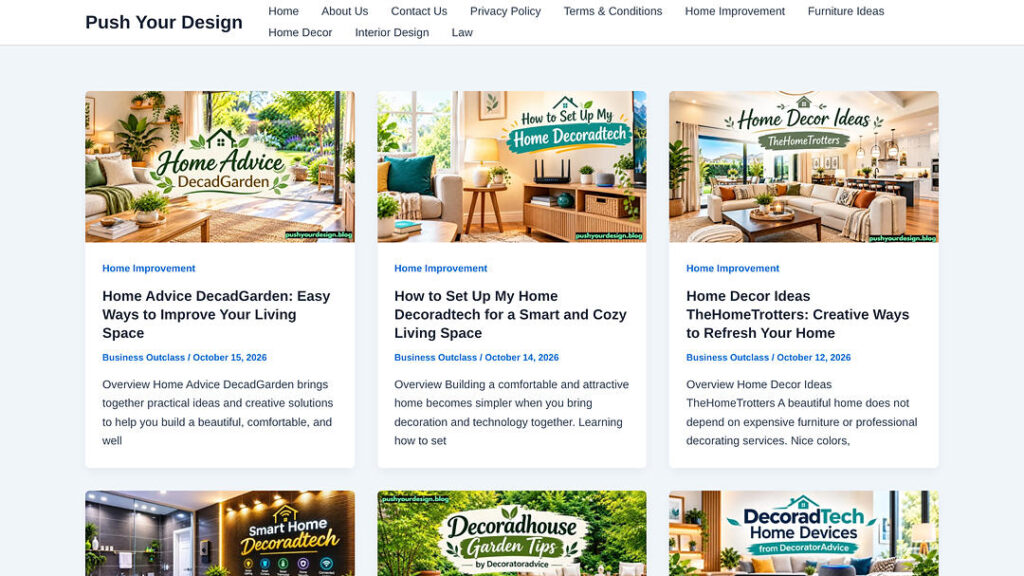
The digital design industry continues to evolve as businesses, freelancers, and creative professionals search for reliable sources of inspiration and practical guidance. pushyourdesign.blog is a domain worth examining in this context, particularly for readers interested in understanding the value, credibility, and potential usefulness of design-focused websites.
However, choosing a useful creative resource requires more than an attractive website name. This comprehensive review explores eight important considerations, including content relevance, user experience, design education, website transparency, online safety, and the characteristics that distinguish trustworthy creative platforms.
What Is Pushyourdesign.blog?
Pushyourdesign.blog is a website domain whose name suggests a connection to design, creativity, or digital publishing. The combination of “push your design” and the .blog extension creates an association with creative development, design inspiration, and educational content.
However, a domain name alone cannot establish what a website actually publishes or which services it provides. Without independently verified access to its current pages, its specific articles, ownership, editorial team, and operational status should not be presented as confirmed facts.
For this reason, the following review examines pushyourdesign.blog through the expectations that readers should apply to a design-oriented website. It also explains how to evaluate its usefulness before relying on its content or sharing personal information.
Understanding the Website’s Potential Audience
Pushyourdesign.blog is a name associated with design may appeal to graphic designers, UI and UX professionals, freelance creatives, marketing specialists, and business owners developing visual identities. These audiences often seek practical advice that helps them improve their projects or understand emerging creative practices.
Nevertheless, the site’s actual intended audience must be established through its published content. A blog focused on professional design tutorials serves different needs from a website publishing general inspiration, software recommendations, or promotional articles.
The distinction matters because visitors should evaluate resources according to their goals. Someone researching typography requires different information from an entrepreneur looking for branding strategies or a developer learning interface design.
Why Design-Focused Blogs Matter
Design blogs can play an important role in professional learning because creative tools, user expectations, and digital platforms change frequently. Educational articles help readers understand unfamiliar techniques and explore approaches beyond their existing workflows.
Furthermore, independent publishing platforms can offer perspectives that differ from official software documentation. When articles include practical examples and transparent explanations, readers can compare methods rather than simply following promotional recommendations.
However, the quality of design blogs varies considerably. Some provide detailed tutorials and credible references, while others prioritize search traffic over accuracy or practical usefulness.
1. Pushyourdesign.blog Content Quality and Relevance
Content quality is one of the most important considerations when evaluating any informational website. Readers should look for original explanations, clear examples, and information that genuinely addresses their questions.
For a design-related publication, useful content should ideally demonstrate techniques rather than merely describe trends. Practical examples allow readers to understand how creative principles influence real projects.
What Makes Design Content Valuable?
High-quality design writing combines conceptual understanding with practical application. For instance, an article about typography becomes more useful when it explains font hierarchy, readability, spacing, and how different typefaces influence visual communication.
Similarly, content about branding should explore how organizations maintain consistency across websites, advertisements, packaging, and social media. These details help readers translate general advice into specific decisions.
When assessing pushyourdesign.blog, visitors should therefore look beyond article titles. The actual depth of explanations, relevance of examples, and clarity of instructions provide stronger evidence of value.
Originality and Practical Examples
Original content contributes more than a rewritten summary of information already available elsewhere. In design education, originality may appear through custom illustrations, detailed workflows, meaningful comparisons, or lessons drawn from documented projects.
For example, a useful interface design tutorial might show how different navigation structures affect accessibility and user comprehension. Screenshots, annotated examples, and explanations of design choices can make complicated subjects easier to understand.
Conversely, articles that rely heavily on vague claims offer limited educational value. Readers should prefer resources that explain why a recommendation works and identify situations where an alternative may be more appropriate.
Accuracy and Content Updates
Design principles such as contrast, hierarchy, and alignment remain broadly useful over time. However, software interfaces, platform requirements, and technical recommendations can change significantly.
Consequently, publication dates and meaningful updates are especially important for articles discussing specific software versions or digital tools. Instructions that worked several years ago may no longer match current applications.
A credible design publication should distinguish timeless principles from version-dependent guidance. Readers evaluating pushyourdesign.blog can use this distinction to determine whether its information remains relevant.
2. Website Design and User Experience
A website associated with design naturally raises expectations about presentation and usability. However, visual attractiveness should not be confused with effective user experience.
Professional website design involves navigation, accessibility, information architecture, performance, and content readability. These characteristics determine how easily visitors can accomplish their goals.
Navigation and Information Architecture
A useful blog should make it easy to locate relevant information without requiring excessive searching. Clear categories, descriptive menus, and recognizable article titles help users understand the site’s structure.
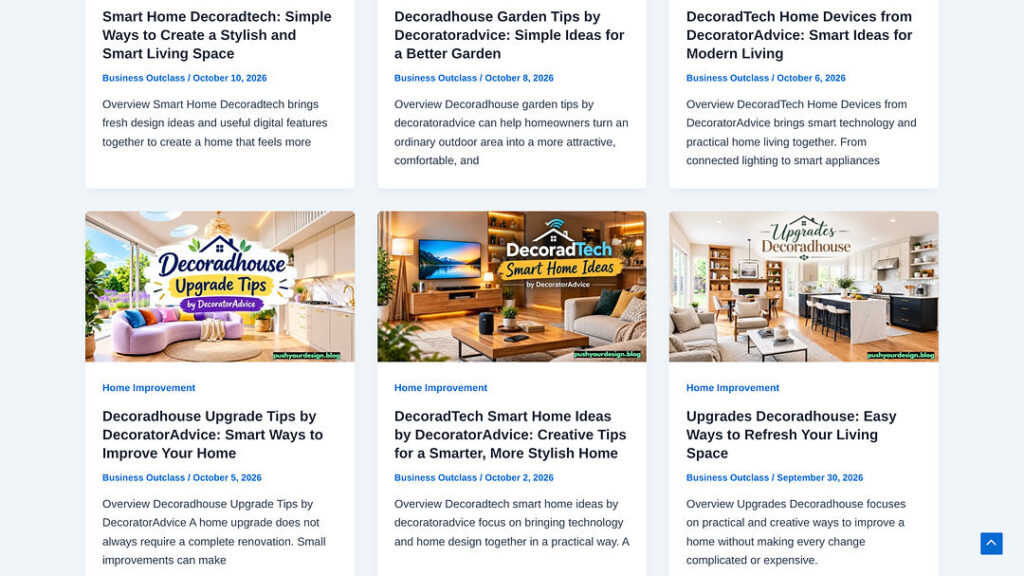
For example, a design publication might organize material around graphic design, branding, website development, creative tools, and professional skills. Such categories would make sense if they accurately reflected its content.
Visitors reviewing pushyourdesign.blog should check whether the navigation matches the subjects actually covered. Confusing categories or unrelated links may indicate weak editorial organization.
Readability and Visual Hierarchy
Readable content depends on more than choosing attractive fonts. Effective websites use appropriate text sizes, sufficient color contrast, descriptive headings, and comfortable spacing between content elements.
Furthermore, visual hierarchy helps readers identify important information quickly. Headings establish structure, while illustrations and examples can clarify ideas that would otherwise require lengthy explanations.
A design blog should ideally demonstrate these principles through its own interface. Nevertheless, a polished appearance alone does not verify the accuracy or independence of its articles.
Mobile Responsiveness
Mobile usability is particularly important because readers frequently access educational content through smartphones and tablets. A responsive design should adapt text, images, menus, and interactive components to different screen sizes.
Common problems include overlapping elements, oversized images, difficult navigation, and text that requires horizontal scrolling. These issues can make otherwise useful articles frustrating to read.
Testing pushyourdesign.blog on both desktop and mobile devices would provide a more complete assessment of its usability. Without that testing, specific claims about its responsiveness or loading performance would be speculative.
3. Design Inspiration and Creative Learning Opportunities
Design inspiration is valuable when it helps people develop new approaches rather than simply imitate existing work. Strong creative resources explain the reasoning behind visual decisions and encourage thoughtful experimentation.
A design-oriented website may support this process through tutorials, case studies, trend analysis, or examples of completed projects. Whether pushyourdesign.blog currently offers those resources requires direct verification.
Graphic Design Inspiration
Graphic design encompasses visual communication across digital and physical media. Common areas include typography, illustration, layout composition, advertising, packaging, and identity systems.
Educational material becomes particularly useful when it connects aesthetic choices to communication goals. For instance, an article comparing minimalist and expressive layouts should explain how each approach affects readability, brand personality, and audience perception.
Readers should also consider whether examples are properly attributed. Crediting designers and identifying project sources demonstrates respect for creative ownership while making further research easier.
Website and Interface Design
Website design combines visual communication with functionality. Effective interfaces help users understand where they are, what actions they can take, and what will happen next.
Resources covering these subjects should address accessibility, responsive layouts, navigation patterns, and interaction feedback. Additionally, discussions of interface design benefit from references to established usability principles.
Someone examining pushyourdesign.blog for website design guidance should therefore look for clear explanations supported by practical examples. Trend-focused inspiration can be useful, but it should not replace fundamental usability considerations.
Branding and Visual Identity
Brand identity extends beyond creating an attractive logo. It includes typography, color systems, visual consistency, messaging, and the way organizations communicate across different channels.
A strong branding article should explain how these elements work together. For example, consistent visual language helps audiences recognize a business across its website, social profiles, advertisements, and printed materials.
Moreover, effective branding guidance acknowledges that different organizations have different requirements. A startup developing its first visual identity faces challenges that differ from those of an established company refreshing an existing brand.
4. Pushyourdesign.blog Trustworthiness and Transparency
Trustworthiness is essential when readers depend on online information for professional decisions. A website can look sophisticated while providing little evidence about who produces its content.
For pushyourdesign.blog, ownership, editorial responsibility, and author credentials should be treated as unverified until supported by information on the website or reliable external records.
Author Information and Expertise
Author biographies help readers understand the experience behind published recommendations. For design-related content, relevant qualifications may include professional project experience, formal education, technical specialization, or a documented creative portfolio.
However, formal credentials are not the only indicator of expertise. Designers can demonstrate practical knowledge through well-explained case studies, reproducible tutorials, and thoughtful analysis of real-world problems.
Readers should examine whether an author can substantiate their claims. A generic biography without supporting details provides less evidence than a transparent explanation of relevant work.
About Page and Editorial Information
An informative About page can explain a publication’s purpose, intended audience, editorial approach, and organizational background. It may also identify the individuals or business responsible for operating the website.
These details support accountability because readers know who to contact when information requires clarification or correction. Additionally, clear editorial policies can distinguish independent recommendations from paid promotional material.
When evaluating pushyourdesign.blog, visitors should check whether such information exists and whether it is internally consistent. Its absence does not automatically establish misconduct, but it limits the evidence available for assessing credibility.
Advertising and Sponsored Content
Many digital publications use advertising, affiliate partnerships, or sponsored articles to finance operations. These arrangements are not inherently problematic when disclosed transparently.
Nevertheless, commercial relationships can influence recommendations. For example, an article promoting design software should clearly identify relevant affiliate links or sponsorships.
Readers should distinguish editorial analysis from advertising claims. This is especially important when articles recommend subscriptions, paid tools, or professional services.
5. Website Security, Privacy, and Online Safety
Website security deserves attention even when visitors only intend to read articles. Informational platforms may collect technical data, use analytics services, or display third-party advertisements.
However, there is no verified evidence in this review establishing the security configuration or privacy practices of pushyourdesign.blog. These details require inspection of the live website and its policies.
HTTPS and Secure Connections
HTTPS encrypts information transmitted between a browser and a website when properly configured. Visitors can usually identify an encrypted connection through their browser’s site information controls.
However, HTTPS does not prove that a website is legitimate, accurate, or free from deceptive content. Malicious websites can also use valid encryption certificates.
Therefore, visitors should consider connection security alongside other credibility indicators. A secure connection is important, but it represents only one component of online safety.
Privacy Policies and Data Collection
A privacy policy should explain what personal information a website collects, why it is collected, and how it may be shared or retained. Relevant information may include contact form submissions, newsletter subscriptions, analytics, and advertising technologies.
Furthermore, websites operating in or targeting certain jurisdictions may have additional legal responsibilities regarding personal data. The applicable requirements depend on the operator, users, and processing activities.
Before submitting information through pushyourdesign.blog, users should review any available privacy notice. If relevant explanations are missing, limiting unnecessary data sharing is a sensible precaution.
Downloads and External Resources
Creative websites sometimes link to fonts, templates, plugins, design assets, or downloadable software. These resources can be useful, but they also introduce security and licensing considerations.
Users should verify download sources, inspect file types, and avoid installing unfamiliar software without appropriate checks. Additionally, commercial use of fonts, images, or templates may require specific licenses.
A trustworthy resource should make licensing conditions and external destinations reasonably clear. Readers should not assume that every downloadable asset is free for unrestricted commercial use.
6. SEO Value and Digital Publishing Standards
Search engine optimization influences how online articles are structured and discovered. For a design publication, effective SEO should make useful content easier to find without sacrificing readability.
However, ranking visibility alone does not establish that information is accurate or professionally credible. Search performance and editorial quality are related considerations, not interchangeable measurements.
Search Intent and Topic Relevance
Search intent describes what a user hopes to accomplish through a query. Someone searching for logo inspiration has different needs from someone researching typography accessibility or comparing interface design software.
An effective article should recognize those differences and respond directly to the relevant question. Clear explanations, useful examples, and appropriate headings help readers determine whether the content meets their needs.
When reviewing pushyourdesign.blog, readers can examine whether article titles accurately represent their content. Misleading or exaggerated headlines may attract attention without delivering the information promised.
Semantic SEO and Topic Coverage
Semantic SEO involves presenting information within a meaningful topical context. Rather than repeating a single keyword excessively, strong articles naturally incorporate related concepts and explain how they connect.
For example, a comprehensive article about responsive website design might discuss breakpoints, flexible layouts, image optimization, accessibility, and mobile navigation. Each topic contributes to the reader’s understanding of the main subject.
This approach also supports AI-assisted information retrieval because well-organized explanations are easier to interpret. Nevertheless, the primary objective should remain useful communication rather than manipulating search visibility.
Content Structure and Accessibility
Logical heading structures make articles easier to navigate for both human readers and assistive technologies. Descriptive headings communicate subject matter without forcing visitors to read every paragraph.
Additionally, meaningful image descriptions can improve accessibility when visual content carries information. Captions, examples, and explanations help readers understand the purpose of illustrations.
A well-organized design website should apply these practices consistently. Such implementation would be a positive usability indicator, although it cannot be confirmed for pushyourdesign.blog without direct examination.
7. Potential Benefits and Limitations for Different Readers
The usefulness of any website depends partly on the visitor’s background, objectives, and expectations. A resource that benefits beginners may offer limited value to experienced professionals seeking specialized technical guidance.
For this reason, evaluating pushyourdesign.blog requires considering different reader groups rather than assuming a single universal audience.
Benefits for Beginner Designers
Beginners typically benefit from clear explanations of foundational principles. Subjects such as alignment, visual hierarchy, contrast, color relationships, and typography provide essential knowledge for early creative development.
A useful beginner-oriented publication should introduce these concepts progressively. Examples and exercises can help readers connect theory with everyday design decisions.
If pushyourdesign.blog publishes structured educational material, newcomers may find it useful. However, that potential benefit depends on the relevance, accuracy, and instructional quality of its actual content.
Value for Freelancers and Creative Agencies
Freelancers often need information that extends beyond visual technique. Client communication, project planning, portfolio development, pricing, and revision management can influence professional success.
Similarly, agencies may value resources covering collaboration, design systems, branding consistency, and efficient production workflows. Practical frameworks can help teams maintain quality across multiple projects.
A design blog that addresses these subjects with meaningful examples could support professional development. Readers should nevertheless distinguish general educational guidance from advice tailored to specific business or legal circumstances.
Considerations for Business Owners
Small business owners may visit design-related websites when planning logos, marketing materials, product packaging, or website improvements. Their priorities frequently include affordability, consistency, and communicating effectively with customers.
Consequently, accessible explanations can be more useful than highly technical discussions. Articles that clarify design terminology and explain decision-making processes may help business owners collaborate more effectively with professionals.
However, general content cannot replace a qualified designer’s assessment of every project. Complex branding and accessibility requirements may benefit from specialized professional input.
Possible Limitations
Several limitations prevent a definitive assessment of pushyourdesign.blog at present. Its current content library, update frequency, technical performance, editorial processes, and community engagement have not been independently verified here.
Therefore, readers should avoid assuming that the domain provides comprehensive tutorials, professional services, downloadable resources, or active community features. Each characteristic requires supporting evidence.
The absence of verified information also means that comparisons with established design publications should remain cautious. A fair assessment depends on observable content rather than assumptions based on a website’s name.
8. How to Evaluate Pushyourdesign.blog Before Relying on It
A practical evaluation should examine the website itself and compare its information with reputable external resources. This process helps readers identify strengths, weaknesses, and potential warning signs.
The following checks are useful for design-related publications and can also be applied to broader educational websites.
Check the Homepage and Main Categories
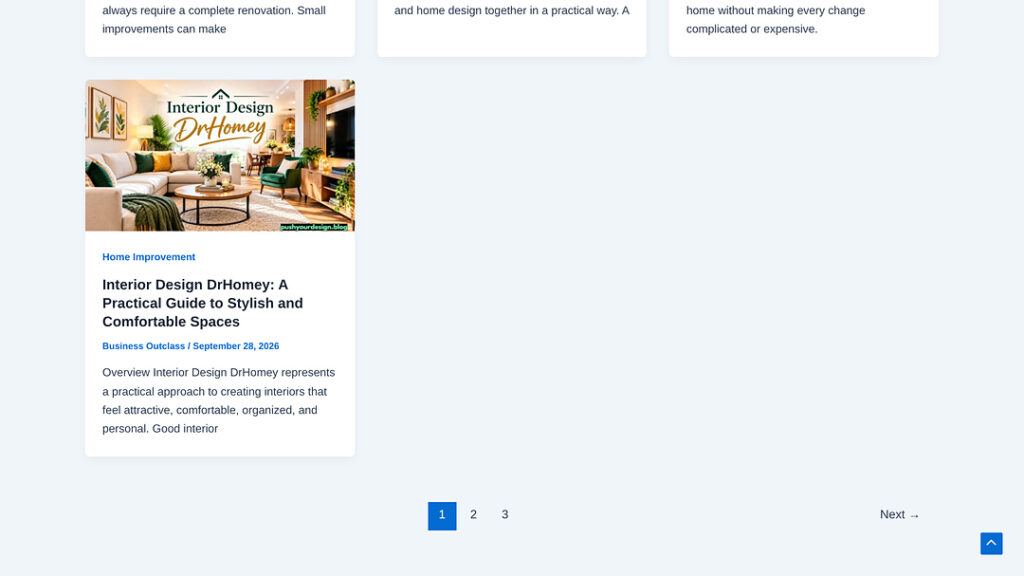
Begin by identifying what the homepage communicates about the website’s purpose. Look for clear descriptions, relevant categories, and recently published material.
Next, examine whether the article collection demonstrates a consistent editorial direction. A focused design publication should make its subject areas understandable without requiring visitors to guess what the site offers.
Also consider whether navigation links lead to meaningful destinations. Broken links and confusing category structures can reduce usability, although occasional technical issues do not necessarily indicate an unreliable operation.
Review Several Articles
One article rarely provides enough evidence to judge an entire publication. Instead, examine multiple pieces covering different subjects and publication dates.
Compare their depth, accuracy, formatting, and use of examples. Articles that explain decisions and acknowledge limitations generally offer greater educational value than content built around unsupported superlatives.
Additionally, check whether technical recommendations remain current. Outdated instructions can cause problems when readers apply them to newer software or platforms.
Verify Important Information
Important claims should be checked against authoritative references. For software instructions, official product documentation is often a useful starting point.
For website accessibility, resources from the World Wide Web Consortium can provide established guidance. Similarly, recognized professional publications may help readers compare design principles and technical practices.
This verification process is particularly valuable when an article influences purchasing decisions, client deliverables, or accessibility requirements.
Examine Contact and Policy Information
Accessible contact information supports accountability. Readers should be able to identify an appropriate channel for asking questions, reporting errors, or requesting clarification.
Furthermore, privacy notices and advertising disclosures can explain how the website operates. Their clarity helps users make informed decisions about interactions involving personal information or commercial recommendations.
A contact form alone does not verify organizational legitimacy. Nevertheless, consistent communication details contribute useful context when combined with other evidence.
Pushyourdesign.blog Compared With Established Design Resources
Established design resources provide useful benchmarks because their content formats and subject areas are relatively well understood. However, these comparisons do not establish that pushyourdesign.blog currently offers equivalent features.
Adobe Creative Cloud Learning Resources
Adobe provides official learning materials for products within its creative software ecosystem. These resources are particularly relevant when users need application-specific instructions or explanations of particular tools.
Independent design blogs can complement official documentation by exploring broader creative approaches and workflows. However, official documentation is generally the stronger reference for precise product functionality.
Nielsen Norman Group
Nielsen Norman Group publishes research and guidance concerning user experience and usability. Its material is especially relevant to professionals studying interface behavior, information architecture, and research-informed design decisions.
A general creative blog may appeal to readers seeking visual inspiration rather than detailed usability research. The better choice depends on the specific question being investigated.
Awwwards and Design Inspiration Platforms
Awwwards showcases website design work and provides opportunities to explore contemporary visual approaches. Inspiration platforms can expose designers to creative treatments they may not encounter through conventional tutorials.
However, visually impressive examples do not automatically represent the most accessible or appropriate solutions. Designers should evaluate whether an idea serves the goals and constraints of their own projects.
For pushyourdesign.blog, its relationship to these resources cannot be assessed fairly until its content focus and features are confirmed.
Guest Posting and Collaboration Opportunities
Design-related publications can attract interest from freelancers, agencies, and marketers seeking editorial collaborations. Guest contributions may introduce specialized expertise, practical case studies, or alternative professional perspectives.
However, there is no verified information here confirming that pushyourdesign.blog accepts guest posts, sponsored articles, advertising placements, or contributor applications.
What to Check Before Submitting Content
Anyone interested in contributing should first look for an official Write for Us, Contributors, or Editorial Guidelines page. Such information may explain accepted topics, article requirements, disclosure policies, and submission procedures.
If no guidelines are available, a professional inquiry through a verified contact channel may be appropriate. Contributors should avoid assuming that an email address or third-party listing represents an authorized editorial contact.
Additionally, authors should clarify ownership, publication rights, compensation, and promotional restrictions before providing original material. These details can prevent misunderstandings after submission.
Evaluating SEO Guest Posting Opportunities
Guest posting can be valuable when it contributes genuinely useful information to a relevant audience. Articles based on practical experience, documented examples, and original analysis are more likely to serve readers.
However, publishing content primarily to manipulate search rankings can create problems. Google’s spam policies address manipulative link practices, including arrangements that attempt to pass ranking credit through paid links without appropriate qualification.
Consequently, contributors should prioritize editorial relevance and transparent relationships. The quality of the publication and its audience matters more than unsupported claims about SEO metrics.
Advantages and Disadvantages of Exploring Pushyourdesign.blog
A balanced review should distinguish potential value from confirmed website characteristics. Since the live content and operational details have not been independently examined, the following points describe practical reasons to investigate the domain and limitations affecting this assessment.
Potential Advantages
- The domain name clearly suggests a creative or design-related identity.
- A specialized design publication could be relevant to students, freelancers, and creative professionals.
- Educational design articles can support skill development when they include reliable explanations.
- Independent creative publications may offer perspectives beyond official software documentation.
- A dedicated blog format can make tutorials, case studies, and industry commentary accessible.
These are potential strengths associated with the website’s apparent positioning, not confirmed features or benefits of its current operation.
Important Limitations
- The website’s current content and functionality have not been independently verified.
- Ownership, author credentials, and editorial policies remain unconfirmed.
- No reliable firsthand assessment of navigation or mobile performance is available.
- Security configuration and privacy practices require direct inspection.
- Guest posting, advertising, and collaboration opportunities are unverified.
- There is insufficient evidence to assign a trustworthy numerical rating.
These limitations do not establish that pushyourdesign.blog is unsafe or low quality. Instead, they define what cannot responsibly be concluded without further evidence.
Is Pushyourdesign.blog Legitimate and Safe?
There is not enough independently verified information in this review to make a definitive judgment about the legitimacy or safety of pushyourdesign.blog. Its domain name suggests a design-related online publication, but a recognizable name does not confirm ownership, content quality, or operational practices.
A meaningful legitimacy assessment would require examining the live website, its organizational information, contact details, privacy documentation, and relevant external references. Security assessment would also benefit from checking the connection, redirects, and any downloads or payment-related features.
Visitors who only want to read publicly available articles generally face different risks from users submitting personal information or making purchases. Therefore, the level of verification should reflect the intended interaction.
For example, reading an article requires relatively little disclosure. By contrast, paying for a service, installing a plugin, or providing financial details warrants substantially greater caution.
Who Should Consider Visiting Pushyourdesign.blog?
The website may be worth investigating for people searching for design-related information, provided its current content matches their interests. Readers should first establish what the platform actually publishes.
Graphic design students may benefit from introductory tutorials if they are available. Meanwhile, working professionals may be more interested in detailed case studies, technical guidance, or emerging creative practices.
Business owners could also find relevant material if the publication addresses branding and visual communication. However, there is no basis for guaranteeing that any of these topics currently appear on the website.
Ultimately, the decision should depend on observable evidence. Relevant content, transparent authorship, usable navigation, and sound information practices are more meaningful than a domain name alone.
How Design Blogs Can Build Long-Term Credibility
Digital publications develop credibility through consistent editorial standards rather than isolated design choices. Clear attribution, accurate explanations, and corrections demonstrate a willingness to prioritize readers’ needs.
Furthermore, original examples and documented expertise help distinguish substantive educational material from generic summaries. These qualities are especially important in creative industries where professional techniques evolve rapidly.
A design publication can also improve usability by maintaining accessible layouts, descriptive headings, appropriate image alternatives, and transparent advertising disclosures. Such practices benefit visitors regardless of their technical background.
For pushyourdesign.blog, these principles provide a useful framework for future evaluation. Whether the website currently implements them remains an open question requiring direct verification.
Overall Assessment of Pushyourdesign.blog
Pushyourdesign.blog has a domain name that suggests relevance to design and creative publishing. That association may attract visitors researching graphic design, digital creativity, branding, or related professional subjects.
Nevertheless, an accurate review cannot convert those possibilities into verified facts. Without examining the active website, it would be misleading to claim that particular tutorials, tools, services, or community features are available.
The most useful approach is to judge the platform against clear standards: relevance, content depth, author transparency, usability, security, and editorial independence. Readers can then decide whether its published material meets their needs.
At present, pushyourdesign.blog should be considered an unverified website rather than a confirmed recommendation or a proven risk. A definitive rating would require additional evidence.
FAQ’s
1. What is pushyourdesign.blog?
Pushyourdesign.blog is a domain whose name suggests design-related publishing. Its current content, features, and ownership have not been independently verified in this review.
2. Is pushyourdesign.blog a legitimate website?
Its legitimacy cannot be conclusively established from the available information. Visitors should check its ownership details, contact information, policies, and actual website content.
3. Is pushyourdesign.blog safe to use?
Its security practices have not been independently tested here. Check the website’s HTTPS connection, privacy policy, and external links before sharing information or downloading files.
4. Does pushyourdesign.blog provide graphic design tutorials?
The domain name suggests a connection to design, but the availability of graphic design tutorials has not been confirmed. Review its current articles to determine the subjects covered.
5. Does pushyourdesign.blog accept guest posts?
Guest posting opportunities have not been verified. Check for official contributor guidelines or contact information before proposing an article.
6. Is pushyourdesign.blog useful for designers and beginners?
Its usefulness depends on the quality and relevance of its actual content. Beginners and professionals should assess article accuracy, practical examples, and author expertise before relying on it.
Conclusion
Pushyourdesign.blog is a domain that suggests an interest in design and creative publishing, but its current offerings and credibility require further verification. The eight considerations in this review provide a practical framework for examining its content, usability, transparency, security, and potential educational value.
For anyone exploring design resources, the best approach is to prioritize accurate information, clear authorship, practical guidance, and safe browsing practices. Applying these standards will help determine whether pushyourdesign.blog deserves a place among your regular creative resources.