
Glass extensions can create bright, attractive living spaces, but extensive glazing also presents a familiar challenge: unwanted solar heat gain. During sunny periods, conservatories, glazed...
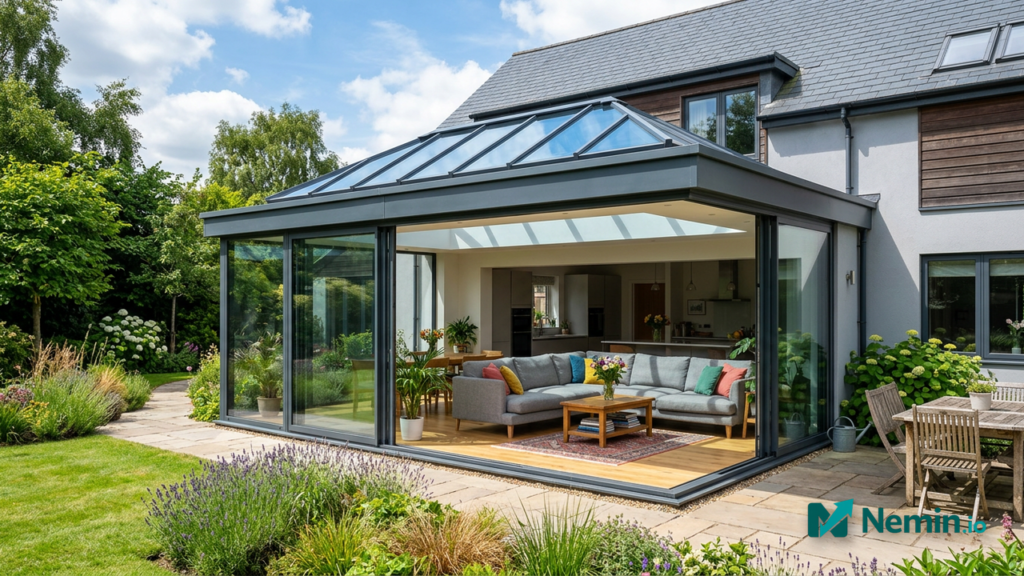
Glass extensions can create bright, attractive living spaces, but extensive glazing also presents a familiar challenge: unwanted solar heat gain. During sunny periods, conservatories, glazed kitchens, garden rooms, and glass-roof extensions may become noticeably warmer than adjoining rooms, while intense sunlight can produce uncomfortable glare and contribute to fading of furnishings. solar reflective window film is one retrofit option designed to address these problems by altering how solar energy interacts with existing glazing.
Depending on the film and glass specification, it can reject a portion of incoming solar energy, reduce glare, filter ultraviolet radiation, and make heavily glazed rooms easier to use during bright weather. Its effectiveness, however, depends on selecting a compatible product, installing it correctly, and maintaining realistic expectations about what window film can achieve throughout the year.
What Is Solar Reflective Window Film?
Solar reflective window film is a thin, engineered layer applied to compatible glass surfaces to modify solar transmission. Depending on the product, films may incorporate metals, ceramics, dyes, or other technologies designed to control portions of incoming sunlight.
Solar energy reaching a window can be transmitted through the glass, reflected away, or absorbed by the glazing and film system. Solar-control films modify this balance.
Reflective products often create a more mirrored exterior appearance during daylight, although visual characteristics vary considerably. Some modern solar-control films are designed to maintain a more neutral appearance while still reducing solar heat gain.
For homeowners, this means film selection involves balancing heat control, visible light, aesthetics, privacy preferences, and glass compatibility.
Why Glass Extensions Become So Hot
Large areas of glazing allow substantial sunlight into a room. When solar radiation enters through glass and is absorbed by floors, walls, furniture, and other surfaces, those materials warm and release heat into the interior.
The effect can be particularly noticeable in extensions with extensive south- or west-facing glazing, large rooflights, limited external shading, or inadequate ventilation.
Solar Reflective Window Film and Solar Heat Gain
Solar reflective window film can reduce the amount of solar energy ultimately transmitted into a room by changing the glazing system’s solar properties.
The relevant performance measure is not simply how “dark” or mirrored the film looks. Specifications such as total solar energy rejected, solar heat gain coefficient (SHGC) or g-value, visible light transmission, and reflectance provide more useful information.
Product specifications and measurement conventions vary, so homeowners should compare films using manufacturer data applicable to the complete glass-and-film configuration.
1. Reduces Unwanted Solar Heat Gain
The primary reason for installing solar-control film in a glass extension is usually thermal comfort.
By limiting part of the sun’s energy entering through glazing, an appropriate film may help reduce solar-driven temperature increases during bright conditions. This can make a conservatory or extension more comfortable without physically replacing every pane.
The size of the improvement depends on several factors, including:
- Glazing orientation
- Glass specification
- Window-to-wall ratio
- Roof glazing
- Film performance
- External temperature
- Ventilation
- Building insulation
- Internal heat sources
- Shading from nearby structures or vegetation
Window film should therefore not be expected to produce the same outcome in every property.
2. Solar Reflective Window Film Can Reduce Glare
Solar Reflective Window Film for Glare Control
Heat is not the only problem associated with highly glazed rooms. Direct sunlight can make television screens, laptops, tablets, and other displays difficult to view.
A film with lower visible light transmission can reduce uncomfortable brightness and glare.
This can be particularly useful when a glass extension functions as a home office, media room, dining area, or everyday family space.
There is a trade-off, however. Stronger glare reduction can also make the room darker. Choosing an appropriate visible light transmission level is therefore important if preserving daylight is a priority.
3. Helps Protect Interiors From UV Exposure
Sunlight can contribute to the fading and degradation of furniture, flooring, artwork, fabrics, and other interior materials.
Many architectural window films are designed to block a high proportion of ultraviolet radiation. The precise performance should be verified on the specific product’s technical data sheet rather than assumed.
UV filtering does not completely prevent fading. Visible light, heat, material chemistry, humidity, and other environmental conditions can also cause deterioration.
Window film is therefore one component of an interior-protection strategy rather than a guarantee against fading.
4. Can Make Existing Glazing More Practical
Replacing a large amount of glass can be expensive and disruptive. Window film offers a retrofit approach because it modifies appropriate existing glazing rather than requiring complete window replacement.
Installation can often be completed with comparatively limited disruption, depending on the size and complexity of the extension.
This can make film attractive where the windows themselves remain serviceable but solar performance is inadequate.
However, compatibility must be checked first. Different glazing types respond differently to absorbed heat, and the wrong film or application method can create thermal stress concerns.
5. May Reduce Cooling Demand in Some Homes
Reducing solar heat gain may decrease the need for mechanical cooling during hot, sunny periods.
If an extension relies heavily on air conditioning, this can potentially reduce cooling energy consumption. Actual energy savings depend on the building, weather, equipment efficiency, occupancy patterns, glazing, and film specification.
Homeowners should be cautious of generic claims that a particular percentage of energy or money will automatically be saved.
A professional building-energy assessment can provide a more property-specific estimate where energy savings are a primary objective.
6. Offers Different Aesthetic and Privacy Options
Traditional reflective films are known for their mirror-like appearance. This can suit some modern extensions but may not complement every architectural style.
Today, solar-control products are available in a range of appearances, including reflective, tinted, and comparatively neutral finishes.
Does Solar Reflective Window Film Provide Privacy?
Reflective film can increase daytime privacy when the exterior is brighter than the interior. People outside may see more reflection and less of the room behind the glass.
This effect is lighting-dependent.
At night, when interior lights are on and the exterior is dark, daytime reflective privacy generally cannot be relied upon. Curtains, blinds, or other window treatments remain more dependable for nighttime privacy.
7. Supports a More Comfortable Year-Round Design
Reducing excessive summer heat can make a glass extension more usable across the calendar. But “year-round comfort” requires more than solar control.
Winter performance depends heavily on insulation, airtightness, glass U-value, roof construction, heating, draughts, and ventilation. A solar-reflective film primarily intended to reduce solar gain cannot by itself solve poor winter insulation.
Some window films incorporate low-emissivity characteristics intended to influence heat transfer, but performance varies by product. Homeowners interested in both summer and winter energy performance should compare complete technical specifications rather than assuming every reflective film provides equivalent insulation benefits.
Interior vs. Exterior Solar Reflective Window Film
Films can be designed for installation on either the internal or external glass surface.
Interior films benefit from protection against outdoor weather, while exterior films can sometimes be more appropriate for particular modern glazing systems or solar-control objectives.
The correct installation side depends on the film, glazing construction, coatings, pane configuration, and manufacturer’s compatibility requirements.
This is particularly important with double or triple glazing, laminated glass, tinted glass, and low-emissivity coatings.
A reputable installer should identify the existing glass before recommending a product.
Solar Reflective Window Film vs. Blinds and External Shading
Window film is not the only way to address an overheating extension.
Internal blinds can control brightness and provide privacy, but solar radiation has already passed through the glass before reaching an internal blind. External shading—such as awnings, shutters, brise-soleil, or appropriately designed overhangs—can be highly effective because it intercepts direct solar radiation before it enters the glazing system.
Window film has different advantages. It is relatively unobtrusive, does not require occupants to open and close it throughout the day, and can maintain outward views.
Many successful designs combine measures. Film, ventilation, blinds, external shading, and appropriate glazing can work together depending on the building.
How to Choose Solar Reflective Window Film
Choosing Solar Reflective Window Film for an Extension
Start with the glazing rather than choosing a film purely by appearance.
Identify whether the extension uses single, double, triple, laminated, toughened, tinted, or low-E glazing. If this information is unavailable, a specialist may be able to assess the glass.
Then compare technical characteristics including:
- Solar heat gain performance
- Total solar energy rejection
- Visible light transmission
- Visible reflectance
- UV transmission
- Film construction
- Interior or exterior application
- Glazing compatibility
- Product warranty
Also consider how the film will change the appearance of the property from both inside and outside.
Requesting samples can be useful because photographs do not always represent reflectivity and tint accurately.
Professional Installation vs. DIY Application
Small, straightforward panes can sometimes be suitable for consumer film products, assuming the film manufacturer approves the glass type and installation method.
Large glass extensions present more challenges. Roof glazing, high panes, unusual shapes, large uninterrupted windows, and coated insulated-glass units can make professional installation preferable.
Experienced installers can also reduce common appearance problems such as contamination, creases, misalignment, and poor edge finishing.
Most importantly, they should be able to recommend products compatible with the glazing system and explain warranty conditions.
Important Limitations to Understand
Window film is effective within specific boundaries.
It cannot correct inadequate insulation in walls or roofs, replace ventilation, solve excessive internal humidity, or guarantee a fixed room temperature. It also cannot create cooling when outdoor and indoor conditions are already hot; it primarily reduces a source of additional heat gain.
Film appearance may also differ by time of day and viewing angle. Reflective finishes can affect the exterior aesthetic of a home, something worth considering before covering an entire extension.
For protected or architecturally sensitive properties, homeowners may also need to check whether appearance-related restrictions apply locally.
Maintaining Film After Installation
Quality architectural films generally require modest maintenance, but users should follow the manufacturer’s cleaning instructions.
Newly installed films may require curing time, during which a slightly hazy appearance or small moisture pockets can sometimes be visible. The expected curing process varies by film and environmental conditions.
After curing, suitable soft cloths and non-abrasive cleaning products are typically recommended. Abrasive tools can damage the film surface.
The product warranty should explain expected service conditions, coverage, and maintenance requirements.
Frequently Asked Questions
1. Does solar reflective window film really reduce heat?
It can reduce solar heat gain through compatible glazing. The actual improvement depends on the film specification, glass type, orientation, weather, shading, and building design.
2. Will solar reflective window film make my extension dark?
Some films reduce visible light more than others. Selecting an appropriate visible light transmission level can balance glare and heat control with natural daylight.
3. Can solar reflective window film be installed on double glazing?
Certain films can be used with certain double-glazed units, but compatibility must be verified because unsuitable film can increase thermal stress on glass.
4. Does reflective window film provide privacy at night?
Generally not reliably. Reflective privacy depends on relative lighting, so brightly illuminated interiors may remain visible from a darker exterior at night.
5. Does window film stop furniture from fading?
Many films significantly reduce UV transmission, which can help limit one cause of fading. Heat, visible light, and other factors can still affect furnishings.
6. How long does solar window film last?
Service life varies with film type, installation surface, exposure, climate, workmanship, and manufacturer. Check the specific product’s warranty and technical documentation.
Conclusion
A heavily glazed extension does not necessarily have to remain an uncomfortably hot room whenever the sun appears. Correctly specified solar reflective window film can reduce unwanted solar heat gain, manage glare, filter UV radiation, and make existing glazing more practical without the disruption of replacing every pane. The best results depend on matching the film to the actual glazing system and balancing solar performance with daylight, appearance, privacy, and warranty considerations. Film is also only one part of year-round comfort: insulation, ventilation, heating, glazing performance, and shading remain important. For large or technically complex glass extensions, a professional glazing or window-film assessment can help identify a compatible product and set realistic expectations for the improvement it can deliver.