
A person's attitude can influence how they approach challenges, communicate with others, and respond to everyday experiences. Positive thinking, emotional awareness, confidence, and personal development...
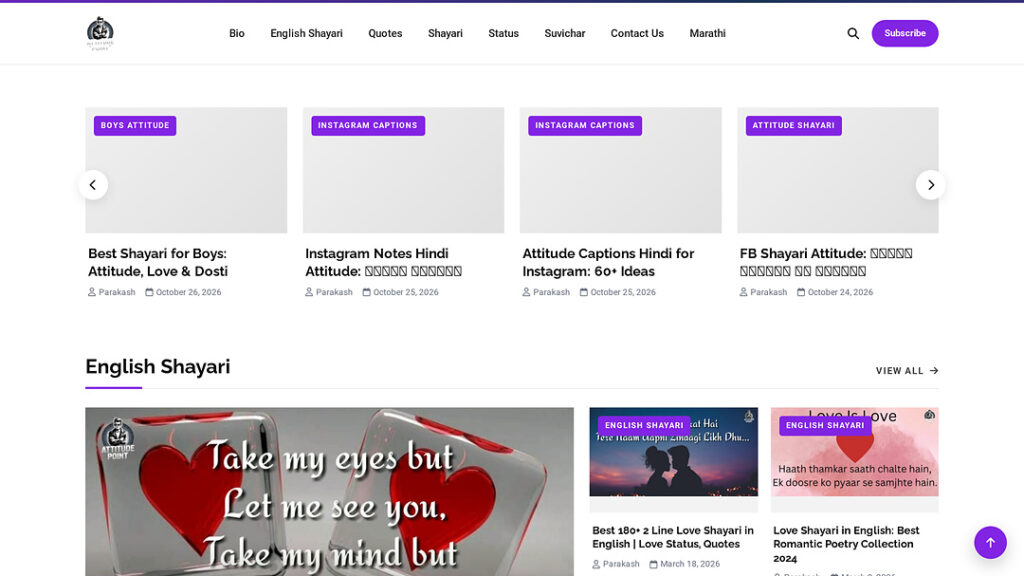
A person’s attitude can influence how they approach challenges, communicate with others, and respond to everyday experiences. Positive thinking, emotional awareness, confidence, and personal development are widely discussed because they affect decisions in education, relationships, and professional life. attitudepoint.com is a domain whose name may attract readers interested in attitude quotes, motivational ideas, mindset improvement, and inspirational digital content.
This guide shares nine practical approaches to confidence, emotional resilience, and constructive thinking. It also explains how to assess self-improvement advice, compare established personal development resources, and use motivational content responsibly.
What Is Attitudepoint.com?
attitudepoint.com is a website domain whose name combines “attitude” and “point,” suggesting a possible association with personal expression, perspectives, motivational messages, or mindset-related content.
However, a domain name does not independently establish the website’s current articles, ownership, services, or editorial focus. Without examining its live pages, it would be inaccurate to classify attitudepoint.com as a verified motivational magazine, attitude quotes platform, social media caption website, or professional coaching service.
The domain nevertheless provides a useful starting point for discussing subjects associated with attitude and personal growth.
These include self-confidence, communication, emotional regulation, motivation, healthy habits, and the influence of personal perspectives on behavior.
Readers researching attitudepoint.com should assess its actual content for accuracy, relevance, originality, and responsible treatment of psychological subjects.
Why Attitude and Motivation Content Attracts Readers
People often search for motivational content when preparing for challenges, reflecting on personal goals, or looking for words that express their feelings.
Short quotes and captions are particularly popular because they can communicate ideas quickly through social media profiles, messages, and visual posts.
Longer articles may provide guidance about confidence, discipline, relationships, and professional development.
For attitudepoint.com to offer meaningful value, its content would need to go beyond appealing phrases and provide appropriate context where readers seek practical advice.
Understanding the Meaning of Attitude
Attitude refers broadly to a person’s evaluation, feelings, or orientation toward an object, situation, person, or idea.
In psychology, attitudes are often understood through interconnected cognitive, emotional, and behavioral components.
For example, someone may believe that learning a new skill is valuable, feel enthusiastic about studying it, and choose to practice regularly.
However, attitudes do not determine behavior in every situation. Circumstances, habits, resources, social influences, and personal capabilities also matter.
Positive Attitude Versus Unrealistic Optimism
A positive attitude can involve approaching challenges with openness, hope, and a willingness to act.
It does not require denying difficult emotions or pretending that serious problems are insignificant.
Realistic optimism recognizes uncertainty while identifying constructive responses.
For readers exploring attitudepoint.com, this distinction is important because motivational statements sometimes oversimplify complex experiences.
Attitude and Personality
Attitude and personality are related but different concepts.
Personality refers to relatively enduring patterns of thinking, feeling, and behavior.
Attitudes are evaluations that may change with experience, information, or circumstances.
A person can have a generally reserved personality while maintaining an optimistic attitude toward a particular goal.
Understanding these differences helps avoid treating confidence or motivation as fixed personality traits.
9 Powerful Mindset Insights for Attitudepoint.com Readers
The following nine insights explore practical aspects of attitude, motivation, confidence, and personal development. They are general educational guidance rather than confirmed features or services available on attitudepoint.com.
1. Build Confidence Through Realistic Self-Belief
Confidence involves trusting one’s ability to handle particular situations or tasks.
It does not mean believing that success is guaranteed.
Healthy confidence develops through preparation, experience, feedback, and recognition of both strengths and limitations.
Confidence and Competence
Confidence becomes more reliable when supported by relevant skills.
For example, someone preparing for a presentation may feel more confident after researching the topic, organizing slides, and practicing delivery.
Simply repeating encouraging phrases may provide temporary motivation, but preparation offers a more practical foundation.
Readers using attitudepoint.com for confidence-related inspiration should combine encouraging messages with meaningful action.
Recognize Personal Strengths
Identifying strengths can help people understand where they perform effectively.
These strengths may include communication, organization, creativity, problem-solving, or persistence.
However, strengths should be considered alongside areas requiring development.
An accurate self-assessment is generally more useful than unrealistic claims of exceptional ability.
Learn From Achievements
Reflecting on completed tasks can provide evidence of progress.
A student might remember improving examination performance through consistent study.
An employee may recognize that practicing a difficult skill helped them complete a project.
These experiences demonstrate that confidence can grow through learning.
Avoid Comparing Every Achievement
Constant comparison with others can distort perceptions of progress.
People have different circumstances, responsibilities, opportunities, and starting points.
Comparing present abilities with previous performance may provide more useful feedback.
Motivational content on attitudepoint.com would be more constructive if it encouraged realistic improvement rather than competition for social approval.
2. Develop a Growth-Oriented Mindset
A growth mindset refers to the belief that abilities can develop through learning, strategies, support, and effort.
The concept is associated with psychologist Carol Dweck’s research on beliefs about intelligence and ability.
However, growth mindset should not be reduced to the idea that effort alone guarantees success.
Resources, opportunities, teaching quality, and other circumstances also affect outcomes.
Understand the Value of Learning
Developing a new skill often involves mistakes and periods of slow progress.
These experiences can provide useful feedback.
For example, learning a foreign language requires repeated exposure, practice, and correction.
Difficulty does not automatically mean a person lacks potential.
Readers exploring attitudepoint.com may find mindset-related content more useful when it includes practical learning strategies.
Replace Vague Goals With Actionable Plans
A goal such as “become successful” provides little guidance.
A more actionable goal identifies a specific outcome and a realistic process.
For example, “complete two relevant training modules this month” describes an activity that can be tracked.
Clear planning helps translate motivation into behavior.
Evaluate Mistakes Constructively
Mistakes can reveal missing knowledge, unsuitable strategies, or overlooked details.
However, not every failure offers an obvious lesson, and some setbacks arise from circumstances outside personal control.
Constructive reflection focuses on what can reasonably be changed.
This approach supports learning without encouraging unnecessary self-criticism.
Seek Useful Feedback
Feedback can help people recognize problems they might otherwise overlook.
Effective feedback is specific and relevant to the task.
For example, a writing instructor who explains how to improve paragraph structure offers more useful guidance than someone who simply says the work is poor.
People should also evaluate feedback critically because not every opinion is accurate or constructive.
3. Use Motivational Quotes as Prompts for Action
Motivational quotes are popular because they express familiar ideas in memorable language.
They may encourage reflection, provide emotional support, or help people communicate personal values.
However, a quote alone rarely produces lasting behavioral change.
Its practical value depends on how the reader interprets and applies the message.
Why Short Quotes Are Popular
Short statements are easy to remember and share.
Social media platforms such as Instagram, Facebook, Pinterest, and WhatsApp provide convenient channels for distributing captions and visual messages.
A meaningful quote can summarize an idea about patience, confidence, friendship, or determination.
Readers researching attitudepoint.com may be interested in this form of motivational expression.
Attitude Quotes for Social Media
Attitude-related captions can express independence, confidence, humor, or personal style.
However, language that appears confident in one context may seem dismissive or aggressive in another.
For professional accounts, a respectful and authentic tone is usually more suitable than unnecessary confrontation.
Personal social media profiles allow greater stylistic flexibility, but users should still consider how their words may affect others.
Verify Quote Attribution
Motivational statements are frequently attributed to famous individuals without reliable evidence.
A popular quotation may be misquoted, paraphrased, or assigned to someone who never said it.
Before presenting a quote as the words of a historical figure, readers should check reputable sources.
If attitudepoint.com publishes attributed quotations, accurate sourcing would strengthen its editorial credibility.
Turn Inspiration Into Practice
A quote about consistency becomes more useful when it inspires a realistic routine.
For example, someone motivated by a message about learning might schedule regular study sessions.
The quote serves as a reminder, while the repeated activity creates progress.
This distinction helps readers use motivational content constructively.
4. Improve Emotional Awareness and Self-Regulation
Emotional awareness involves recognizing feelings and understanding how they influence thoughts and behavior.
Self-regulation concerns managing responses in ways appropriate to the situation.
These abilities can support communication, decision-making, and relationships.
However, emotional regulation does not mean suppressing every uncomfortable feeling.
Recognize Emotional Triggers
Certain situations may repeatedly produce frustration, anxiety, disappointment, or excitement.
Identifying patterns can help people understand their reactions.
For example, someone may become irritated when plans change unexpectedly.
Recognizing that response may create opportunities to prepare alternatives or communicate needs more clearly.
Separate Feelings From Actions
Emotions can influence behavior, but they do not require one particular response.
A person may feel angry without choosing to insult someone.
Likewise, feeling nervous does not necessarily prevent participation in a difficult conversation.
Developing this distinction can improve interpersonal decisions.
Practice Reflective Responses
When emotions are intense, it can be useful to identify the immediate problem and consider available responses.
Writing down concerns, seeking additional information, or discussing the situation with someone trustworthy may support clearer thinking.
Different techniques work for different people and circumstances.
Readers should be cautious about motivational advice claiming that one method resolves every emotional difficulty.
Understand When Professional Support Matters
Persistent emotional distress, significant anxiety, or other mental health concerns may require qualified professional support.
Motivational articles and quotes are not substitutes for assessment or treatment.
If attitudepoint.com discusses mental health, its content should distinguish general personal development from clinical guidance.
5. Build Discipline Through Consistent Habits
Motivation can fluctuate depending on mood, energy, and circumstances.
Habits and routines can help people continue important activities even when immediate enthusiasm is limited.
However, discipline should be balanced with rest, flexibility, and realistic expectations.
Start With Manageable Actions
Large goals can become overwhelming when they require sudden lifestyle changes.
Beginning with a small activity may make consistency easier.
For example, someone developing a reading habit might start with ten minutes each day.
Once the routine becomes manageable, the activity can be adjusted.
Use Environmental Cues
Habits are often influenced by surroundings.
Keeping study materials accessible can make learning more convenient.
Reducing unnecessary notifications may support focused work.
These adjustments do not eliminate every distraction, but they can make desired behavior easier to repeat.
Track Progress Without Obsession
Progress tracking can reveal patterns and support accountability.
A simple checklist or journal may be sufficient.
However, missing one session should not automatically be treated as complete failure.
Long-term consistency is more important than maintaining a perfect record.
Readers researching attitudepoint.com for discipline advice should prioritize flexible routines over extreme productivity claims.
Balance Effort and Recovery
Rest is part of sustainable performance.
Insufficient sleep, excessive workload, and prolonged stress can reduce concentration and well-being.
A productive routine should account for physical needs and personal circumstances.
Advice suggesting that successful people never rest is neither realistic nor responsible.
6. Strengthen Communication and Relationship Skills
Attitude influences how people interpret interactions and respond to others.
Respectful communication, empathy, and clear boundaries can support healthier personal and professional relationships.
However, successful relationships depend on the behavior and circumstances of everyone involved.
Practice Active Listening
Active listening involves paying attention to what another person is communicating.
It may include asking clarifying questions and checking whether the message has been understood.
Listening is especially important during disagreements.
People often respond more effectively when they understand the other person’s concerns before presenting their own position.
Communicate Assertively
Assertiveness involves expressing needs, opinions, and boundaries clearly while respecting others.
It differs from aggression, which may involve threats, insults, or attempts to dominate.
For example, “I need more time to complete this accurately” communicates a workplace concern without attacking another person.
Readers interested in attitudepoint.com attitude captions should recognize that genuine confidence does not require disrespectful language.
Respect Personal Boundaries
Boundaries help individuals communicate what they are comfortable with.
They may concern time, privacy, physical space, or emotional expectations.
Healthy boundaries should be expressed clearly and considered within the relationship’s context.
Respect also involves recognizing that other people may have different limits.
Handle Disagreements Constructively
Disagreement is a normal part of human interaction.
Constructive responses focus on the issue rather than personal attacks.
When possible, identifying shared goals can help people explore solutions.
However, not every conflict can be resolved through communication alone, especially where safety or serious power imbalances are involved.
7. Develop a Positive Professional Attitude
Professional attitude influences workplace interactions, reliability, and responses to challenges.
Employers generally value people who communicate effectively, meet reasonable commitments, and adapt to changing requirements.
However, professionalism does not mean accepting unfair treatment or ignoring legitimate concerns.
Reliability and Accountability
Reliability involves completing agreed responsibilities and communicating when difficulties arise.
Accountability means acknowledging relevant decisions and taking appropriate steps to address mistakes.
For example, an employee who identifies an error early and helps correct it may demonstrate stronger professional judgment than someone who attempts to conceal it.
These behaviors support workplace trust.
Adaptability
Workplaces change through new technology, organizational decisions, and evolving customer needs.
Adaptability involves learning relevant skills and adjusting methods when necessary.
However, reasonable adaptation should include appropriate resources and support.
Employees cannot always overcome structural problems through attitude alone.
Teamwork
Effective teamwork depends on communication, shared expectations, and respect for different contributions.
A constructive attitude can help people collaborate across different personalities and professional backgrounds.
Recognizing colleagues’ expertise may also improve decision-making.
For attitudepoint.com readers interested in career development, teamwork is a practical subject that connects mindset with everyday behavior.
Professional Confidence
Confidence at work should be grounded in preparation and competence.
Speaking clearly during meetings, asking informed questions, and presenting evidence can support professional credibility.
Exaggerating expertise may create short-term impressions but undermine trust when claims cannot be supported.
Authenticity and continuous learning generally provide a more sustainable foundation.
8. Create a Balanced Approach to Personal Growth
Personal growth can involve education, career development, relationships, physical health, creativity, and emotional well-being.
People prioritize these areas differently depending on their circumstances.
A balanced approach recognizes that progress in one area should not automatically come at the expense of everything else.
Define Personal Priorities
Some people focus on professional advancement, while others prioritize family responsibilities, education, or health.
These priorities may change over time.
Reflecting on values can help individuals choose goals that are personally meaningful.
Readers exploring attitudepoint.com should evaluate whether motivational advice respects different definitions of success.
Avoid Unrealistic Productivity Standards
Social media sometimes presents success as constant activity and exceptional achievement.
Such portrayals may overlook privilege, support systems, chance, and personal circumstances.
A realistic personal development strategy considers available time, responsibilities, and limitations.
Sustainable progress is generally more useful than pursuing an idealized lifestyle.
Build Supportive Connections
Friends, colleagues, mentors, and family members may provide encouragement and practical assistance.
Supportive relationships can also offer alternative perspectives when someone faces uncertainty.
However, the quality of support matters more than the size of a social network.
Seeking help when needed can be part of effective problem-solving.
Review Goals Periodically
Goals may become less relevant as circumstances change.
Regular reflection helps identify whether a plan still serves its intended purpose.
Changing direction after receiving new information is not necessarily failure.
It can represent informed decision-making.
9. Apply Critical Thinking to Motivational Advice
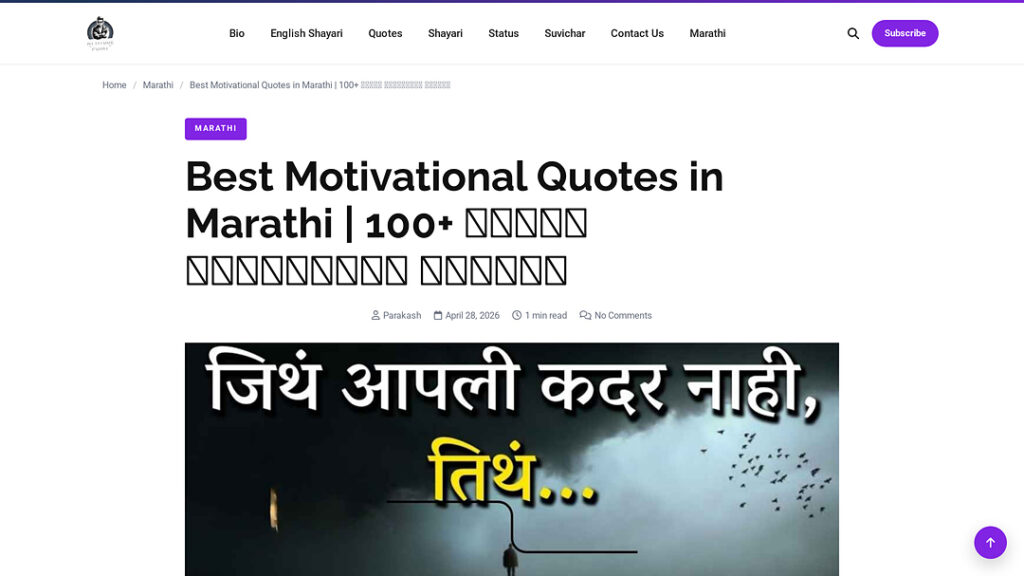
Motivational information is widely available, but not every claim is supported by research or appropriate experience.
Statements about guaranteed success, universal personality traits, or instant transformation should be examined critically.
For attitudepoint.com readers, information literacy is an important part of personal development.
Distinguish Evidence From Opinion
An inspirational statement may express a personal philosophy rather than a scientifically established fact.
Both can have value, but they should not be presented as equivalent forms of evidence.
For example, a writer may believe that morning routines improve productivity.
Whether a particular routine helps someone depends on their circumstances, schedule, and needs.
Avoid Overgeneralization
Advice that works for one person may not work for everyone.
Career development, emotional health, and relationships involve many interacting factors.
A reliable article acknowledges relevant differences and limitations.
Readers should be cautious about claims that one technique guarantees confidence, wealth, happiness, or success.
Examine Author Expertise
Writers with relevant professional experience may provide useful guidance.
However, personal experience does not automatically establish expertise in psychology or healthcare.
If attitudepoint.com publishes specialized self-improvement content, readers should consider whether its authors provide appropriate qualifications and supporting sources.
Recognize Toxic Positivity
Toxic positivity describes an excessive insistence on positive thinking that dismisses difficult emotions or circumstances.
Encouragement becomes less helpful when it pressures people to deny genuine problems.
A constructive mindset allows room for sadness, frustration, uncertainty, and realistic concern.
Positive thinking is most useful when combined with practical judgment and emotional honesty.
Attitudepoint.com and Social Media Attitude Content
Attitude-related content has become a recognizable part of digital culture.
Users often share quotes, captions, short messages, and images to communicate confidence, humor, friendship, or personal identity.
The subjects associated with attitudepoint.com may therefore interest social media users, although its actual content categories have not been independently established.
Instagram Attitude Captions
Instagram captions can complement photographs and communicate personal style.
A good caption should match the image, intended audience, and tone.
Confidence-focused language can be effective when it feels authentic.
However, copied phrases that do not reflect the user’s personality may appear less meaningful.
WhatsApp Status Messages
WhatsApp status updates allow users to share short text, images, and other supported content.
Motivational messages may communicate goals, reflections, or encouragement.
Users should consider privacy settings and the intended audience before posting personal information.
Friendship and Relationship Quotes
Quotes about friendship and relationships often focus on trust, loyalty, respect, and communication.
These themes can encourage reflection.
However, simplified statements about relationships should not replace careful consideration of real circumstances.
Personal Branding Through Social Media
Personal branding involves how individuals present their skills, interests, and values publicly.
Consistent communication can support a recognizable professional identity.
For business-oriented profiles, thoughtful posts may be more effective than unnecessarily confrontational attitude statements.
Readers researching attitudepoint.com for captions should adapt content to their own voice rather than relying exclusively on generic expressions.
Website Design and User Experience on Attitudepoint.com
A motivational or lifestyle website should make content easy to discover and read.
Clear navigation, appropriate typography, and consistent organization help visitors locate relevant subjects.
When evaluating attitudepoint.com directly, readers should examine how its actual pages function across devices.
Homepage Organization
A well-organized homepage communicates the website’s purpose.
If attitudepoint.com publishes quotes or motivational articles, recognizable topic categories would help readers find suitable material.
However, no specific homepage structure or content category has been verified here.
Mobile Responsiveness
Many users access motivational content through smartphones.
Responsive design allows text and images to adapt to different screen sizes.
A mobile-friendly attitudepoint.com experience would ideally provide readable content and accessible navigation without unnecessary horizontal scrolling.
Loading Performance
Large images, excessive scripts, and intrusive advertisements can slow websites.
Google PageSpeed Insights provides tools for assessing performance through Core Web Vitals.
No live speed test has been conducted for attitudepoint.com, so specific performance claims would be unsupported.
Accessibility
Accessible design helps people with different needs use digital content.
Meaningful headings, sufficient color contrast, descriptive image alternatives, and keyboard navigation are important considerations.
Motivational quotes presented only as images should ideally include accessible text alternatives.
The Web Content Accessibility Guidelines provide relevant guidance.
Content Quality and Editorial Credibility
Personal development content can influence how people interpret their experiences and make decisions.
For this reason, accuracy and appropriate context matter.
Readers evaluating attitudepoint.com should distinguish inspirational writing from psychological or medical advice.
Originality and Attribution
Original reflections can provide value through personal experience or thoughtful analysis.
When quoting other authors, publishers should attribute statements accurately.
Copyright considerations may also apply to longer excerpts or commercial reuse.
A responsible publication should avoid presenting unattributed material as original work.
Psychological Claims
Claims about personality, emotional health, or behavioral change should be supported by reliable research where appropriate.
Recognized professional resources may include the American Psychological Association and qualified mental health organizations.
However, general educational content should not be treated as individualized clinical advice.
Publication Updates
Advice involving digital platforms, workplace practices, or professional development may become outdated.
Visible publication dates and meaningful updates help readers assess relevance.
For attitudepoint.com, editorial freshness should be evaluated through actual articles.
Privacy and Security on Attitudepoint.com
Website privacy matters even when visitors primarily read motivational content.
A publication may use cookies, analytics, advertising services, or newsletter subscriptions.
Readers should understand what personal information is requested and how it may be processed.
HTTPS and Secure Browsing
HTTPS encrypts information exchanged through a properly established secure connection.
However, it does not independently prove a website’s legitimacy.
Visitors evaluating attitudepoint.com should consider HTTPS alongside transparency, website behavior, and relevant privacy disclosures.
Privacy Policies
A privacy policy should explain applicable data processing practices.
If attitudepoint.com offers account registration or newsletter subscriptions, visitors should review the relevant terms before providing information.
No specific data collection practices have been independently verified.
Advertising and External Links
Lifestyle websites may display advertisements or link to external products and services.
Sponsored recommendations should be distinguishable from independent editorial content.
Users should verify unfamiliar destinations before making payments or entering sensitive details.
Security Resources
Google Safe Browsing and VirusTotal may provide supplementary security information.
ICANN Lookup can offer available domain registration details, while the Internet Archive may provide historical context.
These tools can support evaluation but do not guarantee complete safety.
Attitudepoint.com Compared With Established Personal Development Resources
Several recognized platforms provide motivational content, psychological education, or professional development resources.
Comparing their purposes can help readers understand the wider information landscape.
Psychology Today
Psychology Today publishes articles covering psychology, relationships, mental health, and related subjects.
Its content includes contributions from different professionals and writers.
Readers should evaluate individual articles according to their authorship and evidence.
Greater Good Science Center
The Greater Good Science Center at the University of California, Berkeley explores research related to well-being, compassion, relationships, and human behavior.
It provides educational resources that can complement general motivational content.
MindTools
MindTools offers resources related to workplace skills, leadership, management, and professional development.
Its focus is more directly connected with practical workplace capabilities.
Verywell Mind
Verywell Mind publishes information about mental health, psychology, and well-being.
Readers seeking clinical guidance should still consult qualified professionals when appropriate.
Pinterest and Instagram
Pinterest and Instagram are widely used for sharing motivational images, quotes, and captions.
However, user-generated material varies considerably in accuracy and attribution.
Where Does Attitudepoint.com Fit?
The actual editorial direction of attitudepoint.com must be confirmed through its published content.
Its name suggests relevance to attitude and personal expression, but it does not establish professional expertise or a particular publishing model.
Readers should compare information according to accuracy, usefulness, and intended purpose.
Potential Advantages of Attitude and Motivation Websites
Motivational websites can support reflection and provide accessible ideas for personal development.
Short-form content may be convenient for readers who want quick inspiration.
Longer articles can offer practical examples and explanations.
Potential advantages include:
- Accessible motivational messages and reflections.
- Ideas for improving confidence and communication.
- Social media captions expressing personal perspectives.
- Educational content about habits and self-development.
- Encouragement during ordinary challenges.
- Opportunities to explore different approaches to personal growth.
These are potential advantages of the content category, not verified features of attitudepoint.com.
Possible Limitations of Motivational Content
Motivational advice can become misleading when it ignores personal circumstances.
Statements suggesting that attitude alone determines success overlook resources, opportunities, health, and other important factors.
Short quotes may also oversimplify complex emotional or relationship issues.
Some websites publish unattributed quotations or repeat generic ideas without meaningful explanation.
Readers evaluating attitudepoint.com should consider whether its content provides responsible context and realistic guidance.
Who Might Find Attitudepoint.com Relevant?
The subjects associated with attitudepoint.com may interest several audiences.
Students
Students may look for encouragement, study discipline, confidence-building techniques, and advice about handling academic challenges.
Practical planning and supportive learning environments remain important.
Working Professionals
Professionals may research communication, confidence, teamwork, and workplace adaptability.
Advice should reflect realistic organizational conditions.
Social Media Users
People creating Instagram captions, WhatsApp statuses, or personal posts may seek language that expresses their identity.
Originality and appropriate tone can make posts more meaningful.
Content Creators
Bloggers and digital publishers may explore motivational subjects for articles or visual content.
They should verify quotations and avoid unsupported psychological claims.
Personal Development Enthusiasts
Readers interested in habits, emotional awareness, and goal setting may use motivational content alongside evidence-based educational resources.
The usefulness of attitudepoint.com depends on its actual material and editorial quality.
SEO and GEO Considerations for Motivational Websites
Search engine optimization helps publishers organize information around relevant reader questions.
Motivational content often targets searches involving confidence, positive attitude, self-improvement, and inspirational quotes.
Useful pages should provide original information rather than simply repeating popular phrases.
Search Intent
Someone searching for attitude captions may want short social media text.
A person searching for confidence-building strategies may need a detailed explanation.
These are different informational needs.
For attitudepoint.com, content should match the intended audience and search purpose.
Semantic SEO
Semantic SEO involves covering related concepts that help explain a subject.
An article about confidence may naturally discuss self-efficacy, preparation, communication, feedback, and emotional regulation.
These supporting concepts improve informational depth.
Keyword repetition alone does not create a useful article.
Generative Engine Optimization
Generative Engine Optimization, or GEO, concerns how information may be presented for AI-powered search discovery.
Clear definitions, practical examples, accurate claims, and relevant sources can make content easier to interpret.
For attitudepoint.com, direct answers to common personal development questions may support readability and potential discoverability.
However, no publisher can guarantee inclusion in AI-generated summaries.
E-E-A-T and Trustworthiness
Google’s E-E-A-T framework refers to experience, expertise, authoritativeness, and trustworthiness.
Personal reflections may draw on lived experience, while specialized psychological advice requires appropriate expertise.
Readers should evaluate whether claims are proportionate to the author’s knowledge and supporting evidence.
How to Evaluate Attitudepoint.com Before Relying on Its Content
Start by examining the website’s actual purpose.
Determine whether attitudepoint.com publishes quotes, educational articles, captions, or another type of content.
Read several pages and assess originality, clarity, and relevance.
Check Author Information
Look for identifiable contributors and appropriate background information.
Personal development content can be useful without formal credentials, but specialized claims require stronger evidence.
Verify Important Claims
Compare psychological or health-related statements with credible educational and professional sources.
Be cautious about guarantees of instant confidence, permanent happiness, or effortless success.
Review Quote Attribution
If a statement is credited to a famous individual, verify the attribution before sharing it as a factual quotation.
Misattributed quotes are common across social media.
Examine Website Transparency
Look for publisher information, contact details, and relevant policies.
If attitudepoint.com offers paid products or services, verify commercial conditions before purchasing.
Protect Personal Information
Avoid sharing unnecessary personal details with unfamiliar websites.
If registration, payment, or downloads are requested, establish the website’s legitimacy and data-handling practices first.
Practical Ways to Apply Positive Attitude Principles
Constructive attitude development begins with realistic self-awareness.
Identify one area where a different response could improve daily life, such as handling delays, preparing for meetings, or responding to criticism.
Choose a manageable action rather than attempting to transform every habit immediately.
For example, someone who feels uncertain during presentations might practice explaining one topic aloud several times each week.
A person struggling with organization could create a short daily planning routine.
Review progress periodically and adjust the strategy when necessary.
Motivational content from attitudepoint.com or another resource may provide encouragement, but lasting improvement usually depends on practice, feedback, and circumstances.
FAQ’s
1. What is attitudepoint.com?
attitudepoint.com is a domain whose name suggests attitude, motivation, or personal expression. Its current content, ownership, and services require direct verification.
2. Does attitudepoint.com provide attitude quotes?
Its name suggests possible relevance to attitude-related content, but the availability of a quotes collection has not been independently confirmed.
3. Is attitudepoint.com useful for Instagram captions?
That depends on its actual published material. Effective captions should match the user’s personality, intended audience, and communication style.
4. Is attitudepoint.com safe to visit?
Its safety cannot be confirmed from its domain name alone. Check HTTPS, privacy information, publisher transparency, and relevant security indicators.
5. Can attitudepoint.com help improve confidence?
Its usefulness depends on the quality of its actual content. Confidence generally develops through preparation, practice, constructive feedback, and realistic self-belief.
6. What are alternatives to attitudepoint.com?
Relevant resources include Psychology Today, Greater Good Science Center, MindTools, Verywell Mind, and established educational psychology references.
Conclusion
attitudepoint.com is a domain that may appeal to readers interested in motivational content, confidence, positive thinking, attitude captions, and personal development. Constructive attitudes can support learning, communication, and decision-making when combined with realistic expectations and practical action. Confidence, discipline, emotional awareness, and respectful relationships are especially valuable areas for personal growth.
The usefulness of attitudepoint.com depends on its actual content, editorial credibility, originality, and approach to psychological information. Readers who distinguish inspiration from evidence-based guidance and apply motivational ideas thoughtfully can develop a more balanced perspective while making meaningful progress toward their personal and professional goals.