
Christmas is more than a date on the calendar. It is a season of togetherness, generosity, familiar traditions and memorable moments shared with family and...
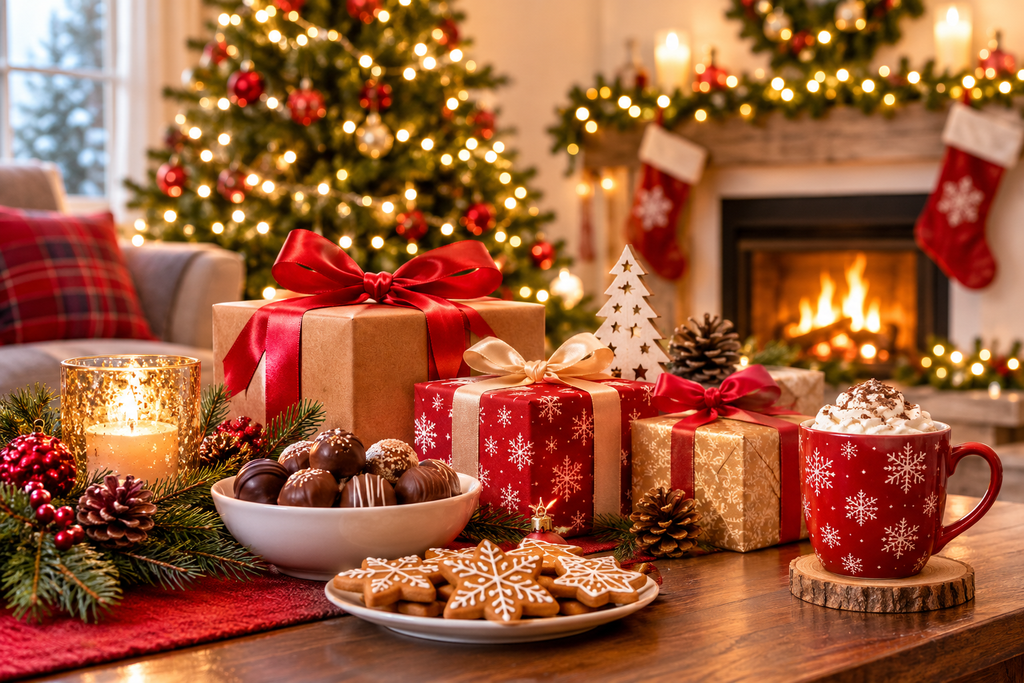
Christmas is more than a date on the calendar. It is a season of togetherness, generosity, familiar traditions and memorable moments shared with family and friends. If you are wondering how to celebrate Christmas in a meaningful and enjoyable way, there are plenty of ideas to make the occasion special. From decorating the home and preparing festive meals to exchanging thoughtful presents, every little detail contributes to the excitement of the holiday season. However, celebrating Christmas does not always require elaborate arrangements or expensive plans. Sometimes, the most meaningful celebrations come from simple gestures, delicious food and quality time with the people who matter most.
Whether you are hosting a family gathering, organising a Christmas dinner or planning a surprise for someone special, a little preparation can make the occasion more enjoyable. With the right combination of decorations, entertainment, seasonal treats and thoughtful presents, you can create a celebration that feels warm, personal and memorable.
1. Create a Welcoming Christmas Atmosphere at Home
The atmosphere is one of the first things people notice when they enter a Christmas gathering. A beautifully decorated home can immediately bring a sense of excitement and warmth.
Start with a Christmas tree decorated with ornaments, ribbons, fairy lights and personal keepsakes. You can choose a traditional red-and-gold colour scheme or experiment with neutral shades, silver and natural greenery for a more contemporary appearance.
Consider adding a few finishing touches throughout your home:
- Place wreaths and festive garlands around entrances and windows.
- Use candles or warm lighting to create a cosy atmosphere.
- Decorate dining tables with seasonal centrepieces and attractive tableware.
- Add Christmas cushions, blankets and decorative accessories to living spaces.
- Display family photographs or handmade ornaments to make decorations personal.
You do not need to decorate every corner. A few coordinated details can make your home feel festive without creating unnecessary clutter.
2. Plan a Christmas Dinner Everyone Can Enjoy
Food is an important part of many Christmas celebrations. It brings people together, encourages conversation and gives families an opportunity to enjoy recipes they may prepare only once a year.
When planning your Christmas menu, consider the preferences and dietary requirements of your guests. A traditional roast dinner might be the centrepiece, but there are plenty of ways to make the meal interesting.
Some popular festive food ideas include:
- Main courses: Roast turkey, glazed ham, baked salmon or a vegetarian Wellington.
- Side dishes: Roasted potatoes, seasonal vegetables, stuffing and fresh salads.
- Desserts: Christmas pudding, fruitcake, mince pies and chocolate desserts.
- Snacks: Cheese boards, crackers, nuts, savoury pastries and festive appetisers.
If you are hosting a large gathering, prepare a few dishes in advance. This reduces last-minute pressure and allows you to spend more time with your guests.
A well-arranged dining table also makes a difference. Use festive napkins, attractive serving dishes and simple decorations to create an inviting setting.
3. Make Gift-Giving More Personal and Meaningful
Christmas gifting is an opportunity to show appreciation and strengthen relationships. Rather than focusing entirely on the price of a present, think about the recipient’s interests, personality and everyday preferences.
For example, someone who enjoys cooking might appreciate a gourmet food hamper, while a book lover could enjoy a carefully selected collection of books. Personalised accessories, home decorations and experience-based gifts are also thoughtful options.
When selecting presents, consider the following:
- Personal interests: Choose something connected to the recipient’s hobbies.
- Practical value: Everyday items can be meaningful when selected carefully.
- Presentation: Attractive packaging makes opening a gift more exciting.
- Personal messages: A handwritten Christmas card adds an emotional touch.
- Shared experiences: Tickets, dining experiences and family activities can create lasting memories.
The best gifts are not necessarily the most expensive ones. A present that reflects genuine thought often makes a stronger impression than something chosen simply because it is popular.
4. Choose Food and Drink Gifts for Festive Occasions
Food-related gifts are particularly suitable during Christmas because they can be enjoyed and shared. Gourmet chocolates, speciality biscuits, artisan cheeses, coffee collections and beautifully arranged hampers offer something enjoyable for people with different preferences.
For adults who appreciate wine, a carefully selected gift can add another dimension to a festive celebration. The key is to consider the recipient’s preferences rather than choosing something solely because it looks luxurious.
For instance, Christmas wine and chocolate gift baskets bring together two familiar festive favourites in one presentation. Depending on the selection, these arrangements can include a bottle of wine, assorted chocolates, gourmet treats and decorative packaging. They can work particularly well for family members, close friends or professional acquaintances who enjoy these products.
When exploring gift combinations, consider the type of chocolate, the occasion and the overall presentation. Dark chocolate, for example, is often paired with fuller-bodied red wines, while lighter chocolate selections may suit different wine styles. Individual preferences should always take priority over traditional pairing suggestions.
Collections such as wine and chocolate gift baskets offer examples of how these items can be presented together for seasonal gifting. When purchasing alcoholic gifts, remember to follow applicable age restrictions and delivery regulations.
5. Organise Fun Christmas Activities for Family and Friends
Christmas celebrations become more memorable when everyone has an opportunity to participate. Instead of allowing the gathering to revolve entirely around food and presents, plan a few activities that encourage interaction.
The best activities depend on the ages, interests and number of people attending.
Christmas Games
Organise a Christmas quiz covering holiday traditions, popular films, music and general knowledge. You could also arrange charades, festive bingo or a Christmas-themed guessing game.
These activities are inexpensive, easy to organise and suitable for different age groups.
Secret Santa
Secret Santa is a popular way to make gift exchanges more entertaining. Each participant receives another person’s name and purchases a present within an agreed budget.
Setting a spending limit makes the activity accessible to everyone and keeps the exchange light-hearted.
Christmas Movie Night
Choose a selection of classic Christmas films, prepare popcorn and hot chocolate, and arrange comfortable seating. This is particularly enjoyable for families who prefer a relaxed celebration.
Music and Dancing
Create a playlist featuring traditional Christmas carols, popular festive songs and everyone’s favourite party tracks. Music helps establish the mood and makes an ordinary gathering feel more celebratory.
6. Give Your Christmas Party a Thoughtful Theme
A Christmas party does not need an elaborate concept, but a simple theme can make planning easier and give the event a distinctive personality.
Consider a few ideas:
Traditional Christmas Gathering: Use classic decorations, seasonal dishes and familiar holiday music.
Winter Wonderland: Incorporate white decorations, silver accents, soft lighting and winter-inspired table settings.
Christmas Around the World: Invite guests to bring a dish or share a tradition associated with a different country.
Cosy Christmas Evening: Arrange comfortable seating, warm drinks, board games and a selection of seasonal snacks.
Once you have selected a theme, coordinate the decorations, menu and activities accordingly. Keeping everything connected creates a more organised experience without requiring excessive spending.
7. Remember Friends, Colleagues and Business Relationships
Christmas is also a suitable time to acknowledge people outside your immediate family. Friends, colleagues, clients and business partners may appreciate a thoughtful gesture that recognises their contribution throughout the year.
For workplace celebrations, consider organising a team lunch, exchanging modest presents or sending seasonal appreciation messages. For professional contacts, well-presented gourmet hampers can be an appropriate way to express gratitude.
If you are arranging presents for several recipients, make a list in advance. Include names, budgets, delivery addresses and preferred delivery dates. This helps prevent forgotten gifts and last-minute complications.
For people sending presents across different locations, holiday gift baskets and sets provide another option worth considering. A selection of gourmet treats and seasonal items can make a thoughtful present for recipients who enjoy sharing food during the holidays.
When sending food or drink gifts, check delivery availability, shipping schedules, temperature requirements and any applicable restrictions. Ordering early is especially helpful during the busy Christmas period.
8. Make Time for Giving Back
The spirit of Christmas extends beyond celebrations and gift exchanges. It is also an opportunity to support people who may need additional help.
Consider donating to a local food bank, contributing to a community charity or organising a collection of warm clothing and essential supplies. Families can also involve children by encouraging them to select toys or books to donate.
Other meaningful activities include:
- Visiting elderly relatives or neighbours.
- Preparing meals for someone who lives alone.
- Supporting local community organisations.
- Volunteering at a charitable event.
- Sending thoughtful messages to people you have not contacted recently.
These gestures remind everyone that the holiday season is about generosity and connection, not simply decorations and presents.
Frequently Asked Questions
1. What are some simple ways to celebrate Christmas at home?
Decorate your home, prepare a festive meal, watch Christmas films, play family games and exchange thoughtful presents. Even a small gathering can feel special with a little planning.
2. How can I make Christmas celebrations more memorable?
Focus on activities that encourage people to spend time together. Family traditions, personalised presents, shared meals and meaningful conversations often create the strongest memories.
3. What are good Christmas gifts for friends and family?
Gourmet hampers, chocolates, personalised accessories, books, home decorations and experience-based presents are popular choices. Consider the recipient’s interests and preferences before making a selection.
4. Are food hampers suitable as Christmas presents?
Yes. Food hampers can be versatile gifts because they combine several treats in one presentation. Depending on the recipient, you can choose chocolates, biscuits, cheeses, savoury snacks or other gourmet products.
5. When should I start planning Christmas celebrations?
Starting three to four weeks in advance is a useful approach for most gatherings. Larger celebrations may require more preparation, particularly when arranging travel, accommodation, catering or gifts that need delivery.
Conclusion
Celebrating Christmas is ultimately about creating meaningful experiences with the people around us. Beautiful decorations, delicious meals, entertaining activities and thoughtful gifts all contribute to the festive atmosphere, but the most important element is the opportunity to connect with family, friends and the wider community.
Whether you prefer a traditional family dinner, a lively Christmas party or a quiet evening at home, plan your celebration around what makes the occasion enjoyable for everyone. Add personal touches, share favourite traditions and make room for generosity.
After all, the best Christmas memories are rarely about how much was spent or how elaborate the arrangements were. They are about the laughter, kindness and togetherness that make the season special.