
Reaching out for help is often the hardest step, and the range of services can feel confusing even in a city the size of Plymouth....
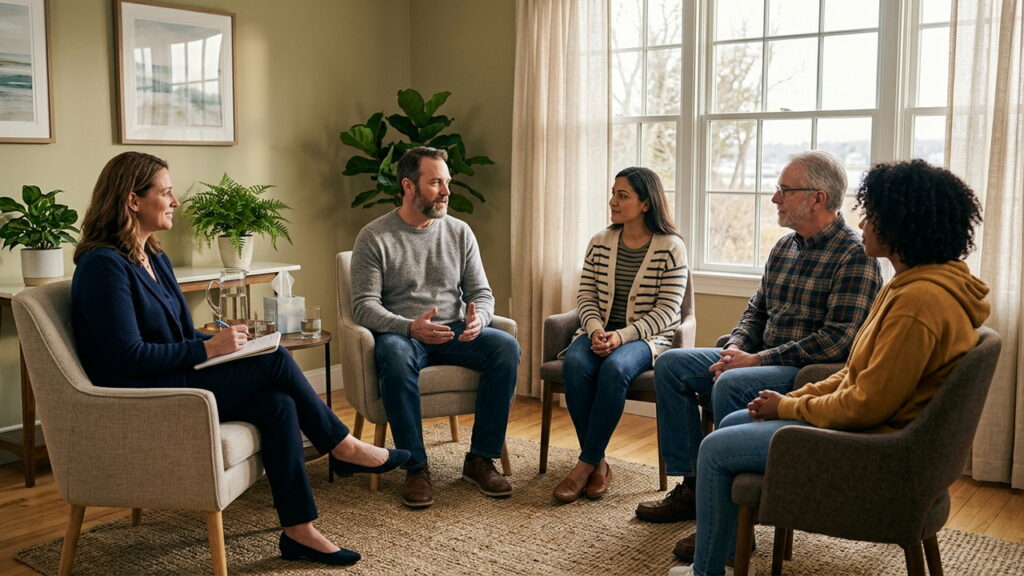
Reaching out for help is often the hardest step, and the range of services can feel confusing even in a city the size of Plymouth. addiction treatment in Plymouth includes free NHS and council funded support, charity led services, and private rehab, and the right route depends on the substance, your health, and your circumstances.
This guide explains the types of addiction treatment in Plymouth, how to refer yourself, what funding looks like, and how to check that a provider is safe. It offers general information and is not medical advice. If someone is in immediate danger, call 999.
Key Takeaways About Addiction Treatment in Plymouth
- Free addiction treatment in Plymouth is available through local drug and alcohol services, and you can usually refer yourself without seeing a GP first.
- Alcohol and benzodiazepine withdrawal can be dangerous, so ask for medical advice before stopping suddenly.
- Treatment works best as a plan that includes detox if needed, therapy, medication where suitable, and aftercare.
- Private rehab in Plymouth should be regulated by the Care Quality Commission when it provides residential treatment.
- Ask every provider about assessment, staffing, aftercare, and costs in writing.
- Call Frank on 0300 123 6600 or Drinkline on 0300 123 1110 if you are unsure where to start.
What Is Addiction Treatment in Plymouth?
Addiction treatment is a set of medical, psychological, and social support services that help people stop or reduce harmful use of alcohol, drugs, or medicines and stay well afterward. Addiction treatment in Plymouth is delivered by local NHS and council commissioned services, voluntary organisations, GPs, hospitals, and private clinics.
Addiction is a health condition, not a failure of willpower. It affects the brain’s reward and stress systems, which is why support usually combines practical help, talking therapies, and sometimes medicine. A good Plymouth addiction treatment plan is built around the person, not around a single programme.
Quick Answer About Addiction Treatment in Plymouth
- It covers assessment, detox, therapy, medication, recovery groups, and aftercare.
- Free community services are available locally, and private rehab is an alternative.
- You can often self refer, or ask a GP, hospital team, or support worker to refer you.
- Waiting times, funding, and availability change, so confirm details directly.
Who Can Use Addiction Treatment in Plymouth
Support is open to anyone who feels their use is causing harm, whether it is daily drinking, opioids, cocaine, cannabis, prescription medicines, or gambling alongside substance use.
- People who want to cut down or stop and cannot manage alone
- Those who have tried to quit before and returned to use
- People with physical or mental health problems linked to substance use
- Parents, partners, and friends looking for advice for someone else
- Anyone worried about their use who is not sure what counts as a problem
Types of Addiction Treatment in Plymouth
Several levels of support exist, and people often move between them. The table gives a general overview.
| Type of support | What it involves | Who it suits |
|---|---|---|
| Community drug and alcohol service | Assessment, key worker, counselling, medication, group work | Most adults, often the first step |
| GP support | Health checks, some medicines, referral to services | People who want to start with their doctor |
| Hospital detox | Medically managed withdrawal with round the clock care | Severe or complicated withdrawal |
| Residential rehab | Live in treatment, usually for several weeks | People who need a structured, substance free setting |
| Mutual aid groups | Peer meetings such as AA, NA, and SMART Recovery | Anyone, alongside or after treatment |
| Family and carer support | Advice and groups for loved ones | Relatives and friends |
Free Community Addiction Treatment in Plymouth
In England, local councils are responsible for commissioning drug and alcohol treatment, and the service is free at the point of use. Plymouth City Council funds a local adult service, and its website lists the current provider and contact details. Staff usually offer a confidential assessment, a named key worker, and a care plan agreed with you.
Community support can include one to one sessions, group programmes, prescribing of medicines for opioid or alcohol dependence, needle exchange, and naloxone, which reverses opioid overdose. Many people never need residential care, and community treatment is often enough when home life is stable.
Private Rehab and Addiction Treatment in Plymouth
Private clinics and residential rehabs offer faster admission and a longer stay, but you or your family usually pay. Some operate in Plymouth, and others are elsewhere in Devon, Cornwall, or further away. Private rehab can suit people who want a break from their environment, though it is not automatically better than community care. Judge it on regulation, staffing, and aftercare, not on glossy marketing.
Residential or Community Care for Addiction Treatment in Plymouth
Community treatment suits people with a safe home, support from others, and a steady routine. Residential care suits people whose home environment makes recovery very difficult, those with complex needs, or those who have not improved with community support. A clinician can help you decide at assessment.
Detox as Part of Addiction Treatment in Plymouth
Detox, also called medically assisted withdrawal, helps the body clear alcohol or drugs while symptoms are managed. It deals with the physical side only, so it works best when followed by therapy and support.
Why Medical Advice Matters Before Detox in Plymouth
Alcohol withdrawal can cause seizures and a dangerous condition called delirium tremens. Benzodiazepine withdrawal carries similar risks and usually needs a slow, planned reduction. Opioid withdrawal is rarely life threatening but is very unpleasant, and tolerance drops afterward, which raises the risk of overdose if someone returns to a previous dose.
| Substance | Common withdrawal signs | Main concern |
|---|---|---|
| Alcohol | Shaking, sweating, anxiety, poor sleep, nausea | Seizures and delirium tremens |
| Opioids | Aches, vomiting, diarrhoea, restlessness | Dehydration and overdose after relapse |
| Benzodiazepines | Anxiety, insomnia, tremor, irritability | Seizures, so gradual reduction is needed |
| Stimulants | Fatigue, low mood, strong cravings | Depression and thoughts of self harm |
| Cannabis | Irritability, sleep problems, low appetite | Usually uncomfortable rather than dangerous |
Emergency Warning Signs During Withdrawal
Call 999 or go to the emergency department at Derriford Hospital if there is a seizure, severe confusion, hallucinations, chest pain, difficulty breathing, or thoughts of suicide. Do not wait for a place in a programme when symptoms are severe.
Therapies Used in Addiction Treatment in Plymouth
Talking therapies help people understand triggers, build coping skills, and rebuild routines. Services in the city commonly draw on approaches recommended in national guidance.
| Therapy | What it does |
|---|---|
| Motivational interviewing | Builds your own reasons and confidence to change |
| Cognitive behavioural therapy | Teaches ways to handle thoughts, cravings, and high risk situations |
| Contingency management | Offers rewards for staying drug free, used for some stimulant use |
| Family and couples work | Repairs relationships and builds home support |
| Group therapy | Shares experience and reduces isolation |
| Trauma informed counselling | Addresses past trauma that often sits behind substance use |
Medication in Addiction Treatment in Plymouth
Medicines can reduce cravings, ease withdrawal, and lower relapse risk. For opioid dependence, clinicians may prescribe methadone or buprenorphine. For alcohol dependence, medicines such as acamprosate and naltrexone may be offered, and detox often uses a short course of a sedating medicine under supervision. Only a licensed prescriber can decide what is right for you, and you should never use someone else’s tablets to manage withdrawal.
Mutual Aid Groups Alongside Addiction Treatment in Plymouth
Peer groups such as Alcoholics Anonymous, Narcotics Anonymous, and SMART Recovery run meetings in many areas, including online. They are free and open to anyone, and many people find lasting support there after formal treatment ends. Search the national websites by location to find current meetings near you.
How to Start Addiction Treatment in Plymouth
Starting is simpler than many people expect. Use the steps below and take them at your own pace.
- Decide who you are comfortable contacting, such as the local service, your GP, or a helpline.
- Check the Plymouth City Council website for the current adult drug and alcohol service and its self referral details.
- Contact the service and ask for an assessment, and bring a list of medicines and health conditions.
- Agree a care plan with your key worker, including goals and appointments.
- Ask about detox, medication, and talking therapy options.
- Plan aftercare before your main treatment ends.
National Helplines for Addiction Treatment in Plymouth
The table lists free national services. Confirm numbers on the official sites, since details can change.
| Service | What it offers | Contact |
|---|---|---|
| Frank | Drug information and advice | 0300 123 6600 |
| Drinkline | Alcohol advice and support | 0300 123 1110 |
| NHS 111 | Urgent but non emergency health advice | 111 |
| Samaritans | Emotional support at any hour | 116 123 |
| Emergency services | Immediate danger or severe symptoms | 999 |
What Happens at Your First Assessment
The first appointment is a conversation, not a test. A worker will ask about your use, health, housing, work, family, and mental wellbeing. They may check your blood pressure and ask about past treatment. Everything is used to match you to the right level of support, and you can ask questions at any point.
Timeline of Addiction Treatment in Plymouth
Every person is different, but this general pattern helps set expectations.
| Stage | What may happen |
|---|---|
| Contact and assessment | Referral, first appointment, and risk check |
| Care planning | Goals agreed with a key worker |
| Stabilisation or detox | Medication and monitoring where needed |
| Therapy and support | Sessions, groups, and practical help |
| Aftercare | Ongoing contact, peer groups, and relapse prevention |
Dual Diagnosis and Addiction Treatment in Plymouth
Many people with substance use problems also live with anxiety, depression, trauma, or other mental health conditions. This is called dual diagnosis. Treating only one side often leaves the other untouched, so ask any provider how it supports mental health alongside addiction. Your GP can help coordinate care between substance use and mental health services.
Cost and Funding for Addiction Treatment in Plymouth
Community services are free at the point of use. Private costs vary a great deal, so this guide quotes no figures. Ask for a written quote that lists exactly what is included.
| Cost factor | What to ask |
|---|---|
| Length of stay | How many weeks the price covers |
| Room type | Whether single or shared rooms change the price |
| Detox | Whether medical detox is included or extra |
| Therapy | How many sessions and what type |
| Medication | Whether prescriptions and tests are included |
| Aftercare | Whether follow up support carries a fee |
Paying for Addiction Treatment in Plymouth
Some people pay privately or with help from family. A few private health insurance policies cover rehab, so check your policy wording. In some cases, a council funded residential place may be considered after an assessment, but availability is limited and not guaranteed. Ask your key worker whether funding is possible for your situation.
How to Choose Addiction Treatment in Plymouth
The best provider is regulated, transparent, and focused on your long term recovery. Use the checklist below.
7 Tips for Choosing Addiction Treatment in Plymouth
| Tip | What to do |
|---|---|
| 1. Start with an assessment | Let a clinician match you to the right level of care |
| 2. Check regulation | Confirm residential providers are registered with the Care Quality Commission |
| 3. Ask about staff | Find out who the doctors, nurses, and therapists are |
| 4. Review the treatment plan | Look for evidence based therapy and medication options |
| 5. Ask about aftercare | Make sure support continues after discharge |
| 6. Compare costs in writing | Get itemised quotes before committing |
| 7. Read independent reviews | Check inspection reports and balanced feedback |
Questions to Ask About Addiction Treatment in Plymouth
- Which substances and levels of withdrawal do you treat?
- Is a doctor available, and how often are patients monitored?
- Which therapies do you offer, and how many hours each week?
- Do you support people with mental health conditions?
- What happens if I leave early or relapse?
- How is my information kept private?
- What aftercare is included?
Red Flags in Plymouth Addiction Treatment
- Promises of a guaranteed cure
- No clear registration or inspection information
- Pressure to pay a deposit immediately
- Unwillingness to discuss prices in writing
- Rapid detox under anesthesia, which carries serious risks
- Referral lines that will not say which provider they represent
Free Services Compared With Private Rehab in Plymouth
| Factor | Free local services | Private rehab |
|---|---|---|
| Cost | Free at the point of use | Paid by you or an insurer |
| Waiting time | Can vary | Often faster admission |
| Setting | Mostly community based | Often residential |
| Follow up | Ongoing with the local team | Depends on the provider |
| Regulation | Commissioned and monitored locally | Residential care regulated by the Care Quality Commission |
Neither route is automatically better. Many people use free support first and consider private care only if community treatment is not enough.
Pros and Cons of Addiction Treatment in Plymouth
Pros
- Free community support is available locally
- Combines medical, psychological, and practical help
- Medication can reduce cravings and relapse risk
- Peer groups offer ongoing support
- Staff can help with housing, work, and family issues
Cons
- Waiting times and availability can vary
- Private options can be costly
- Quality differs between providers
- Recovery takes time and effort after treatment
- Not every programme suits every person
Aftercare and Relapse Prevention in Addiction Treatment in Plymouth
Recovery continues long after the first weeks. Relapse is common and does not mean treatment has failed, but planning reduces the risk.
- Keep regular contact with your key worker or counsellor.
- Attend peer meetings and build a support network.
- Learn your triggers and write a plan for high risk situations.
- Build routines around sleep, food, exercise, and work.
- Consider recovery housing or supported living if home is unsafe.
- Keep naloxone close if opioids were involved, and tell someone you trust where it is.
Supporting a Loved One Through Addiction Treatment in Plymouth
Families often feel fear, guilt, and exhaustion. Calm, steady support helps more than blame or ultimatums.
- Learn about the substance and its withdrawal risks.
- Speak without judgement and focus on health and safety.
- Offer to help find a service or attend the first appointment.
- Look after your own wellbeing and consider carer support groups such as Al-Anon.
- Call 999 in an emergency instead of waiting for a better moment.
Young People and Addiction Treatment in Plymouth
Under 18s are usually supported through dedicated young people’s services rather than adult programmes. Parents can contact their GP, school support staff, or the local council for current options.
Pregnancy and Addiction Treatment in Plymouth
Anyone who is pregnant and using alcohol or drugs should seek medical advice before stopping suddenly, because withdrawal can affect both parent and baby. Midwives and GPs can arrange confidential, nonjudgemental support.
Privacy and Rights in Addiction Treatment in Plymouth
Health services must keep your information confidential and follow UK data protection law. Staff may share information with your consent, and there are limited exceptions where safety or safeguarding concerns exist. Ask any provider of addiction treatment in Plymouth to explain what is recorded, who can see it, and how it is stored.
Common Mistakes With Addiction Treatment in Plymouth
- Stopping heavy alcohol or benzodiazepine use suddenly without advice
- Choosing a private clinic from an advert without checking registration
- Treating detox as the whole solution and skipping aftercare
- Waiting for the perfect moment instead of asking for an assessment
- Hiding medicines or health conditions from staff
- Assuming free services are lower quality without checking
- Going back to a previous dose after tolerance has dropped
Trust and Transparency in Addiction Treatment in Plymouth
Check a provider’s registration on the Care Quality Commission website, read inspection reports, and speak to your GP if you are unsure. Be cautious with listings that hide who owns them or will not name the facility you would attend.
This article gives general information and cannot confirm the availability, prices, or standards of any specific service. Helpline numbers and provider names change, so verify them directly. A qualified healthcare professional should guide decisions about addiction treatment in Plymouth.
FAQ’s
What is addiction treatment in Plymouth?
It is the range of local medical, psychological, and social services that help people stop or reduce harmful alcohol, drug, or medicine use.
Is addiction treatment in Plymouth free?
Community drug and alcohol services commissioned locally are free at the point of use, while private rehab is paid for by you or an insurer.
Can I refer myself for addiction treatment in Plymouth?
Usually yes. Contact the local drug and alcohol service directly, or ask your GP to refer you.
Is it safe to detox at home?
Not for heavy alcohol or benzodiazepine use, because seizures can occur. Speak to a doctor or call NHS 111 before stopping.
How long does addiction treatment in Plymouth take?
It depends on the person. Detox may take days, while therapy and aftercare often continue for months.
How do I choose private rehab in Plymouth?
Check Care Quality Commission registration, ask about staff and aftercare, and compare written quotes.
Conclusion
Addiction treatment in Plymouth offers more than one way in. You can begin with free local services, your GP, or a national helpline, and move to detox or residential care if you need it. A clear assessment, a regulated provider, and a plan for aftercare make the biggest difference.
Take one step today, even if it is a single phone call. Recovery is a process, and support is available at every stage, from first contact to long term aftercare. In an emergency, call 999.