
Electrical safety has become an increasingly important concern for landlords, homeowners, and property managers across London. As housing stock continues to age and electrical demand...
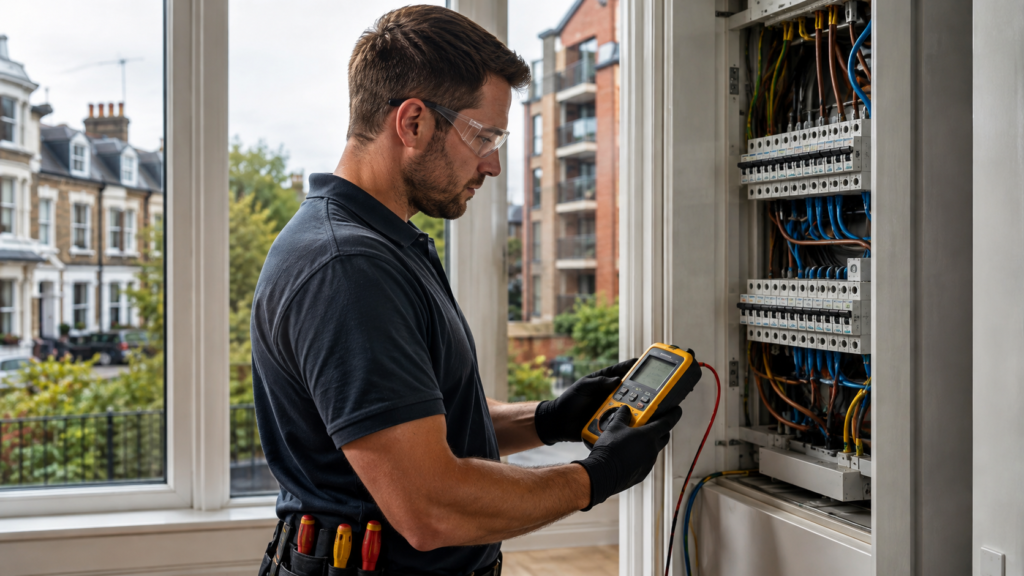
Electrical safety has become an increasingly important concern for landlords, homeowners, and property managers across London. As housing stock continues to age and electrical demand increases, many properties face greater challenges when undergoing safety inspections.
The London EICR Risk Index 2026 highlights the factors that influence electrical inspection outcomes, including ageing wiring systems, outdated consumer units, rental property conditions, and the growing need for modern electrical protection.
An Electrical Installation Condition Report (EICR) evaluates the safety of a property’s fixed electrical installation. It checks important components such as wiring, sockets, lighting circuits, earthing systems, consumer units, and protective devices to determine whether the installation remains safe for continued use.
Understanding electrical risk factors helps property owners take preventive action, reduce inspection failures, and maintain safer living environments.
What Is the London EICR Risk Index 2026?
The London EICR Risk Index 2026 is a practical way to understand why some properties may face higher electrical inspection risks than others.
It considers factors such as:
- Age of electrical installations
- Property type
- Rental density
- Previous electrical modifications
- Consumer unit condition
- Availability of modern safety protection
The index is not an official government safety ranking but serves as a guide for landlords, property investors, homeowners, and managers who want to understand potential electrical risk patterns across London properties.
Why Electrical Safety Risks Are Increasing in London
London contains a wide variety of properties, from modern apartments to Victorian homes and converted flats. While many buildings remain safe with proper maintenance, older electrical systems can create challenges.
Several factors contribute to increased electrical safety risks:
Ageing Housing Infrastructure
Many London properties were built decades ago when electrical requirements were very different from today.
Older installations may have:
- Outdated wiring systems
- Limited circuit capacity
- Old fuse boards
- Missing modern protection devices
As households use more electrical appliances, older systems may struggle to handle increased demand.
Growth of Rental Properties
Private rental properties often experience higher levels of electrical wear because of:
- Frequent tenant changes
- Increased appliance usage
- Delayed maintenance
- Previous modifications
Regular inspections help identify problems before they become serious safety concerns.
Dutch landlords face a comparable obligation, since rental homes in the Netherlands are checked through mandatory Scope 10 keuring inspections of the electrical installation.
Increased Electrical Demand
Modern homes rely on more electrical equipment than ever before.
Common high-demand appliances include:
- Electric heating systems
- Kitchen appliances
- Home office equipment
- Charging devices
- Entertainment systems
Older electrical installations may require upgrades to safely support modern lifestyles.
How EICR Inspections Identify Electrical Risks
An EICR is designed to assess the condition of fixed electrical systems within a property.
During an inspection, qualified electricians examine:
- Electrical circuits
- Consumer units
- Protective devices
- Earthing arrangements
- Wiring condition
- Socket outlets
- Lighting systems
The inspection identifies potential hazards and assigns classification codes based on the seriousness of any issues found.
Common Reasons Properties Fail EICR Inspections
Many electrical failures are linked to outdated equipment, poor maintenance, or unsafe alterations.
Common causes include:
Lack of RCD Protection
Residual Current Devices (RCDs) provide additional protection by disconnecting electricity when dangerous faults occur.
Properties without suitable RCD protection may have increased risks of:
- Electric shocks
- Electrical fires
- Fault-related damage
Modern electrical standards place strong importance on effective protective devices.
Outdated Consumer Units
The consumer unit, often called the fuse box, controls electrical circuits throughout a property.
Older consumer units may lack:
- Modern circuit protection
- RCD safety features
- Clear circuit identification
Upgrading an outdated consumer unit can significantly improve electrical safety.
Damaged Wiring Systems
Electrical cables can deteriorate over time due to:
- Age
- Heat exposure
- Previous modifications
- Physical damage
Damaged insulation can increase the risk of electrical faults.
Unsafe DIY Electrical Work
Unqualified electrical modifications are another common cause of inspection problems.
Examples include:
- Incorrect wiring changes
- Poor socket installations
- Unsafe extensions
- Improper lighting alterations
Electrical work should always be completed by qualified professionals.
London Properties With Higher Electrical Risk Factors
Certain property types may require closer attention during electrical inspections.
Older Victorian and Edwardian Homes
Period properties often contain older electrical systems that have been modified over many years.
Potential issues include:
- Mixed wiring systems
- Limited circuit capacity
- Outdated protective devices
Converted Flats
Converted properties can present unique electrical challenges because multiple homes may have been created from a single original building.
Common concerns include:
- Complex wiring layouts
- Incomplete documentation
- Previous alterations
Houses in Multiple Occupation (HMOs)
HMOs often experience higher electrical demand due to multiple occupants.
Potential risks include:
- Increased appliance usage
- Overloaded circuits
- Higher maintenance requirements
London Boroughs and Electrical Safety Considerations
Electrical risk can vary depending on property age, building type, and maintenance history. Areas with older housing stock, high rental concentration, and many converted properties may experience greater inspection challenges.
Some boroughs commonly discussed in relation to higher EICR risk factors include:
- Camden
- Westminster
- Hackney
- Tower Hamlets
- Newham
- Southwark
- Islington
However, postcode alone does not determine whether a property will fail an inspection. The actual condition of the electrical installation remains the most important factor.
Understanding EICR Classification Codes
EICR reports use classification codes to indicate the seriousness of electrical issues.
C1 – Danger Present
A C1 observation means immediate danger exists.
Examples may include:
- Exposed live parts
- Serious electrical faults
- Immediate safety risks
C2 – Potentially Dangerous
A C2 issue indicates a problem that could become dangerous.
Examples include:
- Missing protection
- Poor earthing
- Unsafe electrical arrangements
C3 – Improvement Recommended
A C3 observation means improvement is recommended but does not represent immediate danger.
FI – Further Investigation Required
An FI code means additional investigation is needed before safety can be confirmed.
Understanding these codes helps landlords and property owners plan appropriate remedial work.
How Landlords Can Reduce EICR Failure Risks
Preventive maintenance is one of the most effective ways to improve electrical safety.
Landlords can reduce risks by:
Scheduling Regular Inspections
Routine EICR inspections help identify problems early and support compliance requirements.
Upgrading Old Electrical Systems
Modern upgrades may include:
- Consumer unit replacement
- Improved circuit protection
- Additional safety devices
Avoiding Unqualified Electrical Work
All electrical modifications should be completed by competent professionals.
Keeping Electrical Records
Maintaining documentation helps track:
- Previous repairs
- Installation changes
- Inspection history
Good records make future inspections easier.
Benefits of Maintaining Electrical Compliance
Maintaining a safe electrical system provides several advantages.
Better Tenant Safety
A properly maintained installation reduces electrical hazards and creates safer homes.
Reduced Repair Costs
Identifying problems early can prevent expensive emergency repairs.
Improved Property Value
Well-maintained electrical systems increase confidence among buyers and tenants.
Easier Property Management
Accurate documentation and regular inspections simplify compliance responsibilities.
Preparing for an EICR Inspection
Property owners can prepare by:
- Ensuring access to electrical components
- Checking for visible damage
- Gathering previous electrical records
- Identifying recent modifications
- Informing tenants about inspection schedules
Preparation helps the inspection process run more efficiently.
Future Electrical Safety Trends in London
Electrical systems will continue evolving as homes become more technology-focused.
Future trends may include:
- Smart electrical monitoring
- Energy-efficient systems
- Electric vehicle charging installations
- Renewable energy integration
- Advanced safety devices
These changes will increase the importance of regular electrical assessments and professional maintenance.
Frequently Asked Questions (FAQs)
What is the London EICR Risk Index 2026?
The London EICR Risk Index 2026 is a practical guide that highlights factors contributing to electrical inspection risks across London properties.
Which properties are more likely to have EICR issues?
Older homes, converted flats, HMOs, and poorly maintained rental properties often require closer electrical assessment.
Does an old property always fail an EICR?
No. An older property can pass if its electrical installation is safe, maintained, and meets required standards.
What are the most common EICR failure reasons?
Common issues include outdated consumer units, lack of RCD protection, damaged wiring, unsafe alterations, and poor electrical maintenance.
How can landlords improve EICR results?
Landlords can reduce failures by arranging regular inspections, upgrading outdated systems, and completing professional remedial work.
Conclusion
Electrical safety is an essential responsibility for every property owner, especially as London continues to manage a diverse range of older and modern buildings.
The London EICR Risk Index 2026 helps highlight the common factors that contribute to electrical inspection challenges, from ageing wiring systems and outdated consumer units to rental property maintenance issues.
By arranging regular inspections, addressing electrical problems early, and working with qualified professionals, landlords and homeowners can improve safety, maintain compliance, and protect their properties for the future.
A proactive approach to electrical maintenance not only reduces the risk of inspection failures but also creates safer and more reliable living environments.
Pingback: Black Wall Light: 7 Best Fixtures with a Switch for Any Room