
For anyone planning a home gym, upgrading a commercial fitness facility, or investing in durable strength training gear, Factory Weights can be a valuable name to consider...
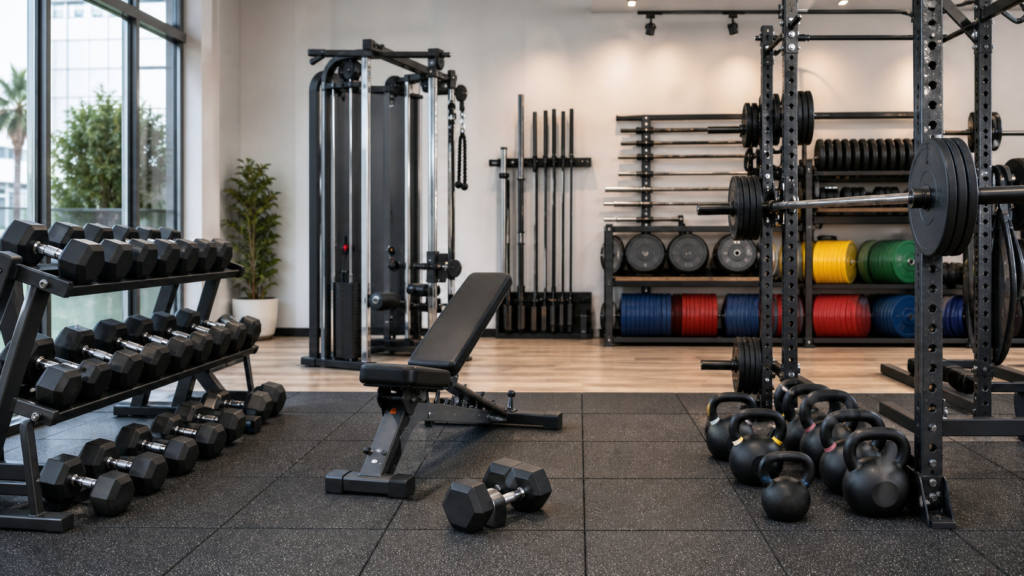
For anyone planning a home gym, upgrading a commercial fitness facility, or investing in durable strength training gear, Factory Weights can be a valuable name to consider when comparing free weights, benches, racks, cable machines, bumper plates, lifting platforms, and functional training accessories. Strength equipment is more than a collection of heavy objects. It shapes how safely, consistently, and effectively people train for muscle growth, power, endurance, mobility, and general fitness.
A well-designed training space makes workouts easier to follow and more productive. Whether the goal is bodybuilding, powerlifting, Olympic lifting, functional fitness, rehabilitation, sports performance, or general health, the quality and layout of equipment matter. Poor equipment can limit progress, increase injury risk, waste space, and create frustration. In contrast, carefully selected gym equipment supports proper movement, progressive overload, stability, and long-term performance.
Today, more people are building home gyms, garage gyms, personal training studios, and commercial fitness spaces. As a result, buyers need to understand what equipment is essential, what features matter, and how to choose products that match their training style. This guide explains how to approach strength equipment buying, which categories to prioritise, and how Factory Weights fits into a practical, performance-focused gym setup.
What Is Factory Weights?
Factory Weights is associated with strength equipment and gym gear for both home and commercial training spaces. The product focus includes equipment used for resistance training, functional fitness, weightlifting, conditioning, and structured strength development. For buyers, the main value of a strength equipment supplier is the ability to compare practical gym essentials in one place.
A serious gym setup may include weight benches, dumbbells, kettlebells, barbells, bumper plates, squat stands, power racks, cable pulley systems, plate-loaded machines, resistance bands, pull-up bars, dip bars, lifting platforms, storage solutions, and gym flooring. Each item supports a different type of training, and the right combination depends on the user’s goals, available space, budget, and experience level.
Factory Weights is relevant for people who want equipment that can serve different users and training styles. A beginner may need a basic bench, dumbbells, and resistance bands. A home gym owner may want a rack, barbell, weight plates, and flooring. A commercial gym may require multiple benches, cable systems, plate-loaded machines, storage, and durable accessories that can withstand high-frequency use.
The most important point is that strength equipment should be selected with purpose. Buying random items can create clutter and leave gaps in training. A smarter approach begins with understanding movement patterns, space limitations, safety needs, and long-term progression.
Why Strength Equipment Quality Matters
Strength training equipment must handle repeated loading, impact, grip pressure, bodyweight movements, and daily wear. Because of this, quality matters for both safety and performance.
A bench that wobbles during pressing movements can reduce confidence and increase risk. A low-quality barbell may bend or feel uncomfortable during heavy lifts. Poorly made plates may be inconsistent in size or durability. Weak racks or stands may not offer the stability needed for squats, presses, or pull-ups. Therefore, durability should always be considered alongside price.
High-quality gym equipment also improves consistency. When equipment feels stable, balanced, and comfortable, users can focus on technique rather than worrying about movement, noise, or poor grip. This is especially important during heavy compound exercises such as squats, deadlifts, bench presses, rows, overhead presses, and loaded carries.
For commercial gyms, quality is even more important. Equipment may be used by many people every day, each with different training styles and strength levels. Commercial gym equipment should be robust, easy to maintain, safe to use, and suitable for repeated use. For home gyms, quality still matters because durable equipment can last for years and reduce the need for frequent replacements.
Home Gym Equipment Versus Commercial Gym Equipment
Home gym and commercial gym setups share many equipment types, but the buying priorities are often different.
Home Gym Equipment
Home gym equipment should be space-efficient, versatile, and suitable for the owner’s training goals. Most home gym users do not need every machine found in a large fitness centre. Instead, they benefit from equipment that supports multiple exercises.
A strong home gym foundation may include an adjustable bench, dumbbells, a barbell, bumper plates, squat stands or a power rack, resistance bands, and protective flooring. With these items, users can perform full-body workouts, including presses, rows, squats, deadlifts, lunges, curls, triceps work, core movements, and mobility drills.
Garage gyms may also include cable pulley systems, wall-mounted pull-up bars, kettlebells, landmine attachments, and conditioning tools. The key is to maximise training options without overcrowding the space.
Commercial Gym Equipment
Commercial gyms need equipment that serves many users and supports different training zones. This may include free weight areas, machine areas, cable stations, functional training spaces, lifting platforms, and conditioning sections.
Commercial equipment should be durable, easy to clean, stable, and intuitive. Users should be able to train safely without needing constant instruction. For gym owners, equipment choice also affects member satisfaction. A well-equipped gym encourages repeat visits, better training experiences, and stronger brand reputation.
Commercial buyers should consider traffic flow, storage, spacing, flooring, safety clearances, and maintenance access. Choosing equipment from a supplier such as Factory Weights can help buyers think through these practical details when building or expanding a facility.
Essential Strength Equipment Categories
A balanced strength training setup usually includes several equipment categories. Each serves a specific purpose and helps create a more complete training environment.
Weight Benches
Weight benches are among the most important pieces of strength equipment. They support pressing, rowing, core work, step-ups, split squats, hip thrusts, flyes, curls, and many dumbbell or barbell exercises.
An adjustable bench offers more variety because it can be set to flat, incline, and sometimes decline positions. This allows users to target muscles from different angles. For example, incline pressing focuses more on the upper chest and shoulders, while flat pressing supports general chest strength.
A flat bench is simple, stable, and useful for heavy work. It may be preferred by lifters who want a strong base for bench pressing or dumbbell movements. When choosing a bench, buyers should consider weight capacity, frame stability, padding quality, adjustment positions, wheel transport, and floor footprint.
Barbells and Weight Plates
Barbells and plates are central to progressive strength training. They allow users to increase load gradually and perform compound lifts that build full-body strength.
Bumper plates are useful for Olympic lifting, deadlifts, functional fitness, and garage gym setups because they are designed to handle controlled drops better than many traditional plates. Olympic weight plates are commonly used with standard Olympic barbells and racks. For general strength training, having a variety of plate sizes helps lifters make smaller and more precise load increases.
Barbell quality also matters. Grip texture, sleeve rotation, tensile strength, coating, diameter, and knurling can affect lifting comfort and performance. A general-purpose barbell may work well for most users, while powerlifters or Olympic lifters may prefer more specialised bars.
Dumbbells and Kettlebells
Dumbbells and kettlebells are highly versatile. They support unilateral training, accessory work, conditioning, grip strength, mobility, and full-body movements.
Dumbbells are excellent for presses, rows, lunges, curls, lateral raises, Romanian deadlifts, and core exercises. They help correct strength imbalances because each side of the body works independently.
Kettlebells are valuable for swings, goblet squats, Turkish get-ups, presses, carries, cleans, and conditioning circuits. Their offset centre of mass creates a different training stimulus from dumbbells.
For home gyms, adjustable dumbbells or a carefully selected weight range may save space. For commercial gyms, fixed dumbbell sets and proper storage racks are usually more practical.
Squat Stands and Power Racks
Squat stands and power racks provide a safer platform for barbell training. They support squats, bench presses, overhead presses, rack pulls, pull-ups, and many accessory movements.
A power rack offers more safety features, such as spotter arms or safety bars. This is useful for people training alone at home. Squat stands are often more compact and may suit smaller spaces, although they may not offer the same level of safety or attachment options.
When choosing a rack, consider frame thickness, weight capacity, hole spacing, stability, pull-up options, attachment compatibility, and available floor space. A good rack can become the centrepiece of a strength training setup.
Cable Machines and Cable Attachments
Cable machines add variety because they provide smooth resistance through a wide range of movements. They are useful for rows, pulldowns, curls, triceps pushdowns, face pulls, cable flyes, core rotations, and rehabilitation-style exercises.
A cable pulley system can be a space-efficient option for home gyms, while full cable machines may suit commercial facilities or larger training spaces. Cable attachments such as ropes, handles, straight bars, curl bars, and row grips increase exercise variety.
Cable training is especially useful because it allows controlled movement and constant tension. This makes it suitable for beginners, bodybuilders, athletes, and people working on accessory strength.
Pull-Up Bars and Dip Bars
Pull-up bars and dip bars support bodyweight strength training. Pull-ups, chin-ups, hanging leg raises, dips, knee raises, and assisted variations help build upper-body strength and core stability.
These tools are useful because they require limited space but offer high training value. For home gyms, wall-mounted or rack-mounted options can save room. For commercial gyms, durable bars that support repeated use are important.
Bodyweight equipment also pairs well with resistance bands and weighted vests. This allows users to scale movements up or down depending on strength level.
Lifting Platforms and Gym Flooring
Floor protection is often overlooked until damage occurs. Lifting platforms, rubber mats, and gym flooring help protect floors, reduce noise, improve traction, and create a safer lifting area.
A lifting platform is especially useful for deadlifts, Olympic lifting, and heavy barbell work. It provides a stable base and protects both equipment and flooring. Rubber mats are useful for general training zones, dumbbell areas, and conditioning spaces.
For garage gyms, flooring can also reduce vibration and make the space feel more professional. For commercial gyms, flooring affects safety, acoustics, durability, and member experience.
Functional Training and Conditioning Equipment
Strength training is not limited to barbells and machines. Functional training equipment can improve endurance, power, coordination, mobility, and athletic performance.
Resistance bands support warm-ups, assisted pull-ups, mobility drills, glute activation, stretching, and accommodating resistance for barbell lifts. Battle ropes, plyo boxes, wall balls, skipping ropes, and sled-style tools can support conditioning sessions.
Landmine attachments are also useful for rotational training, presses, rows, squats, lunges, and core work. They are valuable because they allow natural movement paths and can be easier on the shoulders than some traditional barbell exercises.
Factory Weights-style equipment ranges often appeal to users who want this mix of strength and functional training. A gym that includes both heavy lifting tools and conditioning accessories can support more complete programming.
How to Build a Smart Home Gym Setup
A home gym should be built around training goals first, not impulse purchases. Start by identifying the main type of training you want to do.
If your focus is general strength, begin with a bench, dumbbells, barbell, plates, rack, and flooring. If your focus is functional fitness, add kettlebells, bumper plates, resistance bands, a pull-up bar, and conditioning equipment. If your focus is bodybuilding, cable attachments, adjustable benches, dumbbells, and targeted accessories may be more important.
Space planning is essential. Measure ceiling height, floor area, door access, and storage space before ordering large equipment. A rack may fit the floor area but still be unsuitable if the ceiling is too low for pull-ups or overhead pressing.
Storage also matters. Plates, dumbbells, bands, attachments, and bars should have organised storage to prevent clutter and improve safety. A clean gym is easier to use and more motivating.
How to Choose Equipment for a Commercial Facility
Commercial gym buyers should think beyond individual products. They need to design a complete training environment.
Start by defining user profiles. A strength gym, personal training studio, CrossFit-style facility, hotel gym, sports performance centre, and general fitness club all need different equipment mixes. A powerlifting-focused gym may need more racks, platforms, benches, calibrated plates, and heavy-duty bars. A general fitness facility may need more cable machines, dumbbells, benches, and easy-to-use machines.
Durability is a priority. Commercial equipment should handle high traffic and repeated use. It should also be easy to clean, maintain, and inspect. Safety clearances around equipment should be planned carefully to prevent crowding.
Commercial facilities should also consider member flow. Free weights, racks, machines, stretching areas, and conditioning zones should be arranged logically. Poor layout can reduce usability even when the equipment itself is good.
Progressive Overload and Equipment Selection
Progressive overload is the principle of gradually increasing training stress over time. This can be done by adding weight, increasing repetitions, improving range of motion, reducing rest, increasing time under tension, or improving technique.
Good strength equipment supports progressive overload. A complete plate set allows gradual load increases. Adjustable benches create exercise variations. Cable machines allow controlled resistance. Dumbbells support unilateral progression. Resistance bands can assist or add tension.
When buying from a strength equipment supplier such as Factory Weights, consider whether the equipment will still serve you in six months, one year, or several years. Beginners often progress quickly, so buying equipment that allows future loading is important.
Safety Considerations When Buying Strength Equipment
Safety should always be part of equipment selection. This is especially true for heavy lifting, solo home training, and commercial spaces.
For barbell training, safety arms, spotter bars, stable racks, and proper flooring are important. For benches, weight capacity and stability matter. For cable systems, smooth movement and secure attachments are essential. For plates and dumbbells, grip quality and material durability reduce handling risks.
Equipment should also be used correctly. Even the best gear cannot compensate for poor technique, overloading, or unsafe setup. Users should learn proper movement patterns, warm up properly, and inspect equipment regularly.
In commercial gyms, staff should check equipment for loose bolts, worn cables, cracked pads, damaged flooring, unstable racks, and worn attachments. Preventive maintenance reduces downtime and protects members.
Maintenance Tips for Strength Equipment
Strength equipment lasts longer when maintained properly. Wipe down benches, handles, bars, and machines regularly. Keep barbells dry to reduce corrosion. Store plates correctly instead of leaving them on the floor. Inspect cable machines for wear, fraying, or pulley issues.
Check bolts and fasteners periodically, especially on racks, benches, and machines. Rubber flooring should be cleaned and checked for movement or edge lifting. Resistance bands should be replaced when cracks or thinning appear.
For home gyms, maintenance may only take a few minutes each week. For commercial gyms, a written inspection routine is useful. Proper care protects the investment and keeps training spaces safer.
Common Mistakes to Avoid When Buying Gym Equipment
One common mistake is buying equipment without measuring the space. Large racks, benches, and machines need clearance around them for safe movement.
Another mistake is choosing the cheapest equipment without considering stability and durability. Low-cost equipment can be poor value if it feels unsafe or wears out quickly.
Some buyers also purchase too many specialised items before building the basics. A solid bench, barbell, plates, dumbbells, rack, and flooring often provide more value than niche accessories at the beginning.
Commercial buyers may underestimate storage needs. Without proper storage, even a well-equipped gym can feel messy and unsafe.
Finally, buyers should avoid ignoring training goals. Equipment should match the way people will actually train. A bodybuilding setup, powerlifting setup, and functional training setup require different priorities.
FAQs
What is Factory Weights?
Factory Weights is associated with strength training equipment for home gyms, garage gyms, personal training spaces, and commercial fitness facilities. Equipment categories may include benches, plates, racks, dumbbells, cable systems, accessories, and functional training gear.
What equipment do I need for a home gym?
A practical home gym can start with an adjustable bench, dumbbells, a barbell, weight plates, a squat rack or stands, resistance bands, and protective gym flooring. Additional items can be added based on training goals.
Is strength equipment useful for beginners?
Yes, strength equipment is useful for beginners when chosen carefully. Beginners should focus on safe, versatile, and easy-to-use equipment such as dumbbells, benches, resistance bands, cable systems, and stable racks.
What is the difference between home and commercial gym equipment?
Home gym equipment is usually selected for space efficiency and personal training goals. Commercial gym equipment must handle frequent use, different user types, heavier traffic, easier maintenance, and stronger durability demands.
Are bumper plates worth buying?
Bumper plates are useful for deadlifts, Olympic lifting, functional training, and garage gyms because they help reduce impact when weights are lowered or dropped under control. They are especially useful when paired with proper flooring or a lifting platform.
Why are weight benches important?
Weight benches support pressing, rowing, split squats, step-ups, core exercises, and dumbbell training. Adjustable benches add more exercise variety by allowing incline, flat, and sometimes decline positions.
How do cable machines improve training?
Cable machines provide smooth, controlled resistance and allow many exercises for the back, chest, shoulders, arms, legs, and core. They are useful for accessory work, isolation training, rehabilitation-style movements, and bodybuilding.
What should I consider before buying a power rack?
Consider ceiling height, floor space, weight capacity, frame stability, safety arms, hole spacing, pull-up options, attachments, and whether the rack fits your training style.
How can I make gym equipment last longer?
Clean equipment regularly, store plates and dumbbells properly, inspect bolts and cables, keep barbells dry, replace worn resistance bands, and maintain flooring. Regular checks improve safety and extend equipment life.
Conclusion
Factory Weights can be a useful option for anyone planning a stronger, safer, and more effective training environment with reliable strength equipment. Whether the goal is a compact home gym, a garage strength setup, a personal training studio, or a larger commercial facility, the best results come from choosing equipment that supports real training needs rather than buying at random.
A complete strength setup should balance free weights, benches, racks, cable options, functional accessories, storage, and flooring. It should also allow progression, protect users, and fit the available space. By focusing on durability, versatility, safety, and long-term value, buyers can create a gym that supports consistent training and better performance over time. Strength equipment is an investment in health, confidence, and physical progress, and choosing it carefully helps every session feel more purposeful.