
Choosing the right mattress is one of the most important decisions you can make for your sleep quality, posture, comfort, and overall daily energy. A good sleeping...
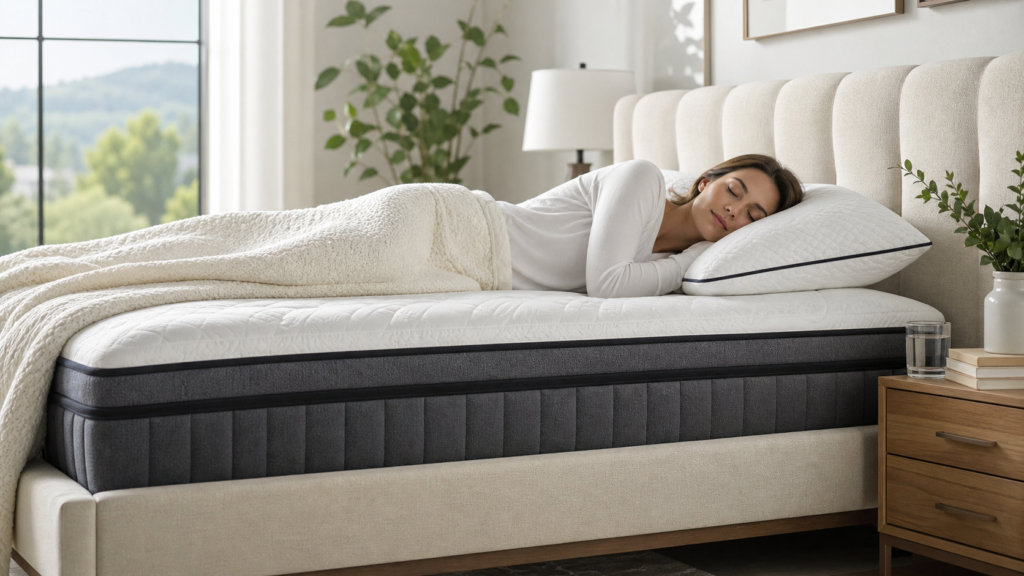
Choosing the right mattress is one of the most important decisions you can make for your sleep quality, posture, comfort, and overall daily energy. A good sleeping surface does more than feel soft when you lie down. It supports spinal alignment, relieves pressure points, reduces tossing and turning, and helps your body recover properly through the night.
Many people keep using an uncomfortable bed because they assume poor sleep is caused by stress, routine, or lifestyle alone. While those factors matter, an unsuitable mattress can make sleep problems worse. If your bed is too firm, too soft, too hot, sagging, noisy, or unable to support your sleeping position, you may wake up with back pain, stiffness, numbness, or fatigue.
Today’s mattress market includes memory foam, latex, hybrid, pocket spring, orthopedic, coir, cooling, and dual-comfort designs. Because every sleeper has different needs, the best choice depends on body weight, sleep position, firmness preference, temperature sensitivity, motion isolation, edge support, and durability. This guide explains how to compare options and choose a mattress that supports better rest.
Why the Right Mattress Matters
A mattress affects how your body rests for several hours each night. If it does not support you properly, your muscles may stay tense, your spine may fall out of alignment, and pressure may build around the shoulders, hips, lower back, and knees. Over time, this can affect comfort, sleep depth, and morning mobility.
The right mattress keeps your body in a more natural position. Your spine should remain aligned whether you sleep on your back, side, or stomach. Your heavier areas should sink slightly, while your lighter areas should remain supported. This balance between comfort and support is what separates a good mattress from one that simply feels soft in the showroom.
In addition, a suitable mattress can improve sleep continuity. If your bed causes discomfort, you may shift positions repeatedly during the night. This movement can interrupt deep sleep and leave you feeling tired even after enough hours in bed. A well-chosen mattress reduces discomfort and helps your body settle more easily.
Understanding Mattress Support and Comfort
Support and comfort are related, but they are not the same. Support refers to how well the mattress keeps your spine and body aligned. Comfort refers to how the surface feels when you lie down.
Support Core
The support core is the deeper structure of the mattress. It may be made from high-density foam, pocket springs, latex, coir, or a hybrid combination. This layer determines how stable the mattress feels and how well it prevents sagging.
A weak support core may feel comfortable at first but lose shape quickly. As the mattress begins to dip, your body may sink unevenly. Therefore, support quality is essential for long-term comfort.
Comfort Layers
Comfort layers are the top materials that cushion the body. These may include memory foam, latex foam, soft quilting, cooling foam, or adaptive grid materials. Comfort layers help reduce pressure points and improve the feel of the bed.
However, thicker comfort layers are not always better. If the surface is too soft, the body may sink too deeply. If it is too thin, pressure relief may be limited. The best mattress balances cushioning with stable support underneath.
Common Mattress Types
Different mattress types offer different benefits. Understanding these materials can help you choose more confidently.
Memory Foam Mattress
A memory foam mattress contours closely to the body. It is known for pressure relief, motion isolation, and a cushioned feel. Memory foam can be helpful for side sleepers because it allows the shoulders and hips to settle into the surface.
However, traditional memory foam can retain heat. Modern designs may include cooling technology, breathable covers, or open-cell foam to improve airflow. If you sleep hot, look for cooling features before choosing memory foam.
Latex Mattress
Latex offers a more responsive and naturally buoyant feel. It does not hug the body as deeply as memory foam, but it still provides pressure relief. Many sleepers like latex because it feels supportive, breathable, and durable.
A latex mattress may suit people who want comfort without a sinking sensation. It can also be a good option for combination sleepers who move frequently during the night.
Hybrid Mattress
A hybrid mattress combines foam or latex comfort layers with a spring support system. Pocket springs are especially popular because each coil moves independently, improving support and motion control.
Hybrid designs often provide a balance of bounce, airflow, pressure relief, and edge support. They can work well for couples, heavier sleepers, and people who want both cushioning and structure.
Pocket Spring Mattress
A pocket spring mattress uses individually wrapped springs to support the body. These springs respond separately to pressure, helping reduce motion transfer compared with older spring systems.
Pocket spring beds often feel more breathable because air can move through the spring layer. They may be suitable for sleepers who prefer a traditional, supportive feel with better airflow.
Orthopedic Mattress
An orthopedic mattress is designed to support the back, spine, and joints. However, the term can vary between brands, so it is important to look at the actual construction, firmness, and materials.
A good orthopedic mattress should support spinal alignment without creating uncomfortable pressure. It may be helpful for people with back discomfort, but firmness should still match the sleeper’s body type and position.
Dual-Comfort Mattress
A dual-comfort mattress offers different firmness levels on each side. One side may feel firmer, while the other feels softer. This can be useful for people who are unsure about their preferred feel or want flexibility over time.
Dual-sided designs can also be practical for guest rooms because different sleepers can use the side that feels more comfortable.
How to Choose the Right Mattress Firmness
Firmness is one of the most important buying factors, but it is also one of the most misunderstood. A firm mattress is not automatically better for back pain, and a soft mattress is not automatically more comfortable.
Soft Mattress
A soft mattress allows more sinkage and cushioning. It may suit lightweight sleepers and side sleepers who need pressure relief around the shoulders and hips. However, if it is too soft, it may allow the lower back to dip.
Medium-Firm Mattress
A medium-firm mattress is often the safest choice for many sleepers because it combines support with comfort. It can work well for back sleepers, combination sleepers, and couples with different preferences.
Firm Mattress
A firm mattress provides stronger surface support and less sinkage. It may suit stomach sleepers, heavier sleepers, or those who prefer a stable feel. However, a mattress that is too firm may create pressure points, especially for side sleepers.
The best firmness depends on how your body interacts with the surface. You should feel supported, but not forced into an uncomfortable position.
Mattress Selection by Sleeping Position
Your sleep position plays a major role in choosing the right mattress.
Side Sleepers
Side sleepers usually need good pressure relief because the shoulders and hips press into the bed. A medium-soft to medium-firm mattress often works well. Memory foam, latex, and hybrid designs can be suitable if they provide enough cushioning.
If a mattress is too firm, side sleepers may feel pressure around the shoulders. If it is too soft, the spine may curve downward.
Back Sleepers
Back sleepers need balanced support. The mattress should support the lower back while allowing the hips to settle slightly. A medium-firm mattress is often a good option.
A back sleeper should avoid a mattress that sags under the hips because this can strain the lower back.
Stomach Sleepers
Stomach sleepers usually need firmer support. If the mattress is too soft, the midsection can sink, causing the spine to arch unnaturally. A firm or medium-firm mattress often works better.
Stomach sleepers should also consider pillow height because a high pillow can strain the neck.
Combination Sleepers
Combination sleepers change positions during the night. They need a mattress that supports movement and does not trap the body. Latex, hybrid, and responsive foam designs can work well.
A mattress with moderate contouring and good bounce can make turning easier.
Key Features to Compare Before Buying
A mattress should be evaluated beyond basic size and price. Several features affect comfort and long-term performance.
Pressure Relief
Pressure relief is especially important for the shoulders, hips, knees, and lower back. A mattress with good pressure relief distributes body weight evenly and reduces discomfort.
Spinal Alignment
Spinal alignment means your body remains in a natural posture while sleeping. Poor alignment can cause stiffness and pain. The mattress should support curves without excessive sinking.
Motion Isolation
Motion isolation matters for couples. If one person moves, the other should not feel every shift. Memory foam and pocket spring systems often perform well in this area.
Cooling Comfort
Hot sleepers should look for breathable covers, cooling foam, latex, pocket springs, airflow channels, or temperature-regulating materials. Heat buildup can interrupt sleep and cause discomfort.
Edge Support
Edge support helps the mattress feel stable near the sides. This is useful for couples, people who sit on the bed edge, and anyone who wants to use the full sleeping surface.
Durability
A durable mattress keeps its shape and comfort for years. High-density foam, quality latex, strong pocket springs, reinforced edges, and good stitching can improve lifespan.
Choosing the Right Mattress Size
Mattress size affects comfort, room layout, and sleep freedom. A single mattress may suit one person, a child, or a compact room. A double mattress gives more space but may still feel tight for couples. A queen mattress is a popular option for couples who want comfort without taking up too much room. A king mattress provides more space and is ideal for couples, families with children who occasionally share the bed, or sleepers who move a lot.
Before buying, measure the room and bed frame. Leave enough walking space around the bed and consider whether the mattress can be moved through doors, stairs, and hallways.
Height also matters. Thicker mattresses may offer more layers and comfort, but they may require deeper fitted sheets. A thinner mattress may be easier to handle but should still provide enough support.
Mattress for Back Pain and Body Support
People with back pain often look for a firm mattress, but support is more important than firmness alone. A mattress that is too hard can increase pressure, while one that is too soft can create poor alignment.
For back discomfort, look for a mattress that supports the natural curve of the spine. Medium-firm orthopedic, memory foam, latex, and hybrid options may help depending on body type and sleep position.
It is also important to consider pillow support, sleeping posture, and bed base quality. A good mattress placed on a weak or sagging base may not perform properly.
If pain is severe, ongoing, or related to a medical condition, it is best to seek advice from a qualified healthcare professional.
Mattress Care and Maintenance
A mattress lasts longer when it is maintained properly. Use a good mattress protector to reduce stains, sweat, dust, and spills. This is especially important in humid climates or homes with children and pets.
Rotate the mattress if the manufacturer recommends it. Rotation helps distribute wear more evenly. Some mattresses are designed to be used on one side only, while dual-comfort mattresses may be flipped depending on the design.
Keep the mattress on a suitable bed frame or base. Poor support can cause sagging. Also, allow airflow around the bed where possible, especially in humid environments.
Avoid jumping on the mattress, bending it sharply, or placing it on damp floors. These habits can reduce lifespan and affect comfort.
Signs It Is Time to Replace Your Mattress
A mattress does not last forever. You may need a replacement if you notice sagging, lumps, broken springs, uneven support, body impressions, poor sleep, increased allergies, or regular back and neck pain after waking.
Another sign is discomfort that improves when sleeping elsewhere. If you sleep better in a hotel or guest room, your current mattress may no longer support you properly.
Most mattresses have an expected lifespan, but actual durability depends on material quality, body weight, usage, maintenance, and construction. Instead of relying only on age, judge the mattress by comfort, support, and condition.
Buying a Mattress Online
Buying a mattress online has become more common because it allows shoppers to compare materials, sizes, prices, reviews, and features from home. However, it is important to read product details carefully.
Check firmness level, construction layers, height, size options, return policy, warranty, trial period, delivery process, and care instructions. Reviews can be helpful, but remember that comfort is personal. A mattress loved by one person may not suit another.
When buying online, choose based on your sleep position, support needs, and material preference rather than only discounts. A low price is not good value if the mattress does not help you sleep well.
Common Mistakes to Avoid
One common mistake is choosing a mattress only by softness. A plush surface may feel comfortable for a few minutes, but it may not support your spine all night.
Another mistake is ignoring sleep position. Side sleepers, back sleepers, and stomach sleepers need different support levels. Couples should also consider motion isolation and size.
Some buyers focus only on price and overlook durability. A cheap mattress that sags quickly can cost more in the long run. Others choose a mattress that is too firm because they believe it is automatically healthier. In reality, comfort and support must work together.
Finally, many people forget the bed base. Even the best mattress can perform poorly on an uneven, weak, or incompatible foundation.
FAQs
What type of mattress is best for most people?
A medium-firm mattress often works well for many sleepers because it balances comfort and support. However, the best choice depends on sleep position, body weight, firmness preference, and pressure relief needs.
Is a memory foam mattress good for back pain?
A memory foam mattress can be good for back pain if it supports spinal alignment and does not allow excessive sinking. Medium-firm memory foam often works better than very soft foam for back support.
How do I know if my mattress is too soft?
A mattress may be too soft if your hips sink deeply, your spine feels curved, you wake with lower back pain, or you struggle to change positions during the night.
How do I know if my mattress is too firm?
A mattress may be too firm if you feel pressure on your shoulders, hips, or knees, wake with numbness, or feel like your body is resting on top of the bed without enough cushioning.
Which mattress is best for hot sleepers?
Hot sleepers may prefer latex, hybrid, pocket spring, cooling memory foam, breathable covers, or mattresses designed with airflow channels. Cooling comfort is important for uninterrupted sleep.
What mattress size should couples choose?
Couples usually benefit from a queen or king mattress. A larger mattress improves sleeping space, reduces disturbance, and allows each person to move more comfortably.
How often should a mattress be replaced?
Many mattresses need replacement after several years, but timing depends on quality, usage, care, and comfort. Replace it when it sags, feels uneven, causes discomfort, or no longer supports restful sleep.
Do I need a mattress protector?
Yes, a mattress protector helps protect against spills, sweat, dust, stains, and allergens. It can also help extend the life of the mattress and keep the sleeping surface cleaner.
Conclusion
A mattress plays a major role in sleep quality, comfort, posture, and daily well-being. The best choice is not always the softest, firmest, cheapest, or most expensive option. It is the one that matches your sleeping position, body type, support needs, temperature preference, and long-term comfort expectations.
Before buying, compare materials, firmness, pressure relief, motion isolation, cooling features, edge support, size, and durability. Memory foam, latex, hybrid, pocket spring, orthopedic, and dual-comfort mattresses each offer different benefits, so the right decision should be based on how you actually sleep. With a thoughtful approach, you can choose a mattress that supports deeper rest, better spinal alignment, and more comfortable mornings for years to come.