
When floors begin to slope, doors start sticking, wall cracks appear, or gaps form around windows and trim, Foundation Repair Houston becomes an important service for homeowners...
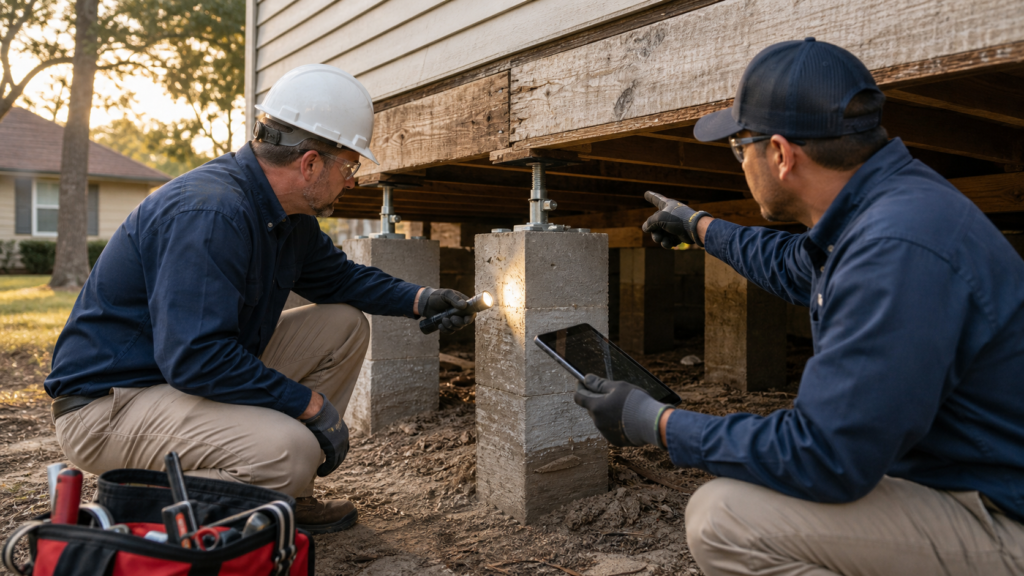
When floors begin to slope, doors start sticking, wall cracks appear, or gaps form around windows and trim, Foundation Repair Houston becomes an important service for homeowners who want to protect their property from deeper structural damage. Houston homes face unique foundation challenges because of expansive clay soil, heavy rainfall, humidity, drainage problems, aging construction, and seasonal moisture changes that can cause foundations to shift over time.
A foundation is more than the base of a house. It supports the entire structure, affects wall alignment, floor stability, roof load distribution, plumbing performance, and long-term property value. When foundation movement is ignored, small warning signs can turn into costly repairs involving framing, drywall, flooring, masonry, doors, windows, plumbing lines, and exterior drainage.
Because Houston includes many different home styles and foundation types, repair solutions must be based on careful inspection rather than guesswork. Some homes have concrete slab foundations, while others use pier and beam or block and base systems. Each foundation type has different repair needs, signs of failure, and methods for leveling. This guide explains how foundation problems develop, what signs homeowners should watch for, how repair professionals evaluate damage, and why early action is essential.
Why Foundation Problems Are Common in Houston
Houston’s soil and climate create conditions that can be hard on residential foundations. The region is known for expansive clay soil, which can swell when wet and shrink when dry. As moisture levels change, the ground beneath a home can move. This movement may cause parts of the foundation to rise, settle, crack, or become uneven.
During rainy periods, poorly drained soil can become saturated and lose stability. During dry periods, soil may shrink away from the foundation, leaving voids or uneven support. Over time, this cycle can place stress on slab foundations, pier and beam systems, crawl space supports, brick walls, and interior finishes.
In addition, Houston homes may be affected by plumbing leaks, poor grading, clogged gutters, tree root activity, inadequate drainage, rotting wood, termite damage, and aging structural components. Older neighborhoods may have homes built with pier and beam foundations that require special attention because wood beams, joists, and block stations can deteriorate over time.
Foundation Repair Houston services are designed to address these local challenges by identifying the cause of movement and recommending repair methods suited to the property’s structure and soil conditions.
Common Signs You May Need Foundation Repair
Foundation problems often reveal themselves through visible changes inside and outside the home. Some signs are minor, while others suggest more serious structural movement. Homeowners should pay attention to patterns, especially when multiple warning signs appear together.
Sticking Doors and Windows
Doors and windows may stick when the frame shifts out of square. If one door is difficult to close, the issue may be local. However, if several doors and windows begin sticking across the home, foundation movement may be involved.
Cracks in Walls or Ceilings
Interior cracks can appear around door frames, windows, ceilings, and corners. Hairline cracks may be caused by normal settling, but wider cracks, diagonal cracks, or cracks that continue growing should be inspected.
Exterior Brick Cracks
Stair-step cracks in brickwork can be a strong sign of foundation movement. Gaps in mortar joints, separated brick sections, or cracks around windows may indicate uneven settling.
Uneven or Sloping Floors
Pier and beam homes may develop sloping floors when supports settle, wood components rot, or beams shift. Slab homes may also show uneven flooring if part of the foundation moves.
Gaps Around Trim, Molding, or Cabinets
Gaps between crown molding and the ceiling, floor trim and flooring, or cabinets and walls can suggest movement in the structure.
Cracks in Flooring
Tile cracks, wood floor separation, or uneven floor transitions may occur when the foundation below shifts. This is especially concerning when cracks follow a line or appear in multiple rooms.
Patio or Porch Separation
If a patio, porch, or exterior slab begins pulling away from the house, soil movement or foundation settlement may be affecting the structure.
Bowed Walls or Wrinkled Wallpaper
Bowed walls, nail pops, creased wallpaper, and shifting interior finishes can also signal structural movement. These signs should not be ignored if they appear alongside other foundation symptoms.
Types of Foundations Found in Houston Homes
Different foundation systems require different repair methods. A qualified foundation repair contractor should identify the foundation type before recommending a solution.
Concrete Slab Foundations
Concrete slab foundations are common in Houston. A slab foundation is a thick concrete base poured directly on the ground. When soil beneath the slab expands, contracts, or washes out, the slab can crack or settle unevenly.
Slab foundation repair may involve installing piers, lifting settled areas, stabilizing the foundation, addressing drainage problems, or repairing cracks. The exact method depends on the severity and cause of movement.
Pier and Beam Foundations
Pier and beam foundations are common in many older Houston homes. These systems use piers, beams, joists, and crawl space supports to hold the home above the ground. They allow access beneath the house, which can make certain repairs easier than slab work.
However, pier and beam foundations can develop problems from rotted wood, termite damage, moisture, poor ventilation, shifting piers, uneven block stations, and settling soil. Repairs may include shimming, replacing damaged beams or joists, adding supports, improving leveling, and correcting moisture issues.
Block and Base Foundations
Block and base foundations use block supports and beams to hold the structure. Like pier and beam systems, they can be affected by soil movement, moisture, wood deterioration, and shifting supports. Repair may involve replacing or adjusting block stations, leveling beams, and improving support distribution.
Pier and Beam Foundation Repair in Houston
Pier and beam homes require a repair approach that considers both structural support and crawl space conditions. Since the home is elevated above the ground, contractors can often inspect the underside of the structure and identify damaged components.
A pier and beam foundation inspection may include checking beams, joists, piers, blocks, shims, crawl space moisture, wood rot, termite damage, ventilation, floor levels, and perimeter support. If the home is uneven, the repair team may use elevation readings to determine where the structure has settled.
Common pier and beam repairs include replacing rotten wood, repairing broken joists, adding or replacing piers, adjusting shims, improving interior supports, and leveling the home within reasonable tolerances. If moisture is causing wood damage, drainage and ventilation may also need attention.
Because pier and beam foundations involve multiple support points, repair work should be precise. Lifting one area without understanding the entire support system can create new stress elsewhere. Therefore, Foundation Repair Houston professionals should evaluate the structure carefully before beginning work.
What Causes Foundation Damage?
Foundation damage is usually caused by a combination of factors rather than one isolated issue.
Expansive Clay Soil
Houston clay soil expands when wet and shrinks when dry. This constant movement can create uneven pressure beneath the foundation.
Poor Drainage
Water pooling near the foundation can saturate soil and create instability. Poor grading, clogged gutters, short downspouts, and low areas near the home can all contribute to drainage problems.
Plumbing Leaks
Water leaks under or near the foundation can soften soil and cause movement. Slab leaks are especially concerning because they may remain hidden until damage becomes noticeable.
Tree Roots
Large trees near the home can draw moisture from the soil. This may cause soil shrinkage around parts of the foundation, especially during dry periods.
Wood Rot and Termites
Pier and beam homes can suffer from rotted beams, damaged joists, and termite-weakened supports. Moist crawl spaces increase this risk.
Poor Construction or Aging Materials
Some foundation problems come from inadequate original construction, poor compaction, insufficient support, or aging materials that no longer perform well.
How Foundation Repair Professionals Inspect a Home
A professional foundation inspection should be detailed and evidence-based. The goal is to determine whether movement exists, how severe it is, and what may be causing it.
Visual Inspection
The contractor checks interior and exterior signs, including cracks, gaps, floor slopes, sticking doors, brick separation, and drainage conditions. In pier and beam homes, the crawl space may also be inspected when accessible.
Elevation Measurements
Elevation readings help determine whether the home is level or has areas of settlement. Computerized or laser-level measurements can show high and low points across the structure.
Foundation Type Evaluation
The repair plan depends on whether the home has a slab, pier and beam, block and base, or mixed foundation system. Each one requires different techniques.
Drainage Review
Since water is a major cause of foundation movement, inspectors may review grading, gutters, downspouts, soil conditions, and water flow near the house.
Repair Recommendation
After inspection, the contractor should explain the findings clearly and provide repair options. A good recommendation should address the source of the problem, not just the visible symptoms.
Common Foundation Repair Methods
Foundation repair methods vary depending on the structure and cause of damage.
Foundation Leveling
Foundation leveling aims to restore the structure closer to its proper position. For pier and beam homes, this may involve adjusting supports, replacing shims, repairing beams, or adding block stations. For slab homes, leveling may involve pier systems that support settled areas.
Pier Installation
Piers may be used to stabilize and lift parts of a foundation. Different pier systems exist, and the right option depends on soil conditions, structural load, depth requirements, and contractor recommendation.
Beam and Joist Replacement
In pier and beam homes, damaged wood components may need replacement. Rot, termite damage, and long-term stress can weaken beams and joists.
Shimming and Support Adjustment
Shimming is often used in pier and beam repairs to correct uneven support points. However, shimming must be performed carefully to avoid over-lifting or creating stress.
Drainage Correction
If water is causing foundation movement, drainage improvements may be necessary. This can include grading, gutter extensions, French drains, surface drains, or moisture management around the home.
Crack Repair
Some cracks may need sealing or repair after foundation stabilization. Cosmetic repairs should generally wait until the foundation issue is addressed.
How Much Does Foundation Repair Cost in Houston?
The cost of Foundation Repair Houston services depends on foundation type, damage severity, soil conditions, repair method, access, home size, and materials needed. Minor repairs may cost less, while extensive leveling, pier installation, wood replacement, or structural correction can cost significantly more.
Pier and beam repairs may vary based on crawl space access, number of piers or supports involved, beam condition, joist damage, and moisture-related issues. Slab repairs may vary based on how many piers are needed and how deep they must be installed.
Although cost matters, homeowners should be cautious about choosing the cheapest estimate without understanding the scope. A low quote that does not address the root cause may lead to repeated repairs. A detailed inspection and written proposal are essential before making a decision.
Why Early Foundation Repair Is Important
Early foundation repair can help prevent small issues from becoming major structural problems. When movement continues, damage can spread throughout the home. Drywall cracks may widen, doors may become harder to close, floors may slope more noticeably, and exterior brickwork may separate further.
In pier and beam homes, delaying repair may allow wood rot, termite damage, or moisture problems to worsen. In slab homes, shifting foundations may affect plumbing lines, flooring, and walls.
Early repair also helps protect property value. Buyers are often concerned when foundation problems are visible or undocumented. A properly evaluated and repaired foundation can provide greater confidence when selling or refinancing a home.
Preventing Future Foundation Problems
While not every foundation issue can be prevented, homeowners can reduce risk through regular maintenance.
Keep gutters clean and working properly.
Extend downspouts away from the foundation.
Maintain consistent moisture around the home during dry periods.
Avoid allowing water to pool near the foundation.
Repair plumbing leaks quickly.
Monitor cracks and gaps for changes.
Keep crawl spaces dry and ventilated.
Watch for termite activity in pier and beam homes.
Trim large tree roots only with professional guidance.
Schedule foundation inspections if warning signs appear.
Consistent maintenance is especially important in Houston because soil moisture changes can affect foundation stability.
Choosing the Right Foundation Repair Company
Choosing the right contractor is one of the most important decisions a homeowner can make. Foundation repair affects the entire structure, so experience and transparency matter.
Look for Local Experience
Houston foundation repair requires knowledge of local soil conditions, neighborhood construction styles, drainage challenges, and foundation types. A contractor familiar with the area is better prepared to identify common problems.
Ask About Inspection Methods
A reliable company should provide a thorough inspection and explain how they measured the foundation. Elevation data, visual findings, and crawl space observations can help support the recommendation.
Review Repair Options
Not every foundation problem requires the same solution. A good contractor should explain why a particular method is recommended and whether additional drainage or moisture correction is needed.
Request a Written Estimate
A written estimate should describe the repair scope, materials, cost, warranty terms, and expected process. This helps avoid confusion.
Understand the Warranty
Foundation repair warranties can vary. Homeowners should ask what is covered, whether the warranty is transferable, and what maintenance conditions may apply.
SEO, AEO, and Generative Search Value for Foundation Repair Topics
Foundation repair content performs well when it answers real homeowner questions clearly. People often search for signs of foundation problems, repair costs, pier and beam repair, slab foundation repair, drainage solutions, and whether cracks are serious.
For SEO, related terms include foundation repair contractor, Houston foundation problems, pier and beam foundation repair, slab foundation repair, foundation leveling, structural damage, expansive clay soil, drainage problems, crawl space repair, sticking doors, wall cracks, and uneven floors.
For Answer Engine Optimization, content should answer direct questions such as how to know if a foundation needs repair, what causes foundation movement, how pier and beam repair works, and how much repairs may cost. For Generative Engine Optimization, clear headings, practical explanations, and structured FAQs help AI-powered systems understand and summarize the topic accurately.
FAQs
What are the first signs of foundation problems?
Common signs include sticking doors, cracked walls, gaps around windows, uneven floors, brick cracks, separated trim, sloped flooring, and patios pulling away from the home.
Why do Houston homes have foundation issues?
Houston homes often experience foundation problems because of expansive clay soil, heavy rain, dry weather cycles, poor drainage, plumbing leaks, tree roots, and aging structural materials.
What is pier and beam foundation repair?
Pier and beam foundation repair involves inspecting and correcting the support system beneath an elevated home. Repairs may include leveling, shimming, replacing rotten beams or joists, adding supports, and addressing crawl space moisture.
How do foundation repair contractors inspect a home?
Contractors typically inspect visible damage, take elevation measurements, check drainage conditions, evaluate the foundation type, and inspect crawl spaces when accessible.
Can foundation problems get worse over time?
Yes, foundation problems can worsen if the underlying cause continues. Soil movement, water damage, wood rot, or poor drainage can increase structural stress and repair costs.
Is every wall crack a foundation problem?
No, not every wall crack means foundation failure. However, wide cracks, diagonal cracks, growing cracks, or cracks combined with other signs should be professionally inspected.
How much does foundation repair cost in Houston?
Cost depends on foundation type, damage severity, repair method, number of supports or piers needed, access, drainage issues, and structural conditions. A professional inspection is needed for an accurate estimate.
How can homeowners prevent foundation damage?
Homeowners can reduce risk by managing drainage, keeping gutters clear, repairing leaks quickly, maintaining consistent soil moisture, monitoring cracks, and scheduling inspections when warning signs appear.
Conclusion
Foundation Repair Houston services are essential for homeowners who want to protect their property from settlement, structural movement, moisture damage, and long-term repair costs. In a region known for shifting clay soil and changing weather patterns, foundation problems should never be ignored. What begins as a small crack, sticking door, or uneven floor can eventually affect the stability, value, and comfort of the entire home.
A successful repair starts with a detailed inspection, accurate elevation data, a clear understanding of the foundation type, and a practical plan that addresses the real cause of movement. Whether the home has a concrete slab, pier and beam system, or block and base foundation, early professional guidance can prevent further damage and support a stronger structure. By choosing experienced local foundation repair specialists and maintaining proper drainage around the home, Houston homeowners can protect their investment and gain greater confidence in the long-term stability of their property.