
For many homebuyers, luxury living Southwest Florida represents a combination of coastal scenery, warm weather, refined homes, boating access, private golf communities, and resort-style amenities....
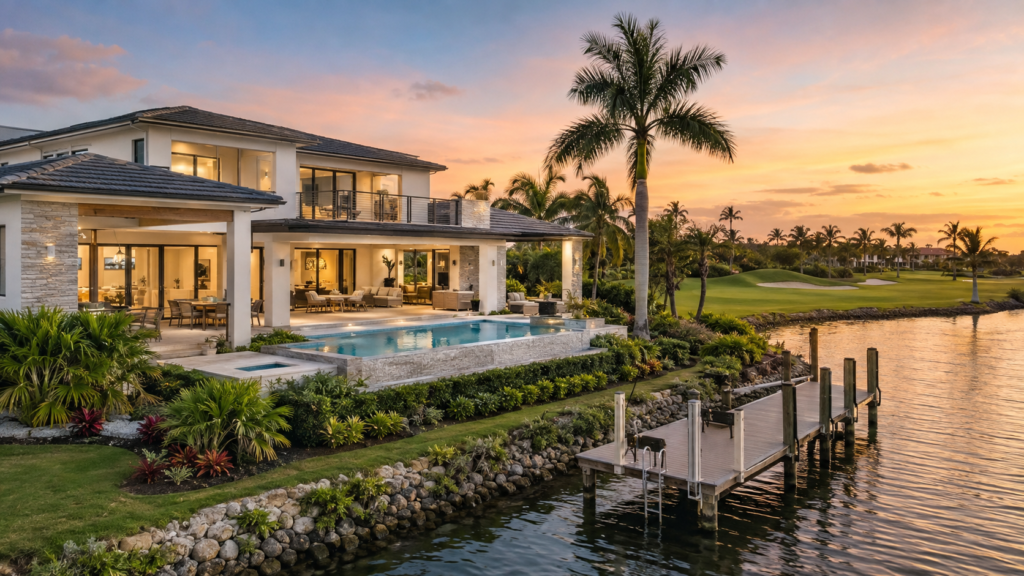
For many homebuyers, luxury living Southwest Florida represents a combination of coastal scenery, warm weather, refined homes, boating access, private golf communities, and resort-style amenities. The region includes distinctive markets such as Naples, Marco Island, Bonita Springs, Estero, Fort Myers, and nearby waterfront areas. Each location offers a different balance of privacy, convenience, recreation, architectural style, and long-term ownership responsibilities.
Luxury real estate in Southwest Florida extends beyond large homes and premium finishes. A property’s value may also be influenced by its water access, golf membership structure, community services, elevation, construction quality, outdoor living space, association finances, and proximity to beaches, marinas, dining, shopping, and healthcare.
As a result, buyers should define the lifestyle they want before comparing listings. A waterfront estate may be ideal for a boating enthusiast, while a high-rise condominium may better suit someone seeking security and low-maintenance seasonal living. Similarly, a private golf community may appeal to an active buyer who values organized recreation and a built-in social environment.
This guide explores the main property categories, communities, amenities, ownership costs, and due-diligence considerations associated with luxury living Southwest Florida.
What Defines Luxury Living in Southwest Florida?
Luxury is highly personal. For one buyer, it means a private Gulf-access dock and unobstructed sunset views. For another, it means living beside a championship golf course with access to dining, fitness, tennis, pickleball, and a full social calendar.
In Southwest Florida, luxury properties commonly offer some combination of:
- Waterfront or golf-course views
- Private boat docks and lifts
- Gulf access
- Gated entrances
- Resort-style pools
- Expansive lanais
- Outdoor kitchens
- Custom architectural details
- High ceilings and open floor plans
- Impact-resistant windows and doors
- Premium kitchens and bathrooms
- Smart-home systems
- Private elevators
- Club memberships
- Concierge or building services
- Landscaped outdoor areas
However, finishes alone do not determine whether a property supports a luxury lifestyle. Location, privacy, orientation, construction integrity, community rules, and ongoing costs can be equally important.
A well-designed residence should make daily life easier while matching the owner’s priorities. Therefore, buyers should focus on how they intend to use the property, not only how it appears during a showing.
Leading Areas for Luxury Living Southwest Florida
Southwest Florida is not a single, uniform market. Each city and coastal community has its own character, property types, amenities, and price influences.
Naples
Naples is widely associated with upscale coastal living, private golf communities, luxury condominiums, custom estates, fine dining, beaches, and carefully maintained neighborhoods.
Buyers can find Gulf-front residences, bayfront properties, gated country-club homes, high-rise condominiums, villas, and custom homes. Some neighborhoods emphasize walkability and access to restaurants or shopping, while others prioritize privacy, golf, boating, or larger homesites.
Naples may suit buyers who want:
- Established luxury neighborhoods
- Private or bundled golf communities
- Beach and boating access
- High-rise condominium options
- Refined dining and shopping
- Seasonal and full-time living choices
Because Naples contains many distinct submarkets, two homes with similar square footage may have very different values based on location, water access, membership, age, renovations, and community reputation.
Marco Island
Marco Island offers a strong waterfront identity, with canals, boating routes, condominiums, single-family homes, and access to coastal recreation.
The island may appeal to buyers seeking:
- Waterfront homes with private docks
- Beachfront condominiums
- Boating and fishing opportunities
- Island-style residential living
- Seasonal rental possibilities where permitted
Waterfront buyers should investigate bridge clearance, canal depth, dock condition, seawall integrity, boating distance, and any restrictions affecting vessel size or dock improvements.
Bonita Springs
Bonita Springs sits between Naples and Fort Myers, offering access to beaches, waterfront neighborhoods, luxury developments, golf communities, and regional shopping and dining.
The area can be attractive to buyers who want proximity to multiple Southwest Florida destinations without necessarily choosing the center of Naples. Property options include condominiums, single-family residences, gated developments, golf homes, and waterfront properties.
Estero
Estero is known for planned communities, golf neighborhoods, newer housing, convenient shopping, and access to major regional routes. It can offer a balanced lifestyle for buyers who want modern amenities and convenient travel between Naples and Fort Myers.
Many Estero communities include organized recreation, fitness facilities, pools, walking paths, social activities, and various membership structures. Buyers should examine what is included in the association fees and which facilities require separate membership.
Fort Myers
Fort Myers offers a broad range of luxury residences, including riverfront homes, high-rise condominiums, golf community properties, new construction, and estates in established neighborhoods.
Its position near the Caloosahatchee River creates boating opportunities, while the broader area provides access to healthcare, shopping, entertainment, and transportation.
Buyers should distinguish between Fort Myers, Fort Myers Beach, and surrounding communities because their property characteristics, flood exposure, rebuilding activity, insurance considerations, and lifestyle can differ significantly.
Waterfront Homes and Boating Lifestyles
Waterfront property is one of the strongest attractions associated with luxury living Southwest Florida. However, the term “waterfront” can describe very different conditions.
A property may be:
- Directly on the Gulf
- Located on a bay
- Positioned along a river
- Situated on a Gulf-access canal
- Built beside a freshwater canal
- Overlooking a lake
- Located near a marina without private dockage
The type of water access directly affects boating convenience, views, maintenance requirements, and potential resale appeal.
Questions to Ask About Water Access
Before purchasing a waterfront home, buyers should confirm:
- Whether the waterway provides Gulf access
- The approximate travel time to open water
- Bridge heights along the route
- Typical water depth
- Tidal considerations
- Boat-size limitations
- Dock and lift capacity
- Seawall age and condition
- Permitting requirements
- Maintenance responsibilities
- Marina or community restrictions
A beautiful water view does not necessarily mean the property can accommodate a particular boat. Buyers should verify the full route rather than relying on general listing language.
Seawalls, Docks, and Boat Lifts
Seawalls and docks can be valuable features, but they can also create significant maintenance expenses. A qualified inspection may help identify cracking, movement, erosion, corrosion, or structural concerns.
The condition of a boat lift is also important. Buyers should review its stated capacity, electrical components, pilings, maintenance history, and compatibility with the intended vessel.
Future replacement or improvement may require permits and professional engineering. Therefore, these features should be evaluated as functional infrastructure, not merely visual amenities.
Golf Community Living
Golf communities are another major part of luxury living Southwest Florida. The region offers private clubs, semi-private facilities, bundled golf communities, equity clubs, and neighborhoods where club participation may be optional.
The property and membership should be evaluated together. A home that appears suitable may not provide immediate access to the desired level of golf membership.
Bundled Golf Communities
In a bundled community, golf membership is generally connected to property ownership. Owners usually pay association and club-related fees as part of the community structure.
Bundled communities can offer an integrated lifestyle with golf, pools, dining, fitness, tennis, pickleball, and social programming. Nevertheless, buyers should confirm:
- Transfer procedures
- Current dues
- Initiation or transfer fees
- Tee-time policies
- Membership categories
- Capital contributions
- Food and beverage minimums
- Guest privileges
- Renovation plans
- Pending assessments
Private Golf Clubs
Private clubs may require a separate membership application, initiation fee, and annual dues. Membership availability can change, and some clubs may maintain waiting lists.
A home purchase near or within a private club does not always guarantee immediate golf privileges. Buyers should obtain current membership information directly through the appropriate parties and understand whether membership is mandatory, optional, transferable, or subject to approval.
Beyond the Golf Course
Modern golf communities often provide much more than golf. Amenities may include:
- Fitness centers
- Spa services
- Resort-style pools
- Tennis and pickleball
- Bocce
- Walking trails
- Restaurants
- Social clubs
- Community events
- Beach access or beach clubs
- Marina facilities
The right community should match the entire household’s interests. A buyer who plays golf occasionally may value dining, fitness, and social programs more than unlimited course access.
Luxury Condominiums and High-Rise Living
Luxury condominiums can provide expansive views, security, shared amenities, and reduced exterior maintenance. They are particularly attractive to seasonal residents who want to lock the door and leave without managing a large property year-round.
Common high-rise features may include:
- Gulf, bay, river, or city views
- Controlled building access
- Concierge or management services
- Fitness facilities
- Pools and spas
- Guest suites
- Social rooms
- Covered parking
- Private or semi-private elevators
- On-site maintenance
- Beach or marina access
However, condominium buyers should examine more than the unit itself. The building’s finances, reserves, insurance, maintenance planning, structural history, rules, and pending assessments can materially affect ownership.
Condominium Due Diligence
Important documents may include:
- Association budgets
- Reserve information
- Meeting minutes
- Insurance summaries
- Rules and restrictions
- Current assessments
- Planned capital projects
- Engineering or inspection reports
- Rental policies
- Pet policies
- Parking assignments
- Storage rights
- Renovation requirements
Waterfront exposure can increase maintenance demands on building exteriors, balconies, windows, roofs, and mechanical systems. Buyers should understand both current fees and the possibility of future capital expenses.
Custom Estates and New Construction
Custom estates allow buyers to prioritize architectural style, room layout, outdoor living, technology, privacy, and site orientation. New construction may also offer modern building methods and systems, although quality varies by builder, design, materials, and supervision.
A custom project can involve:
- Land acquisition
- Architectural planning
- Builder selection
- Interior design
- Engineering
- Permitting
- Community design review
- Construction financing
- Inspections
- Change orders
- Final walkthroughs
- Warranty coordination
The process may take substantially longer than purchasing an existing home. Buyers should establish a realistic budget that includes design fees, site preparation, landscaping, pool construction, furnishings, upgrades, and contingencies.
Builder Representation
A builder’s sales representative works for the builder. Buyers considering new construction may benefit from independent professional guidance before visiting a sales center or signing registration documents.
Builder policies can affect whether a buyer’s representative must be registered during the first visit. These policies vary, so buyers should clarify representation early rather than assuming it can be added later.
Evaluating Existing Luxury Homes
Existing homes may provide established landscaping, completed outdoor spaces, and a more immediate understanding of the surrounding neighborhood. However, buyers should investigate:
- Roof age and condition
- Window and door protection
- HVAC systems
- Plumbing and electrical systems
- Pool and equipment
- Water intrusion history
- Previous storm repairs
- Permits
- Renovation quality
- Seawall and dock condition
- Pest or moisture concerns
A visually impressive renovation should still be evaluated for workmanship, permits, material quality, and compatibility with the home’s major systems.
Outdoor Living as an Extension of the Home
Outdoor areas are central to luxury living Southwest Florida. Many homes are designed around covered lanais, pools, outdoor kitchens, water views, and indoor-outdoor entertaining.
Useful outdoor features may include:
- Screened pool enclosures
- Covered dining areas
- Outdoor kitchens
- Fire features
- Retractable screens
- Ceiling fans
- Storm-rated shutters
- Pool heating systems
- Integrated lighting
- Durable exterior materials
- Privacy landscaping
Orientation matters because it influences sunlight, shade, indoor temperature, and sunset views. A western exposure may offer dramatic evening light, while another orientation may provide different levels of shade throughout the day.
Buyers should consider how the outdoor space will feel during the hours they expect to use it. They should also review maintenance requirements for pools, screens, decking, landscaping, irrigation, and waterfront structures.
Insurance, Flood Risk, and Storm Readiness
Coastal ownership requires careful evaluation of insurance availability, property condition, flood exposure, and storm-related features. Insurance costs and coverage terms can vary widely according to location, construction, roof age, elevation, claims history, and current market conditions.
Before the inspection or financing period expires, buyers may wish to obtain insurance quotations and review:
- Flood-zone information
- Elevation documentation
- Wind mitigation features
- Roof permits and age
- Impact-resistant openings
- Shutter systems
- Flood insurance requirements
- Deductibles
- Coverage limits
- Policy exclusions
- Association insurance where applicable
A property outside a lender-designated high-risk flood area is not automatically free from flood risk. Likewise, a home with storm-protection features still requires an emergency plan and appropriate maintenance.
Insurance requirements can change, so buyers should rely on current quotations and professional guidance rather than estimates from previous years.
Understanding Ownership Costs
The purchase price is only one part of the financial picture. Luxury homeowners may also pay:
- Property taxes
- Homeowners insurance
- Flood insurance
- Association fees
- Club dues
- Membership initiation fees
- Special assessments
- Pool maintenance
- Landscaping
- Pest control
- Dock and seawall maintenance
- Property management
- Utilities
- Security monitoring
- Routine repairs
- Seasonal preparation
A waterfront estate, golf community home, and high-rise condominium can have very different cost structures. Buyers should prepare an annual ownership estimate for each property under consideration.
Association and club fees can change over time. Therefore, current figures should be verified during due diligence, together with any approved or proposed capital projects.
Full-Time Versus Seasonal Ownership
Some buyers relocate permanently, while others use their Southwest Florida residence during part of the year. The ideal property may depend on how frequently it will be occupied.
Full-Time Residents
Full-time owners may prioritize:
- Healthcare access
- Daily shopping
- School or family needs
- Home office space
- Year-round social activities
- Storage
- Community involvement
- Convenient regional travel
Seasonal Residents
Seasonal owners may place greater emphasis on:
- Building security
- Property management
- Storm preparation
- Low exterior maintenance
- Lock-and-leave convenience
- Vehicle storage
- Remote home monitoring
- Association services
A high-rise condominium or managed gated community may simplify seasonal ownership. A standalone waterfront estate may offer more privacy and boating access but require additional maintenance and oversight.
Choosing the Right Community
The best community is the one that fits the buyer’s actual routine. A prestigious name or impressive clubhouse may have limited value if the location, membership, rules, or atmosphere does not match the household.
During community visits, evaluate:
- Travel time to preferred destinations
- Traffic during peak season
- Access to beaches and boating
- Golf membership availability
- Dining and social culture
- Fitness and recreation
- Privacy
- Construction activity
- Rental restrictions
- Pet policies
- Architectural standards
- Guest access
- Noise levels
- Long-term development plans
Visit at different times when possible. A neighborhood may feel different during a weekday morning, a weekend afternoon, or the busier winter season.
Buying a Luxury Home Strategically
A disciplined buying process helps prevent emotion from replacing due diligence.
Define Non-Negotiable Priorities
Separate essential features from preferences. For example, direct Gulf access may be essential, while a particular countertop material may be easily changed.
Compare Communities Before Individual Homes
Community fees, membership structures, rules, and location can be harder to change than interior finishes. Choose the broader lifestyle first, then evaluate specific properties.
Review Comparable Sales
Luxury homes are often unique, so price-per-square-foot comparisons can be incomplete. View, lot quality, water access, renovations, membership, floor plan, and construction quality may explain substantial price differences.
Conduct Appropriate Inspections
Depending on the property, inspections may cover the structure, roof, pool, seawall, dock, electrical system, plumbing, HVAC, moisture, pests, and specialty equipment.
Confirm Costs Early
Obtain current estimates for insurance, association fees, club expenses, taxes, maintenance, and planned improvements before the contractual deadlines.
Plan for Negotiation
Negotiation can involve more than price. Closing timing, furniture, repairs, inspections, club-related arrangements, and other terms may influence the agreement.
Preparing a Luxury Home for Sale
Sellers competing in the luxury market should present both the property and its lifestyle. Qualified buyers want to understand how the home’s location, layout, views, amenities, and community support daily living.
Important preparation steps may include:
- Completing deferred maintenance
- Addressing visible moisture or exterior wear
- Servicing major systems
- Organizing permits and warranties
- Improving landscaping
- Cleaning windows and outdoor areas
- Reducing excess furniture
- Staging important rooms
- Preparing association and club information
- Using professional photography
- Presenting accurate property details
Pricing should reflect current market conditions, recent comparable sales, property condition, location, and distinctive features. An unrealistic asking price can reduce early interest, while insufficient preparation may prevent buyers from recognizing the home’s full value.
The Role of Local Real Estate Knowledge
Luxury transactions often involve details that are highly specific to the property and community. Golf membership structures, boating routes, association requirements, construction trends, flood considerations, and neighborhood demand can vary within a short distance.
A knowledgeable local professional can help buyers compare communities, interpret market activity, coordinate inspections, investigate property characteristics, and manage the transaction process. Sellers may benefit from informed pricing, targeted presentation, and marketing designed for qualified luxury buyers.
However, buyers and sellers should still use appropriate legal, tax, insurance, inspection, and financial professionals when specialized advice is required.
Frequently Asked Questions
What makes Southwest Florida attractive to luxury homebuyers?
The region combines coastal scenery, warm weather, boating, beaches, private golf communities, outdoor living, luxury condominiums, custom estates, dining, and recreational amenities. The available lifestyle differs by city and community.
Which areas are popular for luxury living Southwest Florida?
Naples, Marco Island, Bonita Springs, Estero, and Fort Myers are prominent markets. The right location depends on whether the buyer prioritizes beaches, golf, boating, privacy, high-rise living, shopping, or regional access.
Is a waterfront home always suitable for boating?
No. Some waterfront properties are located on freshwater canals, lakes, shallow waterways, or routes with bridge restrictions. Buyers should confirm navigability, depth, bridge clearance, dock capacity, and access to open water.
What is a bundled golf community?
A bundled community generally connects golf membership to property ownership. Specific dues, transfer rules, tee-time policies, and membership privileges vary, so buyers should review current community documents.
Does buying a home in a private golf community guarantee membership?
Not necessarily. Some clubs have separate applications, initiation fees, membership categories, or waiting lists. Membership availability should be verified before purchasing.
Are luxury condominiums easier to maintain?
Condominiums can reduce individual exterior maintenance and offer security or shared amenities. However, owners remain responsible for association fees, assessments, interior care, and the financial condition of the building.
What inspections are important for a waterfront property?
In addition to a general home inspection, buyers may need specialist evaluations of the seawall, dock, boat lift, pool, roof, moisture conditions, and storm-protection systems.
How should buyers estimate total ownership costs?
They should consider taxes, insurance, flood coverage, association fees, club dues, assessments, maintenance, landscaping, pool service, dock or seawall expenses, utilities, and property management.
Is new construction better than an existing luxury home?
Neither option is universally better. New construction can offer customization and modern systems, while an existing home may provide established landscaping, completed amenities, and a faster move-in timeline. Quality and value depend on the specific property.
Can a Southwest Florida luxury home be used as a seasonal residence?
Yes, but seasonal owners should plan for security, property management, storm preparation, maintenance, remote monitoring, and association rules during periods when the home is vacant.
Conclusion
Luxury living Southwest Florida offers a diverse combination of waterfront estates, golf community homes, high-rise condominiums, custom residences, boating access, and resort-style amenities. Nevertheless, choosing the right property requires more than admiring the view or interior design. Buyers should compare locations, water access, membership structures, association finances, insurance considerations, ownership costs, construction quality, and long-term maintenance needs. They should also determine whether the home supports full-time living, seasonal use, boating, golf, entertaining, or a quieter low-maintenance lifestyle. With careful due diligence and informed local guidance, buyers can approach luxury living Southwest Florida with realistic expectations and select a property that supports both their financial priorities and preferred way of life.