
A diesel generator is one of the most dependable ways to keep a facility running when the mains supply fails. But the engine alone is...
A diesel generator is one of the most dependable ways to keep a facility running when the mains supply fails. But the engine alone is only part of the solution. For most commercial, industrial, and residential applications, what you actually need is a diesel generator low voltage system, which pairs the generator with the switchgear, controls, and protection that deliver power safely to your equipment. This guide explains how low voltage generator systems work, the key specifications to understand, and how to choose the right setup for your needs.
What Does Low Voltage Mean in This Context?
In the power industry, low voltage refers to electrical systems that operate at a relatively low potential compared to medium and high voltage lines. Low voltage generators typically supply power in the range of a few hundred volts, commonly 380 to 440 volts in many regions, and are used to feed equipment directly at the site. Medium voltage generators, by contrast, step up to thousands of volts, usually to transmit power over longer distances or feed larger distribution networks.
For the majority of buildings, factories, data centers, hospitals, and commercial sites, a low voltage diesel generator is the standard choice. It produces power at a level that can be used directly without the need for additional transformation, which keeps the entire system simpler, more compact, and more economical to install and maintain.
How a Diesel Generator Low Voltage System Works
A complete low voltage generator system is made up of several key components that work together. The diesel engine drives an alternator, which converts mechanical energy into electrical power. That power then passes through the generator’s control and protection equipment before reaching your loads.
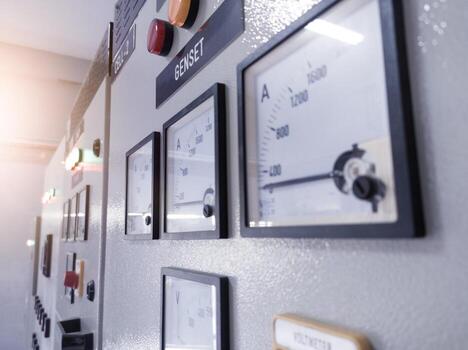
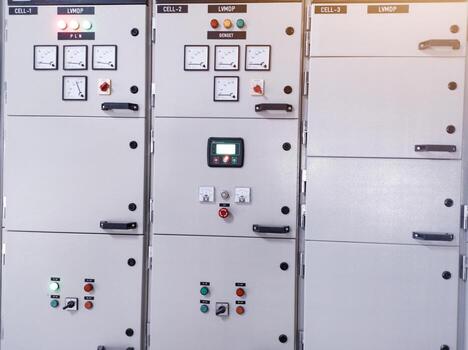
The low voltage panel, or switchgear, is the heart of the system. It houses the breakers, meters, and protection devices that manage the flow of electricity, monitor output, and shut the system down safely in the event of a fault. Ammeters, voltmeters, and power meters let operators see exactly what the generator is producing, while protective relays guard against issues like overload, short circuit, and abnormal voltage.
In many installations, an automatic transfer switch, or ATS, is the component that makes the whole setup useful without constant manual attention. When the mains power fails, the ATS detects the loss, starts the generator, and switches the load over automatically. When power returns, it switches back and shuts the generator down. This is what allows a standby system to provide seamless, reliable backup power.
Key Specifications to Evaluate
Choosing the right low voltage diesel generator comes down to a handful of technical specifications. The most important is the power rating, usually expressed in kilovolt-amperes or kilowatts. You should size a generator to handle not just your current load, but also the inrush of motors and other equipment that draw extra power when they start. Under-sizing is a common and costly mistake.
Voltage and frequency are fundamental as well. Your generator must match the voltage and frequency used by your site, such as 50 or 60 hertz depending on your region, to run your equipment correctly. For low voltage systems, this typically means confirming the operating voltage range of the breaker panels and loads.
Other factors worth reviewing include the enclosure type, whether the generator is stationary or a soundproof container, and how the unit handles noise and vibration. If the generator sits close to occupied spaces, a soundproof enclosure greatly reduces operational noise. For installs that need flexibility, a containerized or soundproof box design makes placement and maintenance easier.
Selecting the Right Configuration
Before you buy, think carefully about how the generator will be used. A system that runs only during power outages is a standby application, while one that runs for long hours or during peak demand is a prime or continuous application. Standby generators are sized for shorter, intermittent use, whereas prime power sets are built to handle sustained loads. Matching the generator to its duty cycle is essential for reliability and longevity.
It is also worth planning for fuel supply, ventilation, and installation. Generators need an adequate and safe fuel source, proper exhaust routing, and enough airflow to cool the engine. These installation requirements are just as important as the generator itself, and a professional installation that accounts for them protects both the equipment and the building.
Maintenance and Operator Awareness
A well-maintained generator is far more likely to start when you need it. Routine maintenance includes regular inspection, keeping the fuel clean, checking the battery, testing the cooling system, and running the generator under load periodically to confirm it still performs. Many facility owners schedule load-bank testing, which places an artificial load on the generator to verify it can produce its rated power.
For operators, understanding the low voltage panel is important too. Knowing how to read the meters, recognize warning indicators, and reset the system after a trip helps you respond quickly and safely. A generator that sat untested for months is the one most likely to fail during an emergency, so disciplined upkeep is the single best way to keep your backup power ready.
Frequently Asked Questions
What is a diesel generator low voltage system?
It is a complete backup power setup where a diesel engine drives an alternator to produce power at low voltage, typically a few hundred volts, which is delivered directly to the site’s equipment through a low voltage switchgear panel and control system.
What voltage does a low voltage diesel generator produce?
Low voltage generators commonly produce power around 380 to 440 volts in many markets, though the exact figure depends on the region and the load requirements. The generator is selected to match the voltage and frequency of the facility it supplies.
What components make up a low voltage generator system?
A typical system includes the diesel engine, an alternator, a low voltage switchgear or power panel containing breakers and meters, protective relays, and often an automatic transfer switch that shifts the load on and off during an outage.
What is the difference between standby and prime power generators?
Standby generators run only during an outage for limited, intermittent hours, while prime power generators are designed to carry a sustained load for extended periods. Matching a generator to its intended duty cycle is important for reliability and service life.
Do I need an automatic transfer switch?
An automatic transfer switch lets the generator start and take over the load automatically when mains power fails, without someone manually switching it. For facilities that cannot afford downtime, it is an essential part of a reliable low voltage system.
How often should a diesel generator be maintained?
Regular maintenance should include scheduled inspections, fuel management, battery checks, and periodic load testing. Running the generator under load on a routine basis is a strong way to confirm it will come online when an outage occurs.
Conclusion
A diesel generator low voltage system is the backbone of reliable standby power for countless businesses, industrial facilities, and residential buildings. Understanding how it works, from the engine and alternator to the switchgear and automatic transfer switch, helps you make better decisions and maintain the system with confidence. By sizing correctly, matching the generator to its intended duty, planning the installation, and keeping up with regular maintenance, you can build a backup power setup that performs exactly when it is needed most. With the right equipment and well-informed operation, a low voltage diesel generator delivers genuine peace of mind for years to come.