
A damaged roof is one of the most stressful problems a homeowner can face. Water can get in, ceilings can stain, and a small issue...
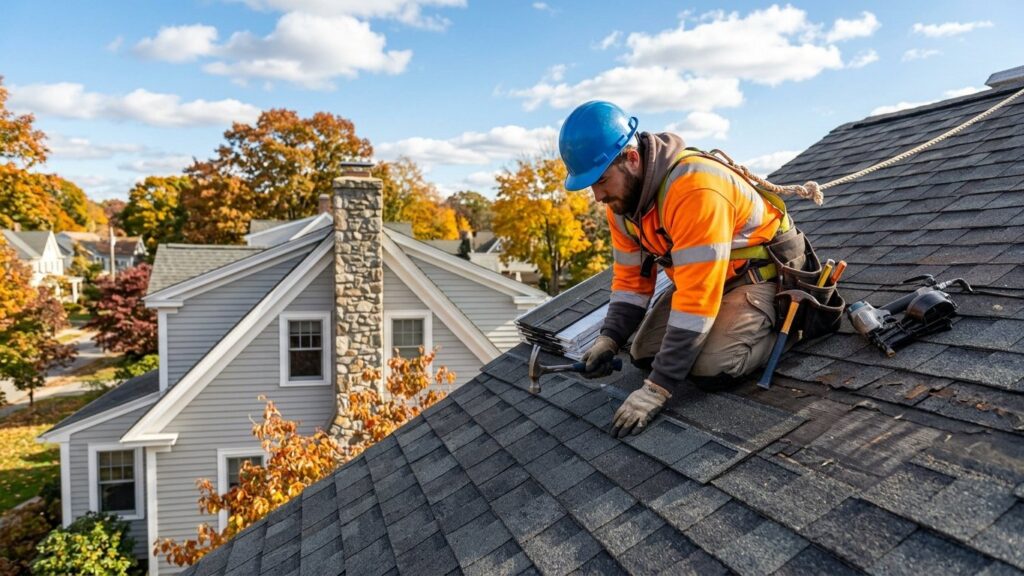
A damaged roof is one of the most stressful problems a homeowner can face. Water can get in, ceilings can stain, and a small issue can quickly turn into an expensive emergency. In Connecticut, where snow, ice, and strong storms are common, roof repair in CT is something most homeowners deal with at some point. This guide explains the common signs of roof damage, what causes it, and how to decide whether you need a repair or a full replacement.
Common Signs Your Roof Needs Repair
Your roof gives you clear warning signs before it fails completely. Recognizing them early saves money and prevents bigger damage. Watch for these issues:
- Missing or damaged shingles. Curled, cracked, or even missing shingles expose the roof to water and wind.
- Roof leaks. Water stains on ceilings or walls often point to a leak somewhere on the roof.
- Pooled water. Water that gathers on top of the roof is a sign of poor drainage or a sagging area.
- Holes, punctures, or exposed spots. These let moisture in and weaken the roof structure.
- Cracking or blistering. Shingles that shrink, crack, or blister are aging and losing protection.
- Snow and ice damage. Ice dams and heavy snow can lift shingles and cause leaks.
- Tree and storm damage. Falling branches and high winds commonly dent or tear roofing.
If you notice any of these, it is worth having a professional inspect the roof. Early detection often means a smaller, cheaper fix.
The Connecticut Climate Factor
Connecticut’s weather is hard on roofs. In winter, snow and ice create ice dams along the eaves, which can push water up under the shingles. Repeated freezing and thawing also causes shingles to expand and contract, which speeds up cracking and deterioration.
Summer brings intense sun and humidity, which can dry out and blister older shingles. Severe thunderstorms and windstorms, especially in spring and summer, can lift shingles or drop branches onto the roof. Because of this constant cycle of weather damage, homes in Connecticut tend to need roof inspection and maintenance more often than homes in milder climates.
Repair vs. Replacement: How to Decide
Not every roof problem needs a full replacement. The key is knowing when a repair is enough. In general, if you can extend the life of your roof for several more years without replacing it, a repair is the best and most affordable choice.
The main factors to weigh are the age and wear of your shingles, and how vulnerable your roof is to future damage. If the damage is isolated, such as a few missing shingles or one small leak, a targeted repair often works well. If the roof is old, widespread damage is present, or the shingles are degrading across the whole surface, replacement is usually the wiser investment.
Rather than guessing, a licensed roofing contractor should inspect the roof and give you an honest assessment. A good contractor will tell you whether a repair can extend the roof’s useful life, or whether replacement makes more sense for your budget and your property.
Why Roof Repair Should Not Wait
Roof problems tend to get worse the longer you ignore them. A small leak can damage insulation, drywall, and even the structure of your home. Moisture also invites mold, which is a health concern and an expensive cleanup. Waiting also means the damage spreads to more shingles and more of the roof deck, which raises the total cost of the job.
Acting quickly, especially after a storm or during the first sign of a leak, is the most cost-effective approach. Fast repair contains the problem, protects your home, and often keeps the cost low.
What to Look for in a Roofing Contractor
Choosing the right contractor matters as much as the repair itself. Look for a licensed roofing professional with experience in your area. A reputable company will offer a clear estimate, explain the repair in plain language, and stand behind the work.
A strong contractor is trained, experienced, and committed to good customer service. Many quality roofing companies are certified by major manufacturers, which can give you access to extended manufacturer-backed warranties on the roofing system. When a warranty is backed by a large roofing manufacturer, you have greater confidence that it will actually be honored. Asking about certifications, warranties, and references helps you find a contractor you can trust with your home.
Frequently Asked Questions
How do I know if my roof needs repair or replacement?
Look at the age and condition of your shingles. If the damage is isolated and the roof still has years of life left, a repair is often enough. If the shingles are old, cracked, or failing across the whole roof, replacement is usually the better choice. A professional inspection gives you a clear answer.
What are the most common causes of roof damage in Connecticut?
Snow and ice, ice dams, freezing and thawing, hot summer sun, and severe storms are the main causes. Tree branches and wind can also lift or tear shingles. This constant weather pressure is why CT roofs need regular checks.
How much does roof repair cost in Connecticut?
Costs vary widely depending on the extent of the damage, the materials, and the size of the roof. Minor shingle repairs cost far less than widespread repairs or structural work. A contractor should give you a clear, written estimate before any work begins.
Can I repair my roof myself?
Small, simple fixes are sometimes possible, but roofing work is risky and easy to get wrong. Working at height, and getting the repair sealed correctly to prevent leaks, are best left to a licensed professional. An unsealed amateur repair can cause far more damage than it fixes.
How quickly should I fix a roof leak?
As soon as possible. Water damage spreads fast, affecting insulation, drywall, and the roof structure, and it can lead to mold. In an emergency, many roofing companies offer same-day or 24-hour leak repair to stop the water right away.
How long does a roof repair take?
Most minor repairs are finished in a day or less. Larger repairs, or those covering a bigger area, may take a few days depending on weather and scope. A contractor will give you a realistic timeline based on the work needed.
Conclusion
Roof repair in CT is something most homeowners will face at some point, and the best time to act is early. Recognizing the warning signs, understanding how the local climate affects your roof, and knowing when a repair is enough are all key to protecting your home and your budget. When you need help, a licensed, certified contractor who stands behind their work makes all the difference. By acting quickly and choosing the right professional, you can stop the damage, extend the life of your roof, and enjoy peace of mind knowing your home is protected.