
A grinding wheel is one of the most essential tools in any workshop. It is a hard, durable disc made from abrasive minerals or metallic...
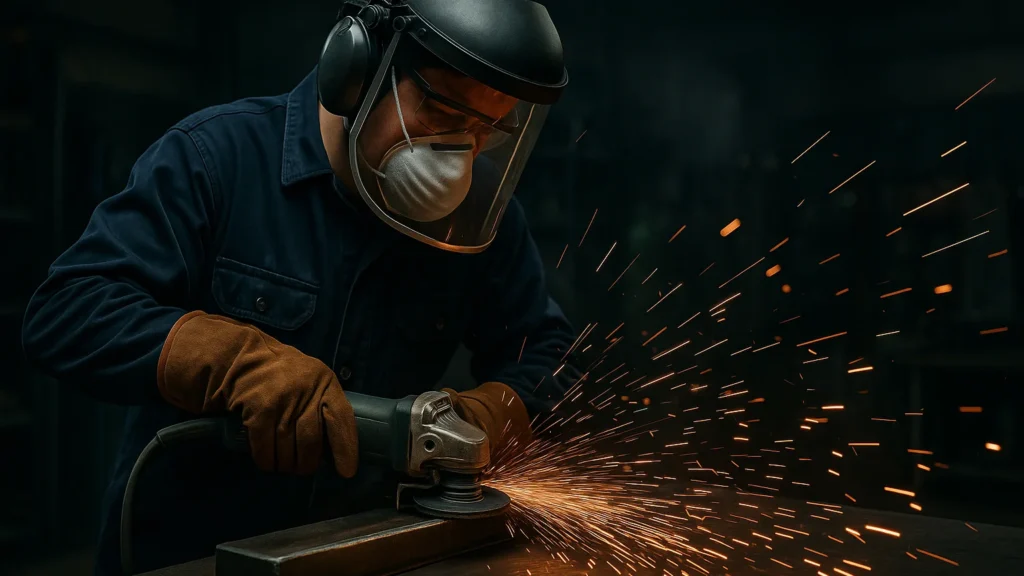
A grinding wheel is one of the most essential tools in any workshop. It is a hard, durable disc made from abrasive minerals or metallic compounds, used to shape, sharpen, polish, and remove material from metal, stone, and other hard surfaces. For as long as humans have worked with metal and stone, abrasive wheels have helped them cut, refine, and finish surfaces. This guide explains what it is, the main types available, where they are used, and how to choose the right one for your job.
What Is a Grinding Wheel?
A grinding wheel is a circular abrasive tool used for material removal, surface finishing, cutting, and sharpening. It is made from graded abrasive grains held together by a bonding agent, which gives the wheel a specific hardness and structure. When the wheel spins at high speed and touches a workpiece, the abrasive grains grind away the unwanted material and leave a refined, smooth surface.
The structure of the wheel matters a great deal. Its hardness, porosity, and grain type all vary depending on what it is grinding and how much material needs to be removed. Some wheels are designed to cut aggressively and remove metal quickly, while others are built for fine, precise finishing. Matching the wheel to the job is what produces good results and a long tool life.
Types of Grinding Wheels
Grinding wheels come in many shapes and bond types, each suited to a different task. Understanding the main categories helps you make the right choice.
- Straight wheels. The most widely used type, ideal for surface grinding and shaping flat areas. They handle a broad range of general-purpose grinding work.
- Cylindrical wheels. Used to smooth the outer surfaces of cylinders, shafts, and pipes, making them a common choice for precision cylindrical grinding.
- Tapered wheels. Designed for grinding in narrow, hard-to-reach spaces where a standard wheel cannot fit comfortably.
- Vitrified wheels. Fired and bonded for use on hardened metals and high-strength materials, known for their strength, durability, and solid shape retention.
- Ceramic wheels. Ideal for precision grinding and fine surface finishing; they are long-lasting and well suited to high-speed operations.
- Diamond wheels. Preferred for grinding extremely hard materials such as ceramic, glass, and stone, where a standard abrasive wheel would wear out too quickly.
- Cutting and grinding discs. Thin circular wheels that handle both cutting and grinding of metal, offering speed and versatility across many jobs.
There are also specialized shapes, including conical cup wheels and flat cup wheels, which are best suited to grinding stone, marble, mosaic, and concrete, as well as coarse burr removal on metal. Recessed grinding discs suit fine, sensitive deburring work in narrow areas.
Where Grinding Wheels Are Used
Grinding wheels support a huge range of industries, and their applications are as varied as the materials they process.
In metalworking, abrasive wheels smooth, shape, and sharpen metal. They handle material removal and surface refinement of steel, aluminum, and other alloys, and in heavy industry they are used to grind railway tracks, pipelines, and large metal components.
In construction, wheels cut, level, and polish hard building materials like concrete, marble, and granite. They help achieve smooth floors and precise shaping of stone blocks and tiles.
In automotive manufacturing and repair, abrasive tools are used to finish engine components, shafts, and mechanical parts so they meet tight tolerance specifications.
In woodworking, finer wheels deliver surface smoothing and detailed craftsmanship.
In precision fields such as jewelry making, dentistry, and ceramic work, small and fine abrasive discs enable micro-grinding and accurate shaping.
In blacksmithing and blade-making, these wheels are essential for sharpening cutting tools and forging blades.
How to Choose the Right Grinding Wheel
Choosing the right wheel is not a one-size-fits-all decision. Several factors determine which one will work best for your application.
First, consider the material you are grinding. Hard metals, stone, ceramic, and glass each need a different type of abrasive. An aluminum oxide wheel works well on steel and metals, while a diamond wheel is required for glass, ceramic, or stone. Selecting the wrong abrasive can produce poor results and wear the wheel out quickly.
Second, think about the bond and hardness. Softer bonds release the abrasive grains faster, which suits hard materials and keeps the wheel cutting freely. Harder bonds hold grains longer and are better for softer materials and lighter finishing work. The right balance keeps the wheel sharp and prevents it from loading up or glazing over.
Third, match the wheel’s shape and size to your machine and the work geometry. Cup wheels and recessed discs fit specific tasks, while straight and cylindrical wheels suit general and precision grinding. Always confirm that the wheel’s speed rating matches or exceeds your grinder’s operating speed, since running a wheel too fast is unsafe and reduces performance.
Finally, choose a wheel from a reputable manufacturer that uses quality abrasive grains and consistent bonding, because that consistency is what delivers predictable results, longer wheel life, and safer operation.
Safety When Using Grinding Wheels
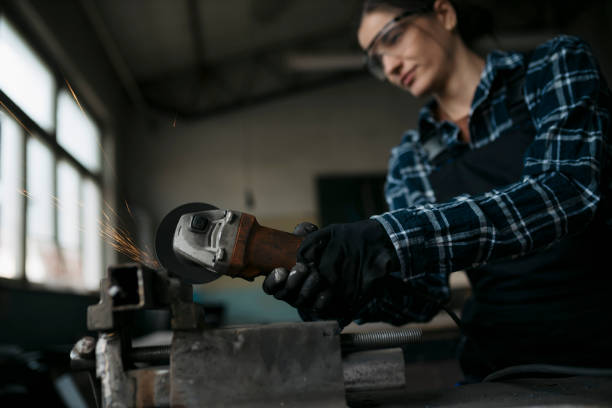
Grinding is a high-speed, high-energy process, so safety is essential. Always use a wheel that is rated for your machine’s speed, inspect it for damage before mounting, and never remove the wheel guard. Wear appropriate personal protective equipment, including safety glasses or a face shield, gloves, hearing protection, and a dust mask, since grinding generates sparks, noise, and airborne particles.
Let the wheel do the work rather than forcing it, and keep the workpiece adequately supported. Following these basic precautions protects you and ensures the wheel performs as it should.
Frequently Asked Questions
What is a grinding wheel made of?
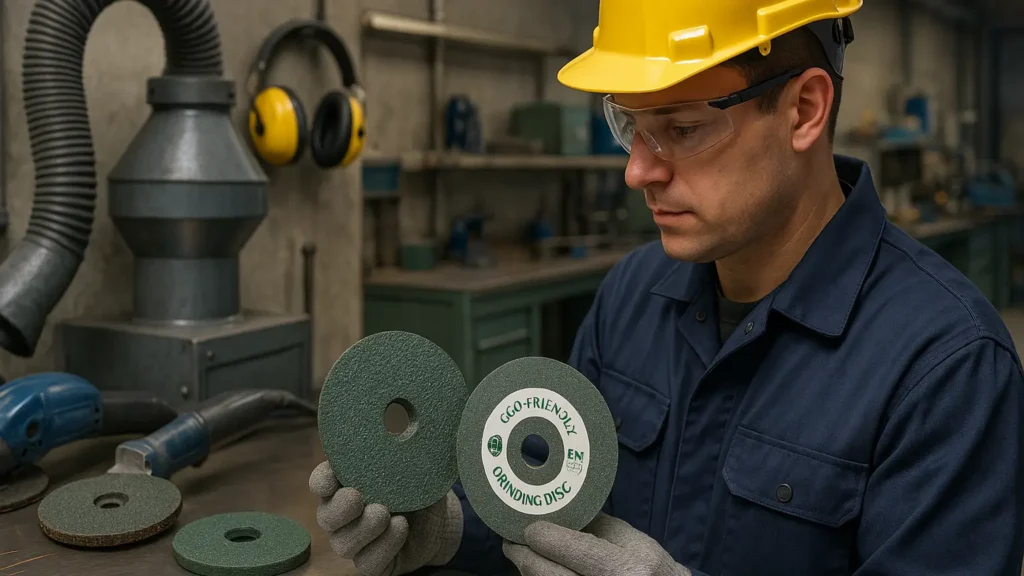
A grinding wheel is made from abrasive grains held together by a bonding agent. The abrasive is typically a natural or synthetic mineral such as aluminum oxide, silicon carbide, ceramic, or diamond, and the bond can be vitrified, resinoid, or metallic.
What is the difference between a cutting disc and a grinding wheel?
A cutting disc is a thin wheel designed for fast, straight cuts through metal. A grinding wheel is generally thicker and used for material removal, shaping, and surface finishing. Some discs are rated for both cutting and grinding, so always match the disc to the task.
Which grinding wheel is best for steel?
Aluminum oxide wheels are the standard choice for grinding carbon steel and many alloys. For hardened or high-strength steels, vitrified or ceramic wheels offer greater durability, while stainless and softer steels may need a softer bond to keep the wheel cutting freely.
Can a grinding wheel be used on stone and concrete?
Yes. Specialized cup wheels and discs made from the right abrasive are used to grind marble, mosaic, concrete, granite, and similar stone. Dia-mond wheels are preferred for very hard stone and ceramic because they resist wear far longer than standard abrasives.
How do I know if a grinding wheel is safe to use?
Check the wheel for cracks or damage, confirm its maximum speed rating matches your grinder, and use it with the proper guard and protective equipment. A wheel that is undamaged, correctly rated, and mounted on a compatible machine is safe to use.
How often should I replace a grinding wheel?
A wheel should be replaced when it becomes worn down to its minimum safe diameter, when it is damaged or cracked, or when it loses its cutting action despite correct use. Replacing it on schedule keeps the work clean and the operation safe.
Conclusion
A grinding wheel is a deceptively simple tool with a powerful range of uses, from heavy material removal to fine precision finishing. By understanding the different types, the materials each one suits, and how to match a wheel to your machine and workpiece, you can get better results, longer wheel life, and safer operation. Whether you work in metalworking, construction, automotive, or a precision trade, choosing a quality wheel from a trusted manufacturer and following basic safety practices will help you get the most from every job. With the right wheel in hand, even the toughest grinding task becomes straightforward and dependable.