
Motorcycle controls are where the rider meets the machine. Every turn signal, headlight, and horn is triggered by a switch on the handlebar. When those...
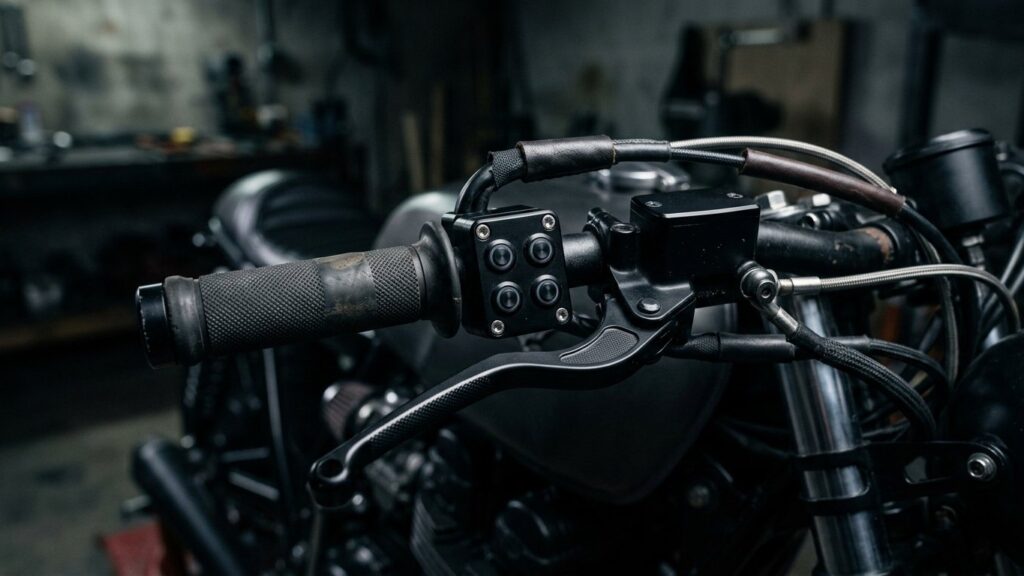
Motorcycle controls are where the rider meets the machine. Every turn signal, headlight, and horn is triggered by a switch on the handlebar. When those switches wear out or look out of place, a new set can transform the look and feel of a bike. Handlebar switches are a key part of any custom build or restoration. This guide explains what they are, the common types, how to fit them, and how to choose the right ones for your motorcycle.
What Are Handlebar Switches?
Handlebar switches are the control units mounted on a motorcycle’s bars. They let you operate lights, signals, horn, starter, and other functions without taking your hands off the grips. On a modern bike, they are often integrated into the stock controls. On a custom bike, they are a chance to clean up the cockpit.
Good switch units are compact, durable, and easy to reach. They should work reliably in all weather, since a motorcycle is exposed to rain, dust, and sun. The best switches balance function with a clean look that suits the build.
Why Upgrade Your Handlebar Switches
There are several reasons to upgrade your controls. First, style. The stock switch clusters on many bikes are bulky and dated. A slim, modern switch set gives the handlebars a clean, custom appearance that matches a cafe racer, scrambler, or custom build.
Second, function. Worn or failing switches cause problems like flickering lights or a horn that will not work. New switches restore reliable control. Many aftermarket switches are also designed for simpler wiring, which makes the install cleaner and the system easier to troubleshoot.
Third, durability. Quality switches are built to last, with weather-resistant construction that handles the elements. A good set of switches is a long-lasting upgrade that improves both looks and performance.
Common Types of Handlebar Switches
Handlebar switches come in a few common configurations. Here are the main styles:
- Two-button switches. A compact unit with two buttons, often used for turn signals or a starter and horn. They keep the bar clean and simple.
- Three-button switches. A slightly larger unit with three buttons, which lets you control more functions, such as indicators, headlight, and horn.
- Push button switches. Simple, minimal buttons for individual functions. They give a clean, custom look and are popular on cafe racers and custom builds.
- Switch kits with a control box. Some kits pair the switches with a small control box that uses a relay, which keeps the wiring minimal and the installation tidy.
The right type depends on what functions you need to control and how many buttons you want on the bar.
Handlebar Fitment: 7/8 Inch vs. 1 Inch
Handlebar switches are designed to fit a specific bar diameter. The two most common sizes are 7/8 inch and 1 inch. In most cases, the 7/8 inch size is standard on many motorcycles, while 1 inch bars are common on larger cruisers and some customs.
It is important to match the switch to your bar. A switch made for 7/8 inch bars will not fit correctly on a 1 inch bar, and vice versa. Before you buy, measure your handlebar and check the size listed on the product. Some switches are available in both sizes, so you can choose the fitment that matches your bike.
How to Choose the Right Switches
Choosing the right switch set comes down to a few factors. First, consider the number of functions you need. Count how many controls you want on the bar, such as indicators, horn, headlight, starter, or auxiliary lights. This tells you how many buttons you need.
Second, match the bar size. Confirm whether your handlebars are 7/8 inch or 1 inch, and choose a switch that fits.
Third, think about style. Choose a finish that suits your build. Black switches offer a clean, modern look, while natural aluminum gives a classic, industrial feel. Finally, consider quality. Look for durable, weather-resistant construction that will last. A well-made switch set is a worthwhile investment for any motorcycle.
Wiring and Installation
Installing the switch set is a straightforward job for someone with basic electrical skills. The switches connect to your bike’s wiring, and they may need to be wired to a relay or control box. Some kits come with everything you need for a clean install.
Before you start, disconnect the battery and check your bike’s wiring diagram. Identify which wires control each function, and connect them correctly. Test each function before you finish to make sure everything works. If you are not confident with electrical work, a qualified mechanic can handle the installation for you.
Frequently Asked Questions
What are handlebar switches?
Handlebar switches are the control units mounted on a motorcycle handlebar. They let you operate lights, turn signals, horn, starter, and other functions without removing your hands from the grips.
What size handlebar switches do I need?
It depends on your handlebar diameter. The two most common sizes are 7/8 inch and 1 inch. Measure your bars and choose a switch that matches, since a mismatch will not fit correctly.
How many buttons do I need on a switch?
It depends on how many functions you want to control. A two-button switch works for two functions, while a three-button switch handles more, such as indicators, headlight, and horn. Count your controls and choose accordingly.
Are handlebar switches easy to install?
For someone with basic electrical knowledge, yes. The switches connect to your bike’s wiring and may use a relay or control box. Always disconnect the battery and test each function after wiring. If unsure, use a mechanic.
Are aftermarket switches better than stock?
Aftermarket switches often look cleaner and offer better durability. Many are weather-resistant and designed for minimal wiring, which makes them a popular upgrade for custom builds and restorations. They also restore reliable function if your stock switches are worn.
Do handlebar switches work in bad weather?
Quality switches are built with weather-resistant construction, so they handle rain, dust, and sun well. Choosing a durable switch set ensures reliable operation in all conditions.
Conclusion
Handlebar switches are a small but important part of any motorcycle. They connect you to the controls you rely on every ride, and they play a big role in the look of your bike. In short, the right switches make your handlebars both cleaner and more functional. Whether you are upgrading for style, restoring function, or building a custom motorcycle, choosing the right switches makes a real difference. Match the size to your handlebar, choose the right number of buttons for your needs, and pick a durable, weather-resistant finish that suits your build. With the right set of handlebar switches, you get clean styling, reliable control, and a cockpit that looks and works exactly as it should.