
Single origin coffee is coffee sold with a defined geographic source rather than being intentionally combined from multiple unrelated origins into one blend. That source might...
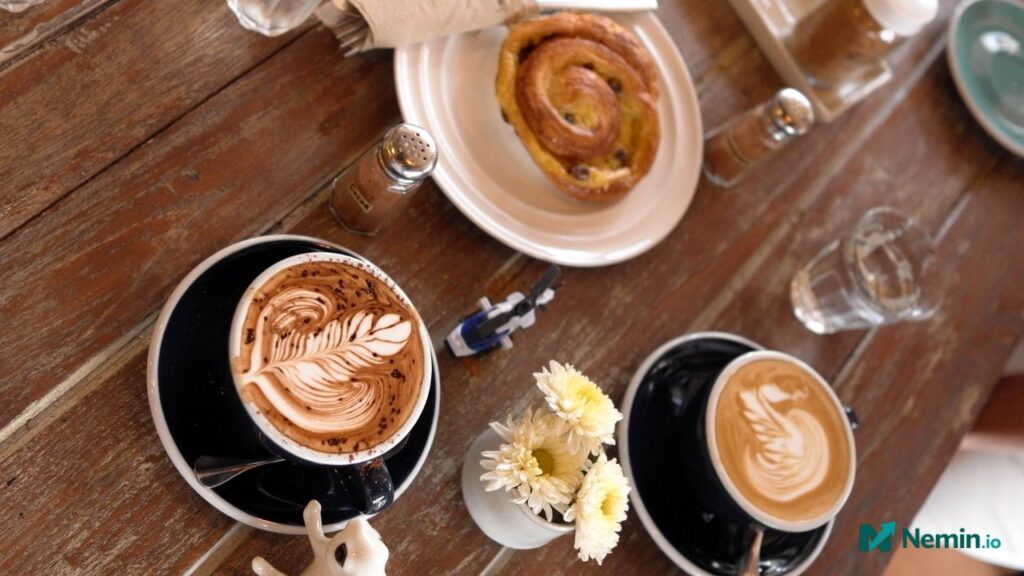
Single origin coffee is coffee sold with a defined geographic source rather than being intentionally combined from multiple unrelated origins into one blend. That source might be a country, region, cooperative, estate, farm or, in especially traceable lots, a particular section of a farm. For coffee drinkers, the appeal is the opportunity to experience how origin, plant variety, processing and production decisions come together in a distinctive cup.
Yet Single origin coffee is not automatically better than blended coffee, nor does an origin name guarantee a particular flavour. Altitude, soil, climate, coffee variety, harvest conditions, processing, storage, roasting, water and brewing all influence what reaches the cup. Understanding those variables makes origin information genuinely useful rather than turning it into another premium label printed on a bag.
What Is Single Origin Coffee
At its simplest, Single origin coffee comes from one identifiable source.
The difficulty lies in defining how narrow that source must be. The coffee industry does not use one globally enforced definition that requires every product carrying the phrase to come from a single individual farm.
A bag might therefore contain coffee sourced entirely from Ethiopia, while another could identify one Ethiopian region, cooperative or producer.
Both may be described as Single origin coffee depending on the roaster and market.
Greater specificity generally provides greater traceability, but it does not automatically guarantee higher quality.
Single Origin Coffee Versus Coffee Blends
A blend intentionally combines coffees from more than one source. Roasters may create blends to achieve a stable flavour profile, balance acidity and body, control costs or produce coffee that performs consistently in milk drinks.
Single origin coffee takes a different approach. Instead of combining several origins to create a target profile, it presents coffee from a defined source on its own.
Neither approach is inherently superior.
A skilled blend can be complex and delicious, while a poorly harvested or roasted single-origin lot can be disappointing. Quality depends on the coffee and the decisions made throughout its journey.
Why Origin Matters in Coffee
Coffee is an agricultural product.
Just as grapes respond to growing conditions, coffee is influenced by environment, genetics and farming practices. Temperature, rainfall, elevation, shade and harvest timing can all influence how coffee cherries develop.
After harvesting, processing introduces another major set of variables.
The result is that Single origin coffee from two neighbouring farms can taste noticeably different, while coffees produced thousands of kilometres apart can sometimes share similar sensory characteristics.
Origin provides context, not a rigid flavour rule.
7 Reasons Single Origin Coffee Can Taste So Distinctive
The phrase on the bag is only the beginning. The qualities consumers associate with origin emerge from several interacting factors.
1. Single Origin Coffee Can Reflect a Particular Growing Environment
Coffee-growing regions differ in climate, elevation, rainfall and soil conditions.
These variables influence plant growth and fruit development. Higher elevation, for example, is often associated with slower cherry maturation in suitable climates, though altitude alone does not guarantee quality or a specific taste.
A Single origin coffee label can help drinkers connect the cup with the environment in which it was grown.
This connection is sometimes discussed using the concept of terroir. Borrowed from wine, terroir broadly describes how place-related conditions interact with agricultural production.
Coffee professionals debate exactly how the term should be applied, but location undeniably forms part of the flavour story.
2. Coffee Variety Can Create Distinctive Characteristics
Coffee is not one genetically uniform crop.
Within Coffea arabica and other species, numerous varieties and cultivars are grown. Bourbon, Typica, Caturra, SL28, Gesha or Geisha and many others can have different agronomic and sensory characteristics.
A Single origin coffee may contain one identified variety or several varieties harvested and processed together.
When a bag lists variety information, it gives consumers another layer of context beyond country.
Genetics still interact strongly with environment and processing, so variety should not be treated as a standalone flavour guarantee.
3. Processing Can Dramatically Change Single Origin Coffee
Once coffee cherries are picked, producers must separate and dry the seeds that consumers eventually call coffee beans.
How this is done has a major influence on flavour.
Washed, natural and honey processing are among the most familiar categories, while experimental fermentation methods have become increasingly visible within specialty coffee.
A washed Single origin coffee can present very differently from a natural coffee grown on the same farm.
Processing is therefore one of the first pieces of information worth checking when comparing bags.
4. Harvest and Sorting Affect Cup Quality
Coffee cherries do not all ripen simultaneously.
Selective harvesting of appropriately ripe fruit can improve consistency, while sorting can remove defective or unsuitable material before export.
These labour-intensive steps influence quality long before roasting begins.
Single origin coffee with strong traceability can make producer practices more visible, particularly when roasters publish detailed sourcing information.
However, a farm name alone should not be interpreted as proof of perfect harvesting.
Quality still needs to be evaluated through the coffee itself.
5. Roast Development Can Preserve or Mask Origin Character
Green coffee contains the potential for flavour, but roasting transforms it into the aromatic product people recognise.
Lighter roasting is often used in specialty coffee where the roaster wants to emphasise acidity, aroma and characteristics associated with the green coffee.
Darker roasting develops stronger roast-related flavours.
Neither is inherently correct.
A Single origin coffee roasted for filter brewing might be lighter than one intended for espresso, though modern roasters use many different approaches.
The best roast is the one that develops the coffee sufficiently while producing the intended sensory result.
6. Freshness Influences the Experience
Roasted coffee changes continuously after roasting.
Aromatic compounds escape, oxygen interacts with the coffee and flavour evolves.
Fresh does not always mean brew immediately after the roaster finishes. Many coffees benefit from some resting time after roasting because carbon dioxide released by fresh beans can affect extraction.
The ideal rest period depends on roast style and brewing method.
When buying Single origin coffee, a clearly stated roast date can provide more useful information than an arbitrary best-before date alone.
7. Brewing Reveals Different Sides of the Same Coffee
The same beans can taste remarkably different through espresso, pour-over, immersion brewing or AeroPress-style methods.
Grind size, water composition, temperature, ratio and contact time all alter extraction.
Single origin coffee therefore offers an interesting opportunity for experimentation.
A bright coffee may become especially transparent through a filter method, while another origin may produce a rich and textured espresso.
There is no requirement to use one specific brewer simply because the beans have detailed provenance.
Washed Single Origin Coffee
Washed processing generally involves removing much of the fruit before the coffee seeds are dried, with fermentation and washing steps varying according to local practice.
Washed coffees are often described as clean or clear in sensory terms.
They can make differences in acidity and variety particularly noticeable, although those characteristics are not universal.
When trying a washed Single origin coffee, pay attention to structure as well as flavour notes.
Does the cup feel crisp, round, delicate or heavy? Sensory evaluation involves more than identifying a specific fruit.
Natural Process Coffee
Natural processing generally dries coffee with more of the fruit intact before the dried fruit layers are removed.
This method can produce pronounced fruit characteristics when performed successfully.
Natural Single origin coffee is sometimes associated with berry-like, tropical or fermented flavours, but results vary enormously according to producer technique and coffee itself.
Poorly controlled processing can create undesirable defects.
Natural does not automatically mean better, funkier or sweeter.
Honey Process Coffee
Honey processing sits broadly between washed and natural approaches, although terminology and specific methods vary by producing country.
Some mucilage remains on the coffee during drying.
Terms such as yellow, red or black honey may be used in certain regions to describe process variations, but definitions are not globally standardised.
A honey-process Single origin coffee can offer an interesting balance between clarity and fruit-driven character.
Again, tasting is more reliable than assuming flavour from the process name.
Experimental Coffee Processing
Specialty producers increasingly experiment with controlled fermentation, anaerobic environments and other techniques.
These processes can create unusual and intense sensory profiles.
Some drinkers love them; others find the processing character dominates the inherent qualities of origin and variety.
When purchasing experimental Single origin coffee, read the producer or roaster’s process description.
Terms such as anaerobic do not describe one single standard recipe.
Fermentation time, temperature, vessel and subsequent drying all matter.
Understanding Coffee Tasting Notes
A bag might describe strawberry, jasmine, chocolate or peach.
These notes usually do not mean those ingredients were added to ordinary unflavoured coffee.
They are sensory comparisons used by roasters or tasters to communicate perceived aromas and flavours.
A Single origin coffee described as peach-like may remind tasters of peach acidity, sweetness or aroma without containing peach.
Different people may perceive different notes.
Tasting descriptions are guidance, not an objective list of chemicals the consumer must recognise.
Acidity Does Not Mean Sourness
Acidity is often misunderstood in coffee.
Pleasant acidity can provide brightness and complexity, similar to the refreshing character of fruit.
Sourness can occur when brewing is unbalanced or extraction is insufficient, though sensory terminology is more nuanced than one simple rule.
Many Single origin coffee selections, particularly lighter roasts, highlight acidity more visibly than traditional dark blends.
Someone accustomed to dark roast may need time to adjust to this style.
Body and Mouthfeel
Body describes the physical sensation of coffee in the mouth.
Some coffees feel light and tea-like, while others feel round, creamy or substantial.
Brewing method strongly affects body.
Paper filters remove more oils and fine particles than several metal-filter methods, changing texture even when the same Single origin coffee is used.
Evaluating body helps drinkers understand why they enjoy a coffee beyond individual flavour notes.
Common Single Origin Coffee Regions
Coffee grows across many countries within suitable climatic zones.
Each country contains enormous internal diversity, so broad regional descriptions should be treated as starting points rather than fixed flavour rules.
| Origin | Profiles commonly encountered | Important caveat |
|---|---|---|
| Ethiopia | Floral, citrus, berry and tea-like characteristics | Region and processing create major variation |
| Kenya | Bright acidity, fruit and complex sweetness | Varieties and processing matter |
| Colombia | Broad range from chocolate to vibrant fruit | Diverse geography prevents one profile |
| Brazil | Nutty, chocolate and sweet profiles are common | Produces many qualities and processing styles |
| Guatemala | Cocoa, fruit and structured acidity can appear | Regional differences are substantial |
| Costa Rica | Clean sweetness and varied fruit character | Processing experimentation is widespread |
| Rwanda | Floral, citrus and red-fruit profiles can occur | Producer and lot differences matter greatly |
These are observations from common specialty-coffee experiences, not guarantees.
Ethiopian Single Origin Coffee
Ethiopia has extraordinary genetic diversity in coffee and a long relationship with the crop.
Producing regions such as Yirgacheffe, Sidama and Guji have become familiar names within specialty coffee, though administrative terminology can evolve.
Washed Ethiopian Single origin coffee may present delicate floral or citrus characteristics, while natural lots can show more prominent fruit.
That broad distinction contains many exceptions.
Buy according to the specific coffee’s information rather than country reputation alone.
Kenyan Single Origin Coffee
Kenyan specialty coffee is often associated with pronounced acidity and complex fruit characteristics.
Varieties such as SL28 and SL34 have become widely recognised among coffee enthusiasts, alongside other varieties now cultivated in the country.
Processing and cooperative structures also influence the coffee reaching export markets.
A Kenyan Single origin coffee can be an excellent choice for drinkers who enjoy bright and expressive cups.
Those preferring low-acidity dark roasts may favour a different profile.
Colombian Single Origin Coffee
Colombia’s size and varied geography make it impossible to describe Colombian coffee with one flavour profile.
Coffee is grown across many departments and elevations, with harvest timing differing by location.
This variety makes Colombian Single origin coffee particularly useful for learning how much diversity can exist within one country.
Some coffees can be familiar and chocolate-forward, while others are highly floral, fruit-driven or experimental.
The label Colombia is only the beginning of the story.
Brazilian Single Origin Coffee
Brazil is one of the world’s most important coffee-producing countries.
Its coffees span commercial production through highly distinctive specialty lots.
Natural and pulped-natural processing have significant histories in Brazilian coffee, although producers use multiple approaches.
Brazilian Single origin coffee can offer sweetness, nuts, chocolate and lower perceived acidity in many examples, making it approachable for espresso drinkers.
Other Brazilian coffees challenge those expectations completely.
Single Origin Coffee and Altitude
Roasters often print elevation on specialty coffee bags.
Elevation can be useful agricultural context because temperature generally changes with height, influencing plant development.
However, 1,800 metres in one country is not directly equivalent to the same elevation in another.
Latitude, local climate and slope exposure matter.
Altitude should therefore not become a simplistic quality score.
Single origin coffee grown at lower elevation can be excellent when variety and environment are well matched.
Traceability and Single Origin Coffee
Traceability describes the ability to follow coffee through its supply chain.
A country-level origin provides limited traceability. A named cooperative or farm provides more. A documented micro-lot can provide considerably more detail.
Consumers interested in farmer relationships may value highly traceable Single origin coffee.
Still, traceability and ethical sourcing are not identical.
Knowing where coffee came from does not automatically prove farmers received a particular price or that every labour condition was ideal.
Look for specific sourcing information.
What Does Direct Trade Mean
Direct trade is not one universally regulated certification.
Different roasters use the term differently.
Some maintain long-term relationships and purchase coffee through transparent arrangements. Others may use the phrase more broadly.
When evaluating Single origin coffee marketed as direct trade, look for details.
Does the roaster identify the producer? Does it explain how coffee is purchased? Are pricing or relationship details available?
Specific evidence is more useful than a general label.
Single Origin Coffee and Sustainability
Coffee production faces environmental challenges including climate change, land use, water management and biodiversity.
Sustainability also includes economic resilience for producers and workers.
Single origin coffee can make sourcing stories more visible, but the category itself does not guarantee sustainable farming.
Consumers interested in this issue can look for credible certifications where relevant, transparent sourcing reports and roasters that explain how producer relationships operate.
The most informative claims are measurable.
How Climate Change Affects Coffee Origins
Coffee plants are sensitive to temperature, rainfall patterns, pests and diseases.
Changing climatic conditions can affect which regions remain suitable for particular coffee varieties.
Producers may respond through shade management, resistant varieties, irrigation or moving production where geography allows.
For Single origin coffee, climate change can influence future availability and flavour profiles.
The issue also illustrates why producer resilience is economically important throughout the specialty supply chain.
Specialty Coffee Versus Single Origin Coffee
These terms are related but not synonymous.
Single origin describes sourcing structure.
Specialty coffee generally refers to higher-quality coffee evaluated according to industry standards, although the term is also used more loosely in consumer marketing.
A coffee can come from one origin without necessarily meeting specialty quality expectations.
Likewise, a specialty blend can combine several excellent coffees.
Consumers should not treat Single origin coffee as an automatic synonym for premium.
Single Estate Coffee
Single estate usually indicates that coffee comes from one estate or farm operation rather than a broader geographic collection.
This can provide more sourcing specificity than a country-level single origin.
However, estates can be large and produce many different lots.
Two Single origin coffee products from the same estate may still differ due to variety, plot, harvest timing or processing.
Estate identification provides context, not uniformity.
Micro-Lot and Nano-Lot Coffee
Micro-lot describes a relatively small, separately handled quantity of coffee with distinct characteristics or traceability.
Nano-lot usually suggests an even smaller separation.
There are no universally enforced volume thresholds for these terms across the entire industry.
A micro-lot Single origin coffee can be highly distinctive, but the word itself should not justify a large price premium without corresponding quality and information.
Taste and transparency remain central.
How Roasting Changes Single Origin Coffee
Roasting triggers complex chemical reactions that develop aroma, sweetness, bitterness and colour.
Too little development can produce unpleasantly grassy or sharp characteristics, while excessive roasting can overwhelm distinctions among green coffees.
Roasters make choices based on the coffee, brewing method and intended customer.
Single origin coffee is often associated with lighter roasting because this can preserve more origin-specific character.
That is a tendency, not a requirement.
Light Roast Single Origin Coffee
Light roasting can preserve floral, fruit and acidity characteristics.
It can also be less forgiving to brew because extraction may require careful grind, water and temperature choices.
Light does not necessarily mean weak.
Brew strength depends largely on the coffee-to-water ratio and extraction rather than bean colour alone.
A light Single origin coffee can produce a highly aromatic and flavour-dense cup when brewed effectively.
Medium Roast Single Origin Coffee
Medium roasting can provide a balance between origin character and roast-derived sweetness.
It can be approachable for drinkers transitioning from traditional darker coffee toward specialty styles.
Definitions of light and medium vary between roasters.
One company’s medium may resemble another’s light roast.
Comparing flavour descriptions and asking the roaster about intended brewing methods can be more useful than roast labels alone.
Dark Roast and Origin Character
Dark roasting develops stronger roast-associated flavours and can reduce the prominence of some delicate origin characteristics.
That does not make dark Single origin coffee invalid.
Some drinkers prefer deeper bitterness, heavier body and chocolate-like roast character.
The important point is expectation.
If a consumer pays a premium specifically to experience delicate floral characteristics, an extremely dark roast may make those distinctions less obvious.
Buying Whole Bean Single Origin Coffee
Whole beans generally preserve volatile aroma better than coffee ground far in advance because grinding dramatically increases exposed surface area.
For enthusiasts seeking maximum control, buying whole-bean Single origin coffee and grinding immediately before brewing is a useful approach.
A good grinder can influence cup quality as much as an expensive brewer.
Consistency matters because uneven particle size can produce uneven extraction.
Those buying pre-ground coffee can still make excellent coffee by choosing an appropriate grind for their brewing method and storing it well.
Reading a Single Origin Coffee Bag
Specialty bags often contain substantial information.
A useful label may identify country, region, producer, variety, processing method, elevation, roast date and tasting notes.
Not every excellent coffee will provide every detail.
When information is available, use it to compare experiences.
If you repeatedly enjoy washed Ethiopian Single origin coffee, for example, that observation can guide future purchases more effectively than choosing based solely on packaging design.
How Fresh Should Coffee Be
Coffee freshness is more nuanced than fresh is always better.
Immediately after roasting, beans release significant carbon dioxide.
Many coffees become easier to brew after resting, with the ideal period influenced by roast degree and brewing method.
Ask the roaster for recommendations when possible.
Single origin coffee stored for months after opening will generally lose aromatic intensity, especially if exposed repeatedly to oxygen, heat and moisture.
Buy quantities you can reasonably consume.
How to Store Single Origin Coffee
Store roasted beans in an airtight container or resealable coffee bag in a cool, dry and dark location.
Avoid routinely storing everyday coffee beside a hot oven or in direct sunlight.
Moisture is undesirable.
Refrigeration can create condensation and odour-transfer problems when coffee is repeatedly taken in and out.
Freezing can work for longer storage when done carefully in properly sealed portions, but it is unnecessary for coffee consumed relatively quickly.
Grinding Single Origin Coffee
Grind size controls how quickly water extracts soluble material from coffee.
Fine particles expose more surface area and increase resistance in methods such as espresso. Coarser grinds suit longer-contact methods.
There is no one correct grind for all Single origin coffee.
Begin with the brewer’s typical range, taste the result and adjust gradually.
If the cup seems weak and sharply sour, extraction may be insufficient. If it tastes harsh and drying, extraction may be excessive or uneven, though other brewing variables can also contribute.
Water Quality Matters
Brewed coffee is mostly water, so water chemistry can strongly influence taste and extraction.
Very hard water can behave differently from very soft water.
Specialty coffee professionals often use water with controlled mineral composition.
Home brewers do not necessarily need laboratory equipment.
If tap water tastes unpleasant on its own, filtered or appropriately bottled water may improve Single origin coffee, provided the mineral composition is suitable for brewing.
Avoid distilled water without appropriate remineralisation as a default brewing solution.
Brewing Single Origin Coffee With Pour-Over
Pour-over methods are popular because they can highlight clarity and aroma.
A paper filter removes much of the oil and fine sediment, producing a relatively clean cup.
Start with a consistent coffee-to-water ratio and adjust one variable at a time.
Freshly ground Single origin coffee, an appropriate grind and controlled pouring can provide excellent results without excessively complicated techniques.
Repeatability is more useful than constantly changing recipes.
French Press Brewing
French press uses immersion and a metal filter.
The resulting cup can have more body and sediment than paper-filter brewing.
This can suit Single origin coffee with rich chocolate, nut or fruit characteristics.
Grind should generally be substantially coarser than espresso, though the exact setting depends on the grinder and recipe.
Allowing the coffee to settle after brewing can reduce excessive sediment in the cup.
AeroPress-Style Brewing
AeroPress brewing is flexible because it supports different ratios, grind sizes and contact times.
It can produce concentrated or filter-like coffee depending on the recipe.
This makes it useful for experimenting with Single origin coffee.
Instead of searching for one perfect universal recipe, start with the manufacturer’s basic instructions and modify according to taste.
The device’s versatility is its primary strength.
Single Origin Coffee for Espresso
Single-origin espresso can be exceptionally expressive.
It can also be challenging because bright acidity and lighter roast styles require careful extraction.
A good grinder and accurate dose control become especially important.
Espresso also changes as coffee ages after roasting, so grind settings may need adjustment.
Single origin coffee used for espresso does not need to follow traditional dark, chocolate-heavy flavour expectations.
Modern specialty espresso can be floral, fruity and highly distinctive.
Single Origin Coffee With Milk
There is no rule that single-origin beans must be consumed black.
Milk changes perceived acidity, sweetness and flavour intensity.
A coffee with strong chocolate or nut characteristics may pair naturally with milk, while delicate floral notes can become harder to detect.
Some fruit-driven Single origin coffee can create unusual and enjoyable milk drinks.
Personal preference matters more than purism.
Coffee should ultimately be consumed in the form the drinker enjoys.
Iced Single Origin Coffee
Cooling coffee changes how aromas and flavours are perceived.
Pour-over coffee can be brewed directly over ice using a recipe adjusted for the ice dilution, while cold brew uses a different extraction approach over a longer period.
Single origin coffee can work well in both formats.
Bright washed coffees may produce refreshing iced drinks, while chocolate-forward coffees can create rich cold brew.
The brewing method should suit the character you want to emphasise.
Is Single Origin Coffee Stronger
Not inherently.
Strength can refer to several things, including flavour intensity, caffeine content or brew concentration.
Origin alone determines none of these completely.
Caffeine depends on coffee species, dose and preparation, while brew strength depends heavily on the coffee-to-water ratio.
Single origin coffee can be light and delicate or heavy and intense.
The label tells you where the beans came from, not how strong the drink must be.
Does Single Origin Coffee Have More Caffeine
Not necessarily.
Caffeine content is influenced by species, variety, dose, roast and preparation.
Robusta generally contains more caffeine than Arabica on a comparable basis, though most specialty single-origin offerings are commonly Arabica.
A 350 ml filter coffee may contain more total caffeine than a small espresso simply because more coffee is used, depending on preparation.
Do not use the Single origin coffee label as a caffeine indicator.
Why Single Origin Coffee Often Costs More
Highly traceable coffee can involve selective harvesting, careful processing, smaller lot sizes and differentiated purchasing.
Specialty roasters may also buy relatively small quantities and invest significant effort in quality control and roasting.
Those factors can raise cost.
However, premium packaging and marketing can also influence price.
More expensive Single origin coffee is not automatically better.
The consumer should evaluate flavour, transparency and personal enjoyment rather than assuming price perfectly tracks quality.
How to Choose Single Origin Coffee as a Beginner
Start with flavours you already enjoy.
If you prefer chocolate, caramel and nuts, tell a specialty roaster or café. If you like citrus, berries and tea, say that instead.
Origin names are less useful to beginners than sensory preferences.
Try different coffees while keeping the brewing method consistent.
Over time, you may discover patterns across processing, country and roast.
This creates a personal understanding of Single origin coffee rather than memorising someone else’s flavour hierarchy.
Creating a Home Coffee Tasting
Comparative tasting is one of the fastest ways to notice differences.
Choose two or three coffees and brew them using the same method, ratio, water and approximate extraction conditions.
Taste them while warm and again as they cool.
Write down broad impressions such as sweet, fruity, floral, nutty or heavy rather than struggling to identify highly specific notes immediately.
Single origin coffee becomes easier to understand when differences can be experienced side by side.
Common Single Origin Coffee Mistakes
One mistake is assuming country predicts flavour perfectly. Another is using excellent beans with an inconsistent grinder and blaming the coffee when brewing becomes uneven.
Consumers can also chase complicated recipes before mastering basic ratios and grind adjustment.
Old coffee is another problem.
Even premium Single origin coffee loses aromatic intensity when stored poorly for long periods.
Buy manageable quantities and focus on repeatable brewing before buying more equipment.
Single Origin Coffee and Coffee Snobbery
Specialty coffee can sometimes become unnecessarily intimidating.
Terms relating to processing, extraction and varieties are useful when they improve understanding, not when they become a test of belonging.
Someone who prefers a dark-roasted Single origin coffee with milk is not consuming it incorrectly.
Technical knowledge should provide more ways to enjoy coffee.
It should not create rigid rules around personal taste.
How Cafés Can Present Single Origin Coffee Better
Cafés can make origin information accessible without overwhelming customers.
A concise description of producer, process and flavour can be enough.
Staff should be able to explain the coffee in ordinary language.
Offering a Single origin coffee as filter or rotating espresso can introduce regular customers to new profiles while keeping the core menu familiar.
Transparency works best when it supports hospitality rather than replacing it.
What Makes Excellent Single Origin Coffee
Great coffee requires several stages to work together.
Healthy cherries must be harvested and processed carefully. Green coffee needs suitable storage and transportation. The roaster must develop it effectively, and the brewer then needs to extract it well.
Failure at any stage can reduce quality.
Single origin coffee is therefore best understood as a supply-chain story contained in one cup.
The origin is essential, but it is only the beginning.
FAQ’s
What does Single origin coffee mean?
Single origin coffee comes from one defined geographic source, which may be a country, region, cooperative, estate or individual farm depending on the roaster’s sourcing description.
Is Single origin coffee better than blended coffee?
Not automatically. Both can be excellent. Single-origin beans highlight a defined source, while blends allow roasters to combine coffees for balance, consistency or a particular flavour profile.
Why does Single origin coffee taste different?
Growing environment, coffee variety, harvest, processing, roasting and brewing all influence flavour, meaning coffees from different origins or even neighbouring farms can taste noticeably different.
Is Single origin coffee more expensive?
It can be, particularly for highly traceable or small specialty lots, but price depends on quality, supply chain, rarity, processing, roasting and market positioning.
What is the best brewing method for Single origin coffee?
There is no universal best method. Pour-over highlights clarity, French press emphasises body, and espresso can create concentrated intensity depending on the coffee and roast.
Should Single origin coffee be drunk without milk?
No. Drinking it black can make subtle characteristics easier to identify, but milk can complement many origins. The best preparation is ultimately the one you enjoy.
Conclusion
Single origin coffee offers a way to experience coffee as an agricultural product shaped by place, variety, processing and human decisions. A transparent bag can connect the drinker with a country, region, cooperative or individual producer while providing clues about why one cup tastes floral and delicate and another tastes rich, fruity or chocolate-forward. The attraction is not simply exclusivity but the opportunity to taste difference with greater context.
The best way to explore Single origin coffee is through curiosity rather than rigid rules. Buy freshly roasted beans from transparent roasters, compare processing methods, use good water, grind appropriately and adjust brewing based on taste. Most importantly, remember that origin is not a guarantee of quality and blends are not inferior by definition. When sourcing, roasting and brewing work together, a single-origin cup can become an unusually clear expression of the long journey from coffee plant to brewer.