
Choosing a bento lunch box for kids is one of the simplest upgrades a parent can make to a school day, and it usually delivers...
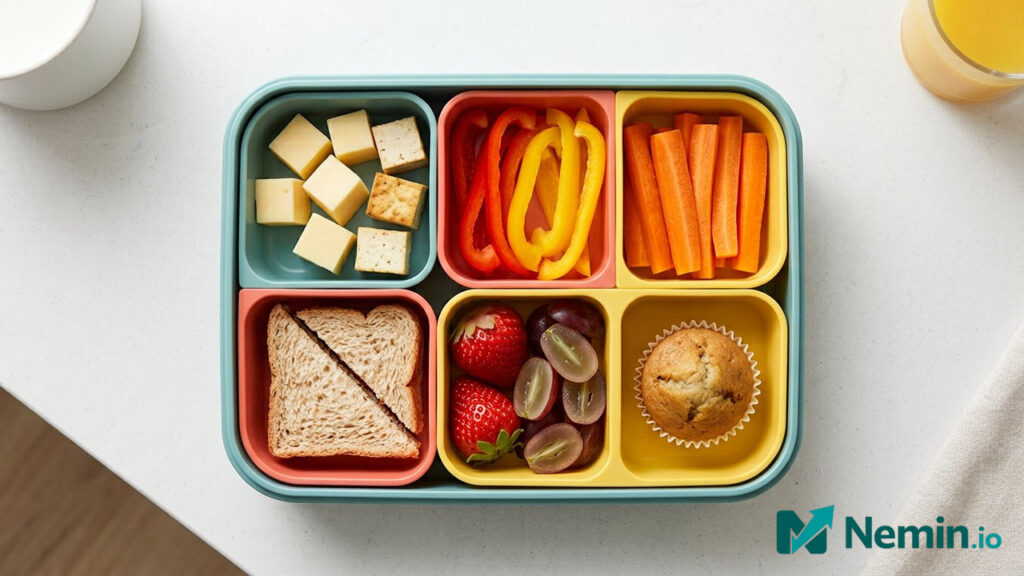
Choosing a bento lunch box for kids is one of the simplest upgrades a parent can make to a school day, and it usually delivers results in the very first week. A bento lunch box for kids beats a traditional lunch box because its divided compartments encourage balanced portions, reduce food waste, cut down on single-use packaging, keep foods separate so picky eaters stay calm, and make lunch feel like something a child actually wants to open. This guide is written for Australian parents, carers and grandparents who pack school lunches every morning and want a solution that is healthier, cheaper and greener than the old one-bag approach.
By the end, you will know exactly why bento wins, how to pick the right one, and how to pack it so your child eats more and you throw away less.
In simple terms, a bento box is a multi-compartment lunch container that originated in Japan and is designed to hold a complete, balanced meal in separate sections. The phrase bento lunch box for kids describes a children’s version of this design, with several divided sections sized for small appetites. Each compartment holds one food group, so a protein, a carbohydrate, fruit, vegetables and a small treat can all travel together without touching. This simple design is why bento-style boxes have surged in popularity with Australian families, and why many nutritionists and early learning educators now recommend them over a traditional single-space lunch bag.
Key takeaway: a bento lunch box for kids is better than a traditional lunch box because the built-in compartments naturally control portion sizes, keep foods from touching, cut down on packaging waste, and help children accept a wider variety of healthy foods. This guide explains the reasons in detail and shows you how to get the most from one.
What Is a Bento Lunch Box for Kids?
A bento lunch box for kids is a lunch container with multiple sealed compartments, each sized to hold one type of food. Unlike a traditional lunch box, which is typically a single open space that relies on plastic bags, cling film or foil to keep foods apart, a bento box separates everything by design. There is no need to wrap a sandwich away from an apple, because each item sits in its own dedicated section.
Most children’s bento boxes have between three and five compartments. A common arrangement gives one section to a main carbohydrate, one to a protein, one to vegetables, one to fruit and a smaller one for a treat. This mirrors the balanced-lunch guidance recommended by Australian health authorities, which suggests a school lunch include a main meal, a piece of fruit and a dairy or protein snack. Because the box itself shows you where each food group belongs, you can pack a balanced meal without measuring or weighing anything.
The term bento lunch box for kids covers a wide range of products, from lightweight BPA-free plastic designs to durable stainless steel and insulated options that keep food at a safe temperature. Prices in Australia range from roughly $25 to $70 depending on the brand, size and features, with mid-range options around $30 to $50 typically lasting a full school year.
Why Bento Boxes Are Better Than Traditional Lunch Boxes
There is a growing body of practical, expert-backed reasoning behind the switch. Search interest in bento-style lunchboxes has climbed steadily in recent years, and the back-to-school season continues to push it higher. The reasons below explain the real, measurable benefits rather than passing trends.
1. Built-In Portion Control
A traditional lunch box has one open space, which makes it easy to overpack or underpack. A bento lunch box for kids solves this with fixed compartments that limit how much of each food you can add. Each section acts as a portion guide, so a child receives an appropriate amount of protein, carbohydrate, fruit and vegetables without needing scales or measuring cups.
Pediatric and family nutritionists point out that compartmentalized boxes help regulate portion sizes because each compartment is small and deliberately configured. This structure makes it harder to pack too much of any one thing and easier to include a balanced spread, which is exactly why many Australian nutritionists now recommend bento-style containers.
2. Foods Stay Separate and Fresh
One of the strongest reasons parents switch is that a bento lunch box for kids keeps different foods from touching. A traditional lunch box allows a moist sandwich to sit against apple slices, which can turn lunch into an unappetising mess by morning tea. Bento compartments prevent this, so crackers stay crisp, fruit stays juicy and a sandwich stays intact.
Because foods are separated, the meal also looks and tastes better hours after it was packed. That visual appeal matters more than it seems, because a child who sees fresh, separated food is far more likely to eat it than one who finds a squashed, mixed-up pile.
3. A Proven Help for Picky Eaters
Parents of fussy eaters will recognise the struggle when foods touch on a plate. A bento lunch box for kids removes that hurdle completely, because every item sits in its own small section. This separation also lets a child feel in control, choosing between a few pre-prepared healthy options rather than being confronted with one combined mound of food.
There is a common myth that bento boxes create picky eaters by separating food. In reality, the opposite is true. Presenting foods separately makes new tastes less intimidating and encourages children to explore balanced meals, because an unfamiliar item sits safely alongside familiar favourites rather than mixing with them.
4. Less Food Waste
Food waste is a major Australian problem. The Australian Government’s Department of Climate Change, Energy, the Environment and Water reports that Australia wastes around 7.6 million tonnes of food every year, of which households contribute about 2.5 million tonnes, around 30 per cent of the total. This food waste costs the country more than $36.6 billion annually.
A bento lunch box for kids tackles this at a household level. Because portions are smaller and clearly separated, children are less likely to be overwhelmed and more likely to finish what they are given. Less uneaten food at the bottom of the bag means fewer items are thrown away, which saves money and reduces the amount of edible food your family discards.
5. Cuts Down on Single-Use Packaging
A traditional lunch box almost always relies on disposable plastic bags, cling film, foil or individually wrapped snacks to keep foods apart. A bento lunch box for kids removes the need for almost all of that packaging, because the box itself separates the foods.
This has three benefits. It saves money over the school year, because you buy fewer single-use wrappers. It is better for the environment, because less plastic ends up in landfill. And it encourages homemade snacks such as fresh fruit, sliced vegetables and baked treats over pre-packaged processed foods, which is a healthier and more affordable habit for children to learn.
6. Faster, Less Stressful Morning Packing
The morning rush is real for every parent, and a bento lunch box for kids makes it easier. Instead of wrapping each item separately and juggling multiple containers, you fill the compartments and close the lid. Everything your child needs travels in one box, so there are fewer things to remember and fewer parts to lose.
This convenience also makes it simpler to involve children in packing their own lunch. A child can see exactly where each food belongs and fill the compartments themselves, which builds independence and gives them ownership over what they eat. That sense of choice is strongly linked to children actually eating the food they take to school.
7. Lunch Feels Fun, Not a Chore
Finally, a bento lunch box for kids makes lunch look appealing. The array of colours and textures across the separate compartments is naturally inviting, and it turns an ordinary meal into something a child wants to open. Parents can add small shapes, mini food picks and a range of colours to keep the presentation engaging without turning it into a daily production.
This fun factor does real work. When a meal looks appealing and manageable, children engage with it more readily, try a wider range of foods and come home with an emptier box. That combination of good nutrition, less waste and a happier lunchtime is exactly why bento-style boxes keep winning over traditional lunch boxes.
Bento Lunch Box for Kids vs Traditional Lunch Box: Side by Side
To see the difference clearly, it helps to compare the two side by side. Traditional lunch box means the familiar single-space bag or container that relies on extra wrappers and containers to keep foods apart.
Structure. A traditional lunch box offers one open space, while a bento lunch box for kids offers several built-in compartments.
Food mixing. A traditional lunch box allows foods to touch and mix, whereas a bento box keeps every item separate.
Portion control. A traditional lunch box makes portioning harder to manage, while a bento box has portion control built into its design.
Child engagement. A traditional lunch box offers moderate engagement, while a bento box scores very high because the colourful compartments invite children to open it.
Healthy variety. A traditional lunch box is less structured and easy to fill with the same few items, while a bento box makes balanced variety easy to pack.
Leak control. A traditional lunch box depends on the container, while a leakproof bento box seals each compartment to stop spills.
Packaging waste. A traditional lunch box encourages plastic bags and wrap, while a bento box removes nearly all single-use packaging.
Picky eaters. A traditional lunch box exposes foods to touching, while a bento box separates everything to reduce food aversion.
This side-by-side view makes the daily difference obvious. The design advantages of a bento lunch box for kids are not cosmetic; they directly affect how much your child eats, how much you waste and how stressed your mornings feel.
Bento Lunch Box for Kids at Every Age
A bento lunch box for kids is not a one-size-fits-all purchase, and matching the box to your child’s stage makes a real difference.
Toddlers and preschoolers. Choose a box with soft edges, simple clasps and fewer, smaller compartments that are easy for small hands to open. A two or three-compartment box works well, and BPA-free plastic is lightweight and forgiving for this age group.
Primary school children. A three or four-compartment bento lunch box for kids is the reliable sweet spot for most school-age children. Look for a leakproof lid so you can pack yoghurt and dips, and a design your child can open independently at the lunch table.
Older children and teens. Bigger appetites need a box with a full-size compartment for a sandwich or main meal. Some five-compartment designs are too small for older kids, so look for a larger bento or an insulated model that keeps food fresh through a longer day.
Choosing the right size for the age prevents two common problems: a box too small to satisfy a growing appetite, and a box too large and overwhelming for a younger child. Match the compartments to your child’s needs and the box will do its job well.
How to Choose the Best Bento Lunch Box for Kids
Not every bento lunch box for kids is the same, and picking the right one depends on your child’s age, appetite and school routine. Consider these factors before you buy.
Compartments and Size
Younger children and toddlers benefit from fewer, smaller compartments that are easy to open and not overwhelming. Older children with bigger appetites often need a box with a full-size sandwich compartment rather than several tiny sections. As a general guide, a three-compartment box is a reliable sweet spot for most families, while a four-compartment design suits children who love variety and trying new foods.
Material and Safety
The two main options are BPA-free plastic and stainless steel. High-quality BPA-free plastic is lightweight, affordable and often leakproof, which makes it ideal for younger children. Stainless steel is more durable and completely free of plastic, but it is heavier and typically more expensive. If food safety and durability are your priority, steel is the better long-term investment.
Leakproof and Insulated Options
Look for a box with a tight-sealing lid if you plan to pack yoghurt, dips or sauces. A leakproof bento lunch box for kids lets you include moist foods without spilling onto everything else. For warmer Australian months, an insulated or insulated-liner bento box, or one used with a small ice pack, helps keep perishable items safe until lunchtime.
Ease of Cleaning
Check whether the box is dishwasher safe and whether the compartments separate for thorough cleaning. A bento lunch box for kids that cannot be cleaned properly will trap odours and stains. Removable, dishwasher-safe compartments are the most practical for daily use.
Child-Friendly Features
Soft edges, simple clasps and easy-open lids matter for small hands. A box that is difficult to open will frustrate a child and may mean lunch stays untouched. Look for a design your child can manage independently, so they can access their food without help.
How to Pack a Balanced Bento Lunch Box for Kids
Packing well is about following a simple framework rather than creating elaborate arrangements. Use these principles for a healthy, appealing and achievable result every morning.
Choose a protein. Add chicken, turkey, egg, cheese cubes, hummus, yoghurt, edamame or mini meatballs. Protein keeps children full and focused through the afternoon.
Add a carbohydrate. Include a sandwich, rice, pasta, whole-grain crackers, wraps or a mini muffin. Carbohydrates give children the energy they need for a full school day.
Include vegetables. Slice capsicum, cucumber, carrot, cherry tomatoes or corn. Small, easy-to-eat pieces are more likely to be eaten than large chunks.
Add fruit. Use bite-sized pieces of apple, strawberry, grapes, blueberries, banana or orange wedges. A mix of colours and textures makes the box more inviting.
Finish with a small treat. A mini muffin, a few crackers, a small homemade sweet or a healthy snack bar keeps lunch enjoyable without dominating it.
Keep it nut-free where required. Most Australian primary schools run a strict nut-free policy. Sunflower seed butter, roasted chickpeas and pepitas are reliable nut-free protein and crunch options.
Let your child help. When children choose and fill their own compartments, they take ownership of their lunch and are far more likely to eat it. Offer two or three healthy options in each food group and let them decide.
Common Mistakes to Avoid When Using a Bento Lunch Box for Kids
Even the best bento lunch box for kids will not help if it is packed badly. Avoid these frequent errors.
- Ignoring your child’s preferences. Packing foods your child refuses to eat guarantees an uneaten lunch and wasted food.
- Packing the same lunch every day. A lack of variety leads to boredom and uneaten meals, so rotate the protein, fruit and vegetables through the week.
- Overcomplicating the presentation. You do not need Instagram-worthy arrangements. Simple, colourful, separated foods are enough.
- Choosing the wrong size. A box that is too small frustrates a bigger appetite, while one that is too large overwhelms a younger child.
- Forgetting food safety. In warm weather, use an insulated box or ice pack for perishable items such as yoghurt, soft cheese and deli meats.
- Buying a box your child cannot open. A difficult lid means lunch stays untouched, no matter how healthy it is.
Frequently Asked Questions
Why is a bento lunch box for kids better than a traditional lunch box?
A bento lunch box for kids is better because its divided compartments control portions, keep foods separate, reduce packaging waste and help picky eaters accept more variety, all of which a traditional single-space lunch box cannot do.
Do bento boxes help children eat more healthily?
Yes. The compartments make it easy to include a protein, a carbohydrate, fruit and vegetables in each meal, and nutritionists note that portioned, separated food encourages children to eat a balanced lunch.
Do bento boxes actually reduce food waste?
Yes. Smaller, separated portions mean children are less overwhelmed and more likely to finish their food, which reduces the amount of uneaten food thrown away each day.
Are bento boxes good for picky eaters?
Yes. Keeping foods separate removes the hurdle of foods touching, and presenting a range of options makes unfamiliar foods less intimidating and easier for a child to try.
What should I put in a bento lunch box for kids?
Aim for a protein, a carbohydrate, a vegetable and a piece of fruit, plus a small treat. Keep it nut-free for most Australian schools and let your child help choose the items.
How much does a good bento lunch box for kids cost in Australia?
A good bento lunch box for kids typically costs between $25 and $70 in Australia, with reliable mid-range options around $30 to $50 that last a full school year.
Conclusion
Choosing a bento lunch box for kids over a traditional lunch box is a small change with wide-reaching benefits. The built-in compartments naturally control portion sizes and keep foods separate, which helps children eat a more balanced lunch and makes picky eaters more comfortable with variety. A bento box also cuts down on single-use packaging and reduces food waste, saving you money while helping your family waste less of the food Australia produces. Mornings become faster and less stressful because everything travels in one tidy, easy-to-pack container, and lunch looks appealing enough that children actually want to open it.
To get the best results, choose a box that matches your child’s age and appetite, prioritise leakproof and easy-to-clean designs, keep it nut-free for school, and let your child help fill the compartments. With the right bento lunch box for kids and a simple packing routine, you can turn the most rushed part of the day into something healthier, cheaper and genuinely enjoyable for everyone.
Pingback: Modern Cuisine: 9 Powerful Ways Food Connects Cultures
Pingback: Single Origin Coffee 7 Remarkable Reasons It Tastes Unique