
Choosing the right Shower Tile Ideas can completely change how a bathroom looks and feels. Shower tiles are not only a decorative feature. They also...
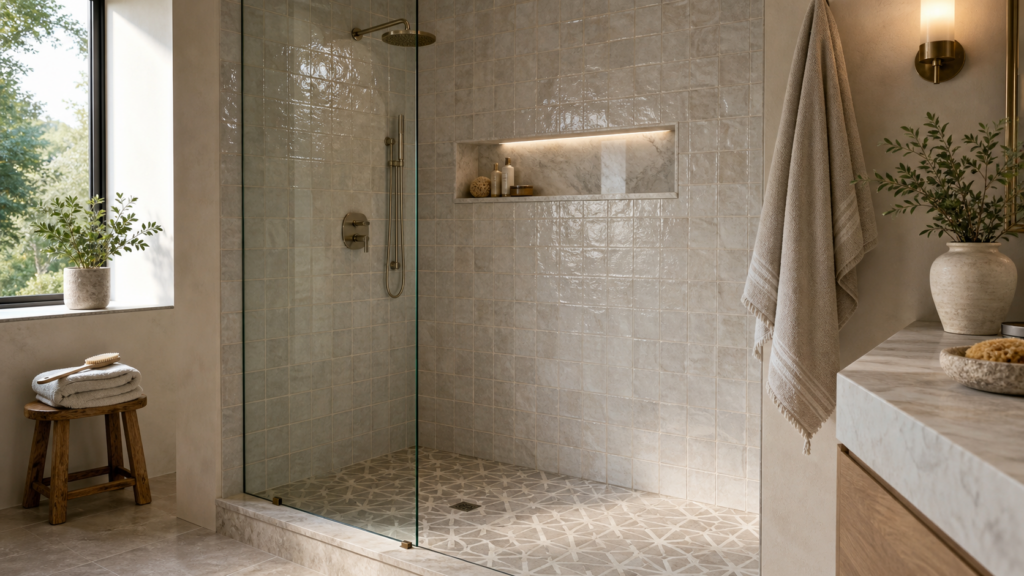
Choosing the right Shower Tile Ideas can completely change how a bathroom looks and feels. Shower tiles are not only a decorative feature. They also influence how bright the space appears, how easy it is to clean, how spacious the shower feels, and how the overall bathroom design comes together. Whether you prefer a calm spa-style bathroom, a bold patterned shower, a timeless neutral design, or a colourful statement wall, the right tile choice can help you create a space that feels both practical and personal.
A shower is one of the most frequently used areas in a bathroom, so the materials selected for it need to balance appearance with performance. The tile should work well in a wet environment, suit the size of the room, coordinate with surrounding surfaces, and remain visually appealing over time.
There are now more possibilities than ever when it comes to tile colour, shape, texture, pattern, layout, and scale. This gives homeowners and designers plenty of room to create something distinctive.
The challenge is knowing which combination will work best.
This guide explores different shower tile ideas, design approaches, practical considerations, layout tips, and styling choices that can help you plan a shower that looks considered rather than complicated.
Why Shower Tile Choice Matters
Tile covers a large visual area in many showers.
Because of this, even a simple change in tile colour or pattern can have a major effect on the room.
Light tiles can make a compact shower feel more open. Darker tiles can create depth and atmosphere. Patterned tiles can become a focal point, while neutral tiles can make the entire bathroom feel calm and timeless.
Tile also affects how other design features are perceived.
Brass fixtures may feel warm and luxurious against cream or terracotta tiles. Black fittings can look bold against white or pale grey walls. Chrome can feel clean and contemporary with blue, green, or neutral tile schemes.
The right tile therefore helps connect the whole bathroom.
Start With the Mood You Want to Create
Before comparing shapes and materials, decide how you want the finished shower to feel.
This makes the design process much easier.
A spa-like shower might use soft neutrals, natural textures, muted greens, warm whites, and subtle stone-inspired finishes.
A modern bathroom may use clean lines, oversized tiles, monochrome colours, and minimal grout contrast.
A Mediterranean-inspired shower might include handmade-look tiles, warm colours, decorative patterns, and natural materials.
A playful bathroom could feature bold colour, contrasting grout, checkerboard layouts, or geometric patterns.
There is no single correct style.
The best shower tile design is one that suits the room, the rest of the home, and your personal taste.
Classic White Shower Tile Ideas
White tile remains one of the most flexible choices for shower walls.
It works in traditional, contemporary, coastal, minimalist, and transitional bathrooms.
However, a white shower does not need to feel plain.
Use White Subway Tiles
Subway tiles create a familiar and timeless look.
They can be installed horizontally for a traditional appearance, vertically to make the walls feel taller, or in a stacked layout for a more modern design.
You can also use a herringbone or basketweave arrangement to create more visual interest.
The grout colour can change the entire effect.
White grout creates a softer and more seamless appearance.
Grey or darker grout highlights the shape of each tile and makes the pattern more visible.
Choose Handmade-Look White Tiles
Tiles with slightly uneven edges, surface variation, or subtle glaze differences can add warmth to an all-white shower.
These imperfections reflect light differently and create depth.
This type of tile works particularly well in bathrooms where you want a handcrafted or relaxed atmosphere without introducing strong colour.
Neutral Shower Tile Ideas
Neutral does not have to mean boring.
Beige, cream, taupe, sand, soft grey, and warm white can create a calm foundation while allowing other features to stand out.
Neutral showers are especially useful when the bathroom includes statement fixtures, dramatic lighting, natural wood cabinetry, or patterned flooring.
Layer Different Neutral Tones
Instead of choosing one colour for every surface, combine several related tones.
For example, warm ivory wall tiles can be paired with sand-coloured floor tiles and a slightly darker niche.
This creates depth without making the design feel busy.
Add Texture Instead of Colour
If you prefer a restrained colour palette, texture can provide visual interest.
Fluted tiles, rippled surfaces, handmade finishes, subtle relief patterns, and stone-inspired textures all add character while keeping the overall scheme calm.
Blue Shower Tile Ideas
Blue is naturally associated with water, calmness, and freshness, making it a popular choice for showers.
The effect depends on the shade you select.
Pale blue can make a bathroom feel light and airy.
Dusty blue feels soft and sophisticated.
Navy adds drama and depth.
Turquoise and aqua create a brighter, more energetic look.
Create a Blue Feature Wall
One simple approach is to use blue tile on the main shower wall while keeping the remaining bathroom surfaces neutral.
This gives the room a focal point without overwhelming the space.
Combine Blue With White
Blue and white is a classic pairing.
It works particularly well in coastal, Mediterranean, traditional, and contemporary bathrooms.
White grout can soften dark blue tiles, while dark grout can make lighter blue tiles feel more graphic.
Green Shower Tile Ideas
Green tiles have become increasingly popular because they connect naturally with botanical and spa-inspired interiors.
Sage green creates a quiet, relaxing atmosphere.
Olive feels earthy and mature.
Emerald brings richness.
Sea green creates a fresh, watery effect.
Pair Green Tiles With Natural Materials
Green works particularly well with wood vanities, stone countertops, woven accessories, and warm metallic finishes.
This combination creates a bathroom that feels grounded and comfortable.
Use Glossy Green Tiles for Light Reflection
Glossy surfaces can make deeper green shades feel more dynamic.
The glaze reflects light differently throughout the day, adding movement to the shower walls.
Black and Dark Shower Tile Ideas
Dark shower tile can create a striking, sophisticated bathroom.
Black, charcoal, deep navy, dark brown, and graphite can all work successfully.
The key is balancing them with enough light and contrast.
Use Dark Tile With Pale Surroundings
A dark tiled shower can act as a dramatic focal point when the rest of the bathroom uses lighter walls, cabinetry, and flooring.
This prevents the entire room from feeling visually heavy.
Add Warm Metal Fixtures
Brass, bronze, and brushed gold can soften dark tile.
They create contrast and help the shower feel more luxurious.
Chrome or stainless steel can create a cooler, more contemporary effect.
Patterned Shower Tile Ideas
Patterned tiles are a great way to introduce personality.
They can be used across the entire shower or limited to one area.
Geometric patterns, floral motifs, encaustic-inspired designs, checkerboards, stripes, and abstract shapes can all work depending on the overall style.
Use Pattern as an Accent
If you are worried that patterned tile will feel too busy, use it only inside a shower niche or on one feature wall.
This creates visual interest while keeping the rest of the design simple.
Keep Other Finishes Quiet
When the tile itself is highly decorative, surrounding materials should usually be more restrained.
Simple fixtures, neutral paint, plain countertops, and minimal accessories allow the tile to remain the focus.
Large Format Shower Tiles
Large tiles can create a clean and modern appearance.
Because there are fewer grout lines, the shower walls can look more continuous.
This may also make maintenance feel simpler.
Large format tiles work especially well in spacious walk-in showers, but they can also be effective in smaller bathrooms when used carefully.
Use Large Tiles Vertically
Vertical placement can emphasise height.
This is useful in bathrooms with standard or lower ceilings.
Match Wall and Floor Tones
Using similar tones on the shower walls and bathroom floor can create a more seamless appearance.
This technique works especially well in contemporary interiors.
Small Tile Shower Ideas
Small tiles can add detail and movement.
Mosaics, penny tiles, small squares, hexagons, and narrow rectangles all create distinctive surfaces.
Small tiles are often particularly useful on shower floors because they can follow slopes and curves more easily than large rigid pieces.
Penny Tile Floors
Penny tiles create a classic texture and provide many grout joints.
They work in vintage, playful, modern, and retro bathrooms.
Small Hexagon Tiles
Hexagon tiles can add geometric interest without feeling overly decorative.
They are available in both subtle neutral schemes and bold contrasting colours.
Shower Tile Ideas for Small Bathrooms
Small bathrooms require careful planning, but they do not need to avoid personality.
The right tile can make a compact shower feel intentional and open.
Use Consistent Tile Across Walls
Continuing the same tile across multiple walls reduces visual breaks.
This can make the shower feel larger.
Choose Light or Mid-Tone Colours
Pale colours generally reflect more light and can create a more spacious impression.
However, this does not mean small bathrooms cannot use dark colours.
A compact dark shower can feel dramatic and cocooning if the lighting is well planned.
Minimise Unnecessary Visual Clutter
Too many contrasting patterns can make a small room feel fragmented.
Choose one dominant tile and use accents carefully.
Shower Tile Ideas for Large Bathrooms
Large bathrooms give you more freedom to combine materials.
You may use one tile on the shower walls, another on the floor, and a third as an accent.
However, more space does not mean every surface needs a different finish.
A clear design hierarchy usually produces a more polished result.
Choose one main tile, one supporting material, and perhaps one accent.
This keeps the bathroom cohesive.
Walk-In Shower Tile Ideas
Walk-in showers often become a major architectural feature of the bathroom.
Because they are usually open or enclosed with frameless glass, the tiles remain highly visible.
Continue Floor Tile Into the Shower
Using similar flooring inside and outside the shower can make the room feel larger and more seamless.
The exact tile choice must still be appropriate for wet conditions.
Create a Full-Height Feature Wall
A strong tile behind the shower fittings can draw the eye upward.
This is particularly effective in walk-in showers with tall ceilings.
Use Tile to Define the Shower Zone
Even without a full enclosure, a change in tile can visually separate the shower from the rest of the bathroom.
This works well in open-plan bathroom layouts.
Shower Niche Tile Ideas
A shower niche provides storage for shampoo, soap, and other essentials.
It can also become a design feature.
Match the Main Wall Tile
Using the same tile inside the niche creates a clean and integrated appearance.
This approach works well in minimalist bathrooms.
Use a Contrasting Tile
A contrasting pattern or colour can make the niche stand out.
For example, a plain white shower could include a colourful patterned niche.
Consider the Niche Edges
The way the edges are finished can affect the final result.
Carefully planned trim, mitred corners, or coordinating edging can help the niche look intentional.
Herringbone Shower Tile Ideas
Herringbone remains a popular layout because it adds movement without requiring an unusual tile shape.
Rectangular tiles are arranged at an angle to create a repeating V-shaped pattern.
This layout works with white, coloured, stone-look, and handmade tiles.
It can be used across the whole shower or limited to one feature wall.
The pattern is visually stronger than a standard horizontal layout, so simple surrounding finishes usually work best.
Vertical Tile Layouts
Installing rectangular tiles vertically can change the proportions of the shower.
The lines draw the eye upward, which can make the space feel taller.
Vertical layouts work particularly well with narrow tiles.
They can create a modern appearance without requiring a bold colour or pattern.
Stacked Tile Layouts
A stacked layout aligns tiles directly above one another.
The result feels orderly, architectural, and contemporary.
This is a good alternative to the traditional offset brick pattern.
Stacked tiles can be installed horizontally or vertically.
With coloured or glossy tile, this clean arrangement allows the finish itself to remain the focus.
Checkerboard Shower Tile Ideas
Checkerboard patterns can be playful, traditional, or dramatic depending on the colours used.
Black and white creates a classic graphic effect.
Cream and terracotta feels warmer.
Soft green and white can create a subtle vintage look.
Checkerboard tile is particularly effective on shower floors or feature walls.
If you use a strong checkerboard pattern, keep the rest of the space relatively simple.
Terracotta-Inspired Shower Tile Ideas
Warm earth tones can make a bathroom feel welcoming and distinctive.
Terracotta-inspired colours include clay, rust, burnt orange, cinnamon, and soft red-brown.
These tones work beautifully with cream, beige, natural wood, and aged brass finishes.
They are particularly suitable for Mediterranean, rustic, bohemian, and warm contemporary interiors.
Glazed tiles in terracotta colours can bring the warmth of clay while offering a finish suitable for bathroom design.
Marble-Look Shower Tile Ideas
Marble-inspired tile creates an elegant and polished appearance.
White surfaces with soft grey veining remain popular, but darker and warmer marble looks can also be striking.
Large marble-look tiles can create a luxurious effect with fewer visible grout lines.
For a more restrained design, use marble-look tile only on one shower wall or inside the niche.
Stone-Look Shower Tiles
Natural stone-inspired finishes can make a shower feel calm and organic.
Travertine, limestone, slate, and sandstone looks each create a different mood.
Stone-look tile can offer the visual character of natural material while providing a consistent manufactured surface.
Warm stone tones pair especially well with wood, brushed brass, linen, and neutral paint colours.
Mixing Different Shower Tiles
Combining more than one tile can produce a layered and custom look.
However, the materials need to relate to one another.
A useful rule is to vary one feature at a time.
For example, combine a plain large wall tile with a smaller patterned floor tile.
Or use the same colour in two different tile shapes.
You can also pair a textured feature wall with smoother surrounding surfaces.
This creates contrast without creating visual confusion.
How to Choose Grout Colour
Grout is part of the design, not just a practical necessity.
A matching grout colour makes the tile layout feel softer and more continuous.
Contrasting grout highlights every tile shape and joint.
For example, dark grout with white subway tiles creates a strong graphic appearance.
White grout with white tile makes the wall feel calmer.
Coloured grout can create a more playful or customised design, but it should be chosen carefully so it works with the wider bathroom palette.
Think About Cleaning and Maintenance
A beautiful shower also needs to work in everyday life.
Glossy tiles may show water marks differently from matte surfaces.
Highly textured tile may require more attention during cleaning.
Small tiles create more grout lines than large tiles.
Very light grout may show staining more easily in some situations, while very dark grout may highlight mineral deposits.
Consider how much maintenance you are comfortable with before choosing a highly detailed surface.
Good design balances visual appeal with practical use.
Choose Appropriate Shower Floor Tiles
Shower floor tile needs particular attention because the surface regularly becomes wet.
A very smooth, highly polished surface may not be suitable for every shower floor.
Smaller tiles are commonly used because the additional grout joints can provide texture and because they can conform more easily to the slope toward the drain.
The exact product should always be selected based on its intended use.
The wall tile and floor tile do not have to match exactly.
They simply need to complement each other.
Use Lighting to Enhance Shower Tile
Lighting can completely change how tile looks.
Glossy tile reflects light and can create movement.
Textured tile produces shadows that reveal the surface pattern.
Dark tile may require stronger lighting to prevent the shower from feeling too enclosed.
Consider both natural and artificial light.
If the bathroom has a window, look at tile samples at different times of day before making a final choice.
Warm artificial lighting can make cream, beige, terracotta, and green tiles feel richer.
Cooler lighting can emphasise grey, white, blue, and monochrome designs.
Coordinate Tile With Fixtures
Tile and shower fixtures should feel intentionally selected together.
Black fixtures create a strong contrast against pale surfaces.
Brass and bronze add warmth.
Chrome feels familiar, bright, and versatile.
Brushed nickel offers a softer metallic finish.
The fixture colour does not need to perfectly match every other metal in the bathroom, but the combinations should feel balanced.
If your tile is already visually strong, simple fixture shapes can keep the shower from feeling overly busy.
Avoid Following Trends Too Literally
Trends can be useful for inspiration, but a shower is usually expected to last for years.
Choose trends that genuinely suit your preferences.
A bold pattern may be ideal if you have always loved colour and decorative interiors.
If your style changes frequently, a more neutral main tile with easily replaceable accessories may be a better choice.
Timeless does not have to mean plain.
It simply means choosing a design you are likely to continue enjoying.
Create a Focal Point
A successful shower design often has one area that receives slightly more visual attention.
This might be the wall behind the shower fixtures, a decorative niche, the floor, or a patterned section.
Creating one focal point helps organise the design.
If every surface competes for attention, the shower may feel overly complicated.
Choose where you want the eye to go first and let other elements support that feature.
Use Samples Before Making a Final Decision
Tile colours can look different online, in a showroom, and inside your actual bathroom.
Lighting, wall colour, cabinetry, and nearby materials all influence how a tile appears.
Samples allow you to compare finishes within the real environment.
Place samples near the shower area and observe them in daylight and artificial light.
Also compare them beside fixtures, flooring, paint, and vanity materials.
This small planning step can prevent expensive design mistakes.
Common Shower Tile Mistakes to Avoid
One mistake is selecting tile only because it looks good in a photograph.
The tile must also work with your room size, lighting, maintenance preferences, and bathroom style.
Another mistake is using too many competing designs.
Three or four bold patterns can quickly make the bathroom feel disorganised.
Ignoring grout is another common issue.
The grout colour, width, and layout can significantly change the final appearance.
Homeowners may also forget to plan tile cuts around niches, corners, fixtures, and drains.
Good layout planning helps ensure the finished installation looks balanced.
Finally, do not assume all tiles are suitable for every shower surface.
Always ensure the chosen material is appropriate for its intended location.
How to Make a Shower Feel More Luxurious With Tile
Luxury does not always come from expensive materials.
Often, it comes from thoughtful detailing.
Use full-height tile instead of stopping partway up the wall.
Align grout lines carefully.
Choose a consistent colour palette.
Create a properly proportioned niche.
Use one beautiful tile rather than several competing finishes.
Combine tile with quality lighting and well-positioned fixtures.
Even a simple design can look sophisticated when the layout is carefully planned.
How to Make Shower Tile Feel Timeless
Timeless bathrooms usually rely on balance.
They use materials that feel distinctive without depending entirely on short-lived trends.
Neutral colours, natural tones, handcrafted finishes, simple geometric shapes, and classic layouts often age well.
You can still include personality through colour or pattern.
The key is choosing something that connects with your overall interior style rather than copying a trend that may quickly feel dated.
Conclusion
The best Shower Tile Ideas combine visual appeal with practical everyday use. Whether you prefer classic white subway tiles, bold geometric patterns, calming green walls, warm terracotta tones, large stone-look surfaces, or colourful handmade-style finishes, the goal should be to create a shower that feels cohesive with the rest of the bathroom. Think carefully about tile size, layout, grout, lighting, floor suitability, maintenance, fixtures, and the mood you want to create. A well-planned shower does not need dozens of different materials to feel special. Often, one strong tile choice, supported by thoughtful details and a balanced colour palette, is enough to create a bathroom that feels comfortable, distinctive, and visually lasting.
Frequently Asked Questions
What are the best Shower Tile Ideas for a small bathroom?
Light colours, consistent wall tiles, vertical layouts, and limited pattern changes can help a small bathroom feel more open. A single feature wall can add personality without making the space feel cluttered.
What tile colour is best for a shower?
There is no single best colour. White and neutral tiles create a timeless look, blue and green can feel calming, while darker shades provide drama. Choose a colour that works with the room’s lighting and overall design.
Can I use different tiles on the shower walls and floor?
Yes. In fact, using different tiles can improve both design and practicality. A smaller or more textured floor tile can be paired with larger wall tiles for visual contrast.
Are large tiles good for shower walls?
Large tiles can work very well on shower walls. They create fewer grout lines and can give the space a clean, contemporary appearance.
What shower tile patterns are popular?
Herringbone, stacked, vertical, checkerboard, geometric, and classic offset layouts are all popular choices. The best pattern depends on the style of the bathroom and how much visual movement you want.
Should shower tile go all the way to the ceiling?
Full-height tile can create a more complete and luxurious appearance, especially in walk-in showers. It can also help visually emphasise the height of the room.
Should the shower niche use the same tile as the walls?
It can. Matching tile creates a seamless look, while contrasting tile turns the niche into a decorative feature. Both approaches can work well.
How do I make shower tile look more expensive?
Careful layout, aligned grout lines, well-planned niches, full-height tiling, balanced colours, suitable lighting, and coordinated fixtures can make even relatively simple tile designs feel polished and sophisticated.