
Choosing the right baby photography studio in Sydney can make a big difference to both your experience and the final photographs you receive. Baby photography...
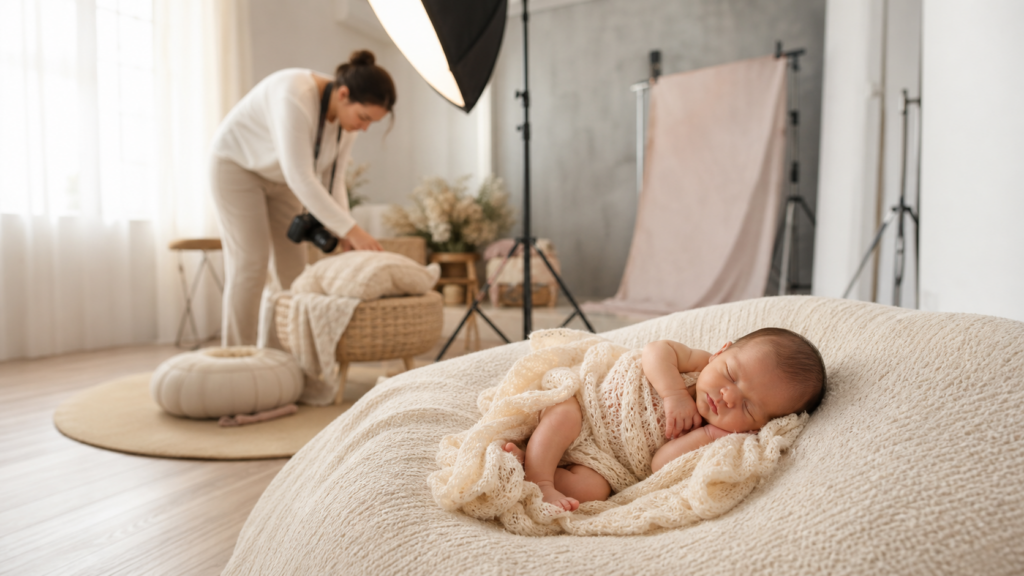
Choosing the right baby photography studio in Sydney can make a big difference to both your experience and the final photographs you receive. Baby photography is not simply about placing a child in front of a camera. It requires patience, careful preparation, a comfortable studio environment, safe posing, suitable lighting, and an understanding of how babies behave at different stages. For parents, the goal is usually simple: create natural and meaningful photographs that preserve a stage of life that passes very quickly.
Professional baby photography has become increasingly popular among families who want more than casual phone pictures. While everyday images are valuable, a professional session gives parents the chance to create carefully planned portraits with consistent lighting, styling, composition, and quality.
The right studio should also make parents feel comfortable. A relaxed environment often leads to better photographs because babies can sense changes in mood, noise, temperature, and routine.
This guide explains what to expect from a baby photography session, how to choose a suitable studio, when to schedule your photos, how to prepare, and what details can help create timeless images.
What Is a Baby Photography Studio?
A baby photography studio is a professional photography space designed specifically or partly for photographing newborns, infants, babies, and families.
Unlike a standard portrait studio, a baby-focused studio usually needs additional equipment and planning. Babies cannot simply be asked to stand, smile, or hold a pose. Sessions must work around feeding, sleeping, settling, movement, and comfort.
A professional studio may include:
- Soft blankets and wraps
- Baby-safe posing surfaces
- Backdrops
- Small baskets or beds
- Cushions and supports
- Studio lighting
- Natural window-light areas
- Comfortable seating for parents
- Changing facilities
- Heating or temperature control
- Clothing and styling accessories
The exact setup varies between photographers, but the environment should always feel clean, calm, organised, and suitable for young children.
Why Parents Choose Professional Baby Photography
Babies change extremely quickly during their first year.
A newborn may sleep for most of a photography session, while a six-month-old baby might sit, smile, grab objects, or interact with parents. By the first birthday, many babies are standing or walking.
Professional photography helps capture these stages before they disappear.
Creating Lasting Family Memories
Photographs can preserve small details that parents may eventually forget.
These can include:
- Tiny fingers
- Small toes
- Soft hair
- Sleepy expressions
- First smiles
- Chubby cheeks
- Curious eyes
- Early interactions with parents
Years later, these photographs can become important family memories.
Better Lighting and Composition
Professional photographers understand how lighting affects faces, skin tones, textures, and backgrounds.
Good lighting can make a photograph feel soft and natural without looking overly edited.
Composition is equally important. A photographer carefully considers where the baby is positioned, how parents interact with the child, and what should or should not appear in the background.
Parents Can Be Included
One major benefit of visiting a baby photography studio in Sydney is that parents can appear in the photographs too.
Parents often have hundreds of photographs of their babies but very few professional images showing themselves with their child.
A studio session can create portraits of:
- Baby alone
- Mother and baby
- Father and baby
- Both parents with baby
- Baby with siblings
- Whole family together
These images can provide a more complete record of the baby’s early years.
When Is the Best Time for Baby Photography?
There is no single perfect age for baby photography.
The best timing depends on the type of photographs you want.
Newborn Photography
Newborn sessions usually focus on the earliest stage of a baby’s life.
At this age, babies often spend much of their time sleeping. This can allow photographers to create peaceful portraits using blankets, wraps, and simple setups.
Newborn sessions normally require more time because babies may need feeding, changing, comforting, and settling throughout the session.
Parents should avoid expecting the entire session to run continuously.
Breaks are normal.
Three to Four Months
Around three or four months, babies usually become more alert.
They may:
- Hold their head up for short periods
- Look toward voices
- Show stronger facial expressions
- Make eye contact
- Smile more often
This age can be ideal for parents who want photographs showing early personality.
Six to Nine Months
Many parents enjoy photography sessions during the sitting stage.
Babies at this age may sit independently, laugh, interact with toys, and respond strongly to parents.
The photographer can create a wider variety of photographs because the baby is more active but may not yet be walking away from the setup.
First Birthday Photography
A first birthday session celebrates an important milestone.
Sessions may include simple portraits, family photographs, birthday-themed styling, or cake-based setups depending on the photographer’s style.
Parents who prefer timeless photographs can choose neutral setups rather than heavy birthday decorations.
How to Choose a Baby Photography Studio in Sydney
Choosing a studio should involve more than simply looking at price or availability.
Parents should review several factors before making a decision.
Look at the Photographer’s Portfolio
A portfolio helps you understand the photographer’s visual style.
Some photographers create bright and airy photographs. Others prefer warm tones, darker backgrounds, lifestyle photography, or simple neutral styling.
Look at several complete examples rather than judging the photographer from one image.
Ask yourself:
- Do the babies look comfortable?
- Are the photographs naturally edited?
- Are skin tones realistic?
- Do the poses look safe?
- Does the style match your home and personal taste?
- Are family photographs included in the portfolio?
Consistency is important.
A strong photographer should be able to create similar quality across different sessions.
Consider the Studio Environment
The studio should feel suitable for babies.
Cleanliness is particularly important because babies may come into direct contact with blankets, wraps, props, and posing surfaces.
The space should also allow enough room for parents to sit comfortably during longer sessions.
Temperature matters as well.
Young babies can become uncomfortable if the studio is too cold, especially during photographs where they are lightly wrapped or wearing minimal clothing.
Ask About Baby Safety
Safety should always come before creating a particular photograph.
Professional photographers should never force babies into uncomfortable positions.
Some photographs that appear to involve complex poses may actually be created using careful support or image-compositing techniques.
Parents should feel comfortable asking how poses are created.
A responsible photographer should be happy to explain their approach.
What Makes a Baby Photography Session Safe?
Baby photography requires constant attention.
Unlike adults, babies cannot communicate clearly if a position feels unstable or uncomfortable.
Several basic principles can improve safety.
Baby Should Always Be Supported
The baby’s head and body should remain properly supported.
If a photograph requires additional support, a parent or assistant may stay close and move away only when it is safe.
Props Should Be Stable
Baskets, beds, boxes, and similar props should sit securely on a stable surface.
They should not wobble or tip easily.
Any hard surfaces should be padded appropriately.
Comfort Comes Before Posing
Not every baby enjoys every pose.
If a baby repeatedly becomes upset when placed in a certain position, the photographer should move on rather than continue forcing the setup.
Some of the best photographs are created from simple, natural positions.
Parents Should Stay Involved
Parents know their baby’s normal behaviour better than anyone.
They should feel comfortable speaking up if something appears uncomfortable or unusual during the session.
What to Expect During a Baby Photography Session
Every photographer works differently, but most sessions follow a relaxed structure.
The photographer may begin by discussing clothing, colours, props, and the types of photographs the parents want.
The baby may then be settled before photography begins.
Sessions often include several different setups.
For example:
- Wrapped baby photographs
- Simple blanket portraits
- Close-up detail photographs
- Parent and baby portraits
- Sibling photographs
- Full family photographs
The order can change depending on the baby’s mood.
Professional baby photography is flexible by nature.
If the baby needs feeding halfway through a setup, the session may pause.
How Long Does Baby Photography Take?
Session length depends heavily on age.
Older babies may only need a relatively short session because they can interact with the photographer while awake.
Newborn photography can take longer because photographers often wait for babies to settle or sleep.
Parents should avoid scheduling important appointments immediately after the session.
Feeling rushed can make the experience less enjoyable.
How to Prepare Your Baby Before the Session
Good preparation can help the day feel smoother.
Keep the Schedule Flexible
Parents often try to control every detail before a photography session.
However, babies rarely follow a perfect timetable.
If your baby sleeps when you expected them to stay awake, or wants to feed earlier than planned, that is completely normal.
A flexible approach usually works better.
Bring Feeding Supplies
Depending on your baby’s age, bring anything normally required for feeding.
A well-fed baby may feel calmer and more comfortable.
If feeding takes place during the session, allow enough time rather than rushing.
Pack Extra Clothing
Accidents can happen during baby sessions.
Bring spare clothing for:
- Baby
- Parents
- Siblings
This is especially useful during newborn sessions.
Bring Familiar Comfort Items
A favourite blanket, dummy, toy, or comfort item may help settle your baby.
These items do not necessarily need to appear in the photographs.
Their main purpose can simply be helping the baby feel secure.
What Should Parents Wear?
Family styling affects the overall appearance of the photographs.
You do not need matching outfits.
In fact, completely matching clothing can sometimes make photographs feel unnatural.
Instead, choose complementary colours.
Neutral colours often photograph well, including:
- Cream
- Beige
- White
- Soft grey
- Light brown
- Pale blue
- Muted green
- Dusty pink
Avoid very large logos or extremely busy patterns unless they are intentionally part of the session style.
Simple clothing helps keep attention on faces and emotional connection.
Choosing Colours for Baby Photography
Colour can strongly influence the mood of a photograph.
Neutral tones often create timeless images.
Soft colours are popular because they do not compete with the baby’s face.
However, parents do not need to avoid colour completely.
The goal should be balance.
For example, a muted blue blanket or soft pink wrap can add personality without dominating the photograph.
Simple Styling vs Elaborate Styling
Some parents prefer detailed themes, while others prefer minimalist photographs.
Both approaches can work.
Minimalist Baby Photography
Minimalist photography focuses mainly on the baby.
It may use:
- Plain backgrounds
- Neutral wraps
- Simple blankets
- Natural poses
- Limited props
This style can remain visually relevant for many years because it avoids trends.
Themed Baby Photography
Themed sessions may use specific colours, seasonal setups, birthday decorations, or creative props.
These photographs can feel playful and personal.
The key is avoiding clutter.
The baby should remain the main subject.
Importance of Natural Baby Expressions
Perfect posing is not always the goal.
Some of the most meaningful photographs happen between planned poses.
A yawn, stretch, smile, curious look, or moment between parent and baby can create a powerful image.
Experienced baby photographers often watch for these moments while working through the session.
Parents should not worry if their baby does not smile constantly.
Every expression helps tell part of the story.
Family Photos During a Baby Session
Family photographs are worth considering even if you initially planned a session focused only on the baby.
Parents sometimes avoid photographs because they feel tired or do not feel camera-ready.
However, children may value these images greatly in the future.
Family photographs do not need complicated posing.
Simple interactions often work best.
Examples include:
- Holding the baby close
- Looking at the baby
- Kissing the baby’s forehead
- Sitting together
- Standing near a window
- Parents holding the baby between them
Natural interaction can create emotional images without looking staged.
Including Siblings in the Session
Sibling photographs can be meaningful, but they require patience.
Young children may lose interest quickly.
Photographers often capture sibling photographs earlier in the session before the child becomes tired or bored.
Parents can help by keeping expectations realistic.
A toddler may not sit perfectly beside a newborn for several minutes.
Instead, the photographer may use simple interactions, such as asking the sibling to look at the baby, touch a blanket, or sit beside a parent.
Props in Baby Photography
Props can add texture and variety to a session.
Popular options may include:
- Small baskets
- Baby beds
- Wooden bowls
- Knitted blankets
- Wraps
- Soft toys
- Bonnets
- Headbands
- Cushions
However, props should never overpower the baby.
A well-designed photograph uses props to support the composition rather than become the main focus.
Why Lighting Matters
Lighting is one of the most important elements in professional photography.
Harsh light can create strong shadows and distract from soft baby features.
Baby photographers often use large, diffused light sources to create gentle highlights and smooth transitions between light and shadow.
Some studios use large windows.
Others use studio lights with softboxes or diffusers.
Both can produce beautiful results when handled correctly.
The quality of light matters more than whether it is natural or artificial.
Studio Photography vs At-Home Baby Photography
Parents may choose between studio sessions and sessions inside their home.
Both have advantages.
Advantages of Studio Photography
A professional studio gives the photographer full control over:
- Lighting
- Backgrounds
- Props
- Temperature
- Equipment
- Styling
Everything is already prepared in one location.
This can make it easier to create several different looks during one session.
Advantages of Home Photography
Home sessions can feel personal and relaxed.
They also capture the baby’s real environment.
Parents do not need to travel with the baby.
However, lighting, space, and backgrounds can be more limited.
The right option depends on the style of photographs you prefer.
Questions to Ask Before Booking
Before choosing a baby photography studio in Sydney, ask practical questions.
Useful questions include:
- How long does the session usually last?
- Are parents included in the session?
- Can siblings participate?
- Are wraps and props provided?
- Can we bring our own special item?
- What should we wear?
- How are photographs selected?
- How many images are typically included?
- What happens if the baby is unsettled?
- Is rescheduling possible if the baby becomes unwell?
- How is the studio kept clean?
- What safety approach is used during posing?
Clear communication before the session helps avoid misunderstandings.
How to Make Baby Photos Feel Timeless
Photography trends change.
A style that looks fashionable today may feel outdated several years from now.
Parents who want timeless images can focus on simplicity.
Choose:
- Neutral colours
- Natural expressions
- Soft lighting
- Simple clothing
- Minimal props
- Clean backgrounds
- Emotional family interaction
These elements tend to age well.
Choosing Photos for Your Home
Think about how you may use the photographs after the session.
Some parents prefer digital galleries, while others want printed photographs, albums, or wall displays.
Consider where images may appear in your home.
A large family portrait may work well in a living room.
Small baby detail photographs can work beautifully in an album or grouped wall display.
Planning ahead can influence which types of photographs you request during the session.
Common Mistakes Parents Can Avoid
A few simple mistakes can make sessions more stressful than necessary.
Expecting the Baby to Behave Perfectly
Babies do not perform on command.
Crying, feeding, sleeping, and needing breaks are completely normal parts of the process.
Bringing Too Many Outfits
Too many outfit changes can make a baby uncomfortable.
A few carefully chosen options usually work better.
Overusing Props
Props can be attractive, but too many objects make photographs feel crowded.
Simple setups usually keep attention on the child.
Rushing the Session
Trying to move quickly can create unnecessary pressure.
Allow the photographer time to work around the baby’s needs.
Choosing Style Based Only on Trends
Choose a photography style you genuinely like.
Do not select a heavily themed style only because it is currently popular.
Benefits of Booking Early
Parents often begin looking for photographers before their baby arrives.
Booking early gives you more time to compare portfolios, ask questions, and plan styling.
It can also help you secure a suitable session window if you want early newborn photographs.
For older baby sessions, early planning is still useful because family schedules can become busy.
How Professional Editing Should Look
Editing should improve the photograph without making the baby look artificial.
Good editing may correct:
- Lighting
- Colour balance
- Background distractions
- Temporary skin redness
- Small fabric wrinkles
However, the baby’s natural features should remain recognisable.
Over-editing can make skin look plastic or remove natural details.
Parents should review a photographer’s portfolio carefully to understand their editing style before booking.
Creating a Calm Experience for Your Baby
The best sessions often feel slow and relaxed.
Keep voices calm.
Allow feeding and comfort breaks.
Avoid bringing too many unnecessary people into the studio.
Familiar smells, sounds, and physical contact from parents can help a baby settle.
The photographer should work with the baby’s natural rhythm rather than fighting against it.
Why Experience Matters in Baby Photography
A technically skilled photographer can understand camera settings and lighting, but baby photography also requires practical people skills.
A photographer may need to:
- Calm nervous parents
- Work around unpredictable sleep patterns
- Adjust posing quickly
- Maintain safety
- Handle sibling participation
- Create natural family interaction
- Recognise when a baby needs a break
This combination of photography skill and patience can strongly affect the session experience.
Conclusion
Choosing a baby photography studio in Sydney is about finding a photographer whose style, environment, safety practices, and approach suit your family. A good session should never feel rushed or overly complicated. The photographer should focus on your baby’s comfort while creating natural photographs that capture genuine expressions, tiny details, and family connection. Review portfolios carefully, ask questions before booking, prepare simple outfits, remain flexible during the session, and choose a style that feels personal rather than temporary. With thoughtful preparation and a calm studio environment, baby photography can preserve a short and meaningful stage of family life in images you can continue enjoying for years.
Frequently Asked Questions
What age is best for baby photography?
There is no single best age. Newborn sessions capture sleepy early details, while sessions around six to nine months often capture sitting, smiling, and stronger personality.
How do I choose a baby photography studio in Sydney?
Review the photographer’s portfolio, studio environment, safety approach, editing style, experience with babies, session structure, and communication before booking.
How long does a baby photography session usually take?
The length depends on the baby’s age and session type. Newborn sessions often require more time because of feeding, settling, sleeping, and changing breaks.
What should my baby wear for a photography session?
Simple clothing in soft or neutral colours usually photographs well. Many newborn sessions also use wraps, blankets, or minimal outfits.
Can parents be included in baby photographs?
Yes. Many baby sessions include photographs with parents and siblings. Family photographs can add emotional value to the final gallery.
What should I bring to a baby photography studio?
Bring feeding supplies, nappies, spare clothes, comfort items, and anything your baby regularly needs. You can also bring a meaningful personal item if the photographer allows it.
What happens if my baby cries during the session?
Crying is completely normal. A baby photography session should allow time for feeding, cuddling, changing, settling, and breaks before photography continues.
Are props necessary for professional baby photography?
No. Props are optional. Simple backgrounds, soft blankets, natural poses, and family interaction can create beautiful photographs without elaborate accessories.